Aeration in Aquarium Systems: Why Oxygen Circulation Matters in Fish Tanks (2026)
By Anurag Kamboj, Writer, Aquarium Paradise
Published
Aeration in aquarium systems plays an important role in maintaining dissolved oxygen levels inside underwater environments, allowing fish and other aquatic species to breathe, move naturally, and survive in balanced marine ecosystems. In simple terms, aeration refers to the movement of oxygen through water circulation, surface agitation, filtration systems, and controlled water flow. Without proper aeration, oxygen levels inside aquarium environments can gradually decrease, affecting fish behaviour, marine activity, and overall ecosystem balance.
These effects become easier to observe inside large public aquariums, where visitors can clearly see how active marine environments behave differently from poorly circulated tanks. Fish often swim more naturally through tunnel displays, panoramic viewing sections, and larger underwater spaces when oxygen circulation remains balanced throughout the environment.
This guide explains how aeration in aquarium systems works, why dissolved oxygen matters for healthy aquatic environments, and how professional aquarium attractions use advanced circulation systems to maintain immersive marine experiences for visitors.

Child Ticket - Aquarium Paradise

Adult Ticket - Aquarium Paradise

FUNWEDNESDAY – Buy 1, Get 1 Free
Key Insights
- Aeration in aquarium systems helps maintain dissolved oxygen levels through water circulation, surface movement, and controlled filtration systems.
- Fish depend on dissolved oxygen to breathe through their gills, which is why balanced oxygen circulation directly affects movement and behaviour inside aquarium environments.
- Common signs of weaker aeration include fish swimming near the surface, clustering around flowing water, or showing reduced activity across the tank.
- Large public aquariums require advanced circulation systems to distribute oxygen evenly across tunnel displays, panoramic tanks, and multi-species marine environments.
- Visitors inside professional aquarium attractions often notice continuous fish movement, schooling behaviour, and underwater activity without realising these patterns are closely connected to aeration systems.
- Large aquarium attractions like Aquarium Paradise use controlled marine environments to maintain healthier aquatic ecosystems and more engaging underwater viewing experiences for visitors.
What Does “Aeration in Aquarium” Actually Mean?
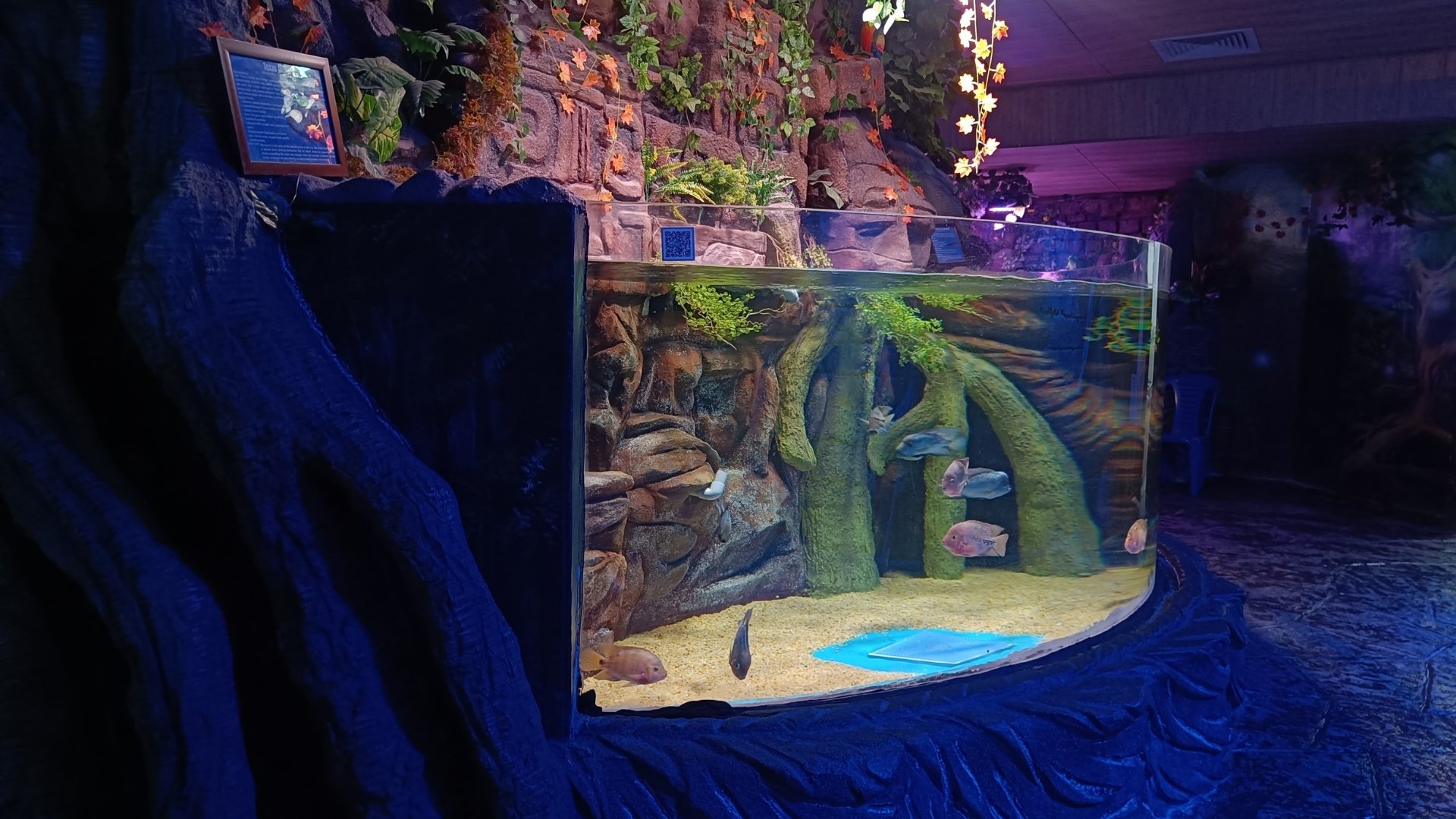
Aeration in aquarium systems refers to the movement of oxygen into the water, so fish and other marine species can breathe properly. In simple terms, it helps keep water active, balanced, and suitable for healthy aquatic life. This usually happens through water circulation, surface movement, filtration systems, or controlled air flow inside the tank.
Fish may live underwater, but they still depend on oxygen to survive. Instead of breathing oxygen from the air directly like humans, they absorb dissolved oxygen from the water through their gills. Dissolved oxygen refers to oxygen molecules mixed within the water itself. Fish do not breathe oxygen directly from the air like humans. Instead, water passes through their gills, allowing them to absorb dissolved oxygen needed for respiration.
Several factors affect dissolved oxygen levels inside aquarium systems, including:
- Water circulation
- Surface agitation
- Tank depth
- Water temperature
- Filtration systems
- Number of marine species
When water movement becomes weaker, oxygen exchange also slows down. This can gradually affect fish behaviour, swimming patterns, and overall marine activity inside the aquarium environment.
Do Bubbles Actually Add Oxygen to Aquarium Water?
No. When bubbles rise through aquarium water, only a small amount of oxyge
n dissolves directly from the bubbles themselves. The larger impact comes from the movement those bubbles create at the surface. As water continuously moves and breaks at the top layer, oxygen exchange becomes more efficient across the aquarium environment.
This is why aquarium systems with stronger surface movement often maintain healthier oxygen circulation compared to still environments with very little water agitation.
3 Common Signs of Poor Aeration in Aquarium Environments
Poor aeration can gradually affect both fish behaviour and overall aquarium balance, especially in larger underwater environments where oxygen circulation needs to remain consistent across different sections of the system. In professional aquarium displays, balanced oxygen movement helps maintain healthier marine activity, while weaker circulation often creates visible behavioural changes that visitors can notice without understanding the science behind them.
1. Fish Swimming Near the Surface
One of the most common signs of weaker oxygen circulation is fish repeatedly swimming near the water surface. This usually happens because oxygen exchange is naturally stronger near the surface, where water interacts directly with air.
In balanced aquarium environments, fish typically move across different depths instead of remaining concentrated near one section of the tank for long periods.
2. Reduced Marine Movement
Lower oxygen levels can sometimes reduce overall fish activity inside aquarium systems. Marine species may begin moving more slowly, remaining stationary for longer durations, or avoiding larger swimming areas across the environment.
Inside healthy public aquarium systems, visitors often notice more continuous movement throughout tunnel displays and panoramic marine sections because oxygen circulation remains balanced across the full environment.
3. Fish Gathering Near Flowing Water
Fish sometimes gather near filters, water outlets, or areas with stronger circulation because those sections often contain higher oxygen movement compared to still areas of the aquarium.
This behaviour becomes easier to observe in larger aquarium environments where visitors can compare movement patterns across different underwater sections.
Also Read: Fun Things to Do in Summer for an Unforgettable Holiday
How Does Aeration Affect Fish Behaviour?
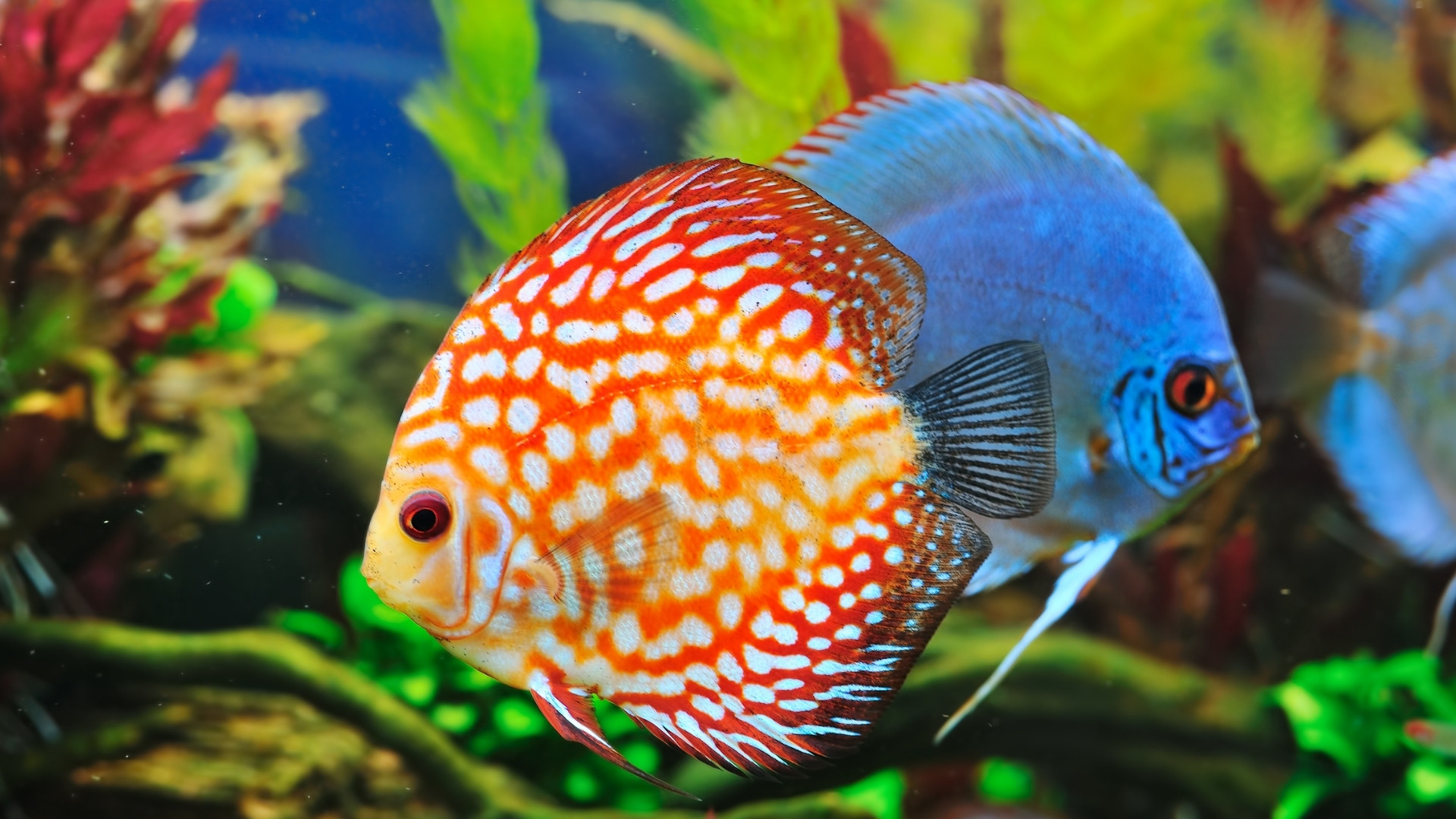
One of the most visible behavioural changes appears in schooling fish. In oxygen-balanced environments, schools often move together in coordinated patterns across larger viewing spaces. When oxygen circulation becomes weaker, fish may stop using the full tank evenly and instead remain concentrated near areas with stronger water movement or surface oxygen exchange.
Swimming depth can also change noticeably. Fish experiencing lower oxygen conditions sometimes move closer to the surface because oxygen exchange is naturally stronger near moving water and surface agitation. In larger public aquariums, these behavioural patterns become easier to observe because visitors can watch fish movement across tunnel displays, panoramic tanks, and deeper underwater sections simultaneously.
This is one reason professionally maintained aquarium environments often feel more active and immersive to visitors. Inside large marine attractions like Aquarium Paradise, balanced circulation systems help support continuous fish movement across tunnel environments and panoramic displays, making underwater ecosystems more visually dynamic.
Aeration vs Filtration in Aquarium Systems
Aeration and filtration are both important for maintaining balanced aquarium environments, but they perform very different functions inside the system. Aeration mainly supports oxygen circulation and water movement, while filtration focuses on maintaining cleaner and healthier water conditions.
Large public aquariums depend on both systems working together to maintain stable marine ecosystems across tunnel displays, panoramic tanks, and multi-species underwater environments.
Balanced oxygen circulation helps marine species move naturally across larger viewing spaces, while filtration systems support clearer water conditions that improve the overall underwater viewing experience for visitors.
Also Read: How to Feed Aquarium Fish While on Vacation: Smart & Safe Tips
Can Oxygen Levels Inside Aquariums Be Measured?
Yes, public aquariums and professional marine environments continuously monitor dissolved oxygen levels to maintain balanced aquatic ecosystems. Oxygen inside aquarium systems is usually measured in milligrams per litre (mg/L), which helps determine whether marine species are receiving enough dissolved oxygen for healthy respiration and movement.
In many freshwater aquarium environments, oxygen levels around 5–8 mg/L are commonly considered healthy, though marine systems may vary depending on species, tank depth, water temperature, and circulation strength.
Large public aquariums use advanced circulation, filtration, and monitoring systems to maintain stable oxygen distribution across tunnel environments and larger underwater displays. Inside aquarium attractions like Aquarium Paradise, these balanced systems help support more active and natural marine movement throughout the environment.
How Public Aquariums Maintain Balanced Marine Ecosystems
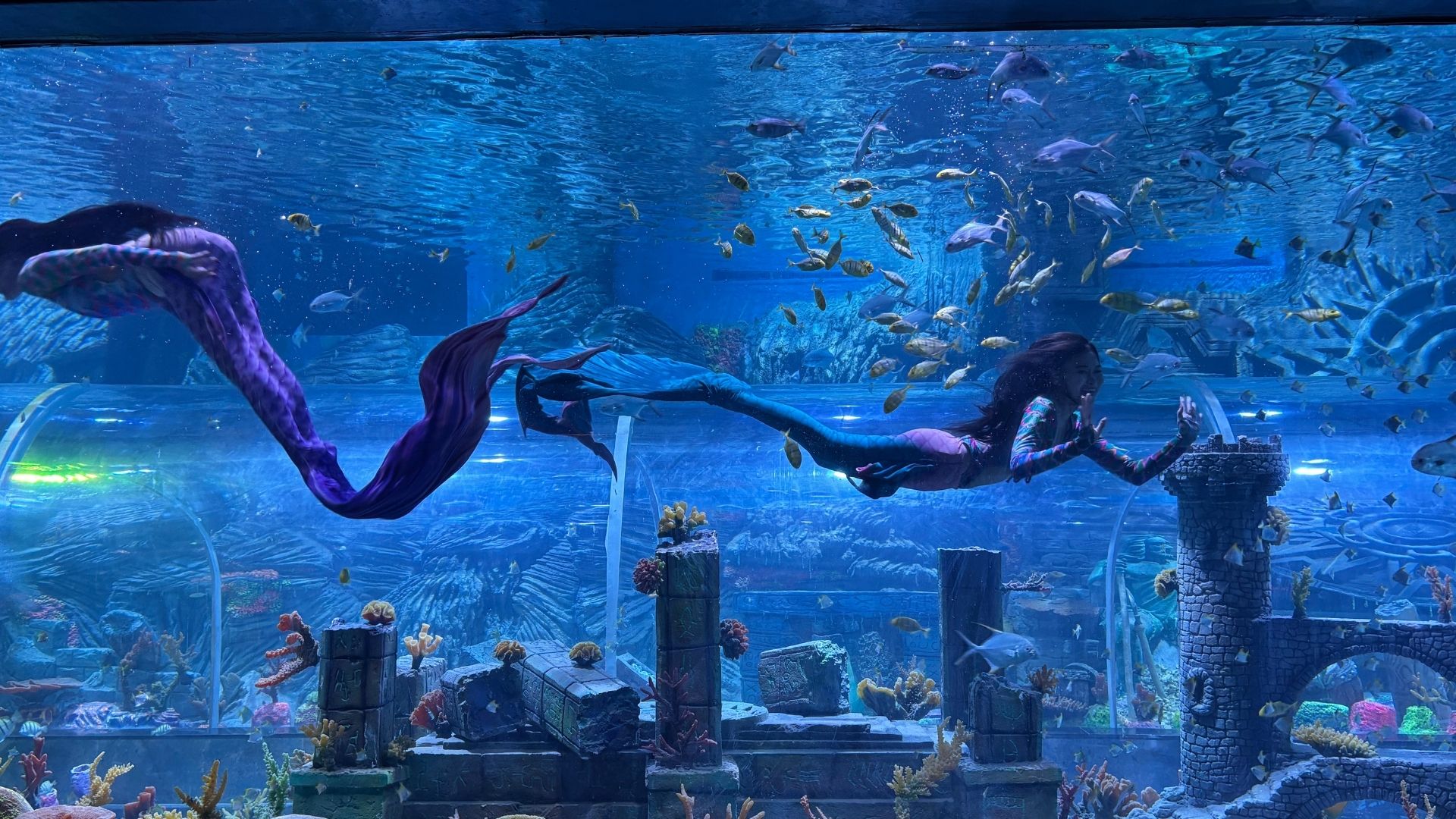
Large public aquariums maintain balanced marine ecosystems through continuous monitoring, controlled circulation systems, filtration processes, and stable oxygen distribution across the environment. Unlike smaller aquarium setups, public marine environments support multiple species, deeper tanks, tunnel displays, and larger water volumes, which makes ecosystem balance much more complex.
At Aquarium Paradise, many of these circulation and environmental systems operate behind the scenes across tunnel displays, panoramic viewing sections, and larger marine environments. Continuous water movement helps maintain healthier fish activity, balanced oxygen circulation, and clearer underwater visibility throughout the attraction.
Read Also: Experience Marine Life Like Never Before at Aquarium Paradise, Bengaluru
Final Thoughts
Healthy aquarium environments depend heavily on oxygen circulation, water movement, and stable ecosystem balance operating continuously behind the scenes. Aeration in aquarium systems helps distribute dissolved oxygen across the environment, allowing fish and other aquatic species to maintain more natural swimming patterns, active behaviour, and healthier marine movement throughout larger underwater spaces.
These effects become especially visible inside public aquariums, where tunnel displays and panoramic marine environments make underwater behaviour easier to observe in real time. Fish often appear more active, schooling patterns become more coordinated, and marine ecosystems feel more immersive when circulation systems maintain balanced oxygen conditions across the entire environment.
At Aquarium Paradise, many of these systems quietly support the underwater experience visitors observe throughout larger marine displays. From tunnel environments to panoramic viewing sections, balanced circulation and ecosystem management help create active aquatic environments where marine movement appears more natural, continuous, and visually engaging.
FAQs
1. Why do children stay engaged longer inside active aquarium environments?
Children usually respond strongly to movement, changing visuals, and underwater activity happening across different parts of the aquarium. Environments with active fish movement, tunnel displays, bubbles, and schooling patterns tend to hold their attention longer than static viewing tanks.
2. Can children actually learn something from observing aquarium systems?
Yes, many children naturally begin asking questions about fish behaviour, underwater movement, oxygen, and marine ecosystems while exploring immersive aquarium environments. Aquarium visits often combine visual entertainment with simple real-world learning experiences without feeling like a classroom activity.
3. Why do some aquarium tanks look more active than others?
The movement inside an aquarium depends heavily on water circulation, oxygen balance, lighting, and how the marine environment is maintained. Tanks with healthier circulation usually appear more immersive because fish move more naturally throughout the display.
4. Is an aquarium visit suitable for grandparents and younger children together?
Indoor aquarium attractions usually work well for mixed-age family outings because the experience moves at a relaxed pace. Families can explore different sections comfortably without long outdoor walks, making it easier for children, parents, and grandparents to enjoy the visit together.
5. What makes tunnel aquariums more exciting for first-time visitors?
Tunnel aquariums create a more immersive experience because visitors are surrounded by marine life from multiple angles instead of viewing fish through a standard flat tank. Children especially tend to react strongly when fish move overhead or across larger underwater spaces.
6. How long do families usually spend inside immersive aquariums?
Most families spend around 2–3 hours exploring larger aquarium attractions, depending on how much time children spend observing tunnel displays, jellyfish exhibits, feeding sessions, and interactive viewing areas.
Writer, Aquarium Paradise
Anurag Kamboj writes the Aquarium Paradise blog, covering marine life, exhibits, ticket offers and practical tips for planning a family visit to Bengaluru's aquarium.
- Aquariums
- Marine life
- Family days out in Bengaluru
More To Read

6.17.2025
Top 10 Largest Crab Species Worldwide
Compare the largest crab in the world like the Japanese Spider and Coconut Crab. Explore traits, habitats, and conservation efforts. Click to know more!
%201.webp&w=1920&q=75)
9.4.2025
Top 20 Kids' Fun Places in Bangalore in 2026
Find the best kids’ fun places in Bangalore in 2026, from Aquarium Paradise and Snow City to Cubbon Park and Bannerghatta. Indoor & outdoor picks for every age.
5.22.2025
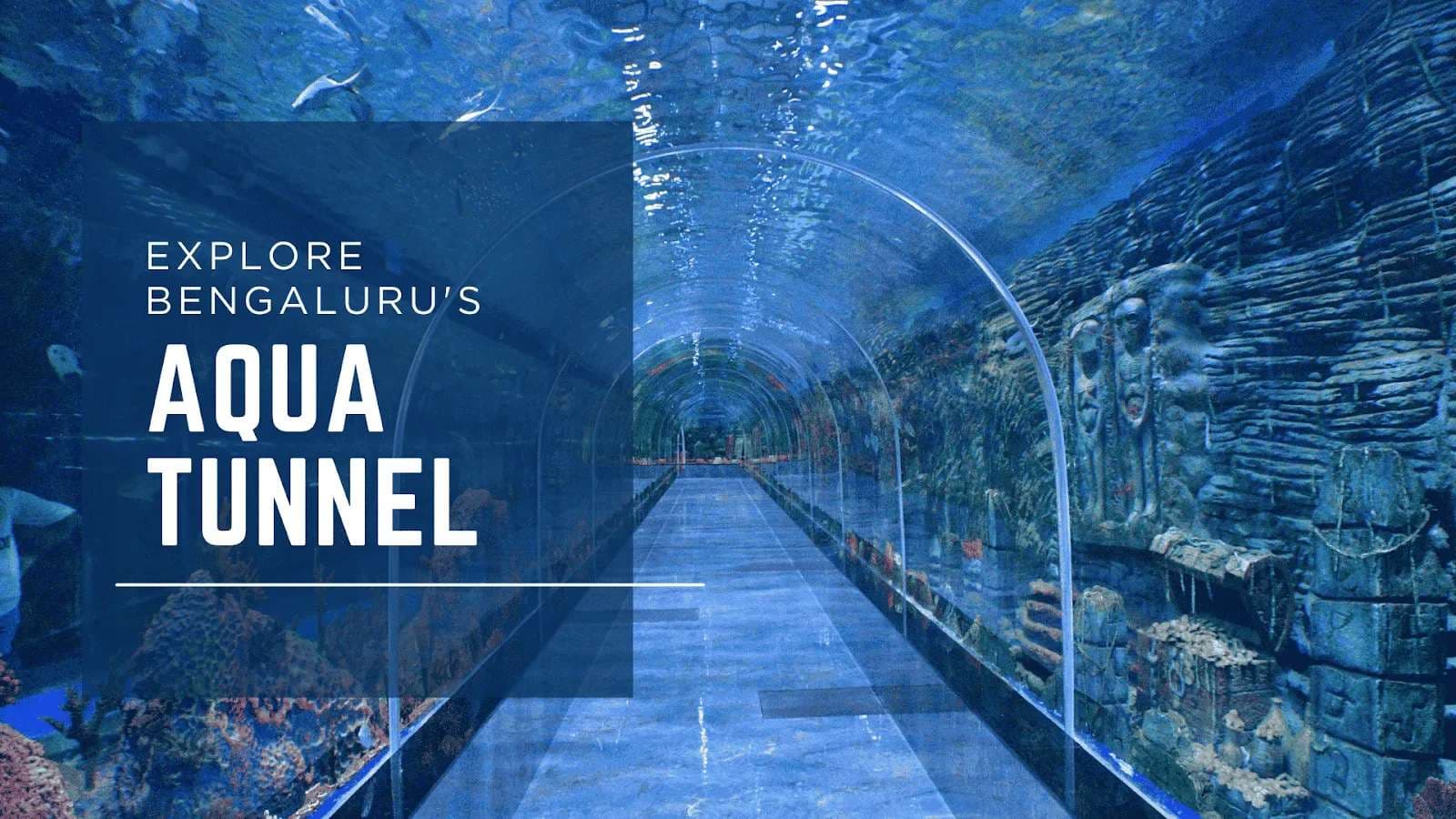
Explore the Mesmerizing Aqua Tunnel in Bengaluru
Discover Bengaluru's Aqua Tunnel, a top tourist spot with stunning aquatic displays and interactive experiences. Plan your visit today!
5.16.2025
Mesmerising Little Mermaid Shows Near You
Discover the magic of Aquarium Paradise in Bangalore with its unique underwater tunnel, mermaid show, and interactive marine experiences. Get more info here.
Recommended for you
Explore more from Aquarium Paradise and related picks tailored to this page.
