Best Aquarium Fish for Beginners: Top Easy Choices

Child Ticket - Aquarium Paradise

Adult Ticket - Aquarium Paradise

FUNWEDNESDAY – Buy 1, Get 1 Free
Find the best aquarium fish for beginners with top easy choices like White Cloud Mountain Minnows and Cherry Barb. Discover adaptable and hardy fish with recommended tank setups. Start your aquatic journey today!
Starting your first aquarium is like bringing a living artwork into your home, calming, colourful, and endlessly engaging. But that experience can quickly turn stressful if you choose delicate species that demand perfect conditions or special diets. The key is to begin with hardy, peaceful fish that forgive small mistakes and adapt well as you learn.
Thankfully, you don’t need expert skills or advanced equipment to get started. Many beginner-friendly species are easy to feed, tolerant of varied water conditions, and ideal for community tanks, making aquarium-keeping enjoyable from day one.
In this guide, we explore the best beginner aquarium fish suited for Indian homes and climates. Whether you're setting up a compact desk tank or a lively community aquarium, these reliable species will help you build a vibrant, healthy underwater world with confidence.
In a nutshell:
- Choose hardy, adaptable fish that can handle small beginner mistakes in water quality and feeding.
- Prioritise species with peaceful temperaments to avoid aggression and make community tanks easier to manage.
- Stable water conditions matter; invest in basic essentials like a heater, filter, and water conditioner.
- Learn the nitrogen cycle before adding any fish; it’s the foundation of a healthy tank.
- Plan stocking carefully using the 1 cm per 2 litres rule to avoid overcrowding and stress.
- Start with a few reliable species such as Guppies, Bettas, Platies, Danios, Tetras, Mollies, or Corydoras.
What Makes a Fish Beginner-Friendly?
Not every beautiful fish is suitable for first-time aquarium owners. A beginner-friendly fish can thrive even if you’re still learning the basics of aquarium care. These species tolerate minor mistakes, adapt easily to changing conditions, and remain peaceful, making your early aquarium experience smooth, enjoyable, and stress-free.
Here are the key qualities that make certain species ideal for newcomers:
- Hardiness
Beginner-friendly fish are generally hardy, meaning they can tolerate small mistakes while you are still understanding water changes, gravel cleaning, or filter maintenance. These fish do not get stressed easily if the water quality fluctuates slightly or if the temperature dips or rises a little.
Their robust nature reduces the chances of sudden illness or premature death, making the learning process much smoother.
- Easy dietary needs
Some fish require specialised diets, such as live food or algae-based meals, which can be difficult for beginners. The best fish for first-time aquarists happily eat every day flake or pellet food available at most pet stores. Occasionally, offering frozen or live food is a bonus, not a necessity.
This makes feeding simple, affordable, and stress-free, especially for someone just starting out.
- Peaceful temperament & compatibility
Aggressive or territorial fish can bully or injure tank mates, which is difficult to manage for beginners. Beginner-friendly species tend to be peaceful and community-oriented, allowing multiple types of fish to live harmoniously in the same tank.
Their calm behaviour makes them easier to observe, care for, and enjoy without worrying about constant conflict.
- Flexibility in water parameters
Water temperature, pH level, and hardness vary widely across India due to differences in tap water sources and climate. Fish that can adapt to a broad range of water conditions are ideal for new hobbyists, because they don’t require precise adjustments or expensive equipment.
Their adaptability ensures better survival even while you’re still learning to balance the tank environment.
Also Read: Marine Aquarium Salinity: How Much Salt to Use
Top Easy Aquarium Fish for Beginners
Choosing the right fish is the key to a stress-free start in the aquarium hobby. There is a wide range of hardy, adaptable, and peaceful species that thrive in beginner setups with minimal fuss.
From lively Guppies and Platies to active Danios, serene Bettas, gentle Corydoras, and colourful Tetras, these fish are easy to feed, tolerant of varied water conditions, and perfect for community tanks. They help first-time aquarists build a lively, healthy aquarium with confidence.
Here are some fish species frequently recommended for beginners that are widely available in Indian pet/fish stores or online.
1. Betta fish
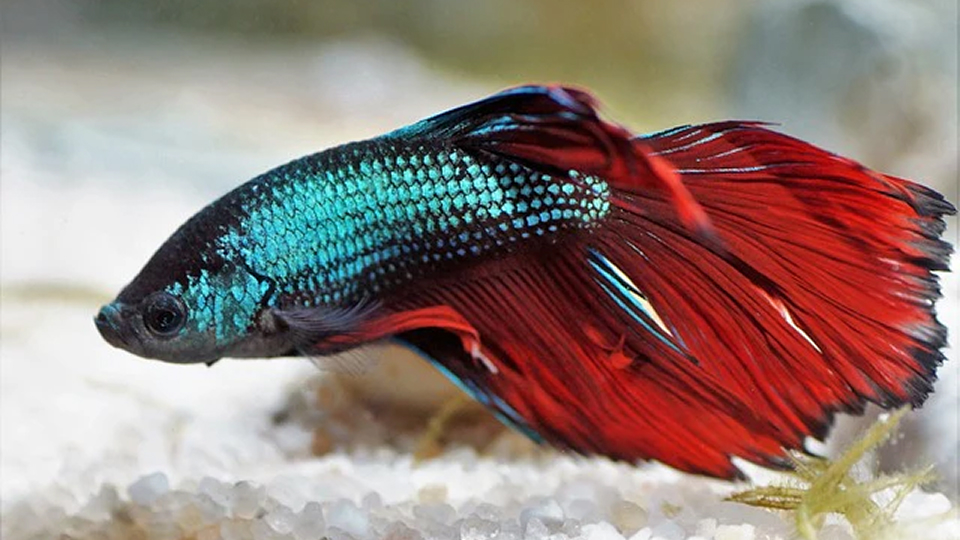
Betta fish are one of the most popular aquarium choices due to their striking colours and flowing fins. They are solitary by nature and do not require large tanks or heavy filtration to thrive. Bettas breathe atmospheric oxygen through a labyrinth organ, making them more forgiving of occasional lapses in water aeration.
With simple feeding habits and low maintenance needs, they are ideal for beginners who want a visually captivating single-fish display.
- Why beginner-friendly: Does well in small tanks and tolerates occasional lapses in water quality.
- Temperament: Territorial and best kept alone, especially males.
- Ideal tank setup: 10–20 litres, gentle filter flow, warm water (24–28°C), plenty of hiding spots.
2. Guppy
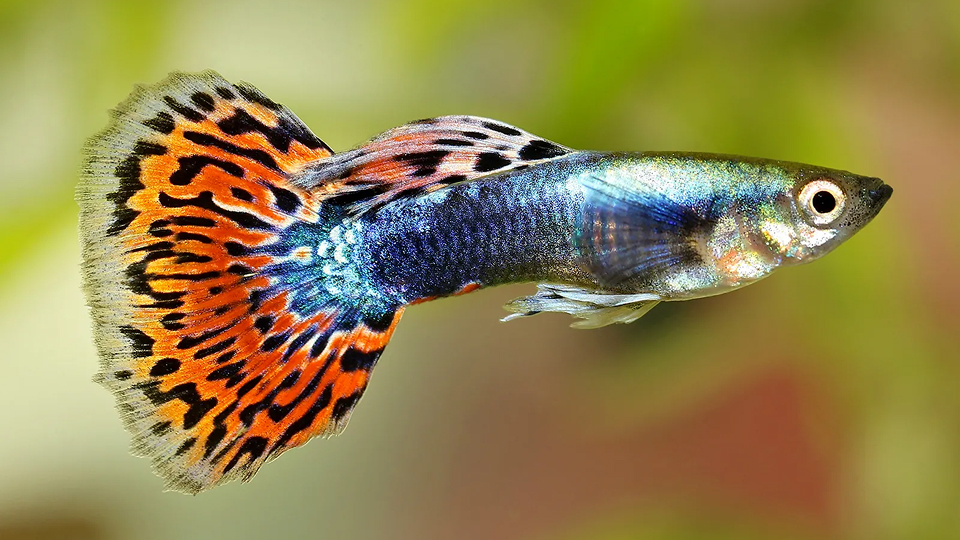
Bright, lively, and hardy, these creatures are well-suited to thrive in diverse environments. They show a remarkable tolerance to varying conditions, making them excellent choices for both novice and experienced keepers. Their prolific breeding habits are particularly appealing to enthusiasts interested in breeding projects.
- Why beginner-friendly: Very hardy and able to tolerate a wide range of water conditions.
- Temperament: Peaceful and social; thrives in groups.
- Ideal tank setup: 40+ litres, plants preferred, mild filtration, mixed-gender groups only if breeding is okay.
3. Platy
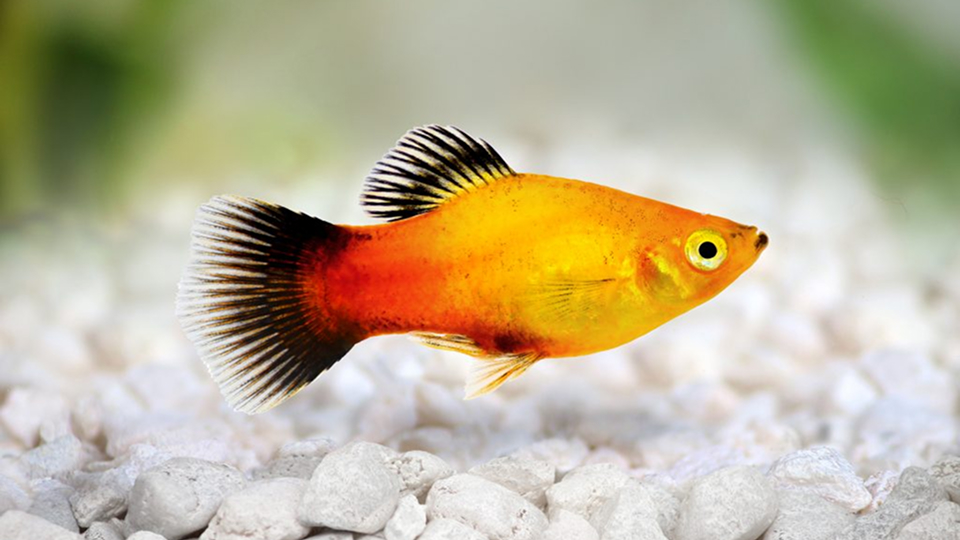
Platies are small, colourful fish known for their constant playful swimming and peaceful nature. They are easy to feed, rarely fall sick when basic care is provided, and mix well with other non-aggressive fish. Available in many vibrant colour variations, they add instant brightness to a community tank.
Platies are also livebearers, so beginners might enjoy the chance of occasionally spotting baby fry in the aquarium.
- Why beginner-friendly: Low-maintenance diet and very forgiving of water fluctuations.
- Temperament: Calm and excellent for community aquariums.
- Ideal tank setup: 40+ litres, live plants encouraged, mild water movement.
4. Zebra Danio
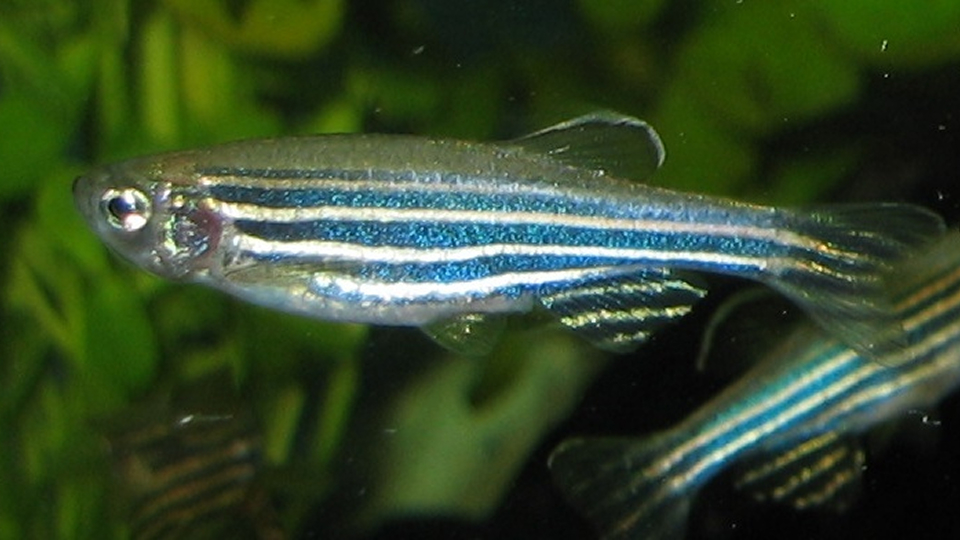
Zebra Danios are fast, agile swimmers with distinctive horizontal stripes and a curious nature. They bring constant motion to the aquarium and adapt remarkably well to varied water temperatures and conditions. Danios prefer to live and swim in groups, making the tank look lively and active.
Their resilience and simple feeding requirements allow first-time aquarium keepers to learn and enjoy the hobby without fear of stressing the fish.
- Why beginner-friendly: Extremely hardy and thrives in different water parameters.
- Temperament: Peaceful but very active; happiest in schools of five or more.
- Ideal tank setup: 60+ litres, open swimming space, secure lid, as they may jump.
5. Neon Tetra (or small Tetras in general)
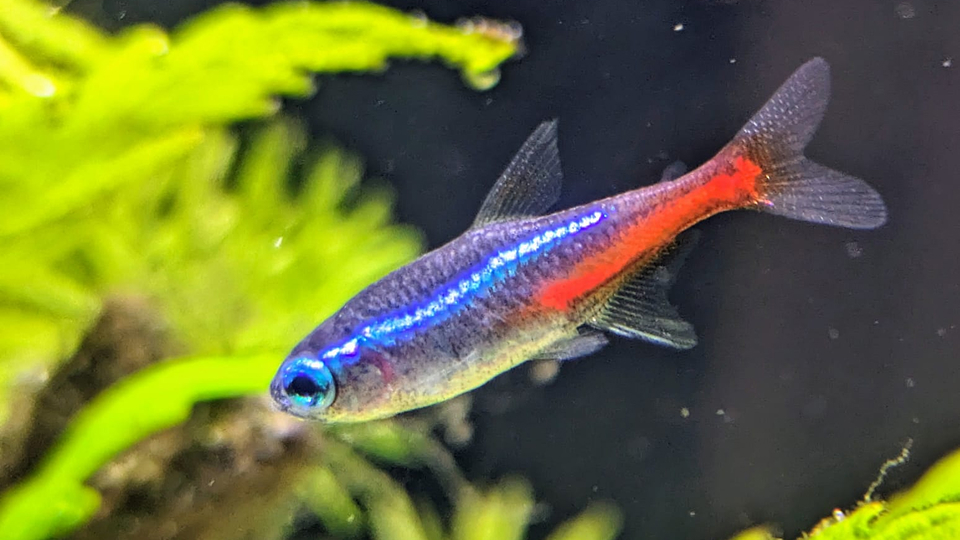
Neon Tetras are iconic for their glowing blue and red stripes and graceful schooling movement. Their small size, peaceful personality, and compatibility with planted aquariums make them favourites among hobbyists. Kept in groups, they create a vibrant and calming underwater display.
Although sensitive to major water shifts, they remain easy to manage once the environment is stable and clean, making them a reliable second-step fish for beginners.
- Why beginner-friendly: Simple feeding needs and great for planted community tanks.
- Temperament: Very peaceful; must be kept in schools of at least six.
- Ideal tank setup: 50+ litres, stable warm water, soft lighting, dense plants.
6. Corydoras catfish (or bottom dwellers / “clean-up fish”)
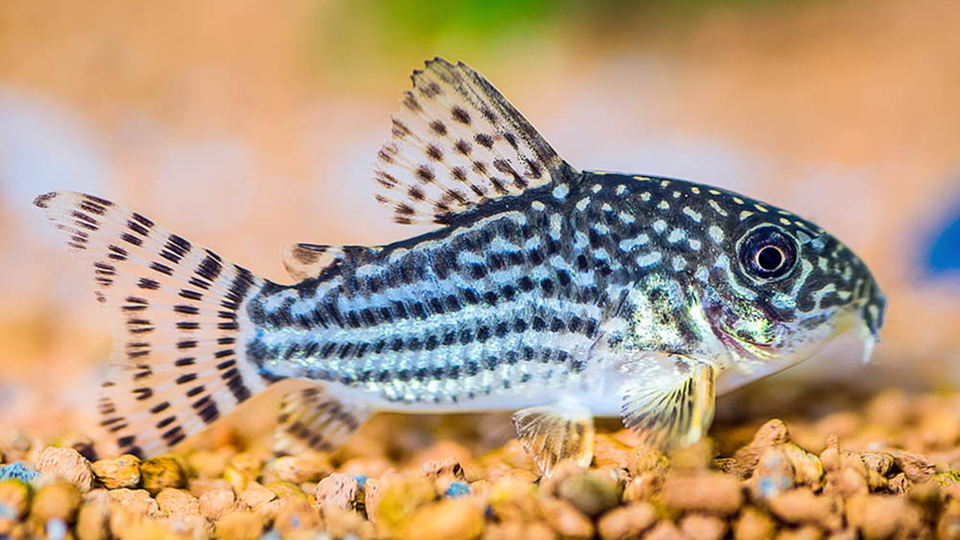
Corydoras are gentle bottom-dwelling fish known for their playful movements and helpful tank-cleaning habits. They sift the substrate for leftover food, reducing waste buildup and encouraging a cleaner tank ecosystem. Their calm nature and adorable expressions make them highly endearing to fish-keepers of all ages.
Corydoras prefer living in groups and coexist wonderfully with most common fish species, making them a valuable addition to any peaceful community aquarium.
- Why beginner-friendly: Forgiving, peaceful, and supportive of tank hygiene.
- Temperament: Gentle and social; happiest in groups of four or more.
- Ideal tank setup: 60+ litres, soft substrate like sand, plenty of hiding spaces.
7. Molly fish
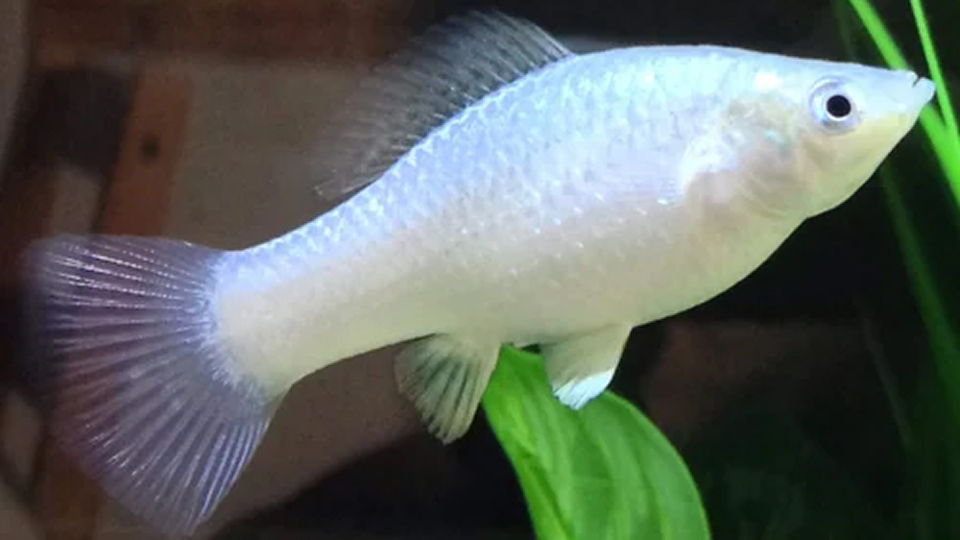
Mollies are sturdy fish that adapt easily to diverse water conditions, making them suitable for aquarists across different regions in India. Available in various colours and tail shapes, they bring brightness and movement to the aquarium. Mollies enjoy brackish or freshwater setups and coexist well with other peaceful species.
With easy feeding requirements and hardy genetics, they help beginners confidently maintain a thriving aquarium environment.
- Why beginner-friendly: Highly adaptable and easy to feed.
- Temperament: Calm and community-friendly; may show mild assertiveness sometimes.
- Ideal tank setup: 60+ litres, plants helpful, slightly warm water, good filtration.
Aquarium Paradise houses India’s longest underwater tunnel and showcases hundreds of marine and freshwater species, from sharks and rays to sea turtles from across the globe. Before building your own aquarium, visit Aquarium Paradise first to explore stunning aquatic displays.
Tips for Setting Up Your First Aquarium
Setting up your first aquarium can feel exciting and slightly overwhelming, but starting with the right approach makes the journey smooth and enjoyable. Beginners often worry about equipment, water quality, or choosing the right fish, but a few simple guidelines can help you build a stable and healthy environment from day one.
These tips will ensure your tank stays clean, your fish stay stress-free, and you gain confidence as you learn the basics of aquarium care.
- Start with a suitable tank size - While small tanks look convenient, they can be harder to maintain. Choose a tank that meets the minimum size requirement for your chosen fish, especially if you keep schooling species, which need enough space to swim comfortably.
- Monitor water quality regularly - Beginner-friendly fish are forgiving, but stable water conditions are essential. Keep an eye on temperature, pH, and ammonia levels. Regular testing helps prevent stress and keeps your fish healthy.
- Choose compatible fish - Select species that share similar temperaments and water preferences. Avoid pairing territorial fish, such as male Bettas, with peaceful or slow-swimming tank mates to prevent aggression and injuries.
- Maintain a consistent cleaning and feeding routine - Overfeeding or skipping water changes can quickly harm even hardy fish. Feed small portions once or twice a day and perform partial water changes every 1–2 weeks to maintain a balanced ecosystem.
- Start with hardy community species - Instead of rare or sensitive fish, begin with species known for their resilience. These fish give you room to make small mistakes as you learn, helping you gain confidence before moving to more delicate varieties.
The Beginner's Checklist: Before You Buy
Before bringing home your first fish, it’s essential to properly prepare the tank so your new pets can settle into a safe, stable environment. Many beginners rush to buy fish without understanding how vital early setup steps are, especially water cycling, choosing the right equipment, and planning the tank capacity.
Taking a little extra time now prevents stress, illness, and unexpected fish loss later. This checklist covers the essentials every first-time aquarist should follow.
1. Understand the Nitrogen Cycle
Before adding any fish, cycle the tank to build beneficial bacteria that convert toxic ammonia into safer compounds. This process takes 1–3 weeks but prevents sudden fish deaths and ensures a stable, healthy environment from day one.
2. Choose the Right Tank Size
Small tanks fluctuate quickly and are harder to maintain. Pick a tank that suits your chosen species, especially schooling fish that need swimming space. A slightly larger tank gives you more stability, flexibility, and room for beginner mistakes.
3. Gather Essential Equipment
A heater, filter, and water conditioner are non-negotiable for beginners. These basics maintain temperature, water quality, and safety, especially in Indian tap-water conditions. Investing early in proper gear saves time, effort, and unnecessary fish loss.
4. Plan Your Fish Stocking
Use the “1 cm of fish per 2 litres” rule to prevent overcrowding. Research the adult size of each species, not just what you see in the shop. Proper planning ensures comfort, reduces stress, and keeps water cleaner for longer.
5. Check Fish Compatibility
Not all fish get along. Match species with similar temperaments and water requirements. Avoid pairing aggressive or territorial fish with peaceful ones. Proper compatibility prevents fights, injuries, and stress, especially in community tanks.
6. Prepare the Tank in Advance
Set up the aquarium at least a week before adding fish. Arrange plants, substrate, and décor, start the filter, and let the water stabilise. A prepared tank gives your fish a safe, stress-free environment from the moment they arrive.
7. Keep Basic Test Kits Ready
Ammonia, nitrite, nitrate, and pH test kits help you monitor water quality easily. Regular testing lets you detect problems early and adjust before they affect your fish. It’s a simple habit that leads to long-term aquarium success.
Also Read: Freshwater Puffer Fish: Care & Facts Guide
Aquarium Paradise: Bengaluru’s Premier Marine Destination
Located in the heart of Bengaluru, Aquarium Paradise brings the ocean to life with India’s longest underwater tunnel, awe-inspiring marine exhibits, and interactive experiences perfect for families, students, and explorers.
- Underwater Tunnel: Walk through India’s longest underwater tunnel and view sharks, rays, and sea turtles swimming around you.
- Mermaid Show: The live, underwater mermaid show features professionally trained "mermaids" swimming gracefully alongside exotic marine species in the main display tank.
- Marine Life Diversity: Home to over 500 species, including angelfish, clownfish, lionfish, groupers, moray eels, jellyfish, seahorses, and colorful coral reef fish.
- Ocean Restaurant Window: Enjoy a unique dining experience with panoramic underwater views, the first of its kind in India.
- Interactive Zones: Feed stingrays, touch starfish, and learn about marine life through educational sessions.
- Freshwater Galleries: Discover vibrant tropical freshwater species from rivers and lakes worldwide.
- Family-Friendly Areas: Spacious viewing decks, rest zones, and family care facilities ensure a comfortable experience.
- Educational Exhibits: Explore marine conservation zones showcasing coral restoration and ocean sustainability efforts.
- Ticket Pricing: Adult tickets start at ₹499 on weekdays and ₹599 on weekends and holidays.
Conclusion
Creating your first aquarium doesn’t have to be complicated. All it takes is the right fish, a stable setup, and a little patience. By choosing hardy, peaceful species and following simple care routines, you can build a thriving aquatic world that brightens your home and grows with your experience. Whether you’re dreaming of a colourful community tank or a serene single-fish setup, beginner-friendly species offer the perfect start to your journey.
If you are really interested in building an aquarium, visit Aquarium Paradise first for hundreds of marine and freshwater species, including sharks, rays, and sea turtles from across the globe.
FAQs
1. Which fish are best for beginners?
Hard, peaceful species like Guppies, Platies, Bettas, Mollies, Danios, Tetras, and Corydoras are ideal for first-time aquarium owners.
2. How many fish can I keep in my tank?
Follow the rule: 1 cm of adult fish per 2 litres of water to avoid overcrowding, stress, and poor water quality, which can lead to health issues.
3. Do I need a filter and heater for a beginner tank?
Yes. A filter maintains water quality by removing debris and toxins, while a heater ensures stable temperatures for tropical fish, promoting their health and comfort.
4. How often should beginners clean the tank?
Do partial water changes every 1 or 2 weeks, and remove uneaten food or waste regularly to maintain water quality and prevent buildup of harmful substances.
5. Can beginners keep multiple fish species together?
Yes, as long as they share similar temperaments and water requirements. Avoid pairing aggressive fish with peaceful or slow swimmers.
Recommended for you
Explore more from Aquarium Paradise and related picks tailored to this page.

%201.webp&w=3840&q=75)