Discover the top 10 beginner-friendly cichlid species. Find the perfect colorful, peaceful, and compatible cichlid for your aquarium setup. Click now!
Starting your cichlid journey doesn’t have to feel intimidating. While cichlids are known for their bold colours and spirited personalities, not all of them are aggressive or difficult to keep. In fact, some species are surprisingly peaceful, hardy, and perfect for beginners.
Many new aquarists assume cichlids require huge tanks or complex care, but the right species can thrive even in a simple 40–75-gallon setup. If you’re looking to add colour, movement, and personality to your aquarium without the stress, you’re in the right place.
Here are the top 10 beginner-friendly cichlids that are easy to care for, adaptable, and widely available — perfect for starting your cichlid adventure with confidence.
Core Takeaways:
- Step into India’s longest 180° underwater tunnel, where marine life surrounds you from every angle, offering a truly panoramic oceanic experience unlike any other in Bengaluru.
- Witness stunning cichlid varieties such as Red Devil, Jaguar, and Convict Cichlids, along with sharks, jellyfish, and hundreds of exotic species displayed in beautifully themed aquariums.
- Enjoy live mermaid shows and interactive fish feeding sessions, blending education, entertainment, and wonder, perfect for families and children.
- Relax at the Ocean Window Lounge and explore serene indoor waterfalls, creating a refreshing escape from the city’s heat.
Best Cichlid Species for Beginners
Choosing your first cichlid can feel overwhelming, but we’ve made it easier. This list features ten beginner-friendly cichlids known for their hardiness, calm temperament, and beautiful colours, perfect for anyone new to keeping cichlids.
From peaceful community dwellers to bold and territorial showpieces, this list covers a range of options suited to different tank sizes and experience levels. Each section below highlights their key traits, tank requirements, diet, and care essentials, so you can confidently pick the right one for your aquarium setup.
1. Bolivian Rams (Mikrogeophagus altispinosus)
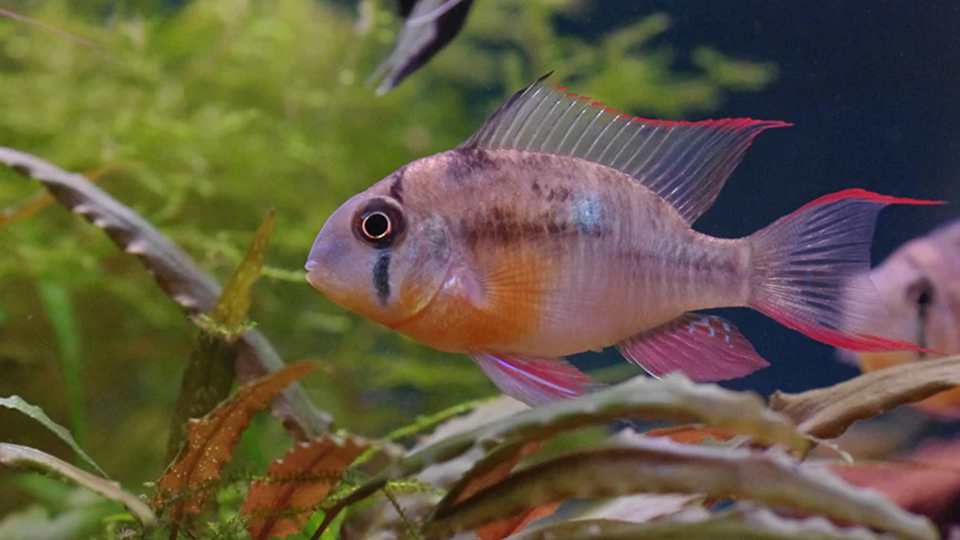
Bolivian Rams are among the most peaceful and beginner-friendly cichlids you can keep. Originating from the calm rivers of South America, they belong to the family Cichlidae and subfamily Geophaginae known for their characteristic behaviour of sifting through the substrate while searching for food.
Key Traits & Appearance:
- Size: Up to 10 cm (4 inches)
- colour: Subtle gold and grey tones with hints of blue and red along the fins
- Temperament: Peaceful, sociable, and adaptable
- Lifespan: 4–5 years
Tank Setup & Companions:
- Tank Size:
- Single fish: Minimum 40 litres
- Pair: 60 litres
- Group (4+): 100 litres or more
- Tankmates: Ideal for community tanks. They get along well with mid-water swimmers such as tetras, danios, and rainbowfish. If adding bottom dwellers, choose sturdy species like Corydoras catfish that can hold their ground.
- Aquascaping Tips: Use fine sand or smooth gravel so they can exhibit their natural substrate-sifting behaviour. Add plants, driftwood, and hiding caves for comfort and security.
Feeding & Diet:
- Accepts a wide range of foods, including sinking flakes, pellets, and wafers.
- Since they are not surface feeders, push flakes slightly underwater.
- Supplement their diet occasionally with frozen or live foods such as bloodworms or brine shrimp.
Water Parameters:
- Ammonia & Nitrite: 0 ppm
- Nitrate: < 20 ppm
- pH: 6.0–7.5
- Temperature: 26–28 °C
Why They’re Great for Beginners:
- Peaceful and easy to manage in community tanks
- Hardy and tolerant of slight variations in water quality
- Active and interactive personalities that make them enjoyable to observe
2. Checkerboard Cichlid (Dicrossus filamentosus)
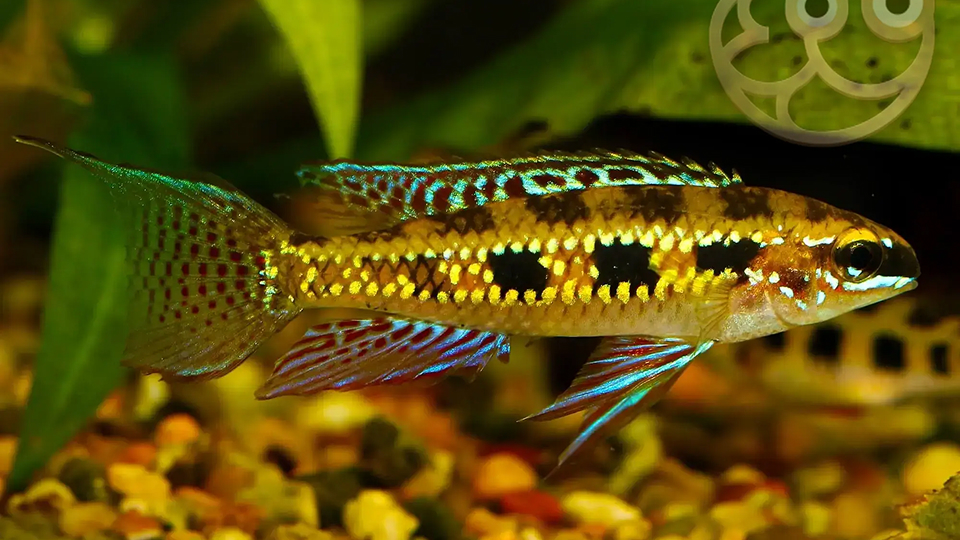
The Checkerboard Cichlid is a striking dwarf species from the blackwater streams of Brazil, known for its elegant checker-like pattern and long fin extensions. Despite their beauty, they remain small, making them a suitable choice for smaller aquariums.
Key Traits & Appearance:
- Size: Males up to 10 cm; females around 6 cm
- Pattern: Distinct black-and-white chequered design
- Temperament: Peaceful yet territorial during breeding
- Lifespan: 3–5 years
Tank Setup & Companions:
- Tank Size:
- Female groups: Minimum 80 litres
- Male groups: 120 litres (to allow territorial spacing)
- Tankmates: Works well with calm, robust community fish that are not small enough to be seen as prey; think rasboras, hatchetfish, or small loaches.
- Aquascaping Tips:
- Create a dimly lit aquarium with driftwood, leaf litter, and live plants to simulate their natural blackwater habitat.
- Ensure plenty of hiding spaces using rocks or caves to reduce stress.
Feeding & Diet:
- Strictly carnivorous, preferring a protein-rich diet.
- Offer frozen or live foods like bloodworms, brine shrimp, or daphnia.
- Supplement with high-quality carnivore pellets for balanced nutrition.
Water Parameters:
- pH: 5.5–7.0 (prefer slightly acidic water)
- Temperature: 26–30 °C
- Lighting: Low to moderate; tannin-rich water preferred
Why They’re Great for Beginners:
- Compact size, suitable for modest tank setups
- Peaceful nature when kept in well-structured community tanks
- Beautiful colouration that adds vibrance without aggression
Pro Tip:
For breeding, aim for softer, more acidic water conditions (pH closer to 5.0–6.0) and maintain stable temperatures around 28°C to encourage spawning behaviour.
3. Lemon Cichlid (Neolamprologus leleupi)
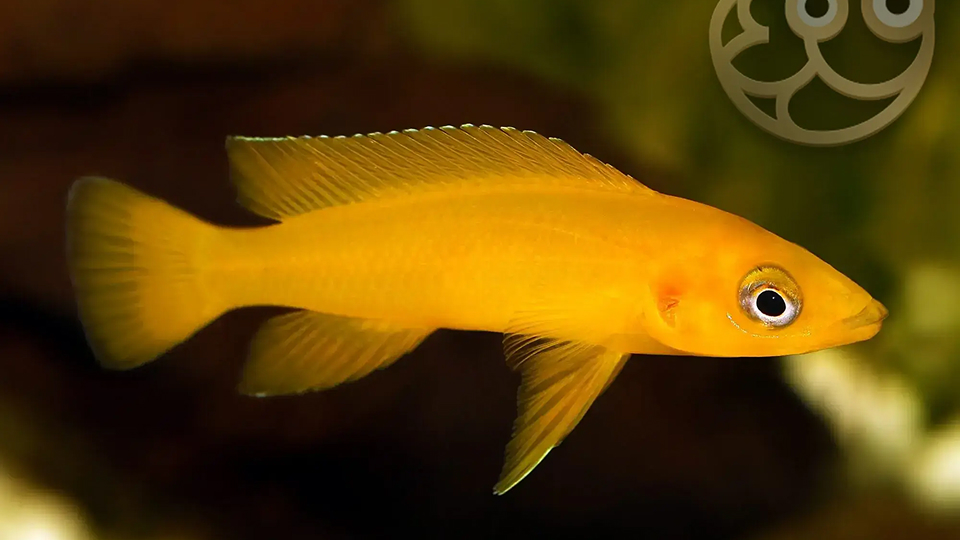
Bright, bold, and strikingly beautiful, the Lemon Cichlid is a ray of sunshine in any aquarium. Native to Lake Tanganyika in Africa, this species stands out for its brilliant yellow hue, sleek body, and spirited yet manageable behaviour. Despite their vibrant looks, they don’t require a massive tank, making them a great option for intermediate beginners.
Key Traits & Appearance:
- Size: Up to 10 cm (4 inches)
- colour: Intense lemon-yellow with a metallic sheen
- Temperament: Semi-aggressive but manageable in the right setup
- Lifespan: Around 8–10 years with proper care
Tank Setup & Companions:
- Tank Size:
- Pair: Minimum 50 litres
- Group: At least 150 litres (to reduce territorial aggression)
- Aquascaping Tips:
- Provide rock caves, crevices, and hiding spots using stacked stones to mimic their natural rocky habitat.
- Keep open swimming spaces for free movement.
- Tankmates:
- Compatible with other small Tanganyikan cichlids of similar temperament.
- Can be housed with robust catfish that stay near the bottom.
- Avoid delicate community fish; they’re too gentle to handle the Lemon Cichlid’s assertive personality.
Feeding & Diet:
- Omnivorous, enjoys a mix of flakes, frozen foods, and occasional live treats.
- Offer brine shrimp, mysis shrimp, and quality cichlid pellets to enhance colour.
- If wild-caught, they may initially prefer live food until acclimated.
Water Parameters:
- pH: 7.8–9.0 (highly alkaline water preferred)
- Temperature: 24–26 °C
- Hardness: Medium to hard water
- Ammonia/Nitrite: 0 ppm
Why They’re Great for Beginners:
- Small and easy to maintain
- Hardy, with a long lifespan and stunning colouration
- Perfect for those seeking a taste of Tanganyikan diversity
Pro Tip:
Add plenty of caves and territorial markers; this helps reduce aggression and creates a more peaceful, balanced tank environment.
4. Angelfish (Pterophyllum scalare)
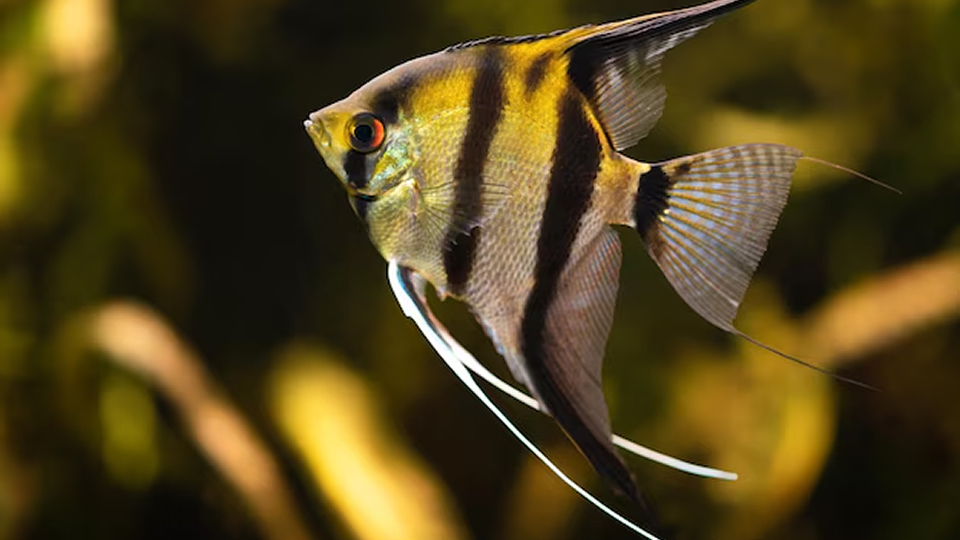
Elegant, graceful, and iconic, the Angelfish is often the centrepiece of any freshwater aquarium. With their tall, triangular fins and calm, gliding movements, these South American natives add sophistication and beauty to a community setup. Though slightly larger than most beginner species, their peaceful temperament and adaptability make them a popular first choice for aquarists.
Key Traits & Appearance:
- Size: Up to 15 cm (6 inches) in both length and height
- colour: Wide range, silver, black, marbled, koi, and veil varieties
- Temperament: Peaceful but territorial during breeding
- Lifespan: 8–12 years
Tank Setup & Companions:
- Tank Size:
- Single/Pairs: Minimum 150 litres
- Small Group: At least 215 litres with vertical height preference
- Aquascaping Tips:
- Use tall plants, driftwood, and broad leaves for resting.
- Maintain a gentle water flow to mimic their slow-moving Amazon habitats.
- Tankmates:
- Works well with tetras, Corydoras, rainbowfish, and peaceful barbs.
- Avoid fin-nippers or overly active species.
- During breeding, angelfish can become aggressive; ensure ample hiding spots for tankmates.
Feeding & Diet:
- Omnivorous and easy to feed.
- Enjoys flakes, granules, and frozen foods such as bloodworms and daphnia.
- Include vegetable-based foods occasionally to maintain digestive health.
Water Parameters:
- pH: 6.5–7.5
- Temperature: 26–28 °C
- Water Quality: Clean, stable, and well-filtered environment
Why They’re Great for Beginners:
- Hardy and adaptable to varied tank conditions
- Calm and majestic presence that elevates aquarium aesthetics
- Easy to feed and maintain in a peaceful community setup
Pro Tip:
Choose a tall aquarium; their unique body shape needs vertical swimming space. Keep a pair or trio for balance and avoid overcrowding to maintain harmony.
5. Gold Fire Dwarf Cichlid (Apistogramma agassizii ‘Gold Fire’)
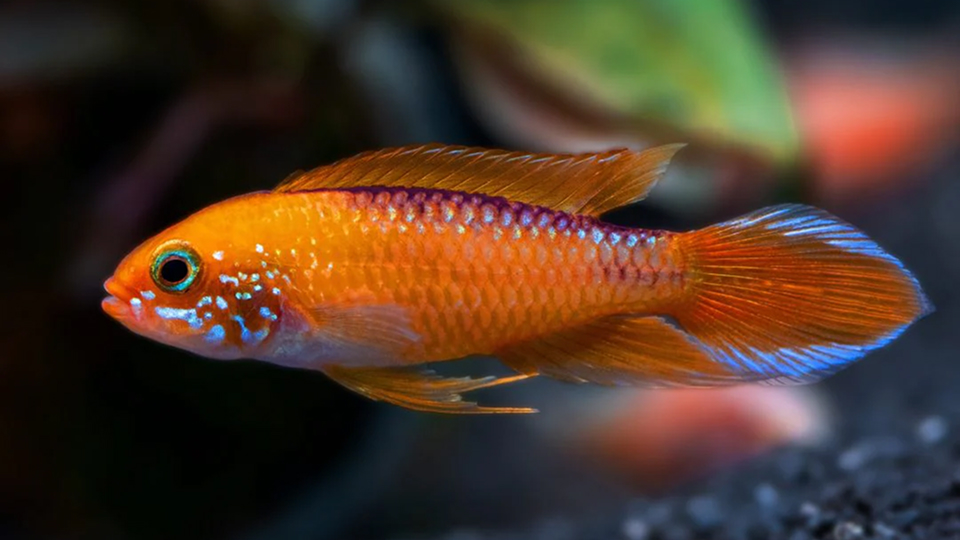
Vibrant, compact, and full of personality, the Gold Fire Dwarf Cichlid is a gem among small freshwater fish. Originating from the calm tributaries of the Amazon Basin, this species is adored for its brilliant gold hue, fiery red highlights, and dynamic behaviour. It’s an excellent choice for aquarists who want a colourful display fish without needing a large aquarium.
Key Traits & Appearance:
- Size: Around 8 cm (3 inches) max
- colour: Bright golden body with red-tipped fins and iridescent blue flashes
- Temperament: Mildly territorial, especially during breeding
- Lifespan: 5–7 years
Tank Setup & Companions:
- Tank Size:
- Group (1 male with 4–5 females): Minimum 80 litres
- Avoid multiple males in small tanks to prevent dominance clashes.
- Aquascaping Tips:
- Include dense plants, driftwood, and leaf litter to replicate their natural, shaded Amazon habitat.
- Add caves or coconut shells to provide hiding spots and breeding areas.
- Tankmates:
- Ideal with armoured catfish (Corydoras) and small, fast-moving tetras.
- Avoid slow or delicate fish that might get harassed during mating periods.
Feeding & Diet:
- Carnivorous, prefers meaty foods.
- Offer a varied diet of high-quality flakes, micro-pellets, bloodworms, and brine shrimp.
- Feed small portions twice daily to maintain colour vibrancy and energy.
Water Parameters:
- pH: 6.0–7.0
- Temperature: 23–28 °C
- Nitrates: Keep close to zero for optimal health
- Water Type: Soft, slightly acidic water mimics their natural environment
Why They’re Great for Beginners:
- Compact and stunningly colourful
- Adaptable to moderate tank sizes
- Peaceful enough for small community aquariums
Pro Tip:
To truly bring out their golden sheen, use a dark substrate and gentle lighting; it enhances their reflective scales and gives your aquarium a striking contrast.
6. Fairy Cichlid (Neolamprologus brichardi)
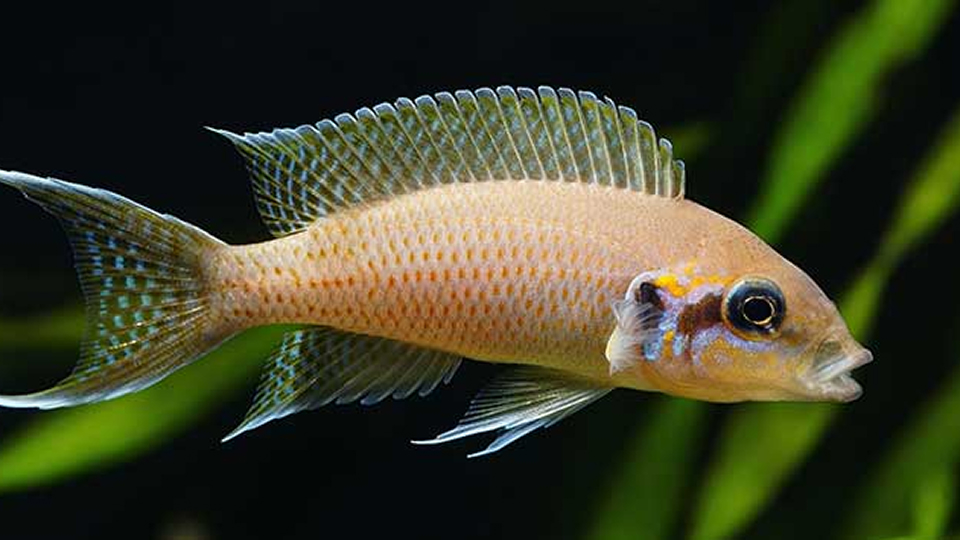
Graceful, elegant, and fascinating to watch, the Fairy Cichlid (also known as the Princess of Burundi) lives up to its charming name. Native to Lake Tanganyika, this species is famous for its unique family-based social structure, where older offspring help care for younger fry. Their soft, pale bodies and trailing fins make them one of the most elegant small cichlids you can keep.
Key Traits & Appearance:
- Size: Up to 10 cm (4 inches), often smaller in captivity
- colour: Silvery-white to pale gold with blue highlights and long, flowing fins
- Temperament: Semi-aggressive but calm within their own group
- Lifespan: Up to 8–10 years
Tank Setup & Companions:
- Tank Size:
- Group of six or more: Minimum 100 litres
- With tankmates: At least 200 litres
- Aquascaping Tips:
- Use rocky structures and caves to mimic Tanganyikan shorelines.
- Maintain open areas for free swimming while ensuring plenty of hiding spots for fry.
- Tankmates:
- Best kept with its own species or robust catfish that can handle mild territorial behaviour.
- Avoid delicate or small community fish that may get chased.
Feeding & Diet:
- Omnivorous, thrives on a balanced mix of plant and protein-based foods.
- Feed flakes, pellets, and occasional frozen brine shrimp or bloodworms.
- Supplement with spirulina or algae-based foods for better colour and digestion.
Water Parameters:
- pH: 8.0–8.5 (alkaline water is essential)
- Temperature: 24–26 °C (though tolerates 14–26 °C)
- Hardness: Medium to hard
- Water Flow: Gentle, well-oxygenated environment preferred
Why They’re Great for Beginners:
- Hardy and long-lived
- Captivating social behaviour, perfect for observation
- Compatible with many other Tanganyikan species
Pro Tip:
Provide multiple rock caves and line-of-sight breaks. Fairy cichlids thrive in colonies and establish mini territories without clashing if they have enough hiding zones.
7. Electric Blue Acara (Andinoacara pulcher)
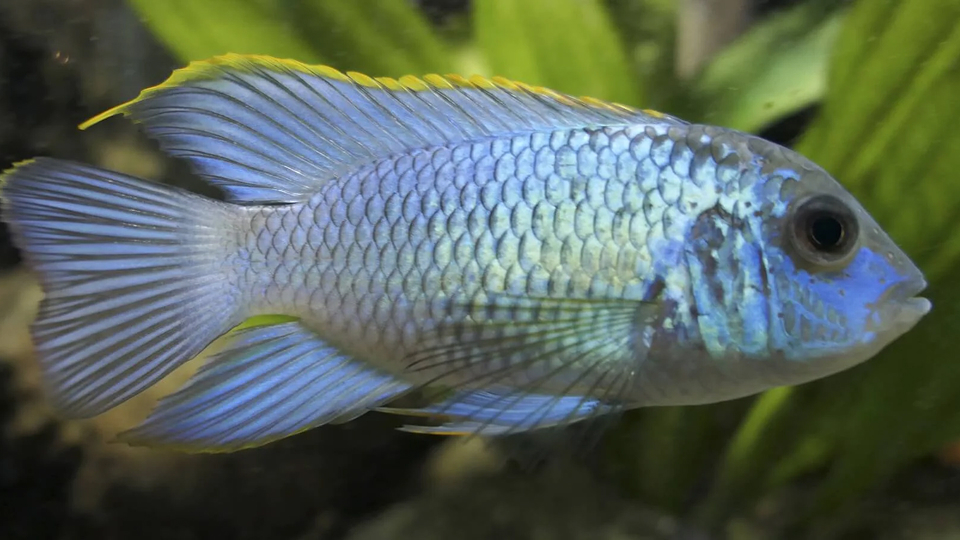
The Electric Blue Acara is a true showstopper among cichlids, vibrant, intelligent, and relatively peaceful compared to many of its cousins. Originating from the calm waters of Central and South America, this fish brings both colour and character to any aquarium, making it a rewarding choice for aquarists ready to move a step up from beginner fish.
Key Traits & Appearance:
- Known for its striking electric blue hue and graceful movement.
- Reaches up to 17 cm in length, with males generally larger and more vivid in colour.
- Exhibits an engaging and curious personality, often interacting with its keeper.
Tank Setup & Companions:
- A 120-litre tank is suitable for one specimen; a 200-litre or larger setup is ideal for a small group.
- Peaceful but should be housed with robust tankmates like catfish or larger community fish to avoid intimidation.
- Avoid housing with small or delicate species, as minor aggression can cause harm due to their size.
Feeding & Diet:
- Omnivorous, enjoys flakes, granules, and small pellets, along with occasional frozen or live foods.
- A varied diet enhances their colours and maintains vitality.
Water Parameters:
- Temperature: 24–28°C
- pH: 6.5–7.5
- Water Quality: Keep ammonia and nitrite at zero with minimal nitrates for best health.
Why They’re Great for Beginners:
Electric Blue Acaras are relatively hardy and less aggressive than most large cichlids, offering an ideal introduction to medium-sized species. Their calm nature and adaptability make them forgiving for hobbyists learning the nuances of cichlid care.
Pro Tip:
Add some driftwood, rocks, and plants to create shaded territories; it helps reduce any territorial tension and lets your acara display its full natural behaviour.
8. Kribensis (Pelvicachromis pulcher)
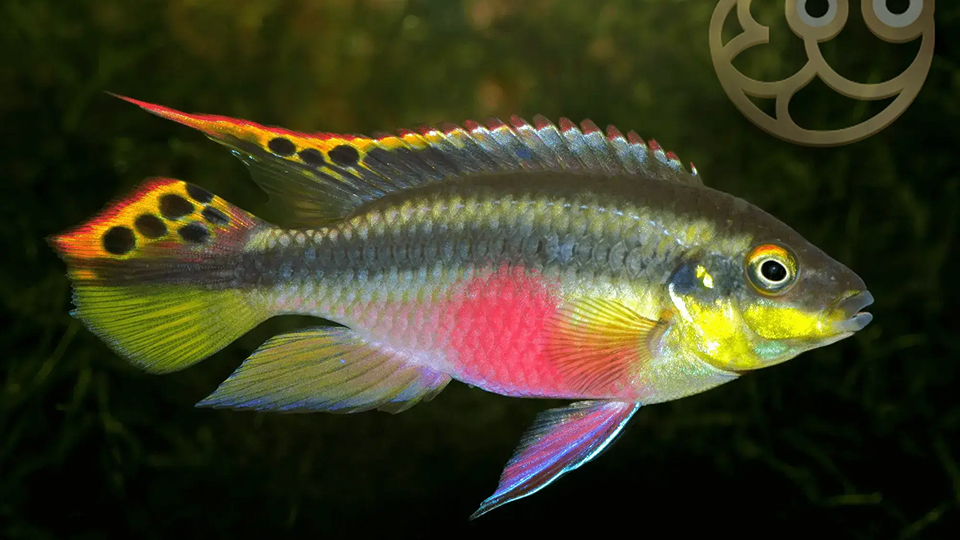
The Kribensis, also known as the Rainbow Krib, is a delightful and colourful West African cichlid known for its peaceful temperament and easy breeding habits. They’re small, active, and one of the best starter species for anyone curious about cichlid behaviour without the usual aggression challenges.
Key Traits & Appearance:
- Compact in size, growing up to 13 cm, though most remain smaller in aquariums.
- Males are longer and more streamlined, while females are shorter, plumper, and have a distinct pink belly, especially when ready to breed.
- Beautifully patterned with iridescent scales and a calm demeanor.
Tank Setup & Companions:
- A minimum of 80 litres works well for a pair or single fish.
- Provide hiding spots using caves, driftwood, or plants; they love secure retreats.
- Good tankmates include plecos, larger tetras, or peaceful bottom dwellers that can handle mild territorial behaviour during breeding.
Feeding & Diet:
- Omnivorous and non-picky, it thrives on flakes, pellets, and frozen foods like brine shrimp or bloodworms.
- Regularly rotate food types to keep them healthy and enhance their colouration.
Water Parameters:
- Temperature: 24–28°C
- pH: 6.5–7.5
- Maintain clean water and stable conditions for stress-free breeding and growth.
Why They’re Great for Beginners:
Kribensis are incredibly hardy, peaceful, and easy to breed, making them ideal for first-time cichlid owners. Their manageable size and low aggression levels allow them to thrive in community tanks without much fuss.
Pro Tip:
If breeding, provide small clay pots or caves; Kribensis are cave spawners, and you’ll likely wake up to baby fry in no time!
9. Jewel Cichlid (Hemichromis bimaculatus)
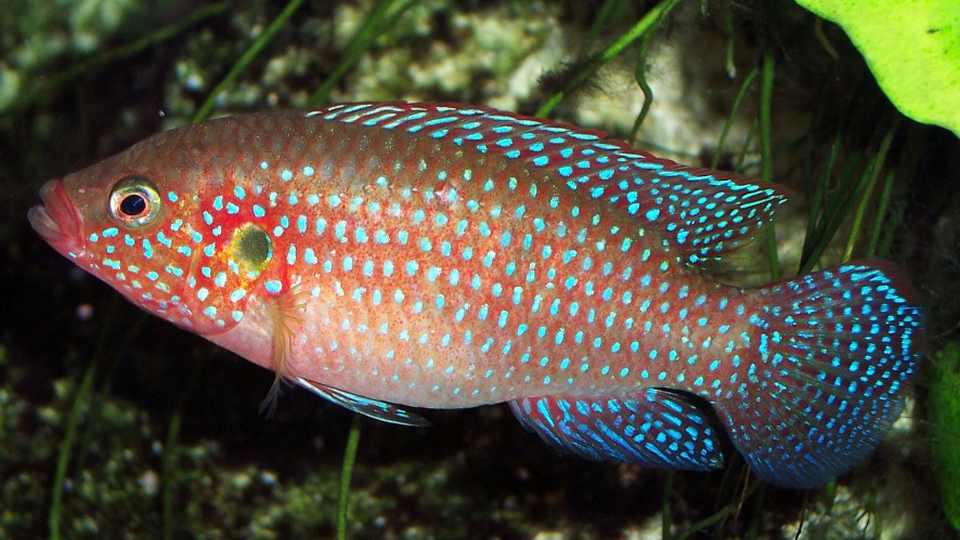
The Jewel Cichlid is an absolutely stunning species, well-known for its vibrant red and blue iridescent scales that sparkle under aquarium lights. While they can be fiery in temperament, they’re also highly rewarding for aquarists who enjoy observing active and colourful fish behaviour.
Key Traits & Appearance:
- Glistening red body with speckles of blue and green that resemble tiny jewels.
- In the wild, they can grow up to 30 cm, but in aquariums, they typically reach around 12–15 cm.
- Males tend to be slightly larger and more vividly coloured than females, especially during breeding.
Tank Setup & Companions:
- Ideal for pairs only, as they can become extremely territorial during spawning.
- A minimum of 150 litres is required for a bonded pair.
- Avoid keeping them with other fish unless you have a very large tank and plan to house them with robust bottom-dwellers like certain catfish.
- Provide plenty of rocks, caves, and hiding spaces to reduce aggression.
Feeding & Diet:
- Omnivorous and easy to feed.
- Offer a variety of flakes, pellets, and frozen foods such as bloodworms and brine shrimp.
- A diverse diet enhances their colouration and keeps them healthy.
Water Parameters:
- pH: 6.5–7.5
- Temperature: 24–26°C
- Keep water clean and stable, as fluctuations can stress the fish and increase aggression.
Why They’re Great for Beginners:
- Hardy and adaptable once water conditions are stable.
- Visually stunning, making them a centrepiece in smaller cichlid setups.
- Perfect for hobbyists who prefer keeping a single-species aquarium.
Pro Tip:
If you plan on keeping a pair, introduce them when young so they can bond naturally, adult introductions often lead to territorial fights.
10. Keyhole Cichlid (Cleithracara maronii)
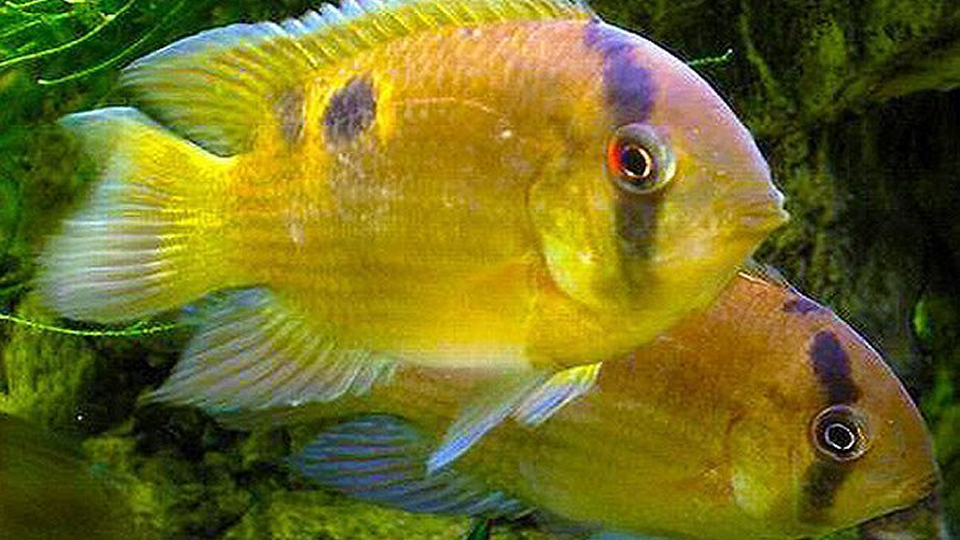
The Keyhole Cichlid is often admired for its gentle temperament and subtle beauty, making it a fantastic option for those new to cichlids. It gets its name from the dark, keyhole-shaped marking on its side, adding a touch of uniqueness to any community aquarium.
Key Traits & Appearance:
- Peaceful and mild-mannered compared to most cichlids.
- Grows up to 13 cm, with males slightly larger and more elongated.
- Pale yellow or tan body with a distinct keyhole mark and expressive eyes.
Tank Setup & Companions:
- Can be kept alone or as bonded pairs; pairs tend to form lifelong bonds.
- A minimum of 60 litres is suitable for a single fish, but pairs need around 215 litres.
- Ideal tankmates include larger tetras, catfish, or peaceful cichlids that won’t nip fins or compete for territory.
- Add plants, driftwood, and soft substrates to mimic their natural habitat and provide security.
Feeding & Diet:
- Omnivorous and easy to feed.
- Accepts flakes, pellets, granules, and frozen foods such as brine shrimp and daphnia.
- Rotate between food types to maintain colour and vitality.
Water Parameters:
- pH: 6.0–7.0
- Temperature: 23–26°C
- Prefers soft, slightly acidic water with low current.
Why They’re Great for Beginners:
- Exceptionally peaceful and community-friendly, even during breeding.
- Hardy and tolerant of minor water fluctuations.
- Perfect for those wanting a low-stress introduction to cichlid care.
Pro Tip:
Keep lighting moderate and provide shaded areas, Keyhole Cichlids can become shy under bright lights and will appreciate darker, calmer spaces.
Cichlid Corner at Aquarium Paradise
At Aquarium Paradise, you don’t just see marine life; you also get to meet some of the most vibrant freshwater stars in the Cichlid Corner. This section features a variety of colourful and energetic species, including:
- Red Devil Cichlid – Fiery and bold with a striking orange-red hue.
- Texas Cichlid – Shimmering blue-green beauty from North America.
- Zebra & Convict Cichlids – Classic striped favorites, small yet full of energy.
- Jaguar & Cuban Cichlids – Rare, spotted, and absolutely captivating.
- Firemouth Cichlid – Famous for its bright red throat and bold displays.
Location: Near Fun World Complex, Jayamahal Main Road, Opp. TV Tower, Bengaluru
Timings: 10:30 AM – 8:00 PM (Ticket counter closes at 7:15 PM)
Tickets:
Each of these cichlids adds a burst of colour and personality to the tanks, making the exhibit a must-see for anyone curious about freshwater life. Don’t miss it, the Cichlid Corner at Aquarium Paradise is where vibrant patterns and playful behaviour come alive!
Final Thoughts
If you’re looking for an extraordinary aquatic adventure, Aquarium Paradise is your perfect destination. From the mesmerising 180° underwater tunnel to the graceful dance of jellyfish, every corner invites you to pause, marvel, and reconnect with the beauty of marine life. Whether you’re captivated by the vibrant Cichlid Corner, the elegant mermaid performances, or the serene ocean lounge views, this attraction is designed to delight all ages.
Beyond its visual splendor, Aquarium Paradise is an immersive experience, where education meets entertainment and every visit feels like a journey beneath the waves. It’s not just a day out; it’s a moment to unwind, explore, and create memories that will stay with you long after you leave.
Plan your visit today and discover why Aquarium Paradise is Bengaluru’s ultimate escape into the underwater world.
FAQs
1. What makes Aquarium Paradise different from other aquariums?
Aquarium Paradise features India’s longest 180° underwater tunnel, a rare collection of cichlid species, and interactive exhibits that combine learning with fun for all age groups.
2. Can children and families enjoy this aquarium?
Definitely! It’s a family-friendly destination with safe, engaging attractions, making it ideal for kids, parents, and even grandparents.
3. Are there live shows or interactive experiences?
Yes! Don’t miss the Mermaid Show, performed by professional swimmers, and the fish feeding sessions, which offer a closer look at aquatic life.
4. Is it necessary to book tickets in advance?
Advance booking is recommended to avoid queues and also enjoy a 10% pre-booking discount on weekend and holiday rates.
5. What’s the best time to visit Aquarium Paradise?
Early afternoons or evenings are ideal to enjoy all attractions at a comfortable pace without large crowds.

.webp&w=3840&q=75)




%201.webp&w=3840&q=75)