Best Marine Aquariums for Beginners: Your Simple Starter Guide
By Anurag Kamboj, Writer, Aquarium Paradise
Published
Saltwater aquariums are commonly seen as high-maintenance and risky for beginners. However, when problems occur, they usually trace back to one simple issue: poor planning around tank size, filtration, and how fish are introduced. Do those three things right, and a marine aquarium becomes a calm, repeatable system you can manage easily.
You also don’t need rare, high-maintenance species to make it work. Globally, the marine aquarium trade involves roughly 30 million reef fish across ~1,800 species each year, which means there are plenty of hardy, beginner-friendly options if you choose them wisely.
This guide keeps it simple: right tank, right fish, right guidance, so your first marine setup feels exciting, not stressful.

Child Ticket - Aquarium Paradise

Adult Ticket - Aquarium Paradise
FUNWEDNESDAY – Buy 1, Get 1 Free
Key Highlights
- Beginner success depends on three basics: the right tank size, simple filtration, and a realistic stocking order.
- Marine aquariums are beginner-friendly thanks to hardy fish options, modern equipment, and compact setups that suit small spaces.
- A good starter tank prioritizes stability, not size, with 30–50 gallons offering the easiest learning curve for first-timers.
- Beginner-friendly setups like all-in-one tanks and fish-only systems reduce complexity and make weekly maintenance predictable.
- Seeing real marine aquariums first, such as at Aquarium Paradise, helps beginners understand scale, behavior, and proper setup planning.
Why Marine Aquariums Are a Great Choice for Beginners
More first-time hobbyists are starting with saltwater for a simple reason: the results feel rewarding quickly when you follow a basic setup path. Marine tanks also offer a wide range of hardy, beginner-friendly species and are supported by a large, well-established global hobby community.
- They are calming and visually stunning: Marine aquariums are made to be watched. Research and reviews link aquarium viewing to reduced stress, lower blood pressure, and improved mood. A saltwater tank becomes more than decoration; it often turns into a daily moment of calm in the home.
- Modern equipment makes consistency easier: Today’s beginner-friendly equipment removes much of the guesswork older setups relied on. Better filtration, stable heating, steady water movement, and automated lighting help maintain consistency, which marine life depends on. With fewer fluctuations, ongoing maintenance becomes simpler and more predictable.
- Small setups are now genuinely beginner-friendly: You no longer need a large space to start a marine aquarium. Well-planned compact systems encourage good habits early, such as controlled feeding, realistic stocking, and regular water testing. While small tanks still need discipline, the process is clearer, and the equipment footprint is manageable.
- They are educational and relaxing for homes and kids
A marine aquarium naturally introduces concepts like biology, animal behavior, and responsibility through routine care. At the same time, its calming visual presence makes it a positive daily habit for both adults and children, combining learning with relaxation.
Also Read: Top 10 Smallest Fish in the World You Won’t Believe
What Makes a Marine Aquarium Beginner-Friendly?
Before you pick a tank brand or model, get clear on what “beginner-friendly” actually means. It is not about being the cheapest or the smallest. It is about stability, simplicity, and margin for error.
1) A tank size that forgives mistakes
A bigger water volume is more stable. That matters because beginners usually make the same early mistakes: overfeeding, adding fish too fast, missing a top off, or delaying a water change.
- A tank that is big enough to buffer small errors
- Enough space to keep fish stress low and aggression manageable
- Room for proper equipment, not cramped add-ons
2) Stable water conditions you can maintain weekly
Beginner success comes from keeping the basics steady, not from chasing perfect numbers every day. A beginner-friendly marine tank is one where you can maintain consistency with a simple routine.
- Consistent temperature and consistent salinity
- Predictable filtration performance
- A realistic stocking plan that matches the tank’s capacity
- Stability over complexity
- Fewer fish were added slowly, and not many fish were added early
- simple testing habits so you catch issues before they become losses
3) Filtration that is simple, accessible, and easy to clean
A beginner-friendly filtration system is not the one with the most features. It is the one you will actually maintain without skipping steps.
- Mechanical removal of visible waste
- Biological filtration capacity for ammonia and nitrite control
- Easy access for cleaning sponges, socks, or media without dismantling the whole setup
4) Fish compatibility that stays low maintenance
Many “beginner losses” happen because the fish list was unrealistic for the tank size, tank maturity, or temperament mix. Beginner-friendly means choosing fish that are hardy, peaceful, and compatible with a new tank’s rhythm.
- Hardy species that handle normal beginner learning curves
- Calm behavior that reduces chasing and stress
- Similar feeding needs, so one fish does not starve while another overeats
- Compatibility with the tank size and with each other
If you want, share the tank size you are considering and whether you prefer fish-only or reef later, and I will give you a safe beginner stocking order that matches it.
Best Marine Aquarium Sizes for Beginners
Tank size shapes your entire experience with a marine aquarium. It affects stability, maintenance effort, cost, and how forgiving the system is when you make early mistakes. Thinking in real-life scenarios helps you choose a size that fits your space, time, and learning curve.
1. Nano tanks 10–20 gallons
Nano marine tanks appeal because they look compact and affordable. They work best for hobbyists who enjoy hands-on care and can follow a tight maintenance schedule.
- Fitting into apartments, desks, or small living areas
- Supporting a small number of hardy fish or invertebrates
- Offering quick visual rewards once established
A nano tank suits someone who can test water regularly, top off frequently, and keep the setup intentionally simple. It is not ideal if you want flexibility or plan to add fish often.
2. Medium tanks 30–50 gallons
This range hits the sweet spot between stability and manageability. The extra water volume smooths out beginner errors without turning maintenance into a major project.
- Salinity and temperature stay stable longer
- More forgiving if feeding or maintenance is slightly delayed
- Space for proper filtration and water movement
- Flexibility to build a calm, compatible fish community
If you want a visually impressive tank in a living room or common area, with weekly maintenance that feels routine rather than stressful, this size range is usually the safest starting point.
3. Why very large tanks are not ideal for first timers
Large marine aquariums look impressive, but they multiply complexity. More water means more equipment, more planning, and higher consequences when something goes wrong.
- Higher upfront and running costs
- Complex plumbing and electrical setups
- Longer correction times if the water quality drops
- More difficult cleaning and water changes
Very large tanks make sense once you understand marine systems and want scale. As a first tank, they often overwhelm beginners and turn a hobby into a burden instead of a routine.
Also Read: Best Aquarium Temperature for Fish Tanks
Popular Beginner Marine Aquarium Setups
Once the tank size is clear, the next question is setup type. Beginners tend to do best with systems that reduce decisions early and make maintenance predictable. Below are the most common beginner-friendly marine aquarium setups, explained in practical terms.
1. All-in-one marine aquariums
All-in-one systems come with filtration built into the tank, usually hidden behind a rear chamber. This removes the need to plan plumbing or external sumps from day one.
- Filtration, heater space, and media are already accounted for
- Cleaner look with fewer visible wires and pipes
- Easier setup, and faster learning curve
If this is your first marine tank and you want a controlled, tidy system that works out of the box, an all-in-one setup is one of the safest choices.
2. Nano reef tanks
Nano reef tanks focus on small-scale reef life with minimal fish. They can be beginner-friendly when expectations are realistic.
- Soft corals and hardy beginner coral species
- Minimal fish load to reduce waste
- Strong lighting designed for coral growth
A nano reef works for someone who enjoys observation and routine care and is comfortable keeping the system intentionally light and simple.
3. Fish only saltwater tanks
Fish-only setups skip corals and focus on hardy marine fish. This removes lighting and coral compatibility from the equation.
- less sensitivity to lighting mistakes
- Easier feeding and stocking choices
- Simpler maintenance routines
If your goal is enjoying marine fish behavior without coral complexity, this is often the most stress-free starting point.
4. Reef-ready starter kits
Reef-ready kits are designed to support corals later, even if you start with fish only. They usually include stronger lighting and sump compatibility.
- flexibility to transition into reef keeping later
- Better long-term equipment investment
- Fewer limitations as experience grows
This setup suits beginners who know they want to grow into reef keeping but prefer to start slow and build confidence first.
Beginners succeed when the setup matches their time, space, and patience level. All-in-one and fish-only systems are the easiest starting points, while nano reefs and reef-ready kits reward planning and consistency. Choosing the right setup early prevents frustration later.
Also Read: How to Feed Bloodworms to Aquarium Fish?
Beginner Marine Fish That Thrive in Small Aquariums
Fish choice is one of the biggest factors that determines whether a beginner's marine tank stays stable or becomes stressful.
In small aquariums, success comes from choosing species that are hardy, calm, and well-suited to limited space. Below are beginner-proven marine fish that consistently do well when stocked responsibly.
a. Clownfish
Clownfish are often recommended first for good reason. They adapt well to captive conditions and tolerate minor beginner learning curves better than many marine species.
- Handle stable beginner tanks well once cycled.
- Accept prepared foods easily
- Do not require a large swimming space
Best fit: Small to medium tanks where you want personality without complex care.
b. Gobies
Gobies are ideal for small aquariums because they stay small and focus on specific zones of the tank, often near the sand bed or rocks.
- Gentle temperament reduces stress in the tank
- Low waste output helps keep water stable
- Interesting behavior without constant movement
Best fit: Nano and medium tanks where calm community behavior is the goal.
c. Damselfish
Damselfish are frequently sold as beginner fish because they survive tough conditions. Survival, however, is not the same as long-term success.
When they can work:
- Choose smaller, less aggressive species
- Keep only one in a small tank
- Add them last to avoid territorial dominance
Best fit: Experienced beginners who understand stocking orders and are prepared to manage aggression.
d. Cardinalfish
Cardinalfish are excellent for beginners who want peaceful tank dynamics. They are less active swimmers, which makes them suitable for smaller aquariums.
- Low aggression toward tank mates
- Predictable feeding behavior
- Tolerate smaller spaces better than fast swimmers
Best fit: Small tanks focused on calm, low-conflict communities.
Common Beginner Mistakes to Avoid
Avoid these early mistakes and your tank stays stable, your fish stay healthier, and troubleshooting becomes rare instead of constant.
For beginners who want that real-world reference, places like The Aquarium Paradise offer an opportunity to see marine systems functioning as complete ecosystems. This kind of exposure often helps first-time hobbyists make better choices at home, from tank size to fish selection, without learning the hard way.
Learning Marine Aquarium Basics Through Real-World Observation at Aquarium Paradise
For beginners, seeing a full-scale aquarium in action makes it much easier to understand how tank size, fish behaviour, and long-term stability work together. Aquarium Paradise offers a practical, visual way to observe these fundamentals without the pressure of maintaining a tank yourself.
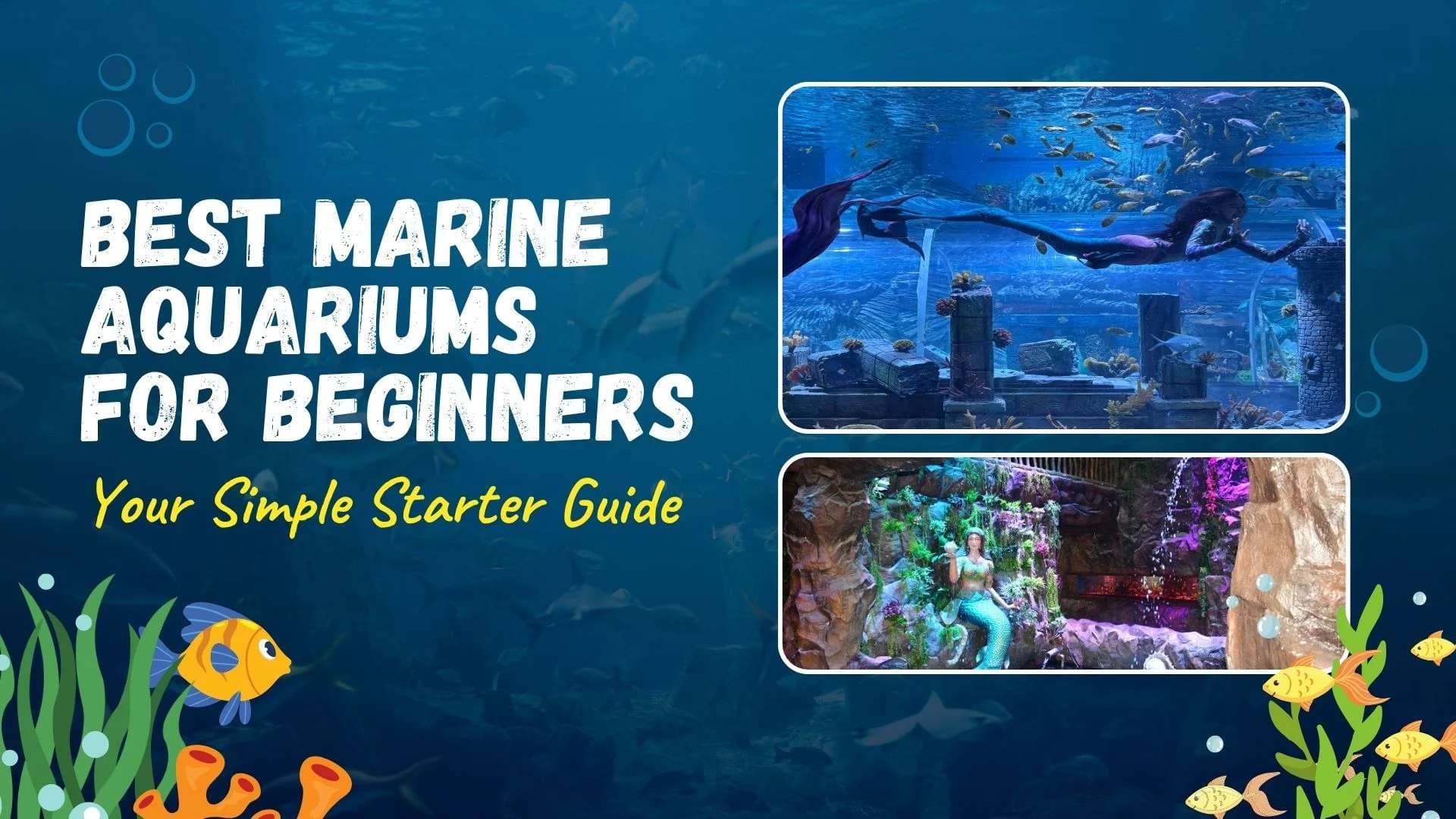
- Understanding Scale Through the Underwater Tunnel: Walking through the long underwater tunnel gives a clear sense of swimming space and fish movement. This helps beginners understand why adequate tank size matters and how overcrowding affects behaviour, stress, and long-term health in home aquariums.
- Live Shows That Keep Learning Light and Engaging: Experiences like the mermaid show add an interactive element that keeps children and families engaged. Rather than feeling instructional, these moments encourage curiosity and observation, making marine life easier to connect with for first-time learners.
- Species Awareness Before Making Fish Choices: Dedicated learning areas introduce visitors to different freshwater and marine species, their environments, and compatibility. Browsing these sections helps reduce impulse buying later and encourages beginners to choose hardy, well-suited fish for smaller home setups.
- Guided Learning for Groups and First-Time Hobbyists: For school groups and beginners who learn best with structure, organised visits, and interactive explanations, build confidence around basic care, observation, and responsible fishkeeping without overwhelming detail.
Aquarium Paradise is located on Jayamahal Main Road, opposite the TV Tower, J.C. Nagar, Bengaluru, Karnataka 560006, close to popular family attractions like Fun World and Snow City. Open daily from 10:30 AM to 8:00 PM, with the ticket counter closing at 7:15 PM, making it easy to plan a focused learning visit.
Is a Marine Aquarium Right for You?
Marine aquariums are absolutely achievable for beginners when you keep the plan simple and realistic. Start with a tank size that gives you a margin for error, choose hardy fish that suit small systems, and stay consistent with the basics like feeding and testing. The fastest confidence boost is seeing stable marine setups in real life first because it makes fish behavior, spacing, and layout feel obvious.
Aquarium Paradise is a good place for that kind of exposure, with live marine viewing experiences and scheduled attractions that make learning feel effortless rather than technical.
If you want to explore marine life before you start your own tank, book your Aquarium Paradise tickets today and treat it as a practical reference visit, not just a day out.
FAQs
1) How long does a beginner marine tank take to become stable?
Most tanks need a proper cycling period before fish are added, and stability improves gradually over the first few months. The goal is consistency, not speed.
2) Can I start with a small saltwater tank if I’m a complete beginner?
Yes, but small tanks require stricter routines because parameters change faster. If you want the easiest learning curve, a slightly larger beginner tank is usually more forgiving.
3) What is the number one reason beginner marine tanks fail?
Rushing the process. Adding fish too soon, adding too many at once, or skipping basic testing is what usually creates avoidable losses.
4) Do I need a quarantine tank for just one or two fish?
It’s strongly recommended. Quarantine helps you spot issues early and protects your display tank from diseases that are hard to treat once introduced.
5) How often do I need to change water in a beginner setup?
Most beginners do well with a consistent weekly routine, adjusted based on test results and stocking levels. Regular, smaller changes are easier than rare, big corrections.
Writer, Aquarium Paradise
Anurag Kamboj writes the Aquarium Paradise blog, covering marine life, exhibits, ticket offers and practical tips for planning a family visit to Bengaluru's aquarium.
- Aquariums
- Marine life
- Family days out in Bengaluru
More To Read

6.17.2025
Top 10 Largest Crab Species Worldwide
Compare the largest crab in the world like the Japanese Spider and Coconut Crab. Explore traits, habitats, and conservation efforts. Click to know more!
%201.webp&w=1920&q=75)
9.4.2025
Top 20 Kids' Fun Places in Bangalore in 2026
Find the best kids’ fun places in Bangalore in 2026, from Aquarium Paradise and Snow City to Cubbon Park and Bannerghatta. Indoor & outdoor picks for every age.

5.22.2025
Explore the Mesmerizing Aqua Tunnel in Bengaluru
Discover Bengaluru's Aqua Tunnel, a top tourist spot with stunning aquatic displays and interactive experiences. Plan your visit today!

5.16.2025
Mesmerising Little Mermaid Shows Near You
Discover the magic of Aquarium Paradise in Bangalore with its unique underwater tunnel, mermaid show, and interactive marine experiences. Get more info here.
Recommended for you
Explore more from Aquarium Paradise and related picks tailored to this page.
