.webp&w=1920&q=75)
17 Impactful Field Trip Destinations in Bangalore for Students

Child Ticket - Aquarium Paradise

Adult Ticket - Aquarium Paradise

FUNWEDNESDAY – Buy 1, Get 1 Free
A well-designed field trip can do more than break classroom routine; it can anchor abstract lessons in real environments that students remember. Bangalore offers tightly clustered science hubs, heritage landmarks, research institutes, and ecological zones within a manageable travel time.
For school administrators optimizing learning outcomes, the destinations outlined in this article align with STEM benchmarks, heritage curriculum modules, and experiential learning.
Why Choose Educational Destinations for School Trips?
Choosing the right venue is not about entertainment volume; it is about measurable educational return. Structured exposure to real-world systems increases comprehension depth and student recall accuracy.
Why it matters for schools:
- Improves Concept Retention: Students retain practical demonstrations up to 60% longer than textbook-only instruction.
- Supports NEP Experiential Learning Goals: Aligns with hands-on, inquiry-based education frameworks.
- Encourages Cross-Subject Integration: Museums and heritage sites combine history, science, civics, and environmental studies in one visit.
- Boosts Student Engagement Metrics: Interactive exhibits increase participation and peer discussion.
- Enhances Social Learning Outcomes: Group exploration strengthens collaboration and observation skills.
With learning outcomes in focus, careful logistical and academic planning becomes essential.
5 Tips and Considerations for Planning Your School Trip
A successful field trip requires more than booking tickets. Schools must align logistics, safety compliance, and curriculum objectives before departure.
Execution checklist for coordinators:
- Define Learning Objectives: Map the visit to syllabus chapters and grade-level learning goals.
- Schedule Structured Time Blocks: Allocate guided tour time, reflection sessions, and supervised breaks.
- Ensure Safety Protocols: Confirm group movement plans, emergency exits, and supervision ratios.
- Pre-Visit Orientation: Brief students on expected learning outcomes and behaviour benchmarks.
- Post-Visit Debrief: Conduct worksheets or presentations to reinforce applied learning.
Once objectives and logistics are aligned, selecting the right venues becomes the next priority.
Top 17 Educational Destinations in Bangalore Perfect for School Trips
Selecting the right venue can directly influence how effectively students absorb and retain real-world knowledge. Bangalore offers a concentrated mix of science institutions, heritage sites, ecological parks, and experiential museums designed for structured academic exposure.
1. Aquarium Paradise
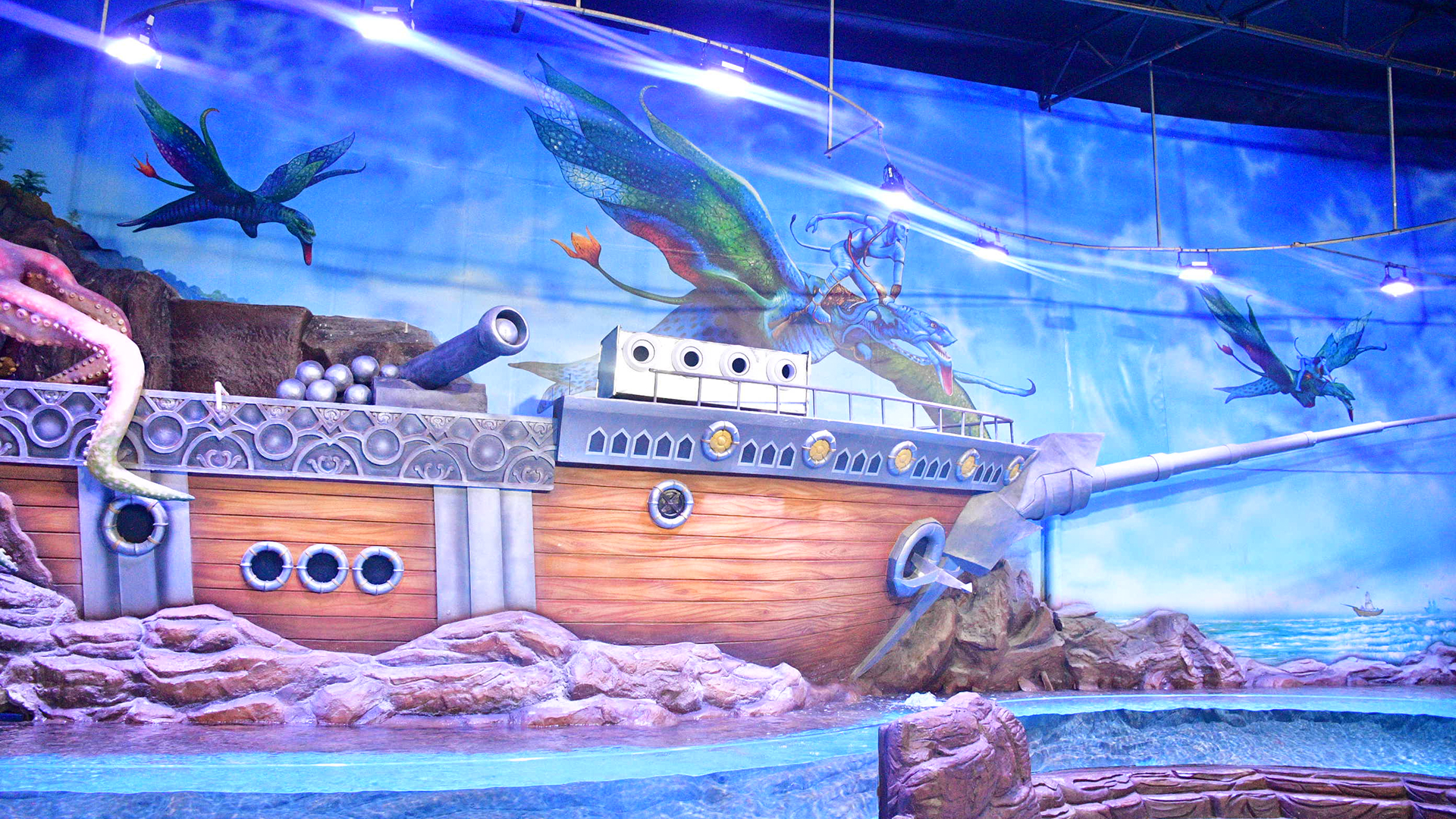
When schools look for top educational destinations in Bangalore, they often balance safety, engagement, and curriculum relevance. Aquarium Paradise, opened on 21 March 2025 near Fun World Complex, delivers all three inside a structured, climate-controlled environment. It explores marine biology, habitat engineering, and conservation theory in a walk-through visual learning experience that students can actually absorb.
Built using state-of-the-art aquarium engineering, Aquarium Paradise houses freshwater and marine species in life-size tanks and overhead aquatic tunnels. The layout supports supervised group movement, scheduled sessions, and structured pauses, making it ideal for primary, middle, and high school batches. With operating hours from 10:30 AM to 8:00 PM (ticket counter closes at 7:15 PM), it fits seamlessly into a half-day or full-day academic excursion plan.
- Location: Near Fun World Complex, Jayamahal Main Road, Opp. TV Tower, J.C. Nagar, Bengaluru
Highlights:
- India’s Longest 180° Underwater Tunnel: A semi-circular panoramic tunnel where students observe Black Tip Sharks (Carcharhinus limbatus), Lemon Sharks (Negaprion brevirostris), moray eels, bannerfish, rays, jellyfish, and alligator gar moving overhead, offering real-time exposure to marine biodiversity.
- Guided Fish Feeding Sessions: Staff-led demonstrations explaining aquatic diets, food-chain dynamics, tank ecosystem balance, and basic conservation principles in an accessible, age-appropriate format.
- Jellyfish Illumination Chamber: A controlled low-light exhibit where students observe jellyfish propulsion and symmetry, linking visual science concepts to marine invertebrate biology.
- Engineered Indoor Waterfalls: Artificial cascading waterfalls that demonstrate environmental design, humidity balance, and thematic habitat simulation within enclosed spaces.
- Ocean Window Seating Lounge: A structured rest and reflection zone where teachers can regroup students, conduct quick discussions, or facilitate worksheet-based activities.
- Complimentary Mermaid Performances: Scheduled underwater shows by trained professional swimmers that blend performance art with aquatic skill, keeping younger students engaged while maintaining educational value.
How It Benefits Student Learning:
- Students observe live species such as Black Tip Sharks, Lemon Sharks, moray eels, and jellyfish, connecting textbook taxonomy to real ecosystems.
- The 180° underwater tunnel demonstrates large-scale habitat simulation, water filtration systems, and controlled aquatic life support technologies.
- Guided fish feeding sessions introduce aquatic diets, habitat preservation principles, and the importance of biodiversity management.
- Immersive walkthrough tanks and overhead aquariums enhance visual memory, improving concept retention compared to static classroom diagrams.
- The experience blends biology, environmental science, engineering design, and visual arts within a structured, climate-controlled educational environment.
Extend the Educational Day
Because Aquarium Paradise is located beside Fun World Bangalore and Snow City, schools can design a structured full-day itinerary. Snow City offers controlled snow and ice activities that introduce temperature contrast and experiential learning. Fun World adds supervised recreational modules, including Skydrop, the 108-meter Swing Tower, Roller Coaster, Aqua Loop, and the Tallest Man-Made Waterfall.
Aquarium Paradise stands out among educational destinations because it merges structured supervision, scientific exposure, and immersive design under one roof. It is more than just a recreational outing; it is a controlled, scalable learning environment engineered for engagement.
Plan your visit to Aquarium Paradise and turn your next field trip into an immersive marine learning experience.
2. Jawaharlal Nehru Planetarium
Source Link
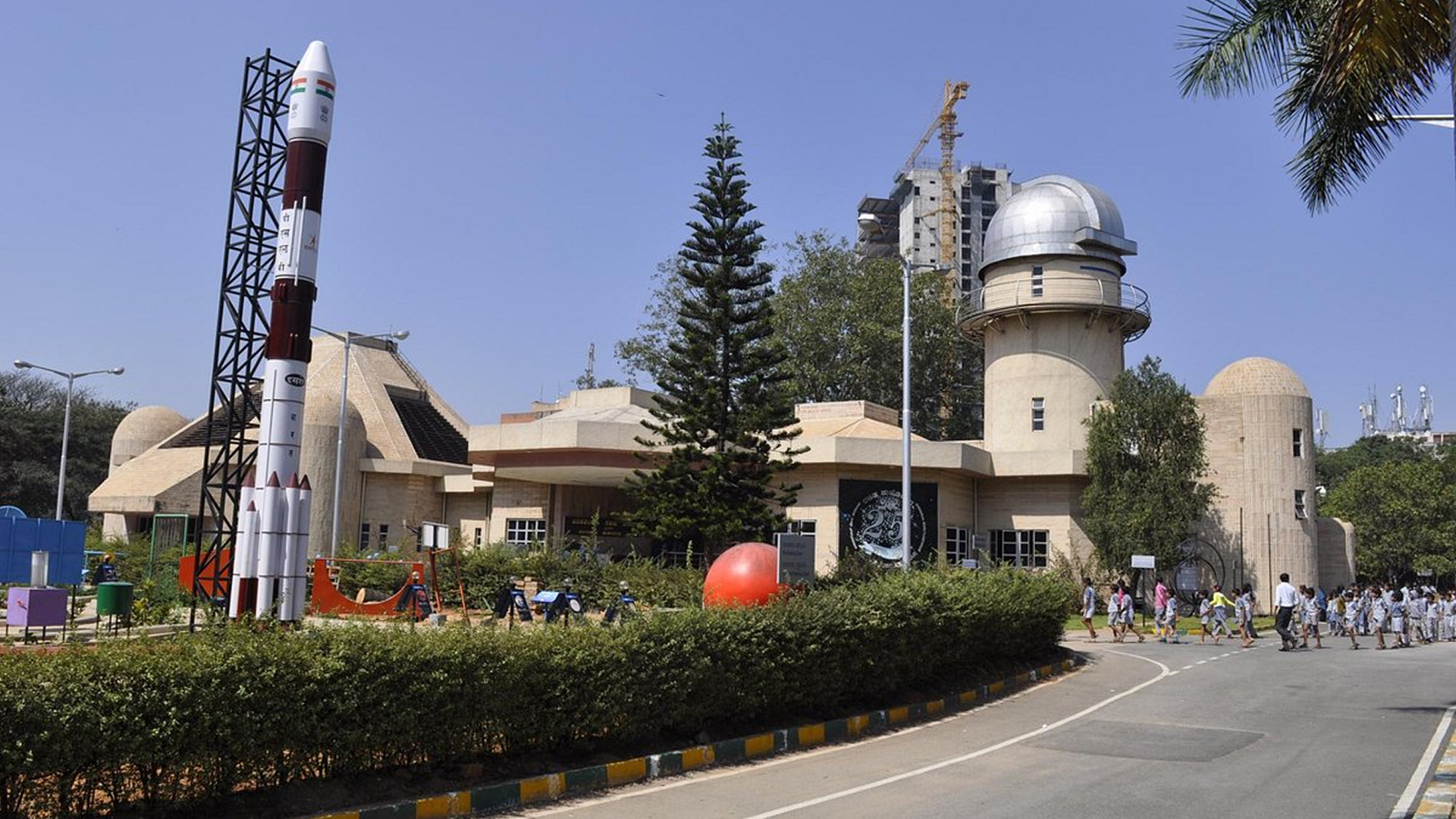
The Jawaharlal Nehru Planetarium offers structured astronomy education through immersive dome-based sky theater shows. The projection system simulates planetary movement, constellations, eclipses, and deep-space objects with high clarity.
Exhibits outside the theater explain astrophysics fundamentals in an accessible language. The institution regularly conducts workshops aligned with school science programs. It is ideal for physics and earth science modules focused on celestial mechanics.
Location: Sri T. Chowdaiah Road, High Grounds, Bangalore
Highlights:
- Sky Theatre Projections: Full-dome simulations of planetary motion and astronomical phenomena.
- Astronomy Exhibition Hall: Displays explaining gravity, light-years, and telescope optics.
- Student Workshops: Scheduled sessions on space science and observational astronomy.
How It Benefits Student Learning:
- Enhances comprehension of astronomy and space physics.
- Visualises complex celestial movements in simplified formats.
- Encourages STEM curiosity beyond classroom boundaries.
- Supports exam-level understanding of Earth and space science.
3. Bangalore Palace
Soruce Link
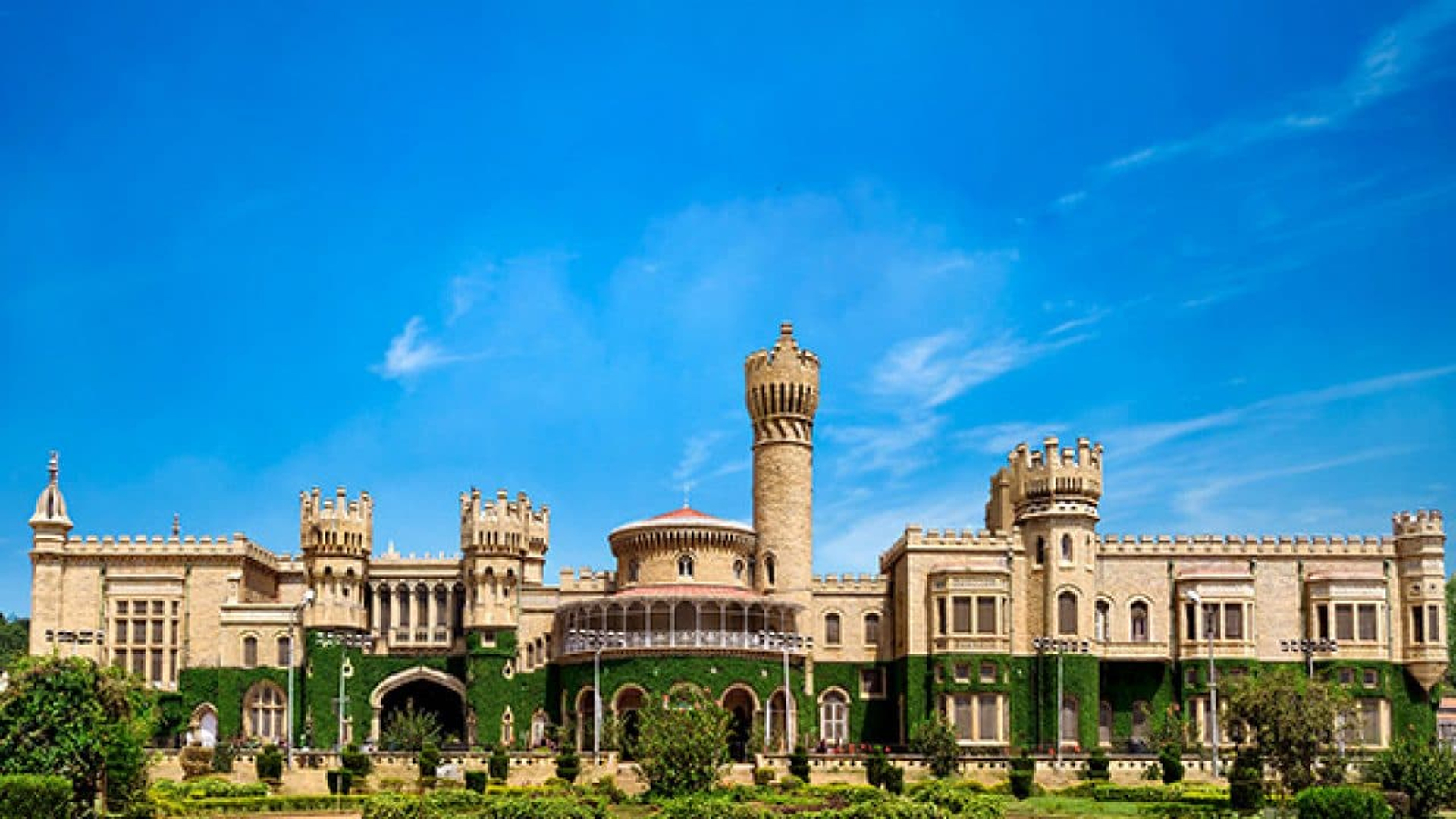
Bangalore Palace gives students direct exposure to Karnataka’s royal and colonial history. Built in Tudor-style architecture, it features fortified towers, ornate wood carvings, and vintage interiors. Guided tours explain the Wodeyar dynasty’s governance and political influence. The palace architecture itself serves as a case study in European-inspired design adapted to Indian contexts. It blends art, politics, and architecture in one visit.
Location: Vasanth Nagar, Bangalore
Highlights:
- Architectural Study: Gothic arches, stained glass windows, and fortified watchtowers.
- Royal Artifact Displays: Antique furniture, paintings, and ceremonial objects.
- Guided Heritage Narratives: Structured storytelling on dynastic history.
How It Benefits Student Learning:
- Strengthens understanding of colonial-era transitions.
- Connects political history with architectural evolution.
- Encourages analytical thinking about monarchy and governance.
- Provides real-world context to textbook history chapters.
4. National Gallery of Modern Art (NGMA)
Source link
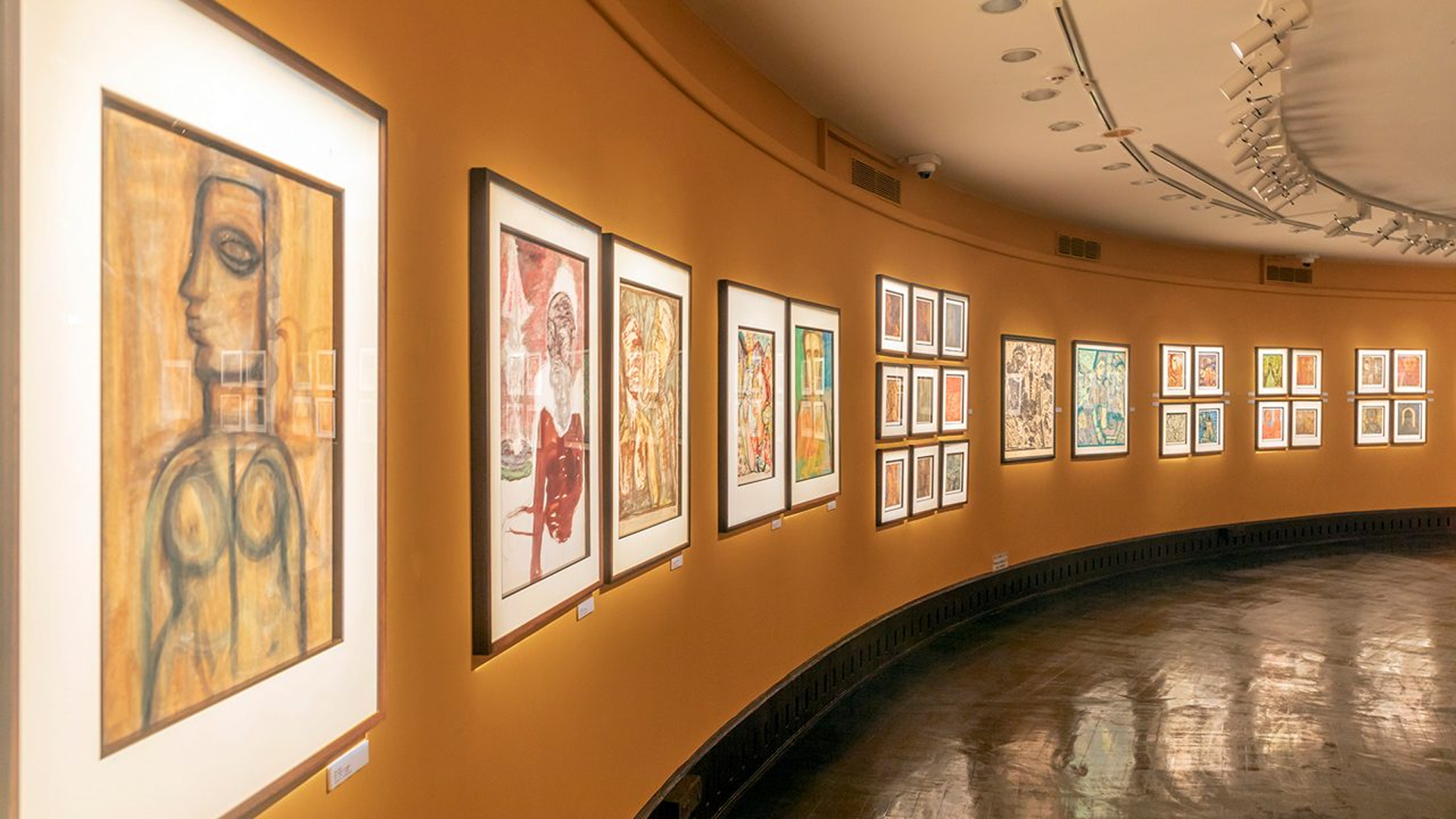
NGMA introduces students to modern Indian art within a preserved heritage mansion setting. The gallery houses curated collections of paintings, sculptures, and photography from leading Indian artists. Exhibitions rotate periodically, exposing students to developing artistic movements. The quiet, structured layout supports focused observation and interpretation exercises. It is particularly effective for art, literature, and humanities integration modules.
Location: Palace Road, Manikyavelu Mansion, Bangalore
Highlights:
- Modern Art Collections: Works from prominent 19th- and 20th-century Indian artists.
- Curated School Tours: Facilitated art interpretation sessions.
- Heritage Architecture Setting: Colonial-era building enhancing contextual learning.
How It Benefits Student Learning:
- Improves visual literacy and interpretation skills.
- Encourages emotional intelligence through art analysis.
- Supports interdisciplinary humanities education.
- Builds cultural awareness and aesthetic sensitivity.
Also Read: Octopus Facts and Behaviour: A Complete Guide
5. Bannerghatta Biological Park
Source link
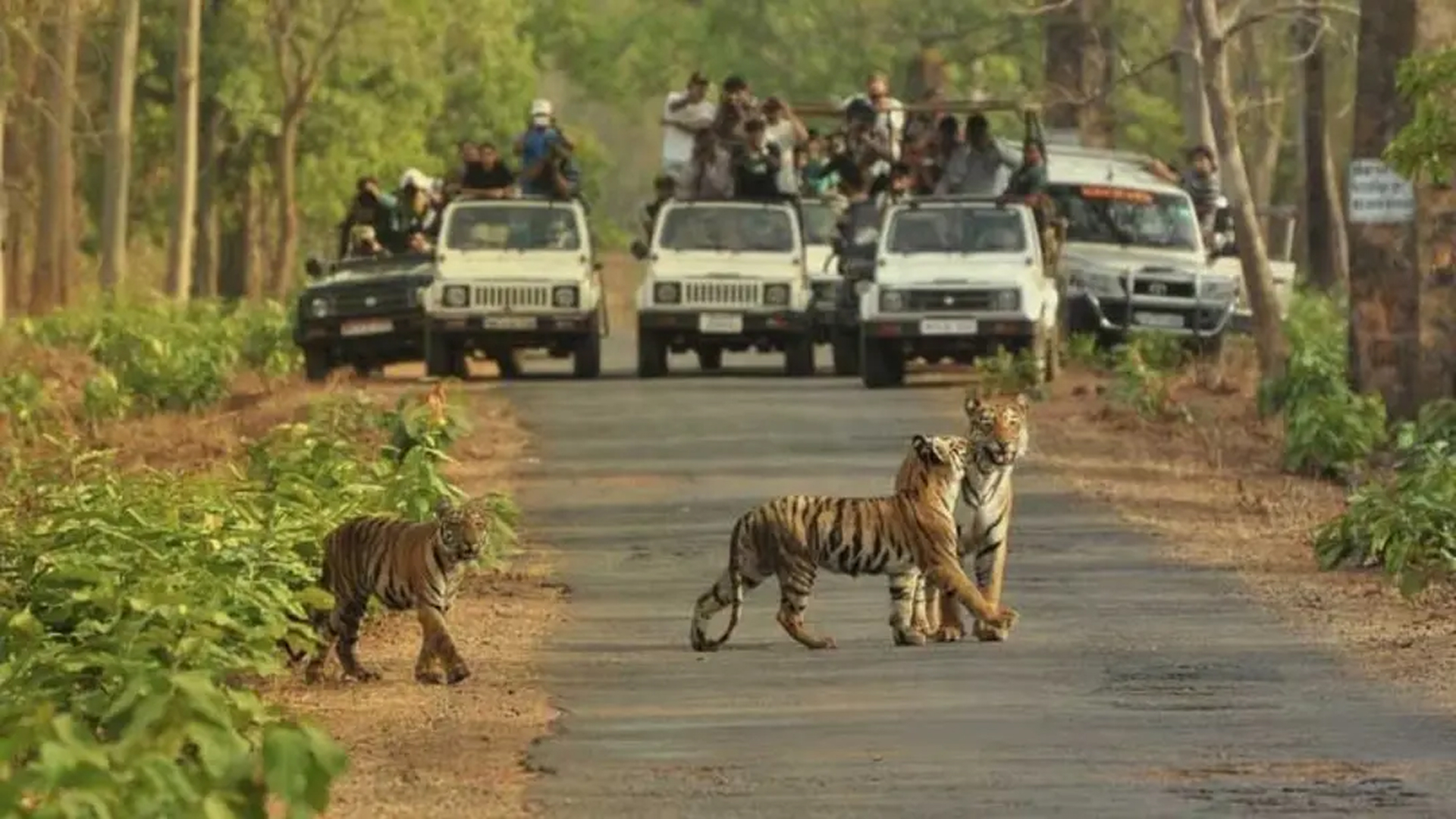
Bannerghatta Biological Park isn’t just a zoo visit; it’s a live biodiversity classroom located on the outskirts of Bangalore. Spread across forest land connected to the Bannerghatta National Park ecosystem, it gives students direct exposure to wildlife conservation frameworks, habitat design, and species management systems.
Unlike textbook diagrams, here students observe animal behaviour patterns in semi-natural enclosures and safari zones. The park integrates zoology, ecology, climate studies, and conservation policy into one immersive learning circuit. For schools measuring experiential science exposure, this destination delivers measurable environmental literacy outcomes.
Location: Bannerghatta Road, Bengaluru
Highlights:
- Grand Safari Zone: Guided bus safaris through lion, tiger, and herbivore reserves designed to simulate natural habitats.
- Butterfly Park Dome: Climate-controlled tropical enclosure showcasing lifecycle stages and host plant dependency.
- Rescue & Rehabilitation Units: Facilities focused on animal welfare and conservation recovery efforts.
- Herpetarium Section: Reptile and amphibian exhibits with habitat simulation models.
How It Benefits Student Learning:
- Applied Biology Exposure: Reinforces food chains, predator-prey systems, and ecosystem balance concepts.
- Conservation Awareness: Demonstrates wildlife rescue ethics and biodiversity preservation frameworks.
- Behavioural Observation Skills: Encourages note-taking on movement, feeding, and habitat adaptation.
- Climate & Habitat Literacy: Links environmental science curriculum to real ecosystems.
School trips demand more than entertainment; they require safety, timing control, and educational value. Located near the Fun World Complex in Bengaluru and operating from 10:30 AM to 8:00 PM, Aquarium Paradise offers a climate-controlled walkthrough, organised viewing zones, and supervised interactive sessions. The Jellyfish Room, engineered waterfalls, and Ocean Window lounge create built-in pause points for teacher-led discussions and reflections.
Reserve your Aquarium Paradise visit and build a field trip with concrete engagement.
6. HAL Aerospace Museum
Source link
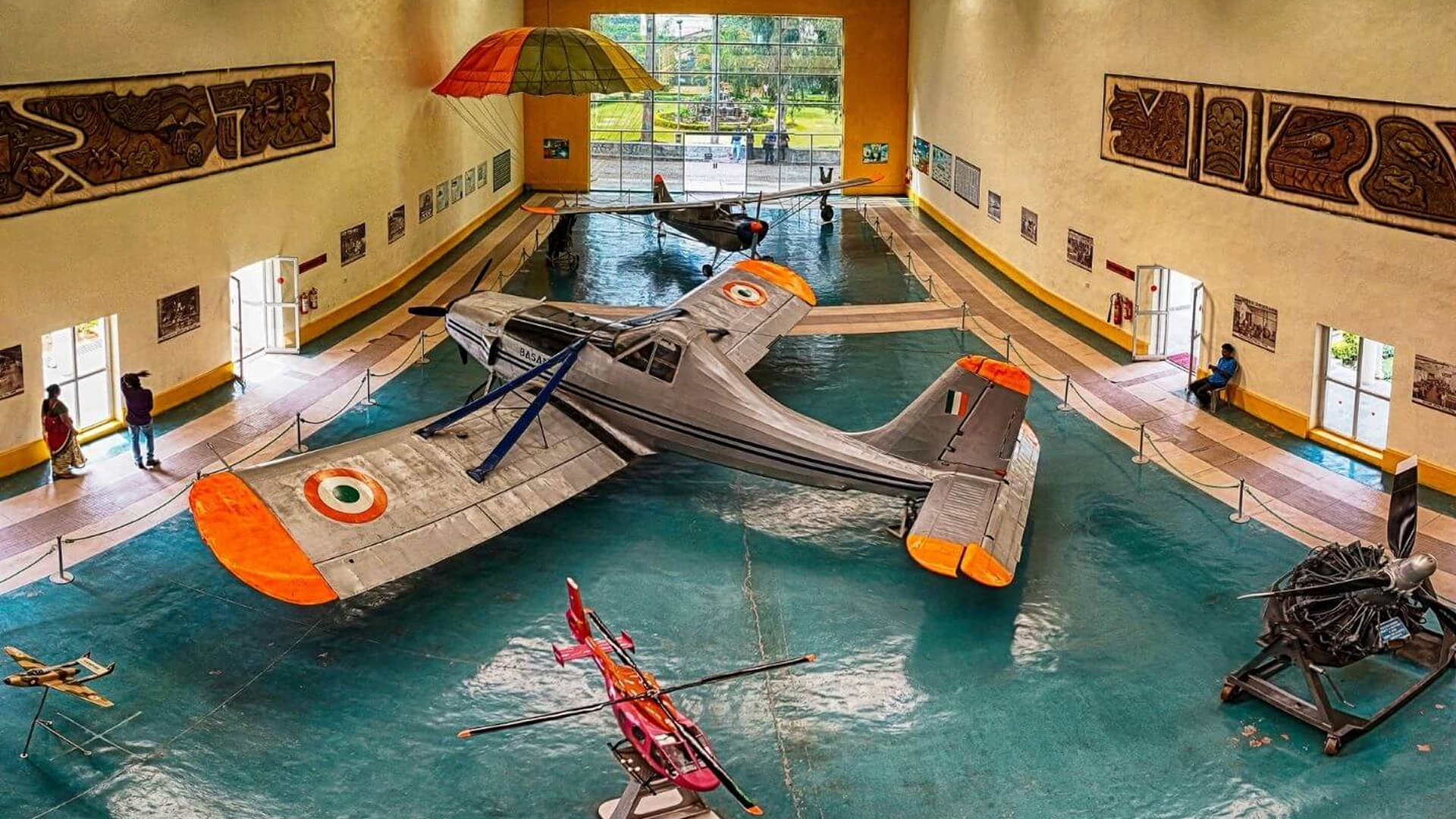
HAL Aerospace Museum gives students a front-row seat to India’s aviation and defence engineering journey. Operated by Hindustan Aeronautics Limited, it showcases real aircraft models, jet engines, cockpit simulators, and aeronautical systems.
Students don’t just see planes; they study propulsion systems, flight mechanics, and aerospace manufacturing processes. The museum bridges physics principles with engineering execution, making it ideal for STEM-driven institutions. For schools tracking career orientation KPIs, this destination sparks aviation, robotics, and aerospace interest early.
Location: Old Airport Road, Bengaluru
Highlights:
- Aircraft Display Hangar: Retired aircraft models with structural and design breakdowns.
- Jet Engine Exhibits: Cut-section engine displays explaining combustion and thrust systems.
- Flight Simulator Experience: Interactive cockpit simulation for applied learning.
- Aviation Timeline Gallery: Evolution of Indian aerospace milestones.
How It Benefits Student Learning:
- Physics in Action: Demonstrates lift, drag, thrust, and aerodynamics visually.
- Engineering Pathway Exposure: Introduces real-world aerospace career trajectories.
- STEM Integration: Connects math calculations to aviation design principles.
- Innovation Mindset Development: Encourages curiosity around defense technology and research.
7. Art of Living International Centre
Source link
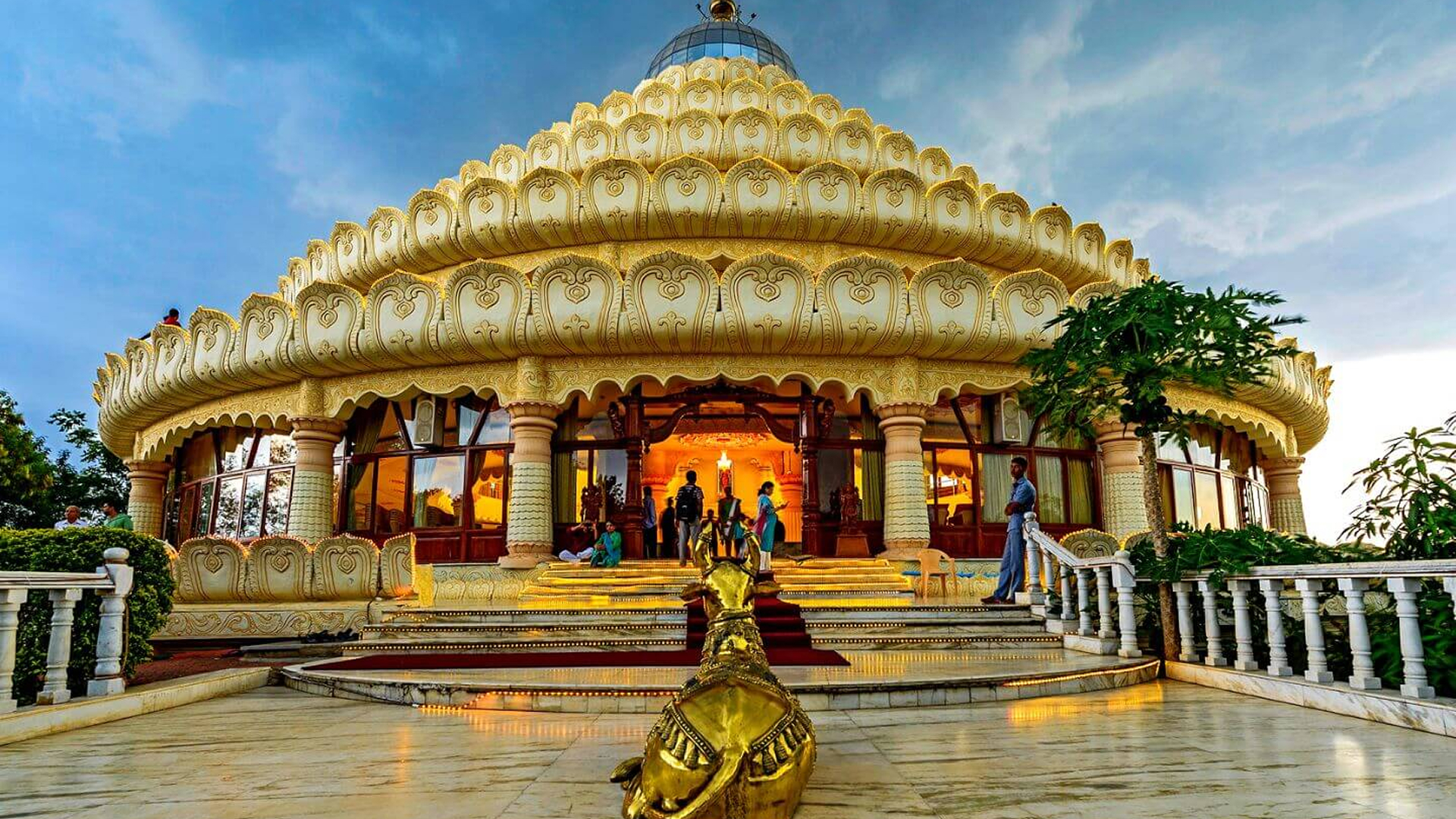
The Art of Living International Centre provides a different dimension of school learning, emotional intelligence, focus calibration, and well-being literacy. Located on a vast, eco-friendly campus, the center introduces students to mindfulness practices, breathing techniques, and value-based leadership frameworks.
In high-performance academic environments, stress regulation and attention span optimisation matter as much as academics. Schools prioritising holistic development metrics often include this stop in their annual educational calendar. It reframes success beyond grades and builds cognitive resilience.
Location: Kanakapura Road, Bengaluru
Highlights:
- Guided Meditation Halls: Structured breathing and awareness sessions led by trained instructors.
- Eco-Sustainable Campus: Rainwater harvesting, solar systems, and green architecture models.
- Value-Based Workshops: Programs focused on empathy, leadership, and teamwork.
- Cultural Learning Spaces: Exposure to traditional Indian knowledge systems.
How It Benefits Student Learning:
- Focus & Attention Training: Improves classroom concentration outcomes.
- Stress Regulation Tools: Equips students with practical breathing techniques.
- Leadership & Ethics Education: Reinforces responsibility and collaborative thinking.
- Sustainability Awareness: Demonstrates environmental stewardship practices.
8. Lalbagh Botanical Garden
Source Link
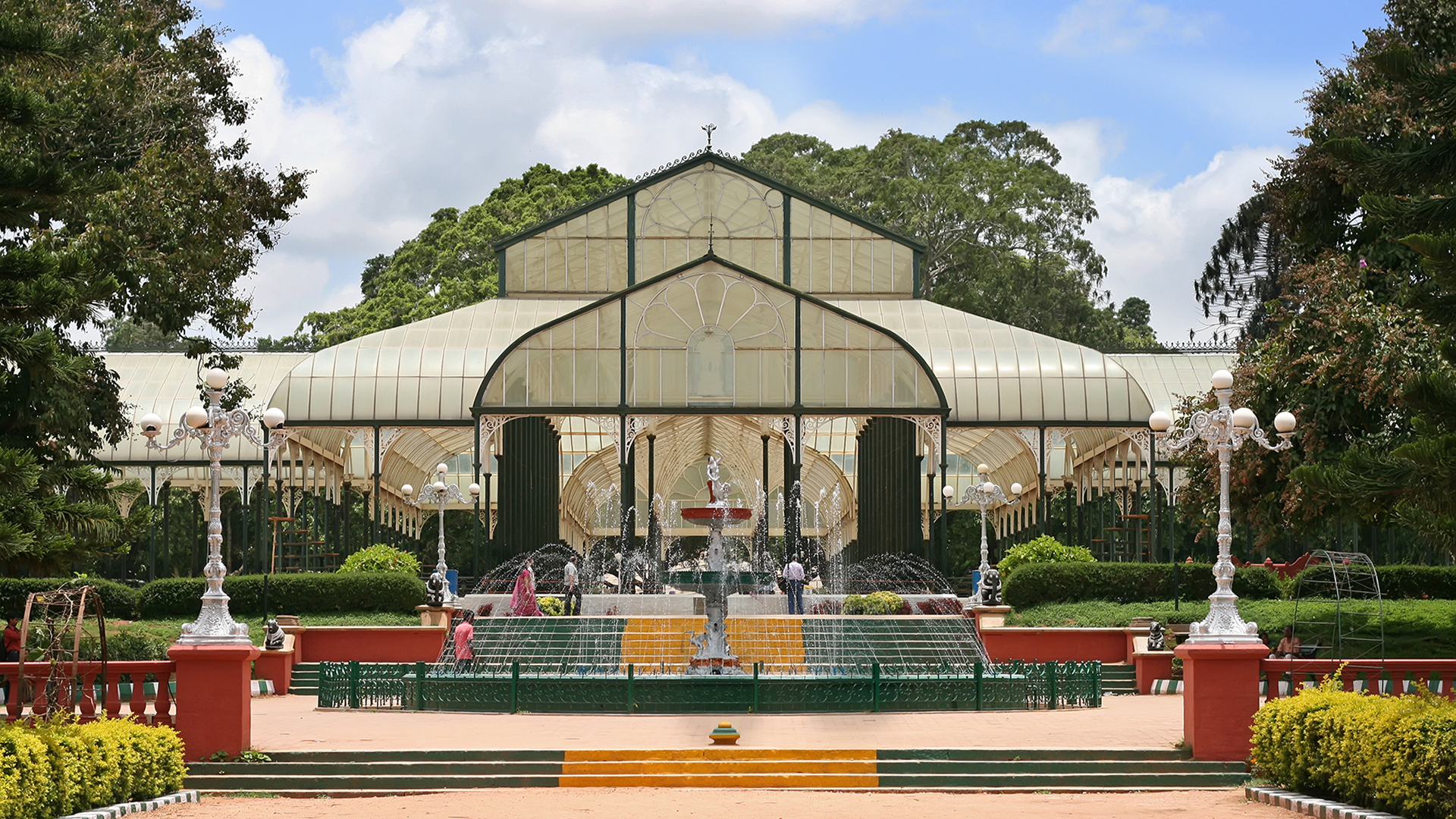
Lalbagh Botanical Garden operates as a live plant genetics and horticulture laboratory in the heart of Bangalore. Established in the 18th century, it houses rare plant species, heritage trees, and one of India’s most iconic glasshouses. Students can observe plant taxonomy classification, soil systems, pollination processes, and botanical preservation techniques. The garden supports structured botanical walks that align directly with biology curriculum standards. For schools targeting environmental literacy benchmarks, Lalbagh delivers applied botanical exposure.
Location: Mavalli, Bengaluru
Highlights:
- Glass House Conservatory: Victorian-era structure hosting seasonal flower shows and rare species.
- Century-Old Trees: Documented heritage trees with scientific labeling.
- Botanical Research Units: Study of plant breeding and species conservation.
- Lake Ecosystem Zone: Wetland microhabitat observation area.
How It Benefits Student Learning:
- Plant Science Application: Reinforces photosynthesis and plant reproduction concepts.
- Biodiversity Documentation Skills: Encourages field journaling and classification exercises.
- Sustainability Education: Highlights ecological balance and urban green planning.
- Research-Based Learning: Introduces botany as a viable scientific career path.
9. Freedom Park
Source link
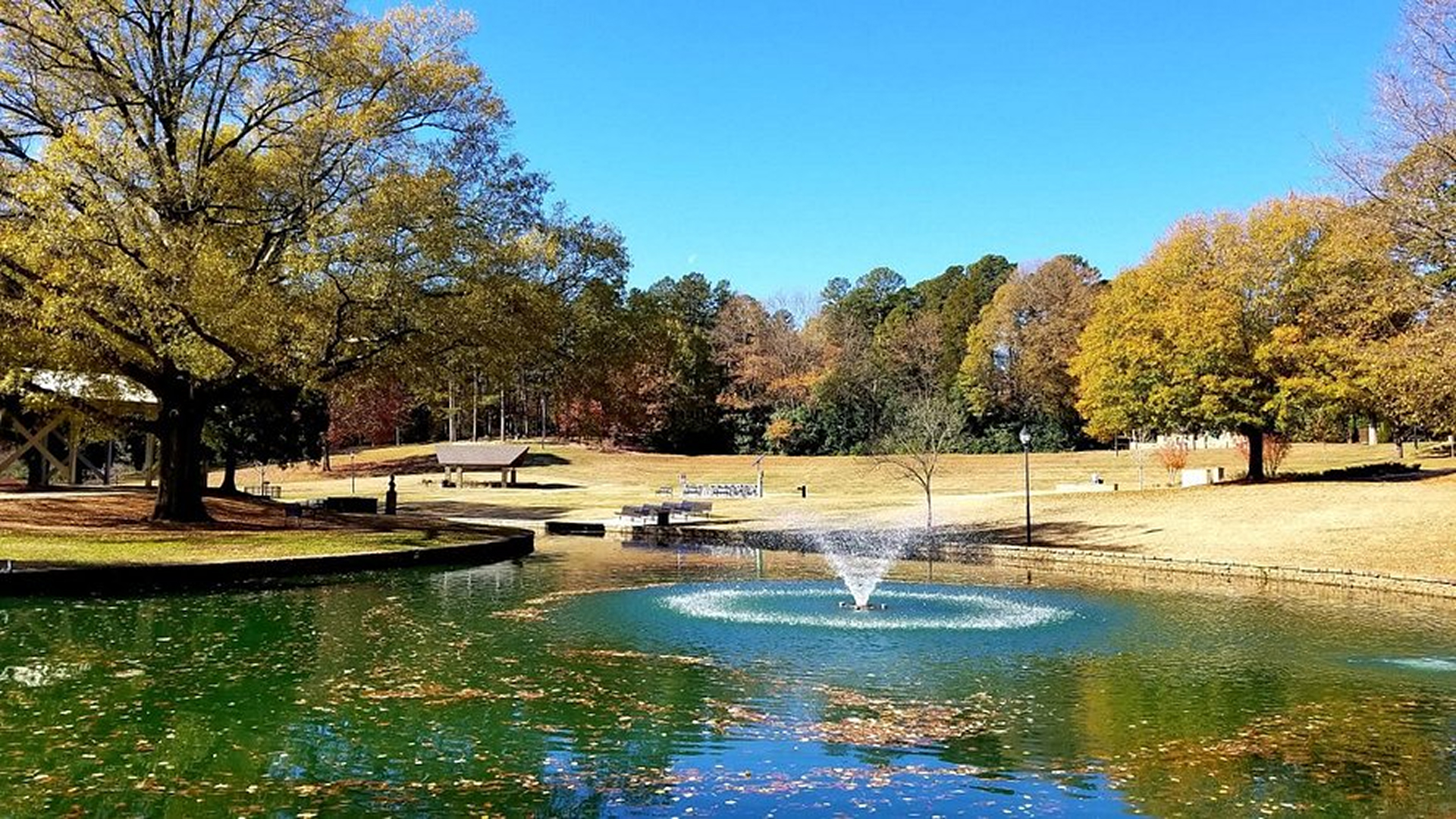
Freedom Park turns civic education into lived history. Built on the site of a former central jail, the space now functions as a public forum and democratic landmark. Students walk through preserved prison blocks, freedom memorial installations, and protest spaces that influenced modern civic movements. It moves beyond textbook civics and introduces students to democratic engagement frameworks. Schools emphasising social science depth and constitutional literacy find strong curriculum alignment here.
Location: Seshadripuram, Bengaluru
Highlights:
- Preserved Jail Structures: Historical cells showcasing colonial-era detention systems.
- Freedom Memorial Tower: A monument dedicated to India’s independence movement.
- Open Civic Forum Area: Space used for public discussions and peaceful protests.
- Political History Installations: Panels explaining democratic evolution in Karnataka.
How It Benefits Student Learning:
- Civic Awareness Development: Reinforces constitutional values and citizen responsibility.
- Historical Contextualization: Connects colonial history with modern governance.
- Critical Thinking Skills: Encourages debate on democracy and public policy.
- Social Studies Application: Moves civics from theory to a real-world context.
10. Indian Music Experience Museum
Source Link
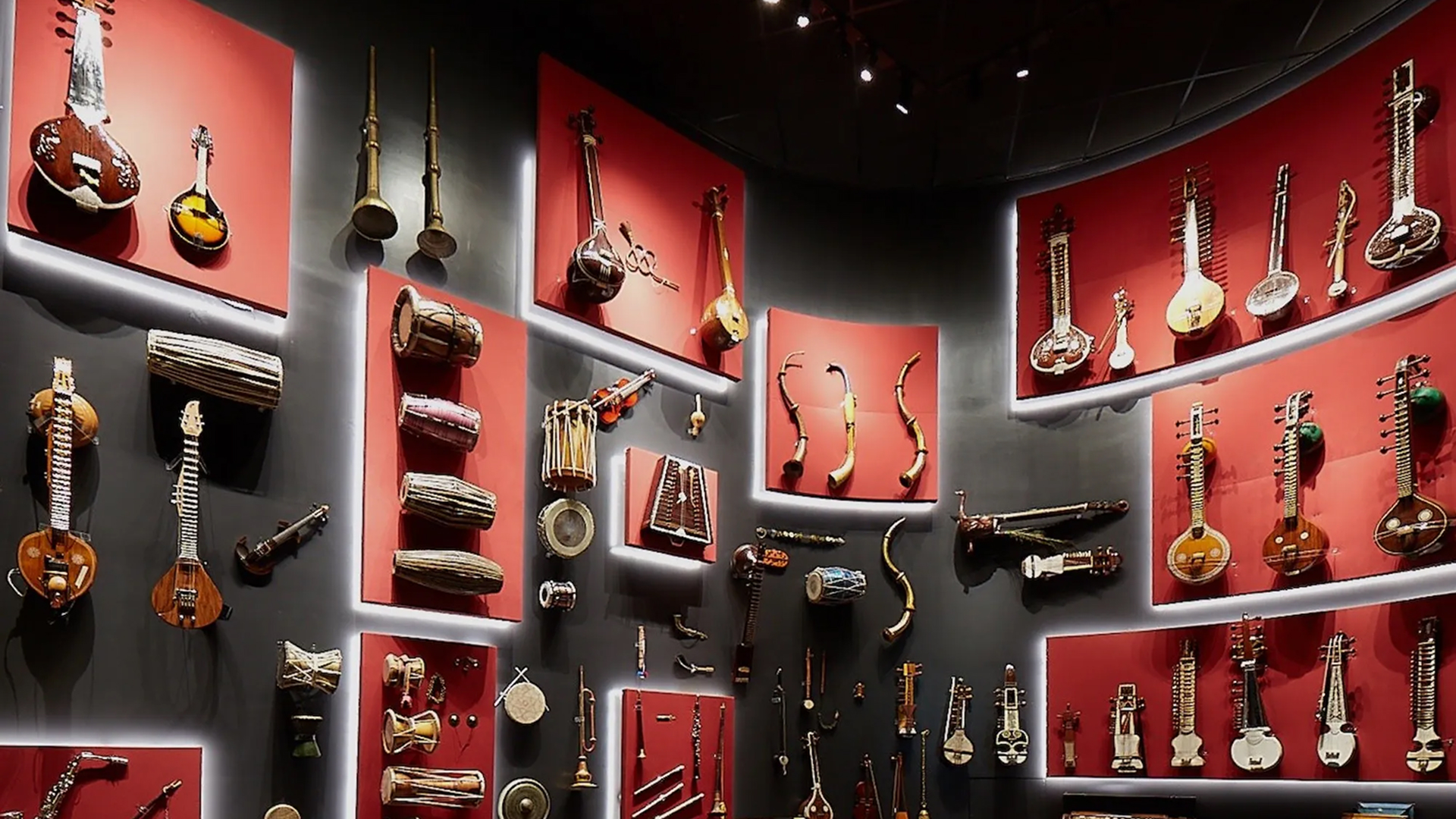
The Indian Music Experience Museum turns music from a hobby into a structured learning system. This interactive museum blends sound engineering, cultural history, linguistics, and digital storytelling into one immersive academic space.
Students move through curated galleries that decode the evolution of Indian music across regions, instruments, and genres. Unlike passive museum visits, this space pushes participation through sound pods, instrument labs, and studio simulations. For schools tracking creative cognition, cultural literacy, and sensory learning KPIs, this stop adds measurable enrichment.
Location: JP Nagar, Bengaluru
Highlights:
- Sound Garden Installation: Outdoor interactive exhibit where students create music using large-scale acoustic instruments.
- Touch-and-Feel Instrument Lab: Hands-on exploration of percussion, string, and wind instruments.
- Digital Timeline Galleries: Structured breakdown of Indian music history across eras and regions.
- Interactive Recording Studio: Simulated studio experience explaining sound mixing and production basics.
How It Benefits Student Learning:
- Cultural Intelligence Development: Builds awareness of India’s regional artistic diversity.
- Sensory-Based Learning: Reinforces auditory processing and pattern recognition.
- Creative Confidence Building: Encourages experimentation with rhythm and composition.
- Interdisciplinary Exposure: Links the physics of sound waves to art and storytelling.
Also Read: Top 10 Fastest Fish in the World
11. Raman Research Institute
Source link
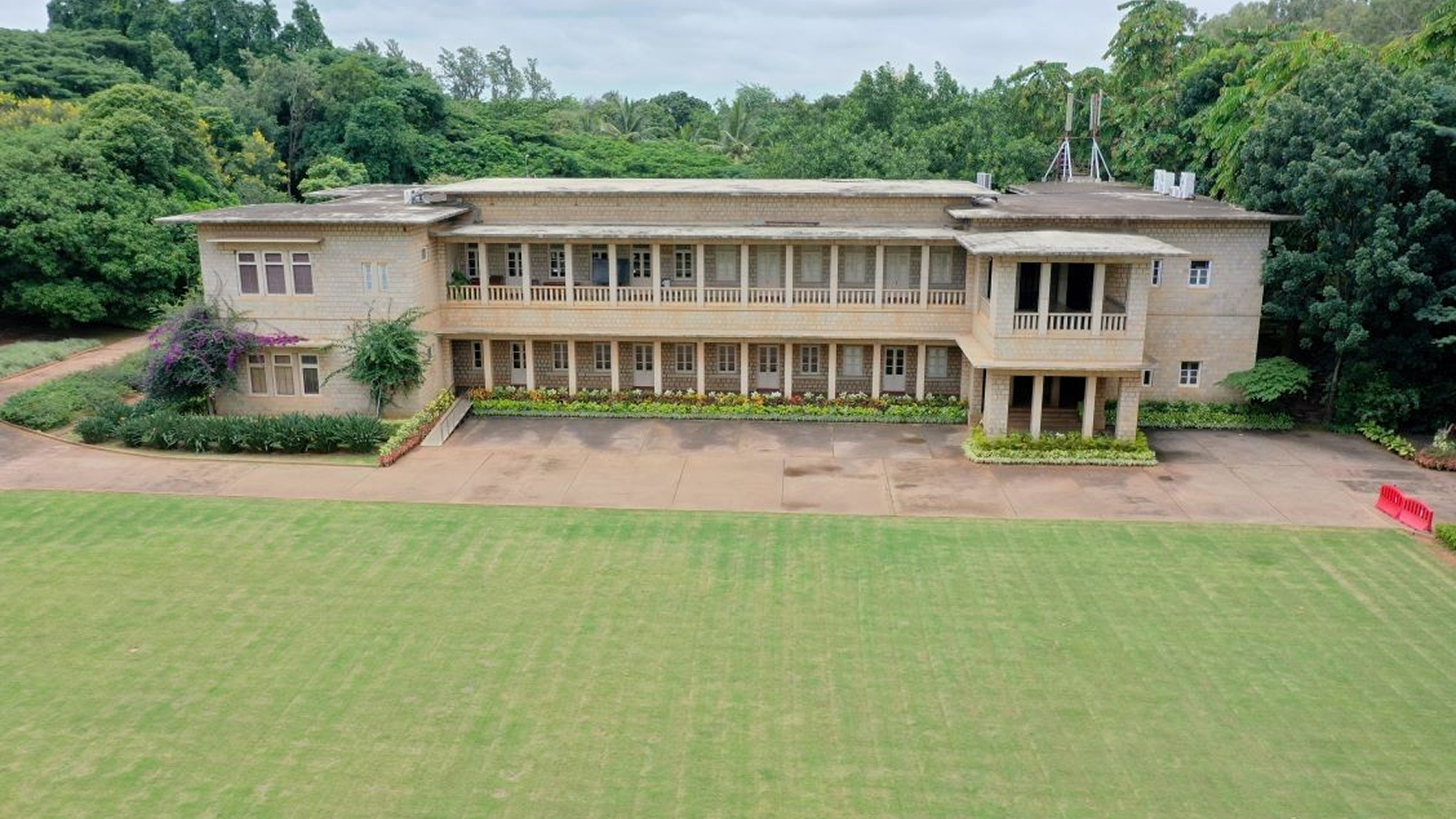
Founded by Nobel Laureate Sir C.V. Raman, this institute exposes students to advanced scientific research environments. It moves beyond museum-style learning and introduces real-time astrophysics, light-scattering studies, and quantum research domains.
While access may require prior coordination, educational outreach programs provide structured sessions for school groups. Students gain insight into how research hypotheses develop into published scientific work. For institutions measuring STEM aspiration and higher education readiness, this visit delivers high intellectual value.
Location: Sadashivanagar, Bengaluru
Highlights:
- Research Facility Tours: Guided walkthroughs explaining laboratory frameworks and equipment.
- Astrophysics Demonstrations: Talks on cosmic radiation, light spectra, and telescope systems.
- Science Outreach Programs: Structured sessions tailored for school-level learners.
- Raman Effect Exhibits: Demonstrations explaining light-scattering principles.
How It Benefits Student Learning:
- Research Literacy: Introduces methodology, hypothesis testing, and scientific documentation.
- Advanced STEM Exposure: Connects classroom physics to real-world research labs.
- Career Awareness: Encourages early interest in scientific research pathways.
- Analytical Thinking Development: Promotes curiosity-driven questioning.
12. Innovative Film City
Source link
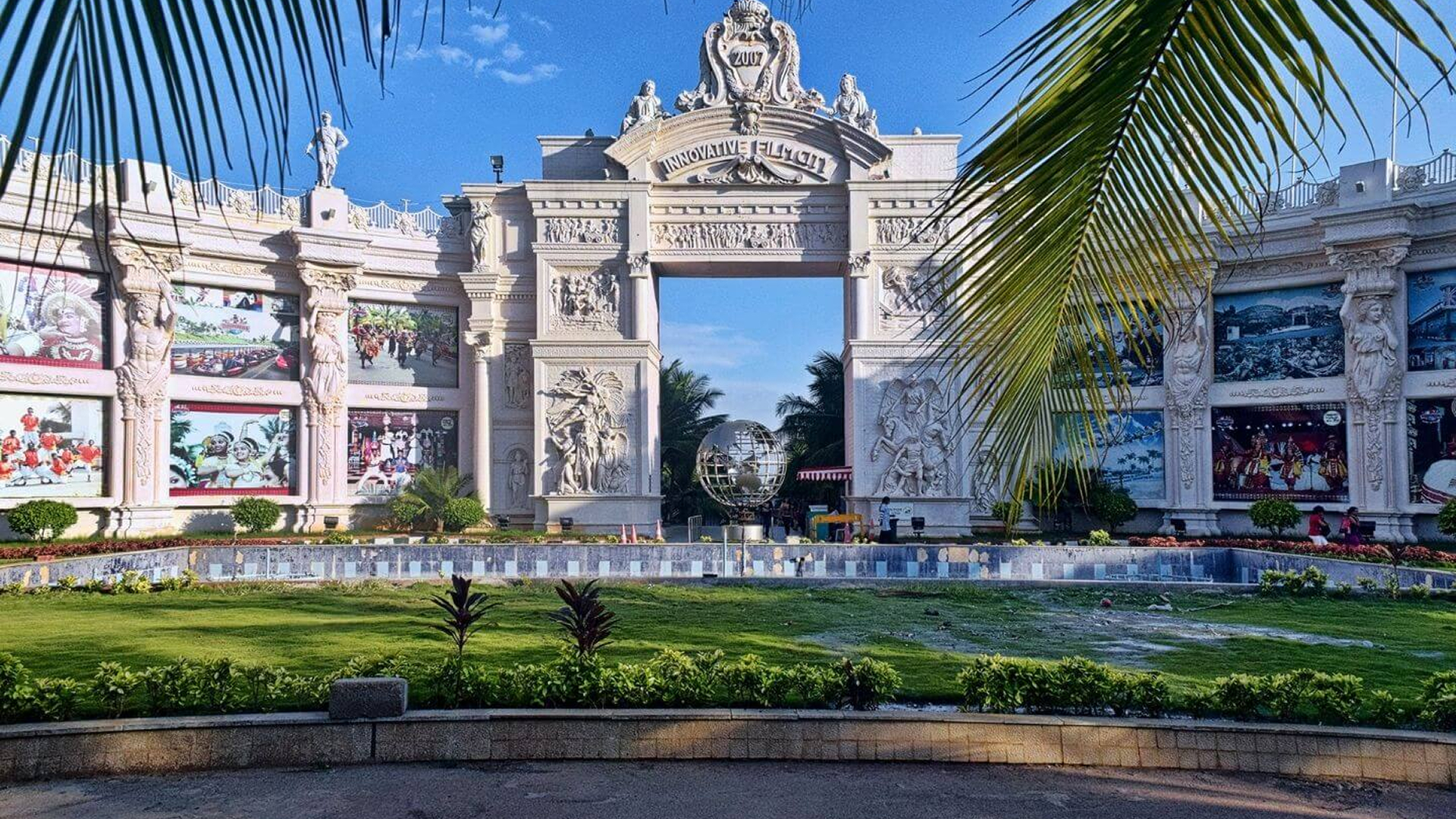
Innovative Film City blends structured entertainment with curated learning experiences. While known for its amusement value, the edu-tainment zones include science exhibits, cultural pavilions, and museum-style attractions.
Students explore visual illusion science, film production mechanics, and global culture exhibits in controlled environments. This makes it ideal for schools looking to combine engagement with academic reinforcement. When planned strategically, it delivers both cognitive stimulation and recreational balance.
Location: Bidadi, outskirts of Bengaluru
Highlights:
- Mirror Maze Science Zone: Demonstrates light reflection and spatial perception principles.
- Wax Museum Gallery: Displays global historical figures for cultural and political literacy discussions.
- Miniature City Models: Urban planning and architectural scale demonstrations.
- Film Set Walkthroughs: Behind-the-scenes look at cinema production design.
How It Benefits Student Learning:
- Applied Physics Concepts: Explains optics and perception through visual illusions.
- Cultural Exposure: Introduces global leaders, artists, and historic icons.
- Creative Industry Awareness: Highlights careers in film, design, and media production.
- Engagement Retention: Maintains student enthusiasm while reinforcing learning.
13. Cubbon Park
Source link
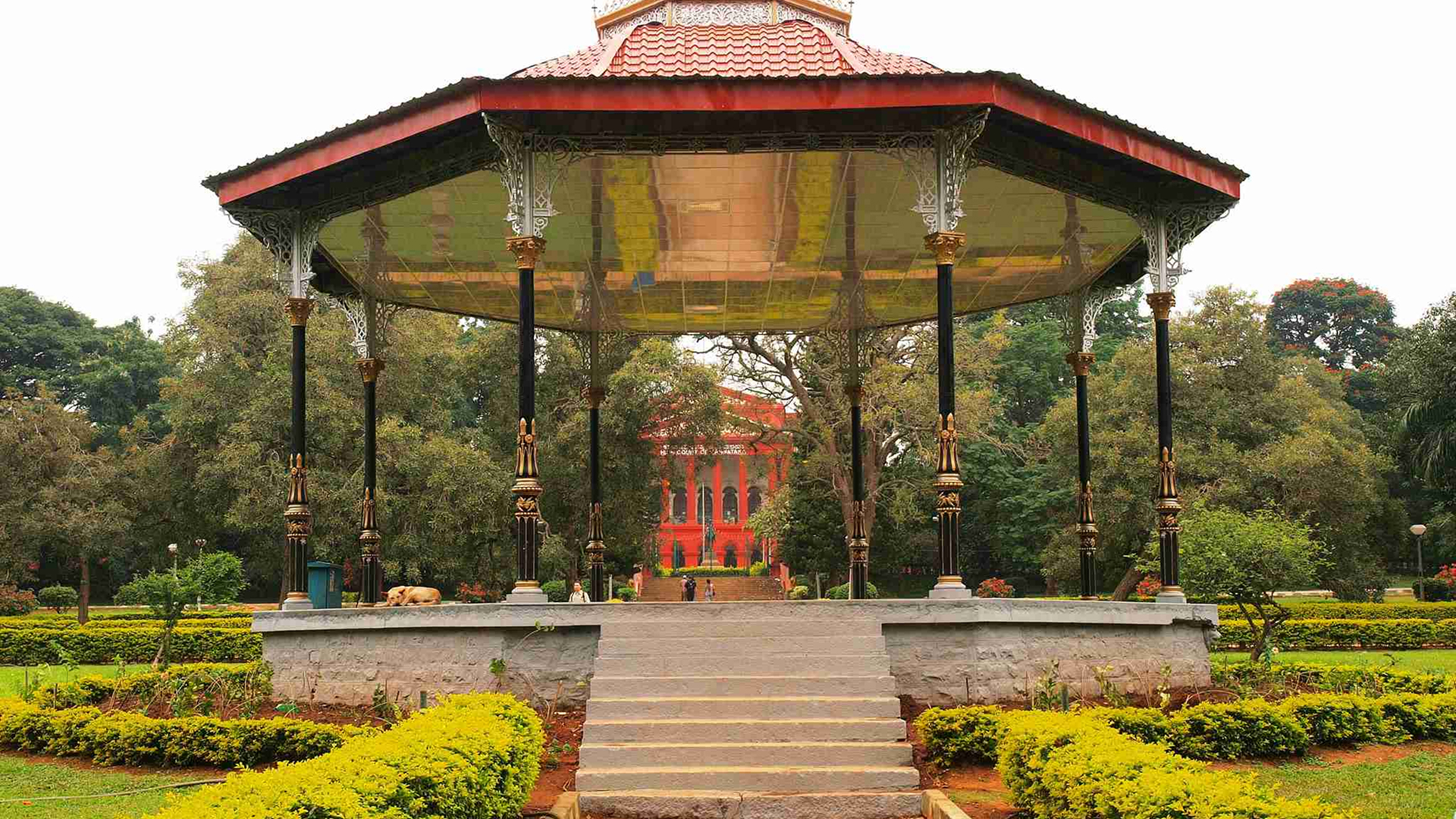
Cubbon Park functions as Bangalore’s living urban ecology lab. Spread across 300 acres, it combines biodiversity zones with colonial-era architecture and government institutions. Students can document tree species, observe bird activity, and study how green zones support city climate balance. The park’s statues and heritage buildings introduce governance history in the same walking loop. It’s ideal for structured observational assignments and interdisciplinary worksheets.
Location: Central Bengaluru
Highlights:
- Tree Mapping Trails: Labeled species, including rain trees, bamboo clusters, and exotic imports.
- Birdwatching Zones: Native and migratory bird species documentation.
- Heritage Structures: Attara Kacheri and State Central Library architecture study.
- Open Civic Spaces: Public gatherings illustrating democratic engagement.
How It Benefits Student Learning:
- Urban Sustainability Literacy: Demonstrates green planning within metropolitan growth.
- Observation Skill Building: Encourages documentation and journaling.
- Environmental Data Collection: Supports biodiversity surveys.
- Historical Context Awareness: Connects civic buildings to governance systems.
14. Tipu Sultan’s Summer Palace
Source link
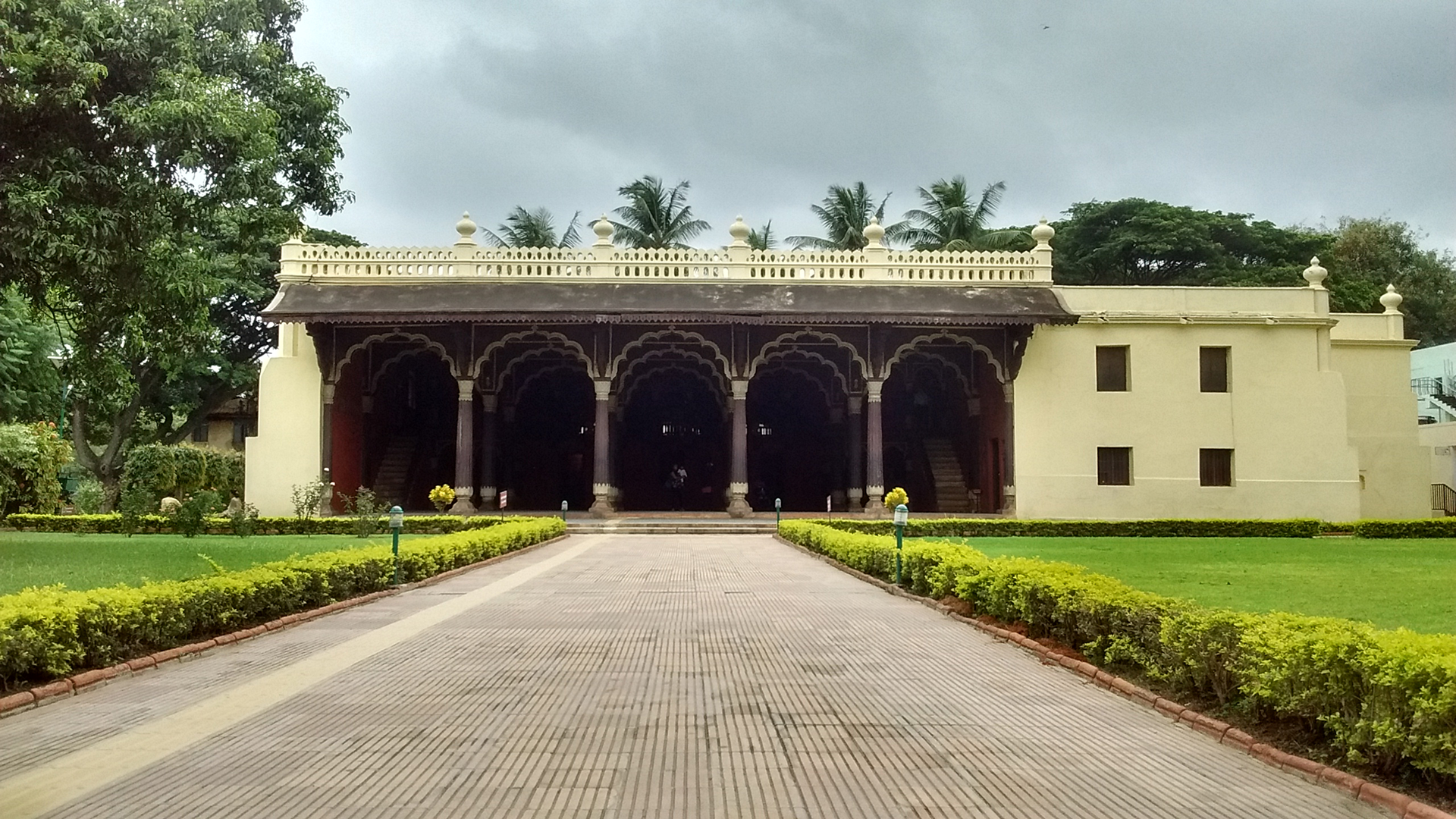
Tipu Sultan’s Summer Palace offers students a tactile connection to 18th-century Mysorean history. Built primarily of teak wood, the palace showcases Indo-Islamic architecture, arches, and intricate floral motifs. Exhibits inside narrate Tipu Sultan’s resistance against British colonial forces. Students gain visual exposure to weaponry replicas, paintings, and archival documents.
Location: Chamrajpet, Bengaluru
Highlights:
- Teakwood Architecture: Hand-carved pillars and detailed ceiling patterns.
- Historical Artefact Displays: Weapons, paintings, and royal memorabilia.
- Colonial Conflict Narratives: Exhibits explaining the Anglo-Mysore wars.
- Guided History Tours: Structured storytelling sessions for student groups.
How It Benefits Student Learning:
- Historical Immersion: Reinforces colonial-era timelines.
- Architectural Appreciation: Introduces the design aesthetics of the 18th century.
- Critical Thinking: Encourages discussion on resistance movements.
- Cultural Identity Awareness: Builds understanding of regional heritage.
15. Government Museum, Bangalore
Source Link
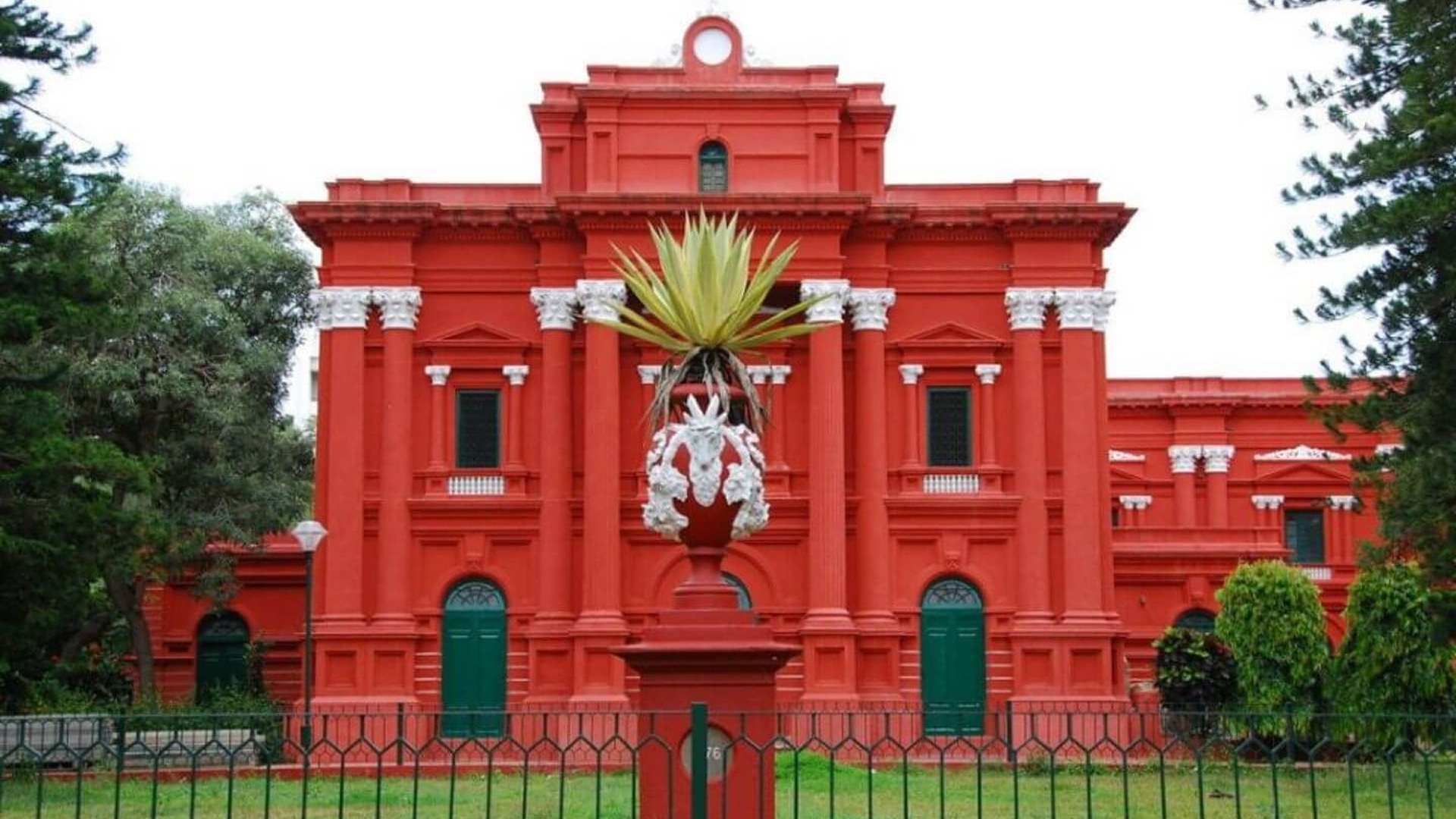
Established in 1865, the Government Museum is one of India’s oldest museums and a dense archive of South Indian archaeology. Students move chronologically through prehistoric tools, Chola-era bronzes, and rare inscriptions. The exhibits demand slower viewing, which makes them ideal for structured worksheet-based learning. Sculpture galleries decode iconography, posture symbolism, and dynastic artistry in detail. For schools tracking humanities depth and artifact literacy, this stop delivers measurable content absorption.
Location: Kasturba Road, near Cubbon Park, Bengaluru
Highlights:
- Prehistoric Gallery: Stone tools and early human artefacts from Neolithic sites in Karnataka.
- Chola Bronze Collection: Intricately cast bronze idols demonstrating lost-wax technique mastery.
- Epigraphy Section: Stone inscriptions explaining early scripts and regional governance.
- Numismatics Display: Ancient coin collections tracing trade routes and economic systems.
How It Benefits Student Learning:
- Archaeological Interpretation Skills: Teaches artefact dating and contextual analysis.
- Iconography Decoding: Builds symbolic literacy in sculpture and temple art.
- Historical Timeline Mapping: Connects dynasties to material culture.
- Primary Source Exposure: Introduces students to inscriptions as original records.
16. Karnataka Folk Museum
Source Link
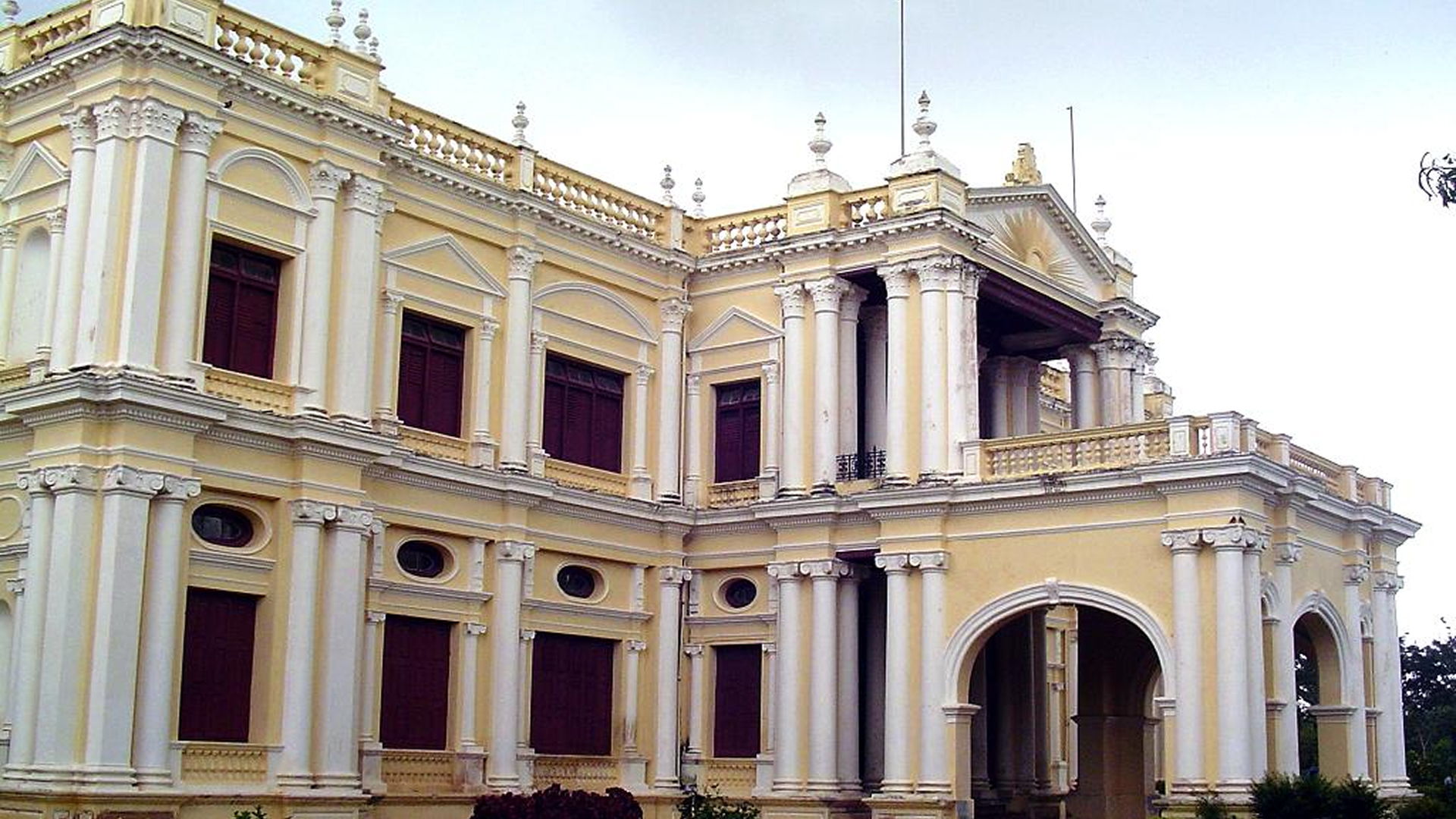
The Karnataka Folk Museum immerses students in a rural cultural environment rather than isolated artefacts. Costumes, tools, instruments, and ritual objects are displayed in thematic clusters that explain lifestyle patterns. Students see how occupation, climate, and belief systems influence craft and performance traditions. The scale of the collection supports cross-disciplinary discussions on anthropology and sociology. For curriculum planners measuring cultural comprehension metrics, this museum adds grounded context.
Location: Fort Campus, Bengaluru
Highlights:
- Traditional Costume Gallery: Region-specific attire linked to occupation and climate.
- Folk Instrument Archive: String, percussion, and wind instruments used in village festivals.
- Agrarian Tools Display: Implements showing pre-mechanised farming systems.
- Performance Documentation Panels: Narratives of Yakshagana and other folk art forms.
How It Benefits Student Learning:
- Anthropological Awareness: Explains how geography influences lifestyle.
- Cultural Continuity Understanding: Connects tradition to modern identity.
- Interdisciplinary Integration: Links sociology, history, and performing arts.
- Diversity Literacy: Reinforces appreciation for regional variation.
Also Read: Top 10 Cutest Fish in the World
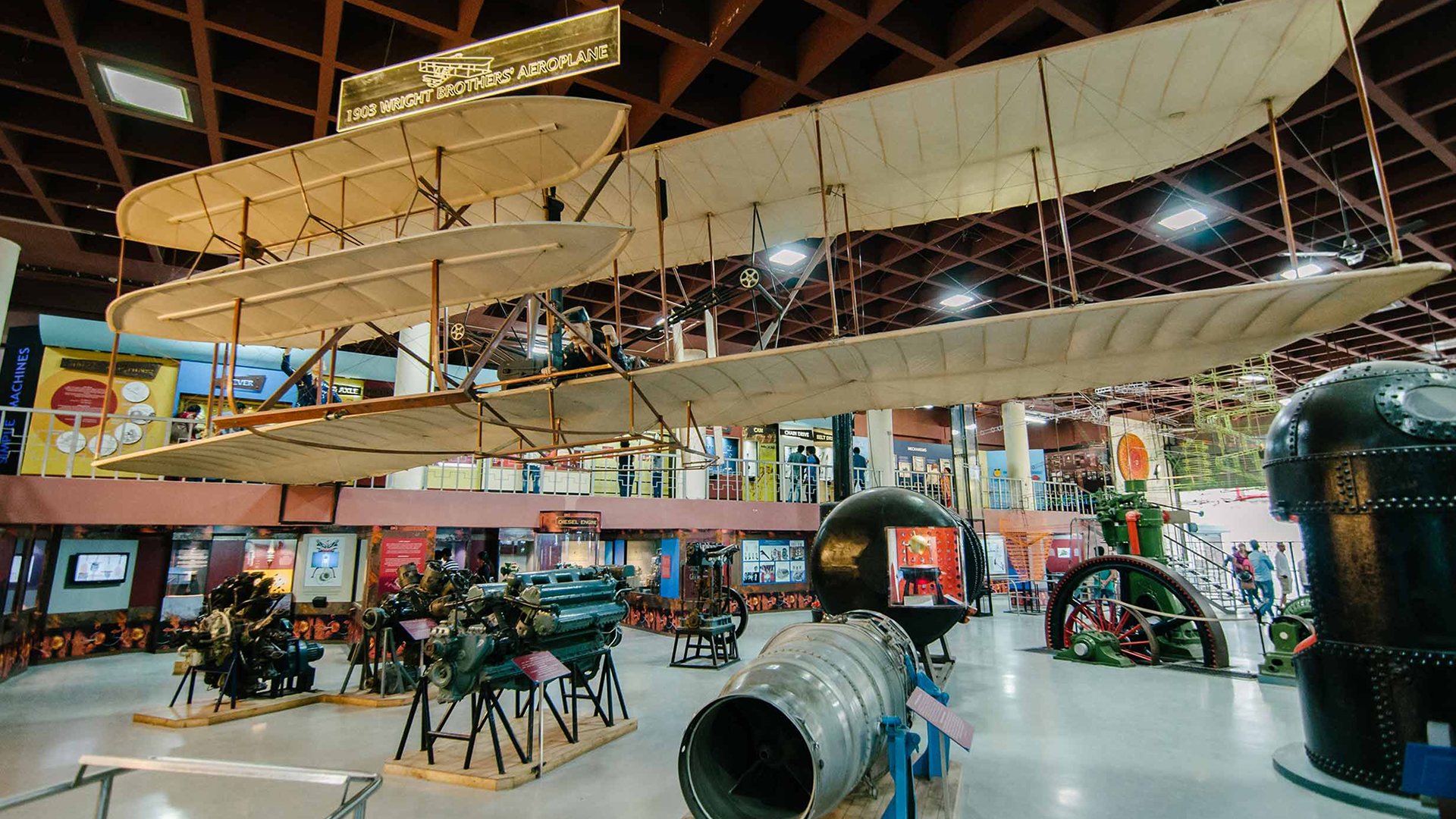
17. Visvesvaraya Industrial & Technological Museum
Source Link
Visvesvaraya Industrial & Technological Museum is one of India’s most curriculum-aligned science museums, located in the heart of Bangalore. It converts textbook physics, mechanics, and electronics into working, touch-enabled models that students can test themselves on.
The galleries are structured by scientific discipline, making it easy for teachers to map visits to grade-level STEM modules. Live demonstrations inside the Engine Hall turn abstract mechanical concepts into visible motion.
Location: Kasturba Road, near Cubbon Park, Bangalore
Highlights:
- Engine Hall Demonstrations: Live mechanical models showing internal combustion and industrial power systems.
- Space Technology Gallery: Satellite replicas and launch simulations explaining India’s space missions.
- Electricity & Magnetism Zone: Hands-on experiments demonstrating circuits, voltage, and current flow.
- Biotechnology Section: Interactive displays explaining DNA structure and applied life sciences.
How It Benefits Student Learning:
- Reinforces STEM curriculum through tactile experimentation.
- Improves conceptual clarity in physics and engineering topics.
- Encourages inquiry-based questioning and peer discussion.
- Bridges theory-to-application gaps in mechanical sciences.
The destinations above combine curriculum alignment, guided learning formats, and measurable engagement outcomes, making them ideal for a well-planned school trip.
Conclusion
A well-designed field trip does more than break routine; it shifts learning from passive intake to active observation. Bangalore offers science labs, ecological parks, aerospace museums, heritage sites, and performing arts institutions within a short travel radius. Each location can align with curriculum objectives, whether STEM benchmarks or cultural literacy outcomes. The key lies in structured planning, guided reflection, and post-visit assessments.
When schools treat a field trip as an experiential learning module rather than a recreational outing, engagement scores rise noticeably. Students retain concepts longer when they connect theory to lived environments. Bangalore’s educational destinations make that transition seamless and logistically efficient. Choose sites strategically, align them with measurable goals, and improve every outing into academic momentum.
When students study aquatic ecosystems in class, concepts like food chains, habitat balance, and species adaptation often stay theoretical. With Aquarium Paradise, they get the chance to stand inside India’s longest 180° underwater tunnel, watching Black Tip Sharks and Lemon Sharks move overhead. Aquarium Paradise turns marine science into direct observation, supported by guided fish feeding sessions that explain diet cycles and conservation in real time.
Book your tickets to Aquarium Paradise and turn theory into a live learning experience.
FAQs
1. What is the ideal student group size per batch for effective learning during a Bangalore field trip?
For optimal supervision and engagement, 25–35 students per batch works best, allowing structured rotation, better Q&A interaction, and manageable educator-to-student ratios.
2. How far in advance should schools book high-demand educational venues in Bangalore?
Premium institutions and guided programs should be booked at least 3–4 weeks in advance, especially during peak academic months between July and February.
3. Are there curriculum-aligned worksheets available at these destinations?
Many science and heritage venues offer grade-specific worksheets, facilitator notes, and structured activity guides upon prior academic request from school coordinators.
4. What safety protocols should schools confirm before finalizing a field trip venue?
Verify first-aid availability, CCTV-monitored premises, designated student holding areas, emergency exits, and staff-led supervision policies before confirming bookings.
5. How can schools measure learning outcomes from a field trip visit?
Use pre-visit briefing sessions, on-site activity logs, post-visit reflection assignments, and short assessment rubrics tied to curriculum learning objectives.
More To Read
6.17.2025
Top 10 Largest Crab Species Worldwide
Compare the largest crab in the world like the Japanese Spider and Coconut Crab. Explore traits, habitats, and conservation efforts. Click to know more!
%201.webp&w=1920&q=75)
9.4.2025
Top 20 Kids' Fun Places in Bangalore in 2026
Find the best kids’ fun places in Bangalore in 2026, from Aquarium Paradise and Snow City to Cubbon Park and Bannerghatta. Indoor & outdoor picks for every age.
5.22.2025
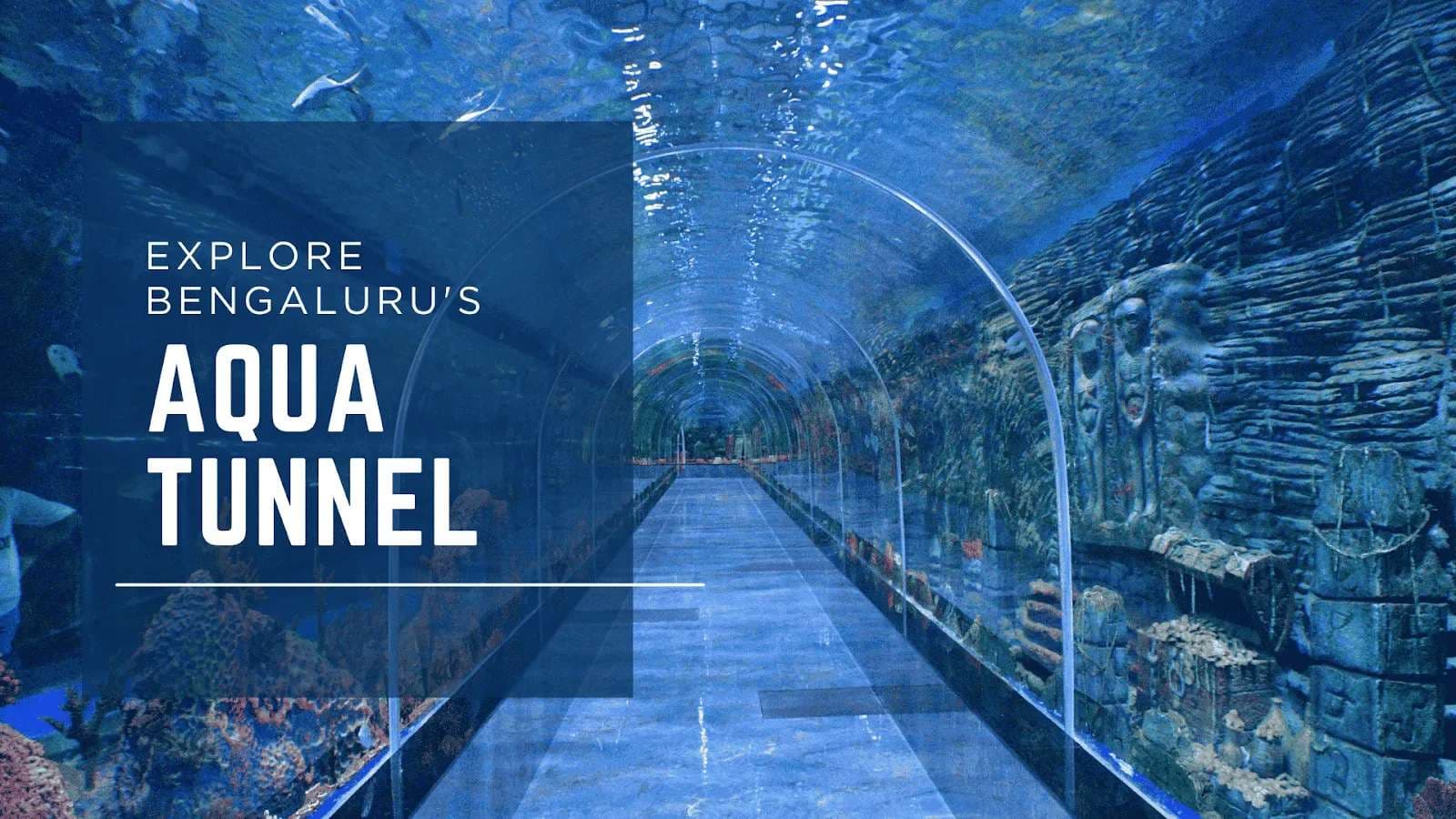
Explore the Mesmerizing Aqua Tunnel in Bengaluru
Discover Bengaluru's Aqua Tunnel, a top tourist spot with stunning aquatic displays and interactive experiences. Plan your visit today!

5.16.2025
Mesmerising Little Mermaid Shows Near You
Discover the magic of Aquarium Paradise in Bangalore with its unique underwater tunnel, mermaid show, and interactive marine experiences. Get more info here.
Recommended for you
Explore more from Aquarium Paradise and related picks tailored to this page.
