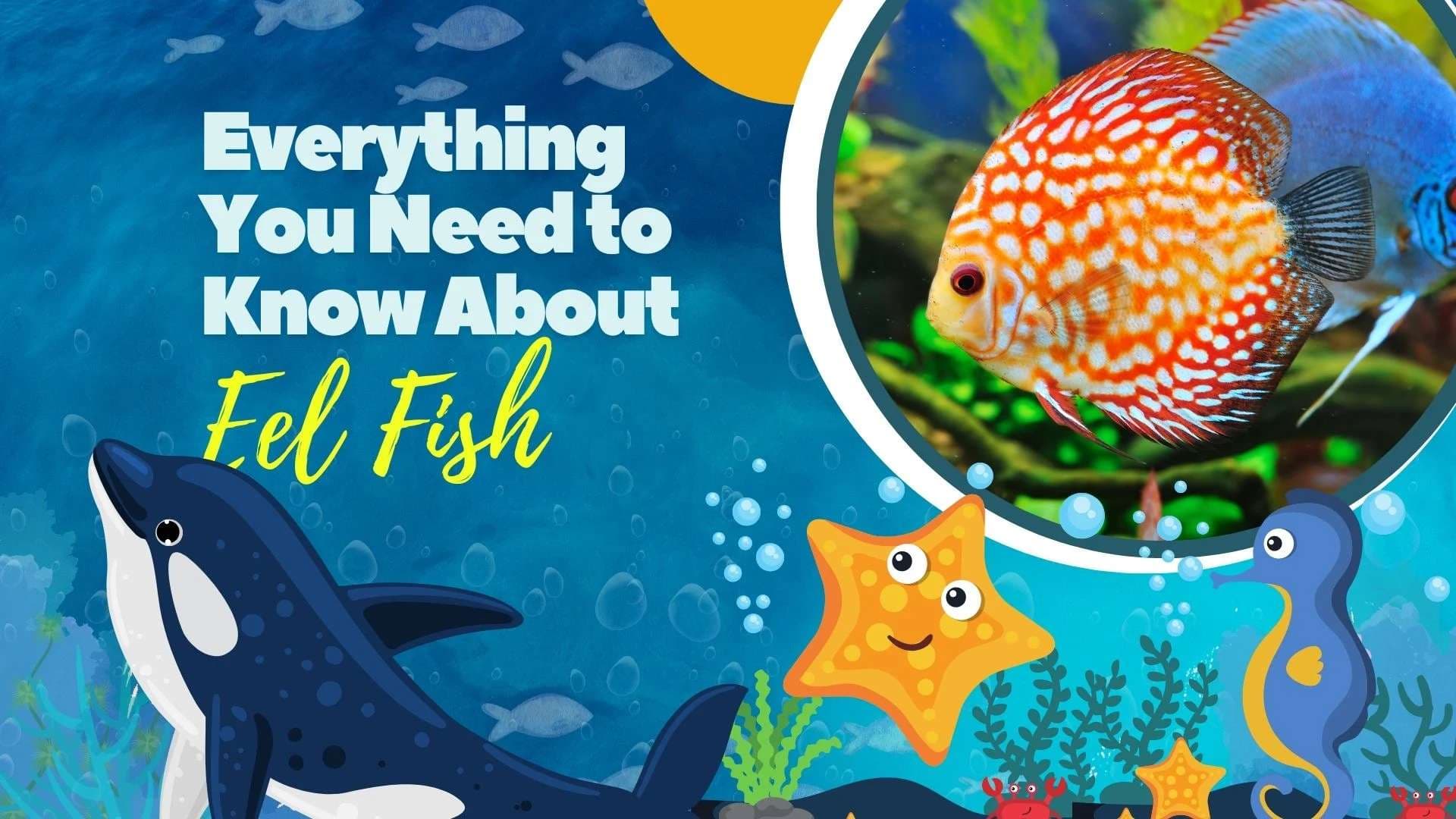
Everything You Need to Know About Eel Fish
Explore eel characteristics, lifecycle stages, habitats, culinary uses, conservation efforts, and ecological impact.

Child Ticket - Aquarium Paradise

Adult Ticket - Aquarium Paradise

FUNWEDNESDAY – Buy 1, Get 1 Free
At a Glance
- Eels Are Fish, Not Snakes: Eels are ray-finned fish in the Anguilliformes order, with snake-like bodies, continuous fins, and no pelvic fins.
- Catadromous Migration: Indian Mottled Eel (Anguilla bengalensis) hatches in the sea, grows in freshwater rivers like the Ganga and Brahmaputra, then returns to the ocean to spawn.
- Cooking is Key to Safety: Eel blood has a mild neurotoxin, but thorough cooking destroys it, making eels safe and nutritious to eat.
- Conservation is Critical: Dams and river pollution block eel migration, threatening their survival and the health of aquatic ecosystems. Protection is essential.
The Baffling Biology of Eels
Despite their uncanny resemblance to serpents, eels are not reptiles. They belong to the order Anguilliformes, making them actual fish. This is the big reveal many visitors miss! Their most distinctive feature is their unique physique: an elongated, tubular body, the complete absence of pelvic fins, and dorsal, anal, and caudal fins that are often fused into a single continuous ribbon-like structure.
This design allows for the fluid, sinuous movement known as anguilliform swimming, enabling them to navigate tight rock crevices and murky depths with ease. Most species also lack the typical scales of other fish, relying instead on a thick, protective mucus layer.
The Fascinating Family of Eels (Key Types)
The eel family is incredibly diverse, but a few key groups garner the most attention:
- Moray Eels (The Colourful Cave Dwellers): Their often-vibrant, patterned skin makes them stunning subjects in the aquatic world. They are known for their powerful, sharp teeth and an incredibly unique adaptation for securing prey: a second set of jaws, known as pharyngeal jaws, which rapidly shoot forward to pull prey in.
- Conger Eels (The Deep-Sea Giants): Generally larger and less coloured than Morays, Conger eels prefer deeper, colder marine waters.
- Freshwater Eels (The Catadromous Travellers): This group includes the renowned Indian Mottled Eel (Anguilla bengalensis). These eels exhibit a fascinating biological trait called catadromous migration. They are born in the ocean, migrate to live and grow in freshwater rivers and estuaries (such as the Ganges basin), and then undertake an epic return journey to the sea to reproduce and complete their life cycle.
Also Read: What Is the Deepest Ocean in the World?
Habitat & Distribution Across India
India's varied geography offers a wide range of habitats for elongated fish, from the deep, marine reefs of the coasts to the tranquil, shallow rice paddies in the countryside. This diversity allows these fish to thrive in different environments, adapting to both saltwater and freshwater ecosystems, contributing to India's rich aquatic biodiversity.
Let’s look at how different Eel species are distributed across India.
Home to India’s longest underwater tunnel, Aquarium Paradise features over hundreds of marine and freshwater species, including sharks, rays, and sea turtles from around the world.
If you’ve ever wanted to watch these elusive creatures glide just inches away from you, Aquarium Paradise is the perfect place to experience it.
Behaviour & Lifestyle of Eels
Eels lead secretive, nomadic lives as catadromous migrants: hatching in ocean depths, they journey to freshwater rivers and lakes for 5-20 years, burrowing in mud or hiding under rocks.
Nocturnal hunters slither through water, ambushing fish, insects, and crustaceans with sharp teeth. Solitary yet resilient, they evade predators by blending into shadows.
Let’s go deeper into the lifestyle and behaviour.
Nocturnal Hunters and Homebodies
Most eels are nocturnal predators, meaning they are most active under the cover of darkness. They emerge from their crevices, burrows, or hidden ledges at dusk to hunt.
The Eel's Movement and Defence
- Anguilliform Movement: Eels navigate using anguilliform swimming, which involves undulating their entire body in fluid, wave-like movements.
- Protective Slime: They produce copious amounts of thick, protective mucus (slime). This layer guards them against parasites and abrasion from rough rock or sand as they burrow, acting as a natural, insulating coat.
Diet & Feeding Habits
Eels are formidable predators, and their feeding habits are perfectly adapted to their secretive, benthic lifestyle. All eels are carnivores, but their diet and methods vary:
- Marine Eels (e.g., Morays): Typically prey on small fish, octopus, squid, and crabs.
- Freshwater Eels (e.g., Indian Mottled Eel): Feed on crustaceans, aquatic insects, worms, and smaller fish.
Specialised Hunting Techniques
- Scent Tracking: Due to their relatively poor eyesight, eels rely heavily on their acute sense of smell to locate food in murky or dark environments.
- The Pharyngeal Jaw: Moray Eels possess a highly specialised adaptation: pharyngeal jaws.
Are Eel Fish Safe for Humans?
Raw eel is unsafe to consume. Unlike some other fish, the blood of eels, including marine eels like the Moray and freshwater species like the European eel, contains a mild neurotoxin.
Moray eels are generally shy and non-aggressive toward humans, attacking only in self-defence, when provoked, or by mistaken identity.
Only specific species of electric eels (which are technically a type of knifefish, not true eels) produce strong electric shocks for defence and hunting.
Life Span & Growth of Eels
Eels boast extraordinary lifespans and slow, highly variable growth patterns, shaped by species, environment, and life stage. Females typically live significantly longer, often decades more than males, and grow to substantially larger sizes.
These differences are strongly influenced by habitat conditions, food availability, population density, and the distance and difficulty of their migratory journeys, particularly the long oceanic migrations required for reproduction.
Here is the life span and growth cycle of Eels.
- European Eels: 5-20 years in freshwater (maturing at 10-14 years, 60-80 cm); record 155 years in captivity.
- American Eel: 10-30 years freshwater phase (2-18 years to maturity); females up to 4 ft, 40+ years total.
- Longfin Eel: Averages 35-52 years; females can exceed 100 years, growing over 2 m.
- Japanese Eel: Females 6–12 years (up to 1.5 m); males 2–5 years (shorter, ~0.7 m).
Why Protecting Eels Matters?
Eels sustain aquatic ecosystems by preying on smaller species, acting as biodiversity connectors via migration. They signal water quality and support commercial fisheries. Human threats like dams and pollution disrupt their cycles, risking the collapse of food webs and economic losses. Conservation safeguards rivers, oceans, and communities.
Here’s why you need to protect Eels:
- Primarily targeting the valuable glass eels for aquaculture.
- The construction of dams, weirs, and pumping stations prevents migrating eels from reaching their adult river habitats.
- Eels are susceptible to accumulating toxins like mercury and PCBs due to their long lifespan and high fat content.
- Changes in ocean currents (which carry their larvae) and sea temperatures disrupt their complex life cycles and migration routes.
Read More: Marine Aquarium Salinity: How Much Salt to Use
Aquarium Paradise: Dive Into Bengaluru’s Premier Marine Wonderland
Located in Bengaluru, Aquarium Paradise brings the wonders of the ocean to you, featuring India’s longest underwater tunnel, breathtaking marine exhibits, and interactive experiences for families, students, and curious explorers alike.
- Underwater Tunnel: Walk through India’s longest underwater tunnel and witness sharks, rays, and sea turtles swimming gracefully around you.
- Ticket Pricing: Adult tickets start at ₹399 on weekdays and ₹499 on weekends and holidays.
- Marine Life Diversity: Home to over 500 species, including angelfish, clownfish, lionfish, groupers, moray eels, jellyfish, seahorses, and vibrant coral reef fish.
- Ocean Restaurant Window: Enjoy a one-of-a-kind dining experience with panoramic underwater views, a first in India.
- Interactive Zones: Feed stingrays, touch starfish, and engage with marine life through educational sessions that make learning fun.
- Freshwater Galleries: Discover a stunning collection of vibrant tropical freshwater species from rivers and lakes across the world.
- Family-Friendly Areas: Spacious viewing decks, relaxing rest zones, and family care facilities ensure an enjoyable and comfortable experience for all.
- Educational Exhibits: Explore marine conservation efforts, including coral restoration and sustainable ocean practices.
Wrapping Up
From the vibrant Moray to the migratory Indian Mottled Eel, these fascinating creatures are far more than just "sea snakes." They are vital components of marine and freshwater biodiversity, playing an essential role as both predator and scavenger.
While much of their deep-sea and life-cycle existence remains mysterious, one visit to an underwater attraction can bring you closer to understanding the surprising beauty of the eel.
Support our commitment to marine conservation. Plan your next unforgettable family adventure at Aquarium Paradise. Book your ticket now.
Frequently Asked Questions (FAQs)
1. What makes the Indian Mud Eel unique for survival in monsoon-prone areas?
The Indian Mud Eel uniquely survives monsoons by burrowing mucus-lined tunnels in mud, tolerating low oxygen, and aestivating through dry spells until floods refill habitats.
2. Are eel fish safe to keep with other aquarium species in an Indian home tank?
No, eels are predatory and likely to eat smaller fish or invertebrates; house them solo or with large, robust species in a secure, spacious tank.
3. How do dams in India affect native eel populations?
Dams block upstream/downstream migration routes, isolating populations, reducing access to spawning/nursery habitats, and causing sharp declines or local extinctions of native eels.
4. What’s a traditional Indian recipe featuring eel fish?
Kusiyar Jalukia (Assamese spicy eel curry): Cube 250g eel, sauté grated onions, add papaya chunks, cumin, black mustard seeds, turmeric, chilli; simmer in gravy till tender.
5. Can you spot eels year-round at aquariums like Aquarium Paradise in Bangalore?
Yes, view moray eels year-round in Aquarium Paradise's 180-foot indoor underwater tunnel, featuring over 100 species in climate-controlled exhibits open daily.
More To Read
6.17.2025
Top 10 Largest Crab Species Worldwide
Compare the largest crab in the world like the Japanese Spider and Coconut Crab. Explore traits, habitats, and conservation efforts. Click to know more!
%201.webp&w=1920&q=75)
9.4.2025
Top 20 Kids' Fun Places in Bangalore in 2026
Find the best kids’ fun places in Bangalore in 2026, from Aquarium Paradise and Snow City to Cubbon Park and Bannerghatta. Indoor & outdoor picks for every age.
5.22.2025
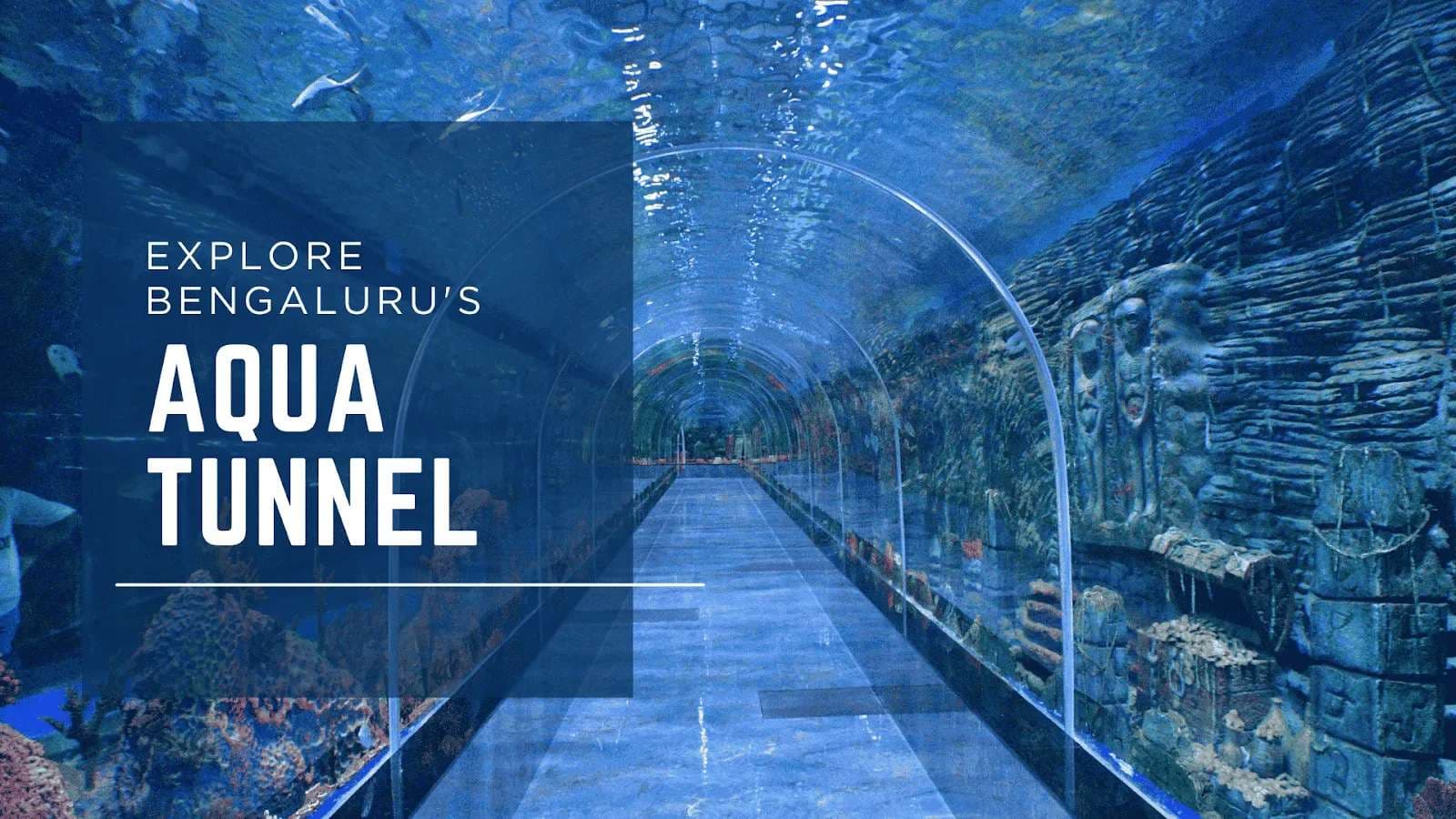
Explore the Mesmerizing Aqua Tunnel in Bengaluru
Discover Bengaluru's Aqua Tunnel, a top tourist spot with stunning aquatic displays and interactive experiences. Plan your visit today!

5.16.2025
Mesmerising Little Mermaid Shows Near You
Discover the magic of Aquarium Paradise in Bangalore with its unique underwater tunnel, mermaid show, and interactive marine experiences. Get more info here.
Recommended for you
Explore more from Aquarium Paradise and related picks tailored to this page.
