Top 10 Facts About the Ocean (2026)
By Anurag Kamboj, Writer, Aquarium Paradise
Published
.webp&w=1920&q=75)
Did you know? Scientists estimate that over 80% of the world’s oceans remain unexplored, meaning we know more about the surface of the Moon than the depths of our own planet’s seas.
This lack of exploration highlights just how mysterious the oceans still are. While they cover most of the Earth’s surface, much of what lies beneath remains hidden from human sight and understanding.
That unknown depth is what makes the aquatic world so fascinating, and so essential to study and protect.
When you start exploring facts about the aquatic world, you quickly realise that oceans shape life far beyond the shoreline. From regulating climate to supporting complex ecosystems, the seas play a central role in sustaining the planet as we know it.

Child Ticket - Aquarium Paradise

Adult Ticket - Aquarium Paradise

FUNWEDNESDAY – Buy 1, Get 1 Free
Key Takeaways
- The ocean produces more than half of the world's oxygen supply through microscopic marine plants.
- The longest mountain range on Earth is actually underwater, stretching over 40,000 miles.
- Approximately 50% to 80% of all life on Earth is found under the ocean surface.
- You can witness rare aquatic species like the Moray Eel and Black Tip Shark at Aquarium Paradise in Bengaluru.
Top 10 Facts About the Ocean
Imagine a place so deep that if Mount Everest were dropped into it, the peak would still be underwater. That place exists, the Mariana Trench. The ocean hides extremes like this across its vast expanse, from underwater mountains to ancient life forms that predate dinosaurs.
These facts about the aquatic world reveal just how powerful, mysterious, and essential the oceans are to life on Earth.
1. The Ocean Covers Over 70% of the Earth’s Surface
It is a common school fact that the ocean covers roughly 71% of our planet, but the sheer volume is difficult to grasp. This massive body of water contains about 1.3 billion cubic kilometres of water, representing 97% of all the water on Earth's surface.
Because of this, the ocean is the largest habitable space for life, dwarfing all land-based habitats combined.
Moving from the sheer scale of the water to the vital role it plays in our survival, we find our next fact.
2. Most of the Oxygen You Breathe Comes from the Ocean
While rainforests are often called the lungs of the planet, the ocean actually provides between 50% and 80% of the Earth's oxygen. This is achieved through phytoplankton, microscopic plants that live near the water surface.
These tiny organisms use photosynthesis to convert sunlight and carbon dioxide into energy, releasing oxygen as a byproduct.
Scientists estimate that one specific type of bacteria, Prochlorococcus, is responsible for one out of every five breaths a human takes. This emphasises why protecting marine health is a global priority.
Besides providing air, the ocean is also home to the majority of Earth's living creatures.
3. Between 50% and 80% of All Life is Aquatic
The variety of life beneath the waves is staggering. While we are familiar with whales and dolphins, the vast majority of marine life consists of microbes and small invertebrates. Just one litre of seawater can contain up to 38,000 different kinds of microbes.
For those in Bengaluru, you can see a portion of this biodiversity at Aquarium Paradise. Their 180° panoramic tunnel allows you to view rare aquatic species from a unique angle, surrounding you with marine life from floor to ceiling. Book your tickets now.
4. The Deepest Point is Nearly 11,000 Metres Down
The Challenger Deep, located in the Mariana Trench in the western Pacific, is the deepest known point on Earth. It reaches a depth of approximately 10,935 metres. To put this into perspective, if you placed Mount Everest at the bottom of the trench, its peak would still be over two kilometres underwater.
The pressure at these depths is immense, over 1,000 times the standard atmospheric pressure at sea level. This is equivalent to having an elephant stand on your thumb. Only specially designed submersibles and highly adapted organisms can survive here.
After discussing the extreme depths, it is worth looking at the massive structures found on the seafloor.
Also Read: The Importance of Aquarium: Health, Education, and Conservation Benefits
5. The World’s Longest Mountain Range is Underwater
While the Andes and the Himalayas are famous, the Mid-Ocean Ridge is actually the longest mountain range on Earth. It stretches for more than 40,390 miles, winding around the globe like the seams on a baseball. About 90% of this mountain range is hidden beneath the ocean surface.
This ridge is a site of constant geological activity, where tectonic plates pull apart, and new ocean crust is formed by rising magma. It plays a fundamental role in regulating the Earth's internal temperature and chemical balance.
While these mountains are cold and dark, other parts of the ocean are surprisingly hot.
6. Most Volcanic Activity Occurs Underwater
Roughly 90% of all volcanic activity on Earth happens in the ocean. The South Pacific has the largest concentration of active volcanoes, with thousands of vents and seamounts regularly erupting. These underwater volcanoes release minerals and heat, creating unique ecosystems called hydrothermal vents.
In these areas, life exists without sunlight. Bacteria use chemicals from the volcanic vents to create energy in a process called chemosynthesis, supporting tube worms, blind crabs, and other exotic creatures.
Transitions in temperature are also felt in other attractions. If you enjoy the cool, air-conditioned environment of the Aquarium Paradise jellyfish room, you might also enjoy the sub-zero temperatures of Snow City Bangalore.
Located nearby, Snow City offers a winter wonderland experience with ice sculptures and snow slides, providing a stark contrast to the tropical marine vibes of the aquarium.
Suggested Read: Top Tourist Places to Visit in Bangalore
7. Jellyfish Predate the Dinosaurs
Jellyfish are some of the oldest multi-organ creatures on the planet, having inhabited the oceans for over 500 million years. This means they were swimming in the sea long before dinosaurs walked the Earth.
They are masters of survival, consisting of about 95% water and lacking a brain, heart, or bones.
Fascinated by jellyfish? Aquarium Paradise has a dedicated Jellyfish Room where you can watch these ancient creatures glow and float in a surreal, immersive setup.
8. The Blue Whale is the Largest Animal to Ever Exist
The Blue Whale is larger than any dinosaur that ever lived. A full-grown adult can reach lengths of 30 metres and weigh as much as 200 tonnes. Its heart is the size of a small car, and its tongue alone can weigh as much as an entire elephant.
Despite their massive size, Blue Whales feed almost exclusively on tiny shrimp-like creatures called krill. They are a reminder of the incredible scale that life can reach when supported by the buoyancy of water.
From gentle giants, we move to the ocean's most misunderstood predators.
9. Sound Travels Five Times Faster Underwater
In the air, sound travels at about 343 metres per second. In seawater, it travels at approximately 1,480 metres per second. Because water is denser than air, sound waves move much more efficiently.
This is why whales and dolphins rely on sound for communication over hundreds of kilometres. They use echolocation to navigate the dark depths, "seeing" their environment through sound waves.
This efficiency of sound is one reason why noise pollution from shipping is such a significant concern for marine biologists today.
10. The Ocean Contains Diluted Gold
If you could extract all the gold from the world's oceans, there would be enough to give every person on Earth about four kilograms of the precious metal. However, the gold is highly diluted. There is only about one-thirteen billionth of a gram of gold in every litre of seawater.
Currently, there is no cost-effective way to mine this gold, so it remains safely tucked away in the currents. The ocean also contains vast amounts of other minerals, making it a potential resource for the future of green technology.
Conclusion
The ocean remains the final frontier of our planet, representing a realm of immense power, ancient history, and biological complexity.
From the microscopic phytoplankton providing the oxygen in our lungs to the massive blue whales roaming the deep, these facts about the aquatic world highlight a global ecosystem that is vital for human survival yet remains largely unexplored.
Understanding the mechanics of the sea, from volcanic activity on the seafloor to the speed of sound underwater, is the first step toward appreciating the delicate balance of life on Earth. As science continues to map the remaining depths of the seabed, our knowledge will only grow, further revealing the mysteries that lie beneath the surface.
While these global oceanic wonders may seem remote, residents of Bengaluru have a unique opportunity to witness the beauty of the sea closer to home.
Aquarium Paradise: A Living Example of Ocean Wonders
Reading about the ocean is fascinating. Walking through it is unforgettable.
At Aquarium Paradise, you don’t just learn facts about the aquatic world; you experience them. From the 180° underwater tunnel to the glowing Jellyfish Room and sightings of species like Moray Eels and Black Tip Sharks, the visit feels like stepping into a living ocean documentary.
It’s not just educational for kids, but surprisingly calming for adults too. Book your tickets online in advance and get 10% early booking discount:
Frequently Asked Questions (FAQs)
1. Is the Mermaid Show included in the ticket price?
Yes, the Mermaid Show is a complimentary attraction at Aquarium Paradise. Professional swimmers perform in mermaid costumes within the large viewing tanks multiple times a day.
2. How long does it take to go through the aquarium?
Most visitors spend about 1 to 1.5 hours exploring the various exhibits, including the 180° underwater tunnel, the Jellyfish Room, and the Ocean Window Seating Lounge.
3. Are there age limits for children's tickets?
Kids' pricing generally applies to children under a certain height or age bracket. It is best to check at the ticket counter for specific height-based categories to ensure you get the correct fare.
4. Is photography allowed for social media?
Yes, the aquarium is designed to be photography-friendly. The 180° panoramic views and reflective jellyfish exhibits are popular for vlogs and reels. Please avoid using flash photography to protect the eyesight of the marine animals.
5. Can we visit Fun World and the Aquarium on the same day?
Yes, their close proximity in J.C. Nagar makes it very easy to visit both. Many families choose to visit the aquarium in the morning and spend the afternoon at the Fun World amusement or water park.
Writer, Aquarium Paradise
Anurag Kamboj writes the Aquarium Paradise blog, covering marine life, exhibits, ticket offers and practical tips for planning a family visit to Bengaluru's aquarium.
- Aquariums
- Marine life
- Family days out in Bengaluru
More To Read

6.17.2025
Top 10 Largest Crab Species Worldwide
Compare the largest crab in the world like the Japanese Spider and Coconut Crab. Explore traits, habitats, and conservation efforts. Click to know more!
%201.webp&w=1920&q=75)
9.4.2025
Top 20 Kids' Fun Places in Bangalore in 2026
Find the best kids’ fun places in Bangalore in 2026, from Aquarium Paradise and Snow City to Cubbon Park and Bannerghatta. Indoor & outdoor picks for every age.
5.22.2025
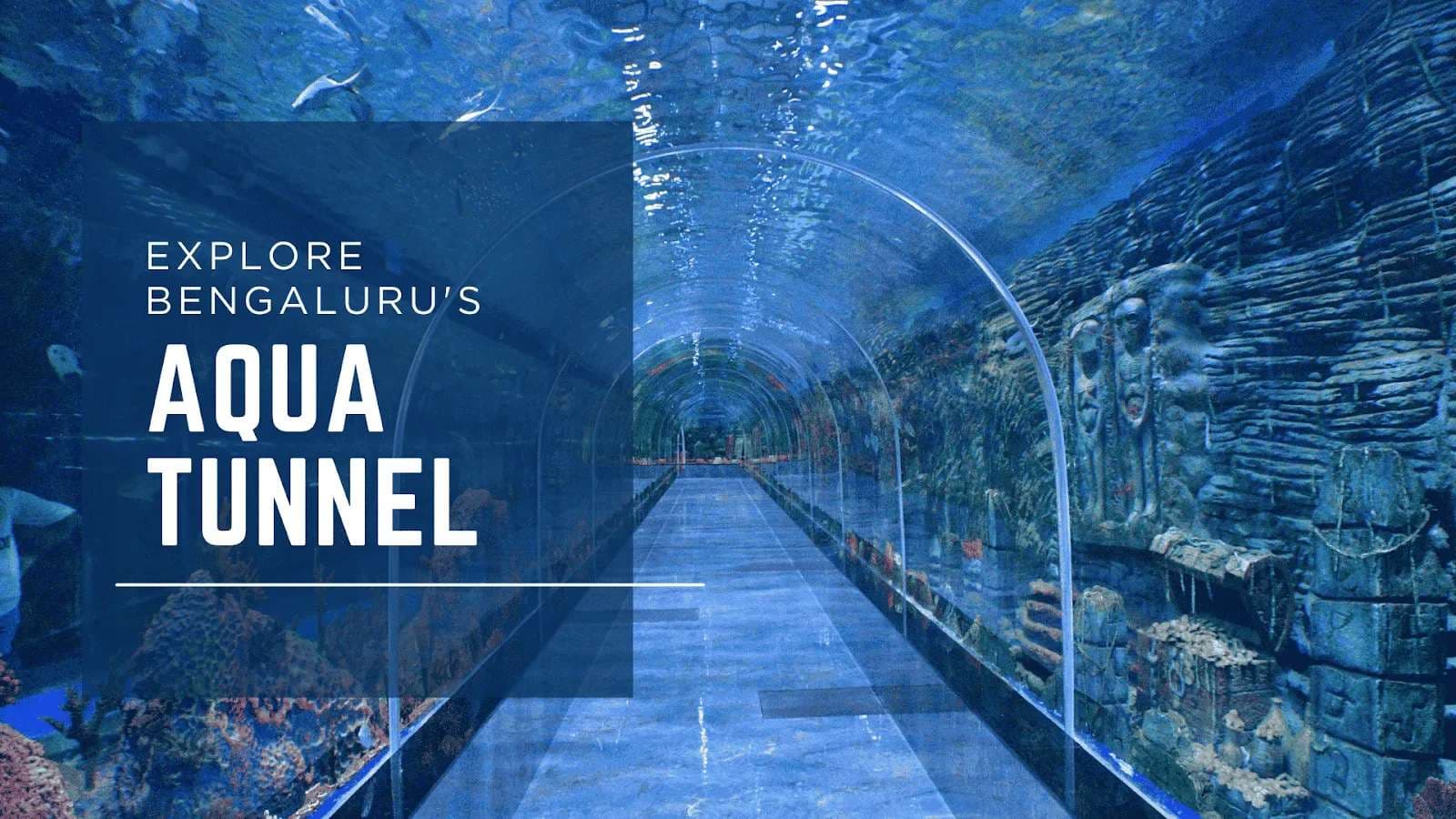
Explore the Mesmerizing Aqua Tunnel in Bengaluru
Discover Bengaluru's Aqua Tunnel, a top tourist spot with stunning aquatic displays and interactive experiences. Plan your visit today!

5.16.2025
Mesmerising Little Mermaid Shows Near You
Discover the magic of Aquarium Paradise in Bangalore with its unique underwater tunnel, mermaid show, and interactive marine experiences. Get more info here.
Recommended for you
Explore more from Aquarium Paradise and related picks tailored to this page.
