Shall We Feed Peas for Aquarium Fish? A Guide for Aquarists in 2026
By Anurag Kamboj, Writer, Aquarium Paradise
Published
Your betta suddenly floats sideways at the water's surface, struggling to swim downward. Your goldfish looks bloated, hasn't eaten in two days, and seems lethargic. Your guppies swim awkwardly, tilted at strange angles. You've frantically searched online and keep seeing the same peculiar advice: feed them peas.
Wait, peas? The green vegetables from your freezer? For fish?
It sounds absurd until you understand the science. Peas have become aquarium medicine, recommended by veterinarians and experienced fishkeepers worldwide for treating some of the most common and distressing fish health problems.
This complete guide explains exactly why peas work as fish medicine, which fish benefit from them, how to prepare them correctly (getting this wrong can harm your fish), how much to feed and how often, and what results to expect.

Child Ticket - Aquarium Paradise

Adult Ticket - Aquarium Paradise

FUNWEDNESDAY – Buy 1, Get 1 Free
Overview
- Peas can help with constipation. Their high fibre content acts as a gentle laxative, helping fish pass waste more easily.
- They may improve swim bladder issues caused by digestion. When constipation puts pressure on the swim bladder, fish may float on their sides or sink. Peas help relieve that internal pressure.
- Best suited for omnivorous fish: Goldfish, guppies, mollies, and similar species naturally eat plant matter and usually benefit most from it. Not ideal for carnivorous species: Fish like bettas are insect-eaters by nature and may not digest plant fibre efficiently.
- Preparation matters: Use frozen peas, remove the outer skin, and mash them into small pieces so the fish can digest them easily. Use as a remedy, not daily food. Peas lack essential proteins and fats required for long-term health.
- Remove uneaten portions quickly. Leftover peas break down fast and can raise ammonia levels, harming water quality.
Why Fish Eat Peas: Understanding the Digestive Miracle
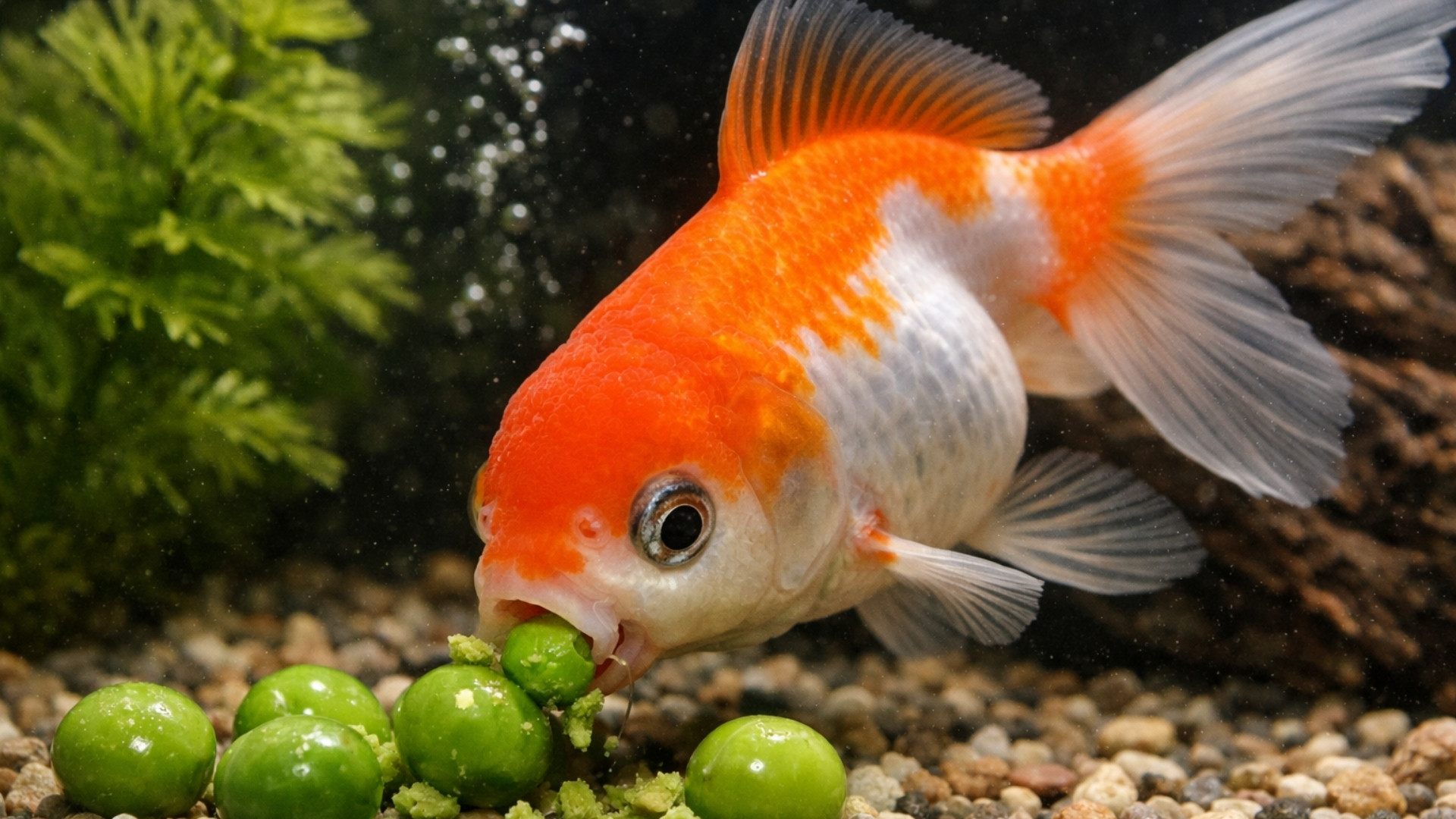
Fish in home aquariums face a digestive problem their wild ancestors rarely encountered: constipation. In natural habitats, fish consume a varied diet, including insects, algae, plant matter, and microorganisms, providing dietary fibre.
Home aquariums typically offer protein-rich flakes, pellets, or frozen foods that lack sufficient fibre, which can lead to digestive blockages.
Signs of Swim Bladder Issues
When the swim bladder is compressed, fish struggle with buoyancy. Look out for:
- Floating helplessly at the surface
- Sinking to the bottom and unable to rise
- Swimming sideways
- Performing barrel rolls
Love caring for fish at home? Take your passion beyond the tank and explore 100+ marine and freshwater species up close at Aquarium Paradise Bengaluru, home to India’s longest underwater tunnel and magical mermaid shows.
Why Feed Peas to Aquarium Fish?
Peas aren’t commercial fish food; they’re a dietary supplement, typically used for specific purposes:
1. Helps with Digestion and Swim Bladder Issues
Peas are rich in dietary fibre, which acts as a natural laxative for fish. This can help relieve constipation and reduce pressure on the swim bladder, the organ that controls buoyancy.
Goldfish and fancy goldfish are especially prone to constipation and swim bladder disorder because of their body shape, which is why peas are frequently used with them.
2. Reduces Ammonia Production
Peas have much less protein than regular fish foods, so they produce less ammonia when digested. Lower ammonia can help keep water quality more stable.
3. Variety and Micronutrients
Peas contain vitamins and minerals, such as vitamin A, vitamin C, potassium, and fibre, all of which are helpful for general health when used correctly.
Note: Peas should not replace a balanced diet rich in protein, fats, and other nutrients
Also Read: What Is the Deepest Ocean in the World?
Beyond Constipation: The Hidden Benefits
While digestive rescue remains peas' primary superpower, they offer secondary advantages when used thoughtfully.
- Nutritional diversity matters more than people realise. Wild fish eat an astounding variety of food types weekly. Captive fish often eat identical pellets eternally. Peas add different vitamins and minerals than animal proteins provide, vitamin K for blood health, vitamin C for immune function, and vitamin A for tissue repair.
- Digestive maintenance prevents crises before they develop. Weekly pea feeding helps maintain intestinal motility, reducing the likelihood of severe blockages. Preventive medicine beats emergency treatment.
- Obesity prevention helps goldfish, which are particularly prone to being overweight. Replacing one weekly meal with low-calorie, high-fibre peas reduces caloric intake while maintaining feeding frequency. Fish still eat (satisfying behavioural needs) without consuming excess calories, leading to fat deposits and organ stress.
- Colour enhancement occurs subtly through carotenoids and vitamins supporting skin health and pigmentation. Not dramatic like specialised colour foods, but peas contribute to overall vibrancy when combined with a quality base diet.
These benefits only manifest when peas supplement, not replace, proper nutrition.
Which Fish Can Eat Peas: Species-Specific Benefits
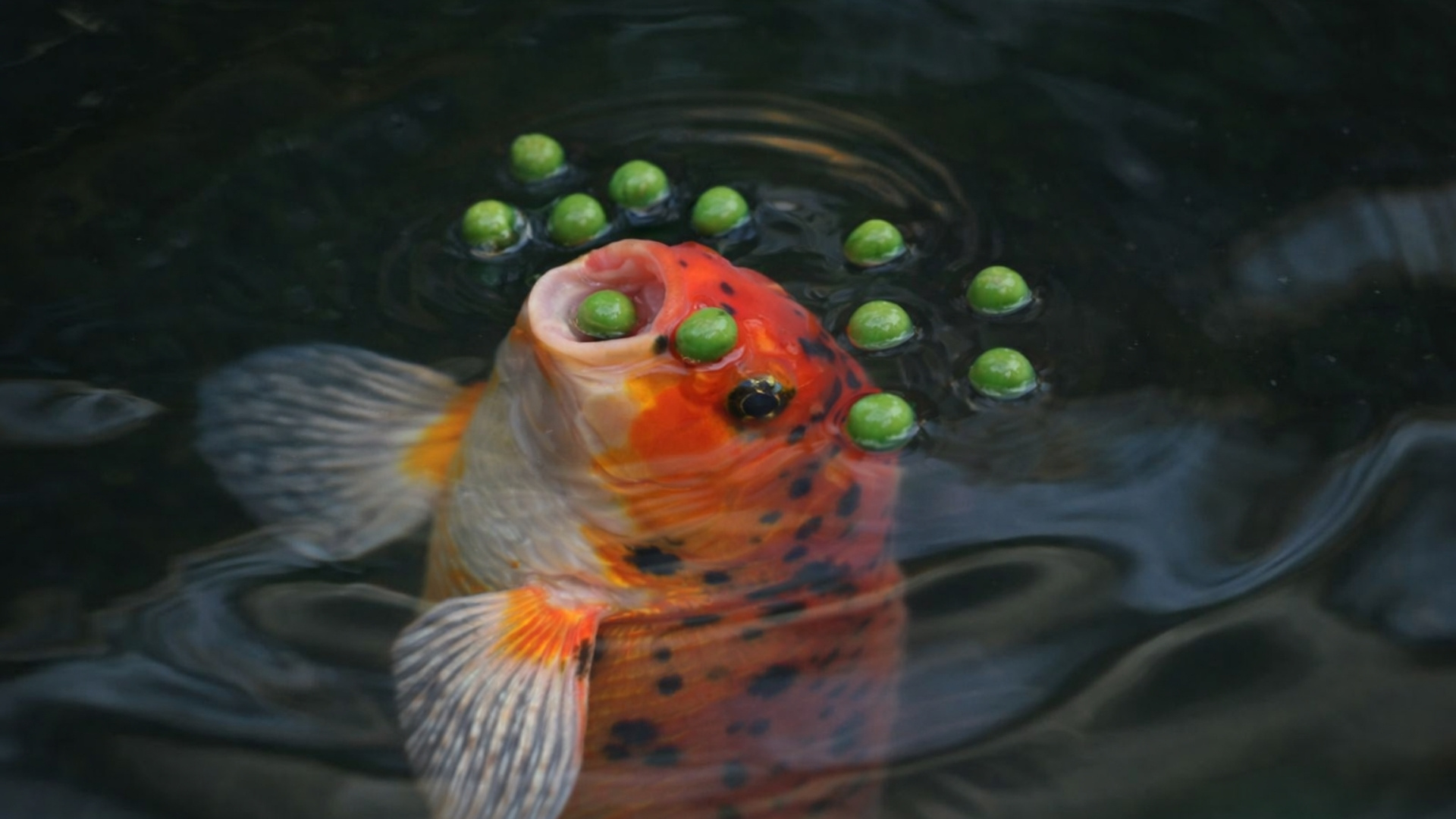
Not all fish should eat peas, and some benefit more than others. Understanding which fish are appropriate pea candidates prevents wasting effort on species that won't eat vegetables or could be harmed by them.
1. Goldfish
Goldfish are the primary pea beneficiaries and the fish most commonly affected by swim bladder constipation.
Fancy goldfish varieties, those with round, compressed bodies like orandas, ranchus, ryukins, and black moors, are especially prone to buoyancy problems. Their shortened, selectively bred body shapes compress internal organs, making them particularly susceptible to digestive issues.
Goldfish are naturally omnivorous and readily accept plant matter in their diet. They eagerly eat peas and respond dramatically to pea treatment when constipated.
2. Bettas
Bettas or Siamese fighting fish frequently develop swim-bladder disorders despite their reputation as carnivorous fish. Betta owners often overfeed protein-rich foods, which can lead to constipation.
Bettas can and will eat properly prepared peas, though they're sometimes pickier than goldfish. The high protein content in typical betta pellets and bloodworms makes occasional fibre supplementation beneficial, even for healthy bettas, as preventive care.
3. Guppies, mollies, platies, and other livebearers
These are naturally omnivorous fish that graze on algae and other plant matter in their natural habitats. They readily accept peas as part of their diet and benefit from the fibre content.
Livebearers sometimes develop bloating or constipation, particularly females after giving birth, and peas can help resolve these issues.
4. Tetras, barbs, and other omnivorous community fish
These fish will often eat peas if properly prepared and introduced. While they're less prone to severe constipation than goldfish, occasional vegetable feeding contributes to balanced nutrition and digestive health.
5. Cichlids
Herbivorous cichlids like certain African cichlid species already consume significant plant matter and readily accept peas.
Carnivorous cichlids may or may not eat peas depending on individual preference, but they typically don't need them unless showing specific digestive symptoms.
Fish That Should Not Eat Peas
Fish that should not eat peas include strict carnivores like most catfish species, predatory fish, and species with specialised diets.
Plecos and other algae eaters don't need peas; they already consume plant matter constantly.
Carnivorous species lack digestive systems designed for processing plant materials and gain no benefit from peas.
How to Prepare Peas for Fish
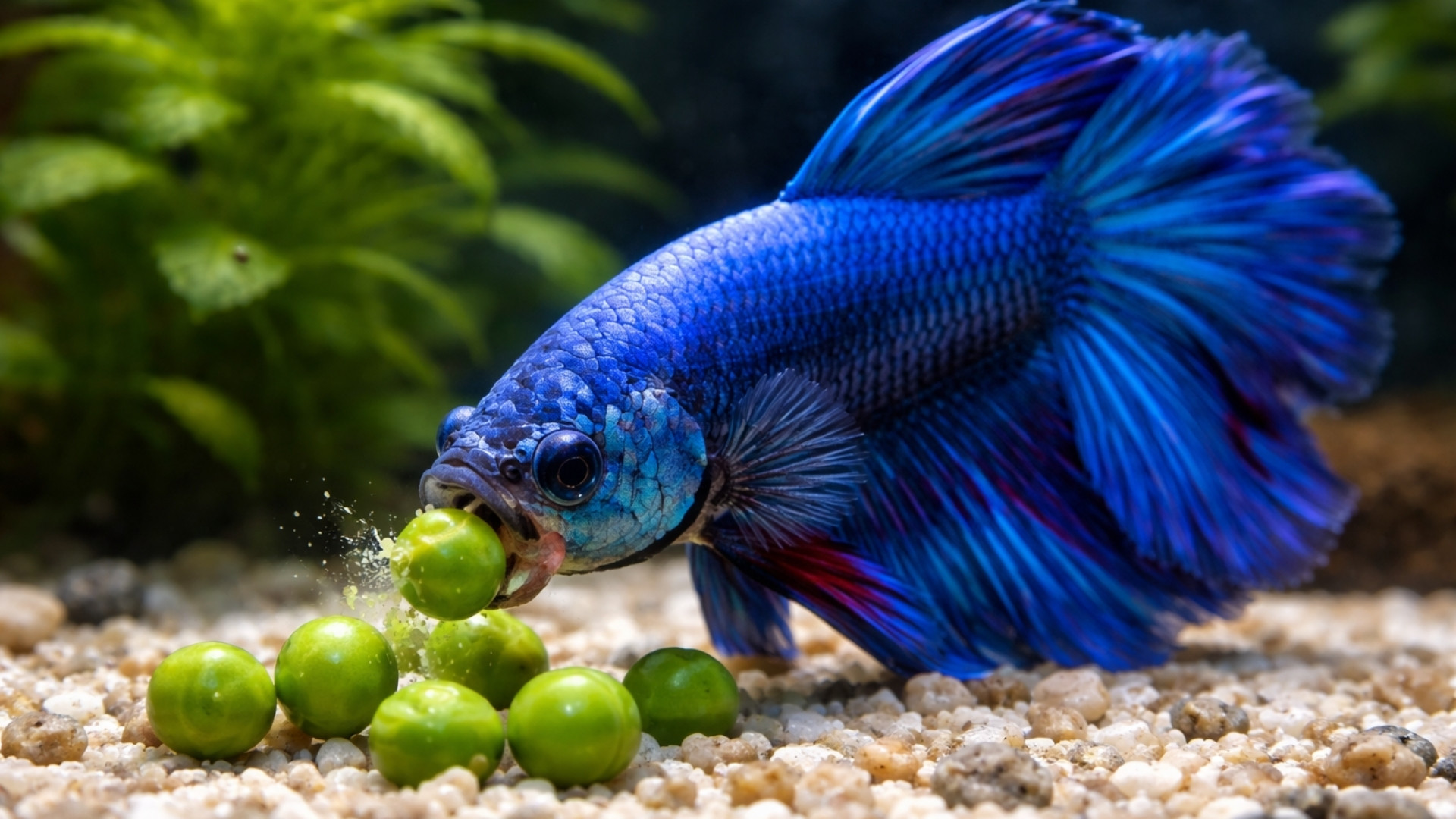
Preparation determines whether peas help or harm your fish. Raw peas fed incorrectly can cause choking, fail to provide benefits, or even worsen constipation.
Follow these steps precisely for safe, effective pea feeding.
Step 1: Start with frozen peas, not canned or raw.
Frozen peas provide the ideal texture and nutritional profile. Canned peas contain added salt and preservatives that harm fish; never use them. Fresh raw peas are too hard for fish to digest properly, even after they are shelled. Frozen blanched peas offer the perfect consistency once properly prepared.
Step 2: Cook the peas thoroughly by boiling or microwaving.
Remove 3-5 peas from the frozen package. Boil them in a small amount of water for 1-2 minutes until they're soft enough to squish easily between your fingers.
Alternatively, microwave them in a small dish with water for 30-60 seconds until tender. The goal is to soften the peas without turning them into complete mush; they should hold together but yield easily to pressure.
Step 3: Remove the outer shell completely.
This step is absolutely critical and the most common mistake new fishkeepers make. The outer skin of peas is made of cellulose that fish cannot digest. If fed with shells intact, peas can cause blockages rather than relieving them.
After cooking and cooling peas enough to handle, gently squeeze each pea. The soft inner portion should pop out of the shell easily. Discard the shells entirely and keep only the soft, pale green interior.
Step 4: Chop the peas to the appropriate size for your fish.
A whole pea interior is still too large for most fish to consume comfortably. For bettas and small fish (under 2 inches), chop each pea into 4-6 tiny pieces; for medium fish like adult guppies or small goldfish (2-3 inches), cut each pea into halves or thirds.
Larger goldfish (4+ inches) might handle half a pea or even a whole pea interior, but smaller pieces are always safer and easier to consume.
Step 5: Cool peas to aquarium temperature before feeding.
Never drop hot peas into your tank. Let them cool completely to room temperature or rinse with cool water. Temperature shock can stress fish and cause them to refuse food.
Step 6: Sink the peas for bottom-feeders or fish that won't surface-feed.
Most prepared pea pieces float initially. If your fish won't come to the surface or prefers bottom feeding, attach a small piece of pea to a feeding clip near the substrate, or weight it down with a small rock until it sinks naturally.
The entire preparation process takes about 5 minutes once you've done it a few times.
Also Read: Top 10 Cutest Fish in the World
How Often Should You Feed Peas?
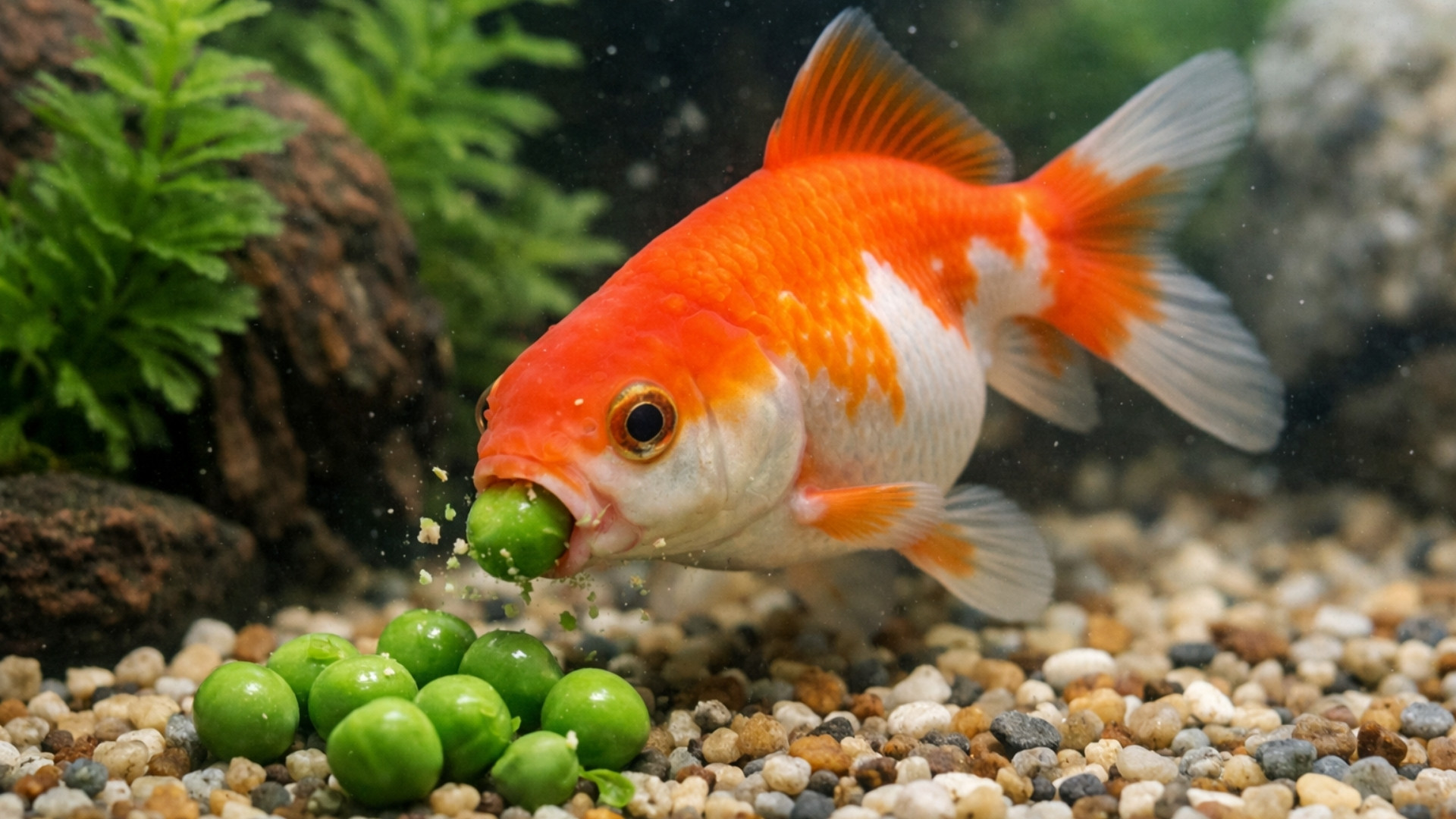
Peas are a treatment and occasional supplementation, not a staple food. Knowing how much to feed and how frequently prevents nutritional imbalances while maximising therapeutic benefits.
1. For treating active constipation or swim bladder disorder: Feed only peas for 1-3 days. Remove all other food sources during treatment. The amount per fish depends on size: small fish (bettas, guppies) receive 1-2 small pea pieces daily; medium fish (young goldfish, mollies) get 2-3 pieces daily; large fish (adult goldfish, large cichlids) can consume 3-4 pieces or up to half a whole pea interior daily.
Feed peas once per day during treatment periods, preferably in the evening. Fish digest food overnight, so evening feeding means morning waste elimination, when you can observe results.
Watch your fish carefully during treatment. If you observe them passing waste and swimming normally, resume normal feeding with reduced portions within 2 days. If symptoms persist after 3 days of pea treatment, the problem is likely not simple constipation and requires investigation into water quality, disease, or other health issues.
2. For preventive feeding in constipation-prone species like goldfish, incorporate peas into the regular feeding schedule once weekly. Skip one regular feeding day per week and substitute peas instead. This provides digestive system maintenance without disrupting nutritional balance.
3. Never feed peas daily to any fish long-term: Peas lack complete nutrition for fish; they provide fibre and some vitamins, but don't contain protein, fats, and micronutrients fish require. Extended pea-only feeding causes malnutrition. Peas are medicine and occasional supplements, not complete diets.
4. Watch for refusal or difficulty eating: If your fish ignores peas completely after several hours, remove them before they decompose and foul the water.
Some fish need training to accept vegetables. Try the next day again with smaller pieces. If your fish tries eating peas but spits them out repeatedly, the pieces may be too large or not soft enough. Re-prepare with longer cooking and smaller chopping.
The amount matters significantly. Overfeeding even beneficial foods causes problems. One small pea interior provides enough fibre for several small fish or one large fish per day.
What to Expect: Timelines and Success Indicators
Understanding realistic expectations prevents premature judgement about whether pea treatment is working and helps you know when to seek alternative solutions.
2-6 hours post-feeding: Healthy fish pass waste. You'll see greenish, stringy feces, exactly what you want. The fibre is moving things along.
12-24 hours: Swimming behaviour shifts. Fish floating sideways gradually level out. Bottom-stuck fish rise to mid-water. Improvement is often gradual, not sudden; patience matters.
48-72 hours: Full recovery in most cases. Badly constipated fish need time even after the blockage clears. The swim bladder decompresses slowly, and gas regulation normalises gradually.
Beyond 3 days: If zero improvement occurs, constipation wasn't the problem. Test water parameters, ammonia, and nitrite must be zero, and pH must be stable. Consider bacterial infections, physical injuries, genetic defects, or parasites. Veterinary consultation or antibacterial treatment may be necessary.
Success means gradually reintroducing normal foods on day 4-5, but here's the critical insight: whatever feeding pattern caused constipation will cause it again unless you change something.
Reduce portions by 30-50%. Feed smaller amounts more frequently rather than large meals. Incorporate vegetables into regular rotation. Most fish are overfed, not underfed. The constipation happened for a reason, usually too much food.
Common Mistakes That Reduce Pea Effectiveness
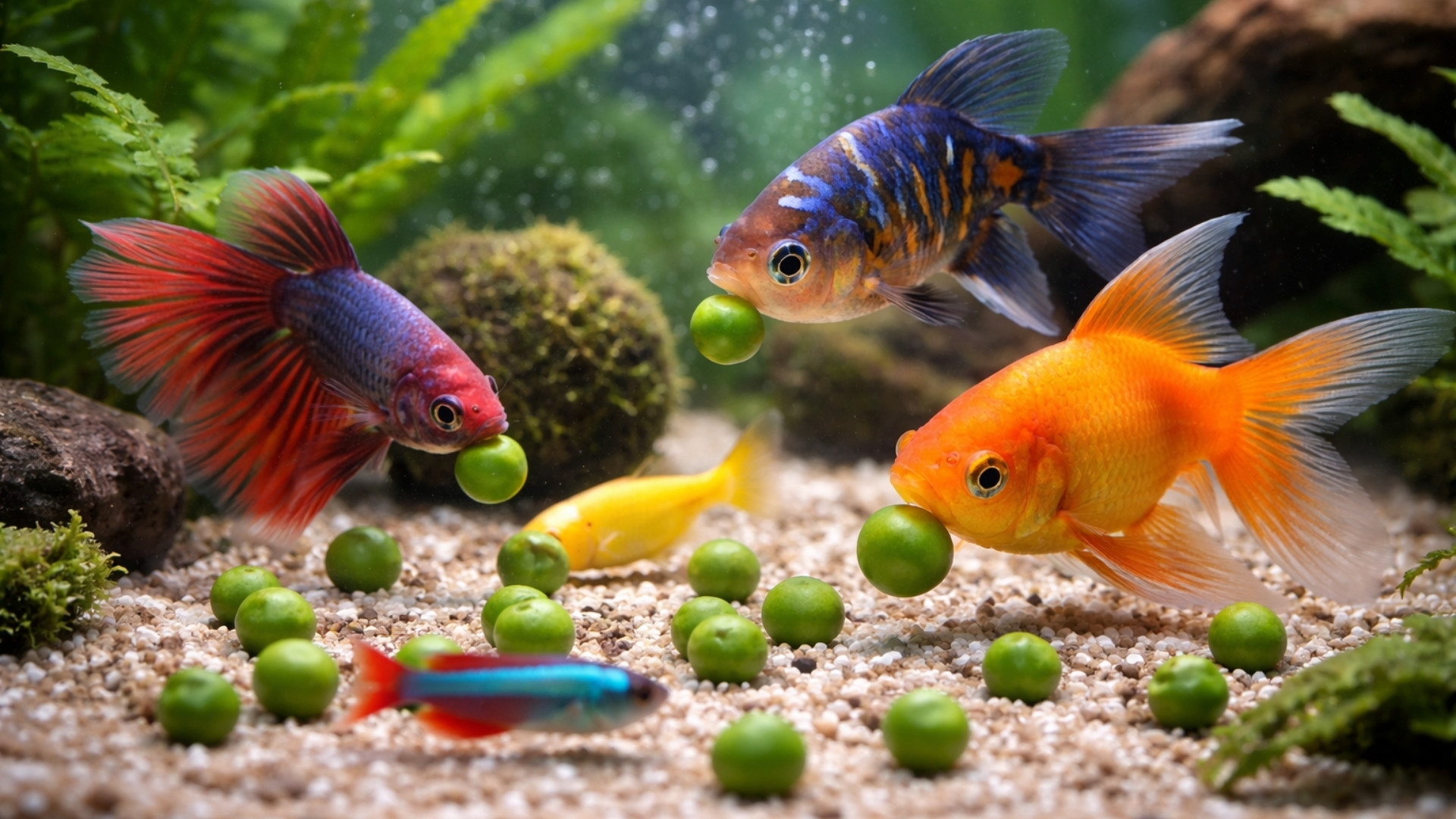
Even well-intentioned fish keepers make errors that prevent peas from working properly or inadvertently harm fish during treatment.
1. Feeding peas with shells intact is the most frequent and problematic mistake. Fish cannot digest cellulose shells, which can create blockages rather than relieve them. Always remove shells completely, even though this adds preparation time. The soft interior provides the benefits, but the shell only causes problems.
2. Using canned peas instead of frozen ones introduces salt and preservatives into your aquarium. Salt content varies by brand but universally exceeds safe levels for freshwater fish. Preservatives can disrupt beneficial bacteria in established aquariums. Frozen peas cost slightly more but are worth the extra cost for food safety.
3. Chopping peas too large for fish size leads to fish struggling with pieces too big to swallow comfortably, potentially choking, or simply ignoring food they cannot manage. When in doubt, chop smaller. Tiny pieces are always safer than large chunks, and fish will eat multiple small pieces more readily than struggling with one large piece.
4. Continuing normal feeding while peas are present during treatment defeats the purpose. Peas work by giving digestive systems a break from protein-heavy foods while providing fibre to clear blockages. If you feed regular pellets or flakes along with peas, you're adding more material to already compromised digestive tracts. Peas must be the only food during active treatment periods.
5. Expecting instant results and giving up too quickly causes people to abandon effective treatment prematurely. Constipation that develops over days won't always resolve in hours. Give pea treatment a full 48-72 hours before concluding it isn't working. Swimming improvement sometimes lags behind waste passage; patience matters.
6. Feeding peas long-term as the primary diet causes malnutrition. Peas lack complete protein, essential fatty acids, and micronutrients that fish require. After treatment is successful, return to balanced nutrition, incorporating a variety of foods, including quality pellets, frozen foods, and occasional vegetables.
7. Ignoring water quality during treatment overlooks a major factor in fish health. Constipation symptoms sometimes mask or coincide with water quality problems.: testammonia, nitrite, nitrate, and pH during any health crisis. Perfect pea preparation won't help fish suffering from ammonia poisoning or pH shock. Address water quality simultaneously with dietary treatment.
8. Forgetting to remove uneaten peas from the aquarium allows them to decompose, releasing ammonia and degrading water conditions. If the fish don't consume the peas within 2-3 hours, remove the pieces with a net. Decomposing vegetables causes water quality deterioration faster than uneaten animal proteins.
Alternative Vegetables: Expanding Fish Plant-Based Options
If peas work well for your fish, other vegetables can provide similar benefits and add variety to your diet.
1. Blanched zucchini: This works excellently for plecos, goldfish, and herbivorous cichlids. Slice zucchini into thin rounds, boil for 1-2 minutes until tender, let cool, and clip to the aquarium side or weigh down.
Zucchini provides fibre and nutrients while being low in calories and easily digestible. Most fish find zucchini more palatable than peas due to its milder flavor.
2. Cucumber slices prepared identically to zucchini appeal to many fish species. The softer texture of blanched cucumbers makes them easy for fish to rasp pieces from larger chunks. Cucumbers have a high water content and very few calories, making them excellent for overweight fish that need fibre without a caloric load.
3. Blanched spinach offers high nutrient density, including iron, calcium, and vitamins. Boil spinach leaves until very soft (2-3 minutes), let cool, and feed in small portions. Spinach is particularly beneficial for goldfish and livebearers.
However, spinach should be fed more sparingly than other vegetables because excess can affect water chemistry.
4. Lettuce (romaine or green leaf, not iceberg) provides minimal nutrition but excellent fibre content. Blanch until soft, tear into appropriate sizes, and feed.
Lettuce works well for herbivorous species and for fish needing a gentle laxative effect similar to that of peas, but with even lower protein content. Iceberg lettuce is low in nutrients and should be avoided.
5. Shelled edamame (young soybeans) functions similarly to peas with a slightly different nutritional profile. Prepare exactly like peas: boil until soft, remove shells, chop to size. Edamame contains more protein than peas, making it a middle ground between vegetable fibre and protein-rich foods.
Once your fish readily accept peas, experiment with other vegetables to find preferred options. Some fish show strong preferences; certain goldfish devour zucchini but ignore peas, while others show opposite preferences.
Learn More About Fish Nutrition and Aquarium Care in India
Understanding fish nutrition goes beyond reading labels or following feeding schedules; it’s about observing behaviour, habitats, and species-specific needs.
For aquarists and hobbyists in India, Aquarium Paradise, Bengaluru, offers an immersive experience with diverse marine and freshwater species housed in carefully curated, reef-inspired, and freshwater ecosystems.
The facility promotes ethical aquarium practices while allowing visitors to observe feeding responses, schooling behaviour, and habitat design up close, providing valuable insights for home aquarium enthusiasts.
Aquatic Species You Can Observe
- Amphiprion ocellaris (Clownfish)
- Zebrasoma flavescens (Yellow Tang)
- Hippocampus kuda (Yellow Seahorse)
- Pterophyllum scalare (Freshwater Angelfish)
- Paracheirodon innesi (Neon Tetra)
Additional Attractions
- 180-Foot Underwater Tunnel featuring sharks, rays, and sea turtles
- Mermaid Show offering engaging, family-friendly performances
- Jellyfish Room with glowing, bioluminescent displays
- Ocean Window Lounge, where guests can dine surrounded by marine views
- Interactive Feeding Sessions that highlight species-specific diets and feeding behaviour
Ticket Prices
- Adults: From ₹499 on weekdays (₹599 on weekends & holidays)
- Children (80–140 cm): From ₹449 on weekdays (₹549 on weekends & holidays)
- Free entry for children below 80 cm
Visiting a professional aquarium like Aquarium Paradise not only inspires aquascaping ideas but also reinforces the importance of balanced diets, proper feeding frequency, and responsible fishkeeping principles, which directly apply when feeding protein-rich foods.
Conclusion
Feeding peas to aquarium fish isn’t just aquarium folklore. It’s a practical, science-based solution for relieving constipation and reducing swim bladder pressure.
When prepared properly and used in moderation, peas can gently restore digestive balance and help fish return to normal swimming behaviour, often within hours.
However, peas are a supportive remedy, not a long-term dietary substitute. A growing aquarium still depends on balanced nutrition, species-appropriate feeding, clean water, and attentive care.
If you’re passionate about giving your fish the best life possible, Aquarium Paradise is here to help. Explore our expert guides, feeding tips, species care sheets, and aquarium maintenance advice designed to keep your underwater world healthy and stress-free.
Visit Aquarium Paradise today and turn your tank into a true aquatic haven.
FAQs
1. Can all aquarium fish eat peas?
No, not all fish benefit from peas. Peas are best suited for omnivorous species such as goldfish, guppies, platies, mollies, and some barbs. Carnivorous fish, such as bettas and certain cichlids, do not naturally digest plant matter well and may not benefit from peas. Always consider your fish’s natural diet before offering vegetables.
2. How often should I feed my fish peas?
Peas should not be a daily food. They are best used as a remedy for constipation or swim bladder issues. For general digestive support, feeding peas once a week is usually enough for species that tolerate plant matter. Overfeeding peas can disrupt nutritional balance.
3. How do I prepare peas for aquarium fish?
Frozen peas are the safest option. Thaw them, briefly blanch if needed, remove the outer skin, and mash or cut into small pieces depending on your fish’s size. Never drop whole, hard peas into the tank. Proper preparation makes digestion easier and reduces the risk of choking.
4. Can peas cure swim bladder disease?
Peas can help when swim bladder problems are caused by constipation or digestive blockages. They relieve internal pressure by promoting bowel movement. However, if the issue is due to infection, injury, or genetic defects, peas will not solve the underlying problem.
5. How quickly do peas work?
In many cases, improvement can be seen within several hours to a day after feeding properly prepared peas. Fish often pass waste shortly after consuming them, which relieves buoyancy pressure.
Writer, Aquarium Paradise
Anurag Kamboj writes the Aquarium Paradise blog, covering marine life, exhibits, ticket offers and practical tips for planning a family visit to Bengaluru's aquarium.
- Aquariums
- Marine life
- Family days out in Bengaluru
More To Read

6.17.2025
Top 10 Largest Crab Species Worldwide
Compare the largest crab in the world like the Japanese Spider and Coconut Crab. Explore traits, habitats, and conservation efforts. Click to know more!
%201.webp&w=1920&q=75)
9.4.2025
Top 20 Kids' Fun Places in Bangalore in 2026
Find the best kids’ fun places in Bangalore in 2026, from Aquarium Paradise and Snow City to Cubbon Park and Bannerghatta. Indoor & outdoor picks for every age.
5.22.2025
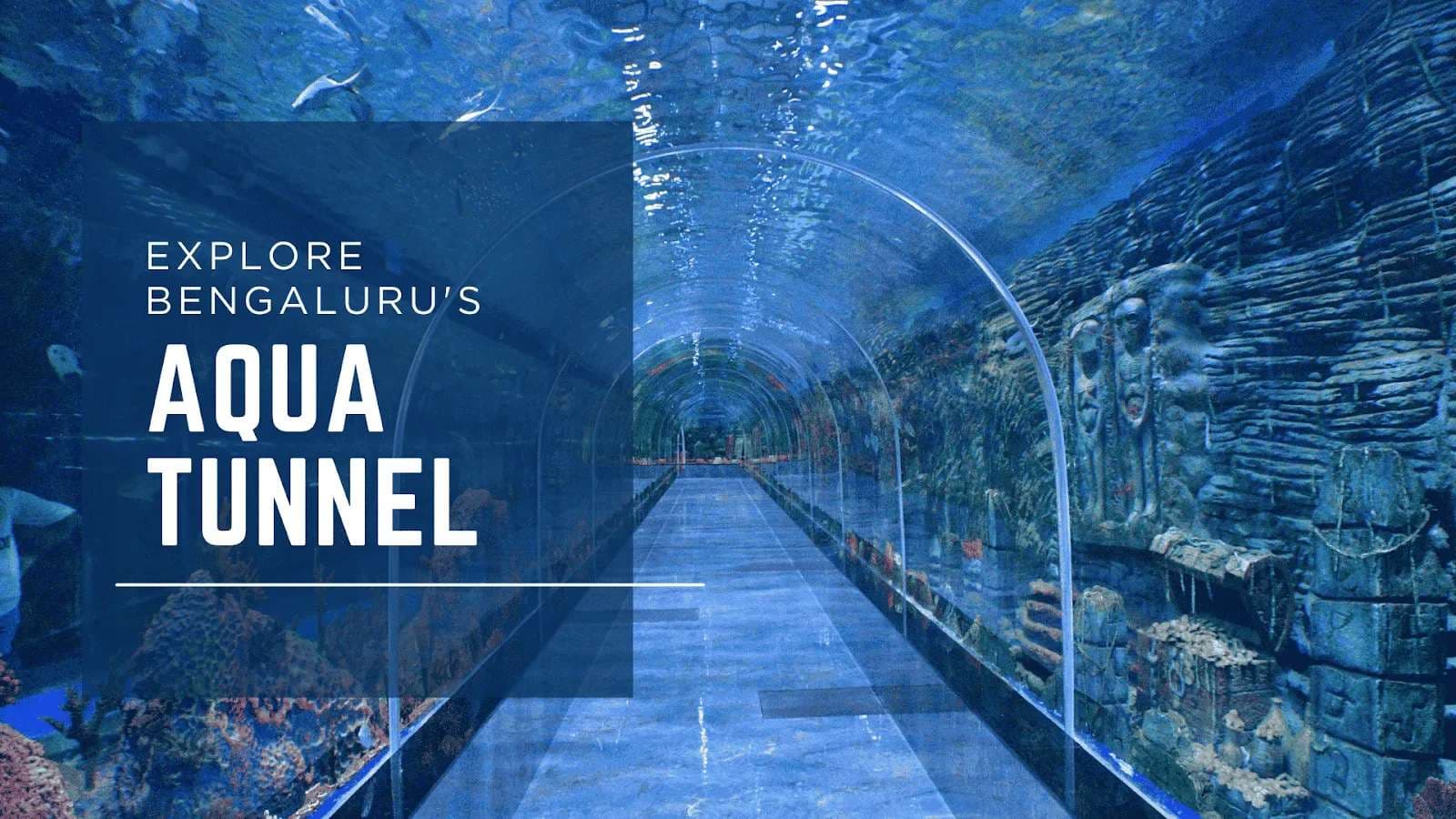
Explore the Mesmerizing Aqua Tunnel in Bengaluru
Discover Bengaluru's Aqua Tunnel, a top tourist spot with stunning aquatic displays and interactive experiences. Plan your visit today!

5.16.2025
Mesmerising Little Mermaid Shows Near You
Discover the magic of Aquarium Paradise in Bangalore with its unique underwater tunnel, mermaid show, and interactive marine experiences. Get more info here.
Recommended for you
Explore more from Aquarium Paradise and related picks tailored to this page.
