8 Educational Field Trips for Elementary Students in Bangalore in 2026
Published

Planning a field trip for elementary students usually starts with one simple question: where should we take them?
Then the practical questions start. Is the bus ride too long? Will the kids stay engaged? Will teachers spend most of the day managing the group? And every parent eventually asks the same thing: what will students actually take away from this trip?
Elementary students usually do not need packed schedules or too many activities in one day. They usually enjoy places that can naturally grab their attention. This guide brings together 8 educational field trips for elementary students in Bangalore that are simple to plan, easy to manage, and suitable for younger learners.

Child Ticket - Aquarium Paradise

Adult Ticket - Aquarium Paradise

FUNWEDNESDAY – Buy 1, Get 1 Free
Quick Look
- Bangalore has a good mix of elementary-school field trip options, from indoor aquariums and science museums to botanical gardens, wildlife parks, and farm visits.
- Indoor places like Aquarium Paradise, the Planetarium, and Visvesvaraya Museum are usually easier for younger students because the visits feel shorter, calmer, and less tiring.
- Outdoor spots like Lalbagh, Bannerghatta, and Cubbon Park work better when the weather is pleasant and the class needs more space to move around.
- Most places on this list fit comfortably into a half-day or single school-day outing, but larger venues like Bannerghatta need more planning time.
- The list ranges from budget-friendly parks and museums to premium indoor attractions and guided farm experiences for schools that want more activities included in the trip.
What Makes a Good Field Trip for Elementary Students?
Before choosing a place, think about how it will feel for elementary-school children, not just whether it is “educational.”
Younger students usually stay more engaged when they can see something happening in front of them. Fish swimming through a tunnel, butterflies moving around a garden, or an aeroplane standing right in front of them usually leaves a stronger impression than a long explanation in class.
A good field trip for this age group should:
- keep the visit easy to move through
- give students something noticeable right from the start
- spark questions naturally
- connect easily with classroom topics like animals, plants, transport, space, or observation
- fit into the school day without feeling rushed
Some places are popular, but that does not automatically make them a good fit for younger students. The best trips are usually the ones students still talk about on the bus ride home.
8 Best Educational Field Trips for Elementary Students in Bangalore
Here are 8 field trip ideas in Bangalore that you can shortlist for elementary children, depending on the lesson plan, travel time, weather, and how much walking the kids can handle.
1. Aquarium Paradise
 1.webp)
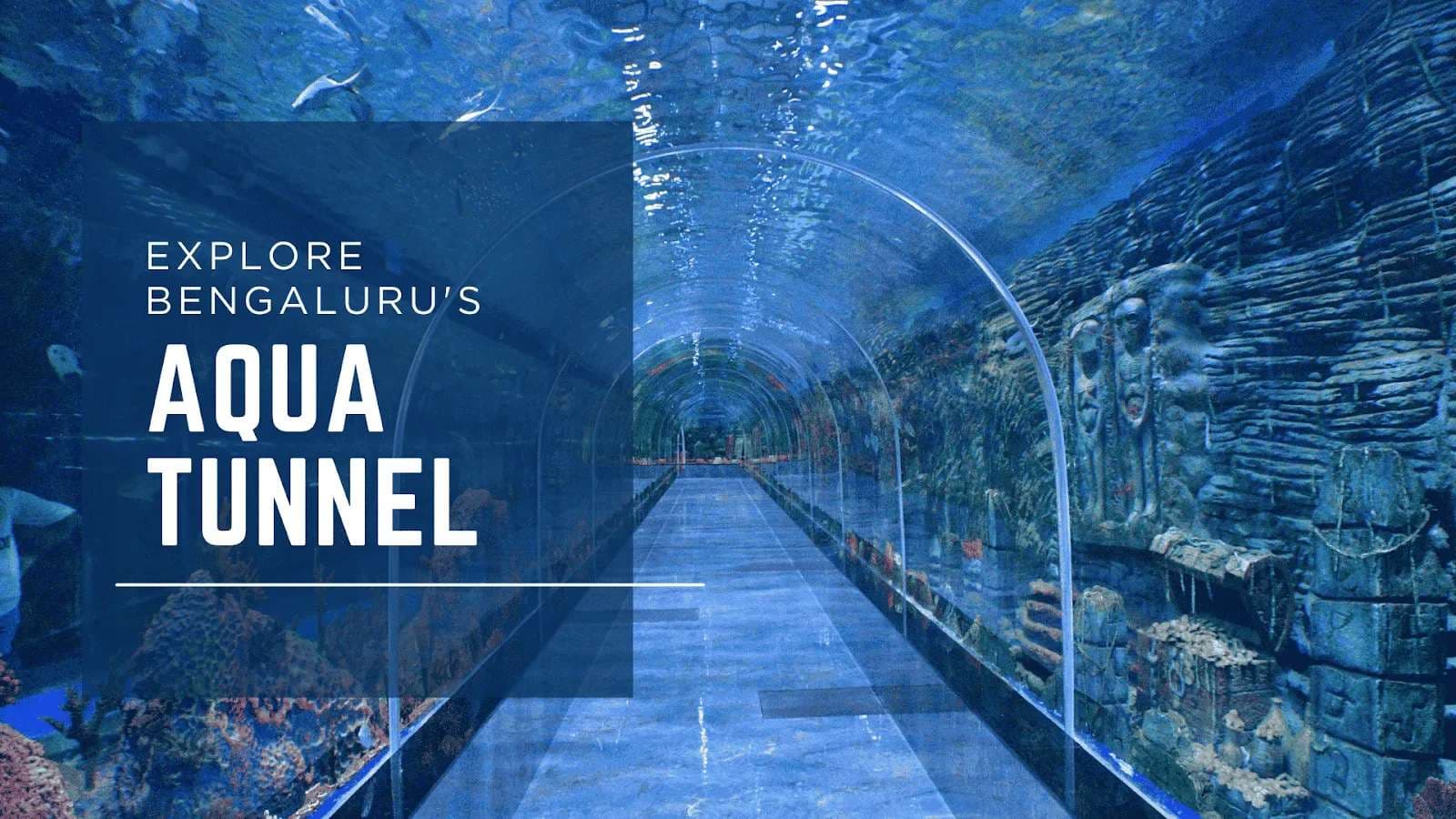
Aquarium Paradise is one of the easiest field trips for elementary kids to follow because the experience is visual from the start. Children walk through India's longest underwater tunnel, a semi-circular 180° structure that surrounds them with marine life from floor to ceiling, and watch aquatic life moving around them.
For younger school groups, that is the biggest advantage. The visit stays indoors, the path through the aquarium is simple enough that teachers can manage the group without much difficulty, and the whole experience usually wraps up within 1.5 to 2 hours, short enough to fit a school day without children getting tired before it ends.
Why Elementary Students Enjoy It
- The jellyfish room gives children colours, shapes, and movement to observe up close, and it tends to slow students down naturally at that stop.
- The Mermaid Show is complimentary with entry and becomes a memorable part of the visit. It runs multiple times a day but is subject to availability or cancellation without prior notice. Worth noting for school trip planning: the tunnel, jellyfish room, and marine exhibits carry the experience well on their own, so the visit does not depend on the show to be worthwhile.
Know This Before You Plan
Check the latest group booking details, ticket prices, Mermaid Show timings, food rules, bag rules, and operating hours on the official website before finalising the trip.
2. Visvesvaraya Industrial & Technological Museum
 1.webp)
If your class has children who ask “how does this work?” every few minutes, this museum gives them plenty to look at and try.
There are engines, dinosaur displays, science galleries, space exhibits, and hands-on sections, so the visit does not feel like walking through a quiet museum.
The only thing to watch out for is the size of the place. There is a lot inside, and younger students may not enjoy being rushed from one gallery to another. It is better to choose a few easy sections in advance and let the class spend enough time there.
Why Elementary Students Enjoy It
- Giant dinosaur models and moving science exhibits usually grab students’ attention quickly once they enter the gallery.
- Interactive sections let students press buttons, try simple activities, and explore how different science exhibits work.
- Teachers can easily connect the visit to classroom topics around science and technology.
Know This Before You Plan
For younger students, it is better to plan a short route instead of trying to cover everything. Science for Kids, Fun Science, Dinosaur Enclave, Science Park, and Science on a Sphere are usually the easiest sections to include.
Some experiences like the 3D show and simulator activities may require separate tickets, so check pricing details in advance while planning the trip.
3. Jawaharlal Nehru Planetarium
 1.webp)
Jawaharlal Nehru Planetarium is a strong choice for elementary students because the dome show lets children watch stars, planets, and the moon move across the ceiling instead of only seeing them in diagrams or textbooks.
A little preparation helps. Before the visit, introduce words like “moon,” “planet,” “star,” “orbit,” and “solar system,” so they have something familiar to listen for during the show.
Why Elementary Students Enjoy It
- Space visuals help children picture topics that are hard to show inside a classroom.
- Fixed show timings make the visit easier to fit into a school day.
- Indoor seating reduces weather and walking concerns.
- School-group ticket pricing helps schools plan the trip more easily.
Know This Before You Plan
Since shows run at fixed timings, schools should plan arrival time carefully. Schools should also try to book an earlier show slot for younger students because attention spans usually drop later in the day.
4. The Big Barn Farm
 1.webp)
Elementary kids get easily restless when a trip involves too much sitting or listening. Big Barn keeps students moving through animal interaction, gardening and planting, tractor rides, fish feeding, nature walks, and play areas.
Simple ideas like where food comes from, how plants grow, or how farm animals are cared for become easier to understand when children can see them in front of them. There is enough happening to keep children engaged without the day feeling too hectic.
Why Elementary Students Enjoy It
- Most elementary students do not get many chances to stand this close to farm animals during a regular school day.
- Gardening activities feel less like “school work” when students can actually touch the soil and plants themselves.
- Tractor rides usually become one of the more exciting parts of the visit for younger groups.
- The playground and trampoline help younger students burn off energy before getting back on the bus.
Know This Before You Go
The farm has a mix of activity-based stops and play areas, so schools should decide beforehand whether they want a quieter farm visit or a more activity-filled day. Confirm the final programme, inclusions, food arrangement, and group pricing before booking, because the visit can change depending on the package selected.
5. Lalbagh Botanical Garden
 1.webp)
Lalbagh usually feels less hectic than most school outings. Students tend to slow down here and spend time looking around instead of rushing from one stop to another.
There are flowers, old trees, open paths, a lake, and the Glass House, so children have enough to look at without needing a long explanation at every stop.
Why Elementary Students Enjoy It
- The Glass House gives children one landmark they can easily remember.
- Lalbagh Lake is an easy stop for observing water, birds, and plants.
- Bonsai trees often catch children’s attention because they look different from the trees they see every day.
- Floral Clock is a quick visual feature that children can understand immediately.
Know This Before You Go
Keep the route short and build in water breaks. Lalbagh is large, so pick a few key stops instead of trying to cover the whole garden. For school groups, confirm current permission rules before planning worksheets, photography, or structured activities inside the garden. Flower-show days can get crowded, so avoid peak dates if you want an easier trip.
6. Bannerghatta Biological Park
 1.webp)
Bannerghatta is a good choice when you want children to see animals they have only read about or watched in videos.
A child may already know what a tiger looks like, but seeing one move around in front of them usually becomes a very different experience.
This is a larger outing than most places on this list, so it helps to keep the plan realistic. Trying to cover the zoo, safari, and Butterfly Park too quickly can leave younger students tired before the trip is over.
Why Elementary Students Enjoy It
- Bigger animals like tigers, bears, deer, and elephants usually hold younger students’ attention because they can connect them to stories, videos, and classroom lessons on wildlife.
- The safari is usually the part students keep talking about after the trip.
- The Butterfly Park gives the class a short break from the bigger crowds and safari lines.
Know This Before You Go
Bannerghatta is not a light, one-hour outing. The official site says visitors may have to walk about 2–3 km, so plan water breaks, comfortable shoes, hats, and a simple plan for keeping the group together.
Safari wait times can also affect the overall schedule on busy days, so it helps to keep extra buffer time while planning the visit.
7. HAL Heritage Centre and Aerospace Museum
 1.webp)
HAL Aerospace Museum works best for elementary students who get excited every time they see an aeroplane in the sky.
Here, aircraft are not tiny pictures in a textbook. Children can see the size, shape, wings, engines, and cockpits up close, which makes the idea of flight much easier to understand.
This is a good pick if the class is learning about transport, machines, inventions, or how people travel.
Why Elementary Students Enjoy It
- Most younger students stop the moment they see the aircraft lined up outside.
- The cockpit and simulator sections usually stay crowded with school groups.
- Some children spend more time looking at the engines and wings than the exhibits inside.
- The museum gives students enough space to walk around without feeling rushed from one section to another.
Know This Before You Go
Check HAL’s official website for the latest timings, entry fees, group rules, simulator availability, and school visit process before finalising your trip. Since schools may need different arrangements from regular visitors, confirm student rates and group entry rules directly with the museum.
8. Cubbon Park and Jawahar Bal Bhavan
 1.webp)
Some field trips do not need a long bus ride or a packed schedule.
Cubbon Park is a great spot when you want a simple outdoor day in the middle of the city, especially for younger classes that need space, shade, and a slower pace.
Students can walk under old trees, spot birds, collect leaf shapes for a class activity, or stop by Jawahar Bal Bhavan for the toy train.
Why Elementary Students Enjoy It
- The toy train is usually the main reason younger students enjoy this stop.
- Open lawns and shaded paths give children space to walk around without feeling stuck in one crowded area.
- Students can spot birds, trees, statues, and fountains throughout the park, so the walk does not feel boring.
- The Government Aquarium nearby gives schools an easy way to add one more short stop to the outing.
- Shorter travel time usually makes the day less tiring for younger classes.
Know This Before You Go
Cubbon Park is an open public space, so keep the plan simple. Choose one walking route, fix a meeting point, and check the latest Jawahar Bal Bhavan and toy train availability before adding them to the schedule. For younger students, avoid making the day dependent on the toy train unless the school has confirmed it is running.
Check These Details Before You Book a School Trip
Once you have picked a place, check these small but important details before you share the plan with parents.
For elementary students, small details can change how manageable the trip feels. A long walk from the entrance can tire children out early, and missing a show slot can throw off the entire schedule.
Keep these checks ready before you confirm the date:
- Timings and closed days
- Current ticket prices and student rates
- Group booking rules
- Food and water rules
- Show, safari, or activity timings
- Bus drop-off point and walking distance
- Washrooms, rest points, and drinking water access
- Permission rules for school activities, worksheets, photography, or guided sessions
- Emergency contact details at the venue
- Do not depend on old blogs or third-party listings for prices, timings, offers, or visitor rules. Check the official website or call the venue once before finalising the plan.
Also Read: Top Educational Trip Destinations in India
Conclusion
When you’re planning a field trip for elementary students, the best choice is usually the place that feels exciting for children and manageable for teachers.
Bangalore gives schools plenty of options, from science museums and planetariums to gardens, farms, wildlife parks, and aircraft displays. Some work better for short indoor visits, while others need more time, walking, and planning.
If you want a trip that is visual, indoor, and easy for younger students to follow, Aquarium Paradise is a strong option. The underwater tunnel and marine exhibits give children something to notice right away, which makes the visit engaging without making the day too difficult to manage.
Before you fix the date, check the latest school or group booking details, timings, and ticket information on the official website.
FAQs
1. What kinds of field trips are usually best for 5th-grade students?
5th graders usually enjoy field trips where they can observe things directly, ask questions, and stay active during the visit.
In Bangalore, schools often choose places like Aquarium Paradise, Visvesvaraya Industrial & Technological Museum, Bannerghatta Biological Park, and HAL Aerospace Museum because they connect naturally with science, animals, transport, habitats, and classroom discussions.
2. How do you choose a good field trip for elementary students?
A good elementary-school field trip should feel manageable for both children and teachers.
Shorter travel time, clear walking routes, washroom access, indoor rest areas, and activities that are easy for younger students to follow usually make the trip smoother. Younger students tend to enjoy places where they can observe things directly instead of sitting through long explanations.
3. Are aquariums a good choice for younger school groups?
Yes, especially for younger students who respond better to visual experiences.
Aquariums give students a chance to observe movement, colours, habitats, and animal behaviour in a way that feels more engaging than reading from a textbook. At Aquarium Paradise, the underwater tunnel and marine exhibits make it easier for children to stay focused throughout the visit.
4. What should schools check before confirming a field trip booking?
Before confirming a trip, schools should check timings, student ticket pricing, group booking rules, transport access, food and water policies, washroom availability, supervision support, and emergency contact details.
It also helps to check walking distance from the drop-off point, especially for younger classes that may get tired quickly.
5. Which Bangalore field trips work best for visual learning?
Visual learners usually respond best to places where they can watch things happening in front of them.
Aquarium Paradise works well for marine-life observation, Jawaharlal Nehru Planetarium helps children picture planets and movement in space, Visvesvaraya Museum explains science through working models, and Bannerghatta Biological Park gives children a chance to observe animals and habitats more closely.
More To Read

6.17.2025
Top 10 Largest Crab Species Worldwide
Compare the largest crab in the world like the Japanese Spider and Coconut Crab. Explore traits, habitats, and conservation efforts. Click to know more!
%201.webp&w=1920&q=75)
9.4.2025
Top 20 Kids' Fun Places in Bangalore in 2026
Find the best kids’ fun places in Bangalore in 2026, from Aquarium Paradise and Snow City to Cubbon Park and Bannerghatta. Indoor & outdoor picks for every age.
5.22.2025
Explore the Mesmerizing Aqua Tunnel in Bengaluru
Discover Bengaluru's Aqua Tunnel, a top tourist spot with stunning aquatic displays and interactive experiences. Plan your visit today!

5.16.2025
Mesmerising Little Mermaid Shows Near You
Discover the magic of Aquarium Paradise in Bangalore with its unique underwater tunnel, mermaid show, and interactive marine experiences. Get more info here.
Recommended for you
Explore more from Aquarium Paradise and related picks tailored to this page.
