Black Ghost Knife Fish: Care and Information Guide 2026
By Anurag Kamboj, Writer, Aquarium Paradise
Published
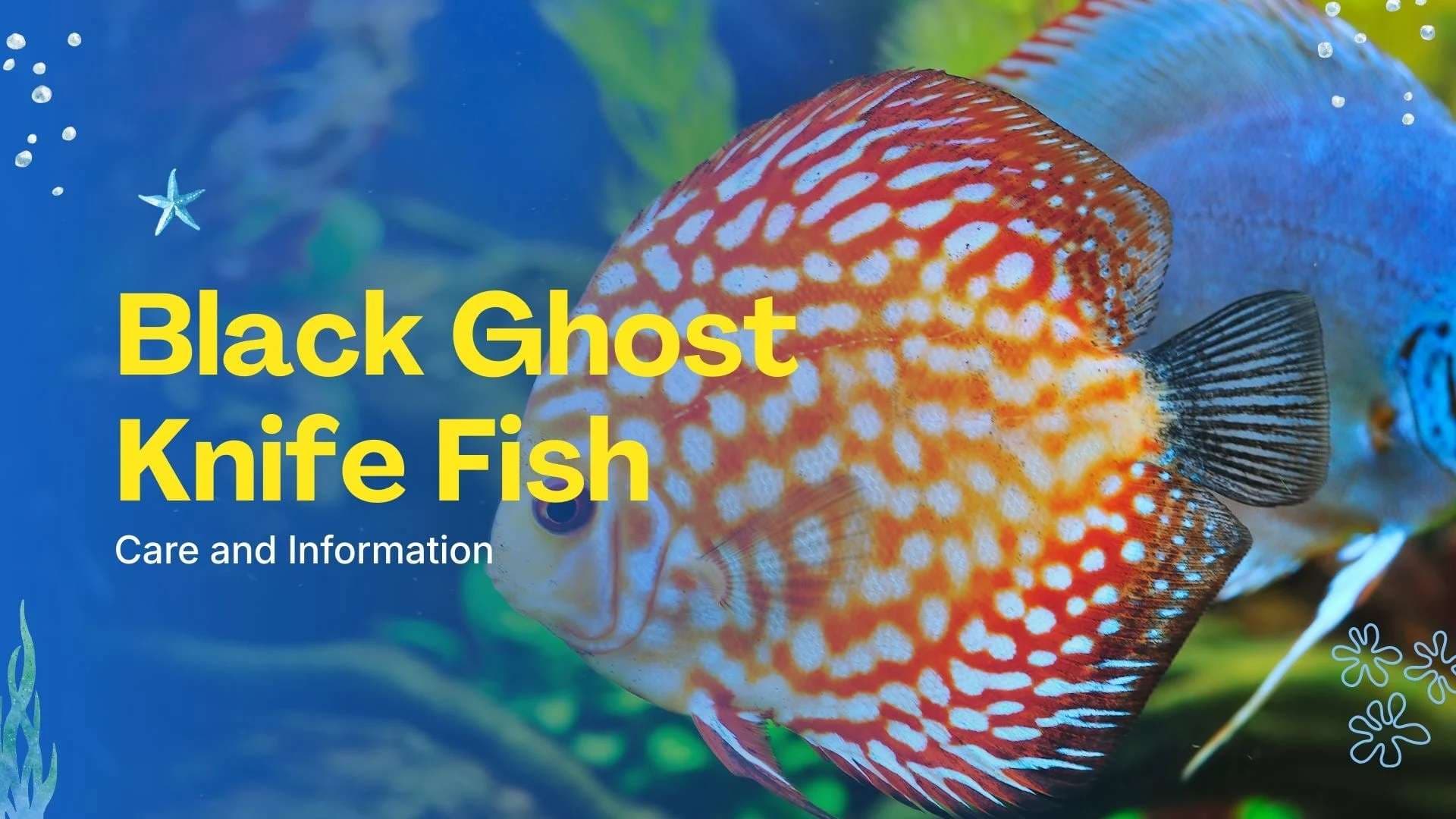
Ghost fish, commonly known as black knife fish or ghost knifefish, are fascinating freshwater species distinguished by their long, ribbon-like bodies, smooth gliding movements, and calm, intelligent behaviour.
Unlike many fish that dart or cruise through water, ghost fish move with slow precision, often appearing to float as they navigate their surroundings.
Their growing interest among aquarists and enthusiasts comes from how different they are. Commonly known as black knife fish or ghost knifefish, these fish are intelligent, calm, and highly aware of their environment.
They rely on weak electrical signals to sense objects, prefer dimly lit spaces, and display behaviour patterns rarely seen in most freshwater fish.
This guide covers everything essential about their characteristics, behaviour, habitat, and what makes ghost fish such a unique species to learn about.

Child Ticket - Aquarium Paradise

Adult Ticket - Aquarium Paradise

FUNWEDNESDAY – Buy 1, Get 1 Free
In a nutshell:
- Black ghost knife fish are intelligent, calm, and highly aware of their surroundings, making them one of the most intriguing freshwater species to observe.
- Known for their long, blade-like bodies and smooth gliding, ghost knifefish rely on weak electrical signals to navigate rather than on speed or colour.
- These fish prefer low-light, spacious environments with hiding areas, as they are naturally shy and most active during quieter periods.
- Black ghost knife fish are carnivorous, feeding on worms, insects, and small aquatic prey, which supports their steady growth and natural behaviour.
- Because of their size and sensitivity to water quality, stable tank conditions and regular maintenance are essential for keeping ghost fish healthy.
5 Must-Know Types of Ghost Fish
The name ghost fish is often used as a collective term for several knife-shaped freshwater fish with similar movement and behaviour.
While they differ in size and appearance, they share calm temperaments and a preference for low-light environments.
Here are the main types commonly associated with ghost fish.
1. Black Ghost Knife Fish (Apteronotus albifrons)
Ghost fish generate weak electrical signals using a specialised electric organ.
By sensing changes in the electrical field around them, they can detect objects, movement, and obstacles, allowing them to navigate confidently in dark or murky water where vision is limited.
2. Brown Ghost Knife Fish
A close relative with a lighter brown or grey tone. It behaves similarly to the black ghost knife fish but blends more easily into natural backgrounds.
3. Feather Fish
Often called feather fish due to their long, narrow shape and flowing movement. The term is commonly used in aquarium displays to describe slender knife fish with a soft, gliding motion.
4. Glass Knifefish
Unlike darker ghost fish, glass knifefish have semi-transparent bodies. Their movement style is similar, but their appearance makes them easier to spot in well-lit tanks.
5. Clown Knifefish (Juveniles)
Young clown knifefish are sometimes mistaken for ghost fish due to their shape. As they grow, they become much larger and develop bold patterns, making them unsuitable for most home aquariums.
Want to See These Fascinating Creatures Up Close?
At Aquarium Paradise in Bengaluru, you can experience freshwater and marine species in their full glory, including ghost fish and other remarkable aquatic life.
Tank Requirements for Ghost Fish
Ghost fish need stable, spacious, and low-stress environments that allow them to move freely and retreat when needed. Their size, sensitivity, and behaviour make tank setup especially important for long-term health.
Tank Size
Ghost fish grow steadily and require more space than many people expect.
- Juveniles: Minimum 200 litres
- Adults: 300–400 litres or more recommended
Larger tanks reduce stress, support natural movement, and help maintain stable water conditions.
Tank Setup
A well-structured tank helps ghost fish feel secure and behave naturally.
- Plenty of hiding spots
Use caves, driftwood, pipes, or rock structures. Ghost fish rest during the day and rely on shelter to feel safe. - Soft substrate
Sand or fine gravel prevents injury and supports natural movement near the tank bottom. - Low to moderate lighting
Bright lighting can stress ghost fish. Dim or shaded areas encourage activity. - Plants for cover
Live or artificial plants help break the line of sight and create calmer zones within the tank. - Strong filtration
Ghost fish are sensitive to poor water quality, so efficient filtration is essential.
Water Parameters
Consistent water conditions are critical, as ghost fish react poorly to sudden changes.
- Temperature: 24°C – 28°C
- pH: 6.5 – 7.5
- Water flow: Gentle to moderate
- Cleanliness: Regular water changes are essential
Stable, clean water supports healthy growth and reduces stress-related issues.
An appropriately sized tank with calm surroundings allows ghost fish to display their smooth movement and natural behaviour comfortably.
Also Read: What Is the Deepest Ocean in the World?
Diet & Feeding of Ghost Fish
Ghost fish are carnivorous feeders that rely on a protein-rich diet to stay healthy and active. In the wild, they hunt small aquatic prey, using their electrical sensing ability to locate food in low-visibility conditions.
This feeding behaviour carries over into aquarium environments as well.
Natural Diet
In their natural habitat, ghost fish feed on a variety of small, meaty prey found along riverbeds and submerged vegetation.
They commonly eat:
- Insect larvae
- Small worms
- Tiny crustaceans
- Aquatic invertebrates
This diet supports their steady growth and keeps them mentally stimulated.
Feeding in Aquariums
In aquarium settings, ghost fish adapt well to frozen and live foods when offered consistently. They are generally slow, deliberate eaters, so food should be given in a way that allows them time to feed without competition.
Suitable foods include:
- Bloodworms (frozen or live)
- Blackworms
- Brine shrimp
- Chopped earthworms
- High-quality frozen carnivore mixes
Some individuals may accept sinking pellets over time, but these should not replace a natural, meaty diet.
Feeding Tips
Follow these tips when handling fish:
- Feed once daily, preferably in the evening or under dim lighting
- Use sinking foods, as ghost fish feed near the bottom
- Avoid overfeeding, as uneaten food can quickly affect water quality
- Ensure tank mates do not outcompete them during feeding
A consistent, protein-rich diet supports healthy growth and encourages natural behaviour.
Behaviour & Temperament of Ghost Fish
Ghost fish are known for their calm, observant, and reserved behaviour, which sets them apart from more active or aggressive freshwater species.
They are not fast swimmers or flashy display fish; instead, their appeal lies in how quietly and deliberately they move through their environment.
Calm and Shy by Nature
Ghost fish are naturally shy and cautious, especially during daylight hours. They spend much of their time resting in caves, under driftwood, or in shaded areas of the tank. Sudden movement, bright lighting, or loud surroundings can cause them to retreat quickly into hiding.
Most Active in Low Light
These fish are primarily nocturnal or low-light active. As the lighting dims, ghost fish become more visible, gliding smoothly through the tank in search of food.
This behaviour reflects their natural habitat, where murky water and limited visibility favour quiet, sensory-based movement.
Intelligent and Aware
Ghost fish are highly aware of their surroundings. They use weak electrical signals to sense objects, obstacles, and movement, allowing them to navigate even in complete darkness.
This gives them an almost deliberate, controlled swimming style that many observers find captivating.
Generally Peaceful, but Sensitive
While ghost fish are not aggressive, they are sensitive to stress and do poorly in crowded or chaotic tanks. Fast-moving or boisterous tank mates can disrupt their feeding and resting behaviour, leading to long-term stress.
They are best kept with:
- Calm, medium-to-large fish
- Non-aggressive species
- Tank mates that do not compete heavily for food
Ghost fish grow when given space, quiet surroundings, and a stable environment, allowing their natural behaviour to emerge over time.
Tank Mates for Ghost Fish
Ghost fish are generally peaceful but sensitive, which makes choosing the right tank mates especially important. They do best in calm environments where they are not constantly disturbed or outcompeted for food.
Suitable Tank Mates
Ghost fish can coexist with other fish if the tank is spacious and the companions are chosen carefully. Ideal tank mates are calm, medium-to-large species that occupy different areas of the tank.
Good options include:
- Large tetras
- Peaceful cichlids
- Angelfish
- Gouramis
- Other non-aggressive bottom or mid-level swimmers
These fish are unlikely to harass ghost fish or interfere with their feeding habits.
Tank Mates to Avoid
Some fish can cause stress or feeding issues for ghost fish, even if they are not aggressive.
Avoid keeping ghost fish with:
- Tiny fish (may be mistaken for food)
- Fast, aggressive swimmers
- Fin-nipping species
- Highly territorial fish
- Overly active bottom dwellers
Crowded tanks or mismatched tank mates can lead to stress, hiding behaviour, and poor feeding response.
Keeping More Than One Ghost Fish
Housing multiple ghost fish together is possible, but it requires:
- A huge tank
- Plenty of hiding spots
- Clear visual barriers
Without enough space, they may compete for territory, especially as they grow.
When provided with the right companions and a calm environment, ghost fish remain relaxed, visible, and active during their preferred low-light hours.
Breeding Basics of Ghost Fish
Breeding ghost fish in aquariums is rare and challenging, mainly due to their size, sensitivity, and specific environmental needs.
While they are fascinating to observe, ghost fish are not commonly bred in home or display aquariums.
Why Breeding Is Difficult
Ghost fish require particular conditions that are hard to replicate consistently.
Key challenges include:
- Large space requirements
- Sensitivity to water changes
- Shy and nocturnal behaviour
- Lack of visible courtship behaviour
Because of this, most ghost fish seen in aquariums are wild-caught or bred in specialised facilities rather than standard setups.
Natural Breeding Conditions
In the wild, ghost fish are believed to breed during seasonal changes when:
- Water levels rise
- Temperatures remain stable
- Food availability increases
Dense vegetation and calm river conditions provide shelter for eggs and young fish.
Aquarium Breeding Attempts
There are very few confirmed reports of successful breeding in aquariums. When attempts are made, they typically involve:
- Huge tanks
- Soft, clean water
- Low lighting
- Minimal disturbance
Even under ideal conditions, breeding behaviour is subtle and easy to miss.
Fry Care
In the rare event that eggs hatch:
- Fry requires tiny live foods
- Gentle filtration is essential
- Stable water quality is critical
Raising young ghost fish successfully requires expert-level care and constant monitoring.
For most aquariums, ghost fish are best appreciated for their unique movement and behaviour, rather than as a breeding species.
5 Interesting Facts About Ghost Fish
Ghost fish have several unusual traits that set them apart from most freshwater species. These characteristics are often subtle, but once noticed, they make the fish especially engaging to observe.
1. They navigate using electricity.
Ghost fish generate weak electrical signals to sense their surroundings. This allows them to move confidently in dark or murky water without relying heavily on vision.
2. They can swim forward and backward with ease.
Their long, flowing fin lets them change direction smoothly, hover in place, or reverse without turning their body.
3. They prefer quiet surroundings.
Sudden movement, noise, or bright lighting can cause ghost fish to retreat quickly. Calm environments encourage more natural behaviour.
4. They are most active after the lights dim.
Ghost fish often appear inactive during the day, then become noticeably more active during evening hours or under low lighting.
5. They recognise familiar spaces.
Over time, ghost fish learn their environment well and follow regular paths between hiding spots and feeding areas.
These subtle behaviours are why ghost fish often reward patient observation, revealing more personality the longer they are watched.
5 Beginner Tips for Observing Ghost Fish
If you’re new to ghost fish, a few simple practices can make a noticeable difference in how often you see them and how naturally they behave.
1. Give them space: Ghost fish grow large and need room to move. Larger tanks reduce stress and encourage smoother, more confident movement.
2. Create shaded areas: Use driftwood, caves, or plants to form darker zones. Ghost fish feel more secure when they can retreat easily.
3. Keep lighting gentle: Bright lights can cause them to hide for long periods. Dim or indirect lighting helps them remain visible.
4. Feed during quieter hours: Evening feeding works best when ghost fish are naturally more active and less cautious.
5. Maintain stable water quality: Sudden changes in temperature or water parameters can quickly stress ghost fish. Consistency is key.
These minor adjustments help ghost fish display their natural behaviour rather than staying hidden.
Check out the crucial features of Aquarium Paradise:
- Address: Palace Grounds, Jayamahal Main Rd, Opposite TV Tower, J.C. Nagar, Bengaluru, Karnataka 560006
- Timings: 10:30 AM – 8:00 PM (last entry around 7:15 PM)
- Entry Details: ₹399–₹499 for adults | ₹349–₹449 for children
- Best Time to Visit: Year-round.
Conclusion
Ghost fish are among the most distinctive freshwater species you’ll encounter: calm, intelligent, and quietly captivating. Their smooth movement, sensitivity to their surroundings, and unique way of navigating through water set them apart from more commonly seen aquarium fish.
While they require space, stable conditions, and thoughtful care, they reward patience with behaviour that feels deliberate and almost meditative.
Understanding how ghost fish live, feed, and behave helps set realistic expectations and deepens appreciation for what makes them so different. When observed in the right environment, they reveal a side of aquatic life that’s subtle rather than showy, yet deeply engaging.
At Aquarium Paradise, visitors can observe fish and many other rare freshwater and marine species in spacious, professionally designed displays.
Walking through the underwater tunnel and themed zones offers a chance to watch these fish move and behave naturally, which can be especially helpful before considering them for your own aquarium.
FAQs
1. Are ghost fish suitable for beginners?
Ghost fish are better suited for intermediate or experienced aquarists. Their size, sensitivity to water quality, and space requirements make them challenging for first-time fish keepers.
2. How long do black ghost knife fish live?
With proper care and stable conditions, black ghost knife fish can live 10 years or more. Longevity depends heavily on tank size, water quality, and diet consistency.
3. Do ghost fish need to be kept alone?
Ghost fish do not need to be kept alone, but they require carefully chosen tank mates. Calm, non-aggressive fish in a spacious tank work best, while overcrowding should be avoided.
4. Why do ghost fish sometimes disappear for days?
This is expected behaviour. Ghost fish are shy and may stay hidden during bright lighting or after changes in their environment. They usually reappear once they feel secure again.
5. Can ghost fish see well?
Ghost fish rely less on eyesight and more on electrical sensing to navigate. This allows them to function effectively in dark or murky water where visibility is low.
Writer, Aquarium Paradise
Anurag Kamboj writes the Aquarium Paradise blog, covering marine life, exhibits, ticket offers and practical tips for planning a family visit to Bengaluru's aquarium.
- Aquariums
- Marine life
- Family days out in Bengaluru
More To Read

6.17.2025
Top 10 Largest Crab Species Worldwide
Compare the largest crab in the world like the Japanese Spider and Coconut Crab. Explore traits, habitats, and conservation efforts. Click to know more!
%201.webp&w=1920&q=75)
9.4.2025
Top 20 Kids' Fun Places in Bangalore in 2026
Find the best kids’ fun places in Bangalore in 2026, from Aquarium Paradise and Snow City to Cubbon Park and Bannerghatta. Indoor & outdoor picks for every age.

5.22.2025
Explore the Mesmerizing Aqua Tunnel in Bengaluru
Discover Bengaluru's Aqua Tunnel, a top tourist spot with stunning aquatic displays and interactive experiences. Plan your visit today!

5.16.2025
Mesmerising Little Mermaid Shows Near You
Discover the magic of Aquarium Paradise in Bangalore with its unique underwater tunnel, mermaid show, and interactive marine experiences. Get more info here.
Recommended for you
Explore more from Aquarium Paradise and related picks tailored to this page.
