Green Terror Cichlid: Care and Information Guide 2026
By Anurag Kamboj, Writer, Aquarium Paradise
Published
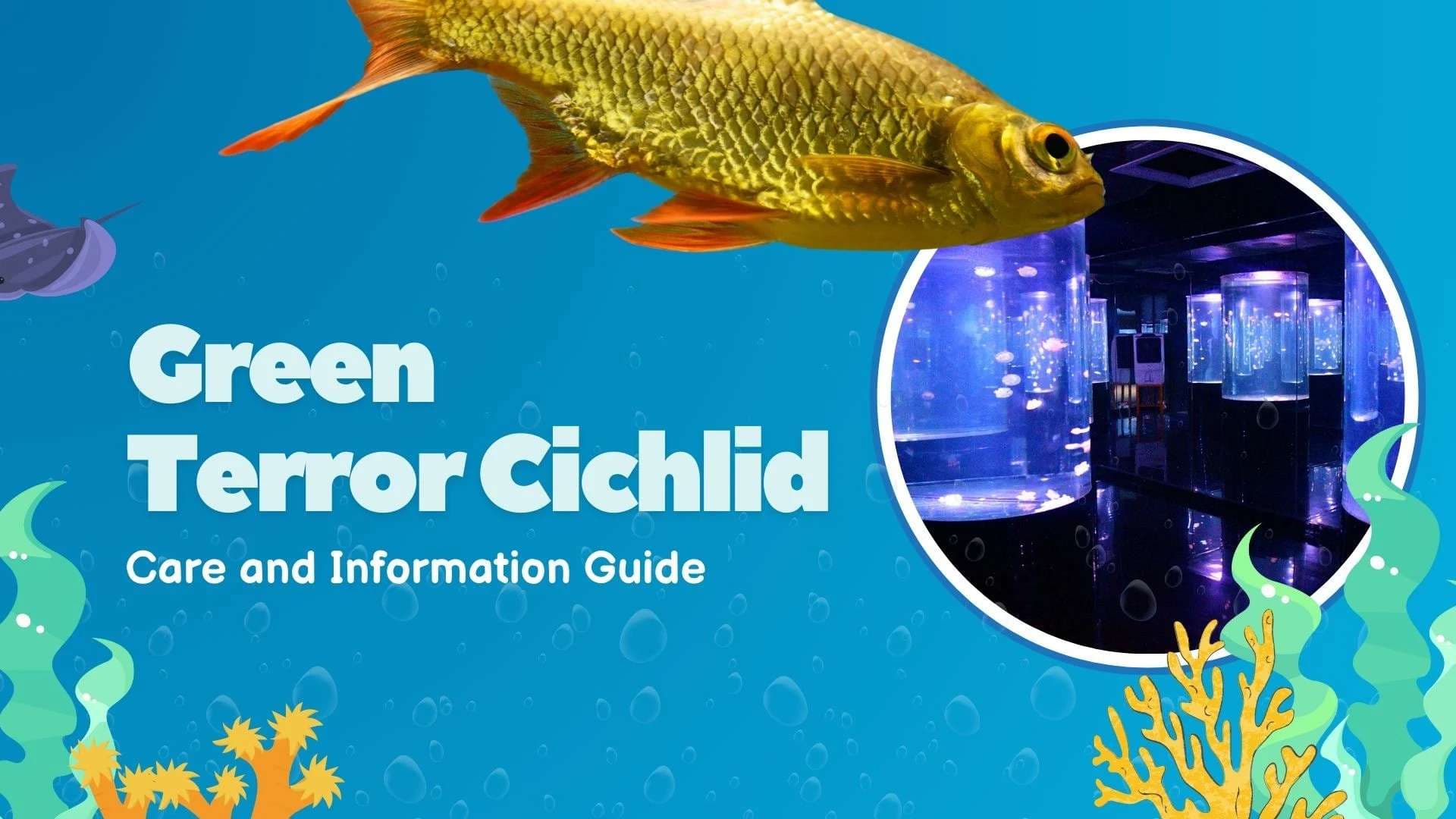
Green terror is one of the most striking freshwater fish in the cichlid family. Native to the tropical river basins of Peru and Ecuador, it is admired for its shimmering green scales, bold facial markings, and strong presence in the tank.
However, appearance can be misleading. Green terror cichlids are territorial fish that require space, structure, and careful tank planning. They are not suited for casual community setups with small or slow-moving species like goldfish or koi.
Understanding their behaviour before bringing one home makes all the difference. With the right environment, a green terror becomes a confident, stable centrepiece fish rather than a source of constant tank conflict.

Child Ticket - Aquarium Paradise

Adult Ticket - Aquarium Paradise

FUNWEDNESDAY – Buy 1, Get 1 Free
A Quick Glance
See Green Terror and More at Aquarium Paradise
If you’re fascinated by species like the green terror and want to see how large freshwater fish behave in thoughtfully designed exhibits, a visit to Aquarium Paradise in Bengaluru is worth adding to your plan.
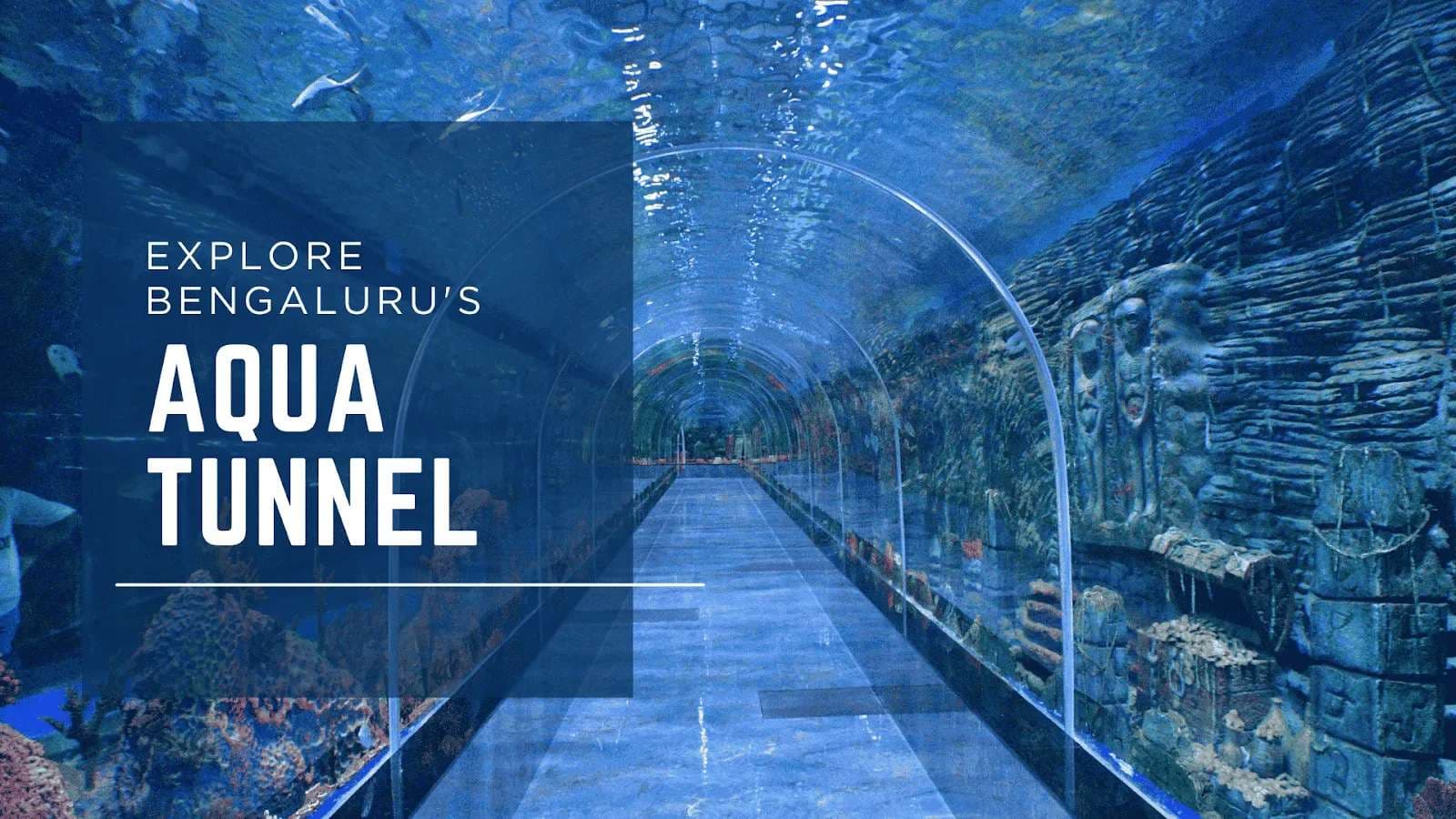
Aquarium Paradise showcases a wide range of freshwater and marine life in spacious tanks and India’s longest underwater tunnel. You can also catch scheduled fish feeding sessions and diver feed demonstrations that bring these aquatic animals to life, a great way to observe natural behaviours you can apply to your own aquarium setup.
Use code FUN10 when booking online and enjoy 10% OFF your tickets. (This special discount is available only for advance online bookings made at least one day prior.)
4 Types of Green Terror Cichlid
Although the green terror cichlid is often spoken about as a single fish, there are distinct forms and closely related types that differ in appearance, temperament, and care expectations.
Understanding these differences helps avoid mismatched setups and unrealistic expectations.
1. True Green Terror (Andinoacara rivulatus)
This is the classic and most commonly kept green terror fish in the aquarium hobby.
- Displays intense green and blue iridescence with bold white or orange edging on the fins
- Grows large (up to 12 inches) and develops a strong territorial presence as it matures
- Best suited for experienced keepers with large tanks and firm tank management
2. Gold Saum (Orange Saum Variant)
Often sold interchangeably as a green terror, the gold saum is actually a colour variant of A. rivulatus.
- Identified by thick orange or gold edging on the dorsal and tail fins
- Generally displays slightly more assertive behaviour than the silver-edged form
- Colours intensify dramatically with a proper diet and low stress
3. False Green Terror (Andinoacara stalsbergi)
This species is commonly mislabelled as a green terror, especially in pet shops.
- Smaller adult size (around 8–10 inches)
- Less intense colouration but calmer temperament
- More suitable for moderately sized tanks
4. Juvenile Green Terror (Often Misjudged)
Young green terror fish behave very differently from adults.
- Appear peaceful and community-friendly
- Show limited territorial behaviour
- Lacks full colour development
Want to See These Fascinating Creatures Up Close?
At Aquarium Paradise in Bengaluru, you can experience freshwater and marine species in their full glory, including ghost fish and other remarkable aquatic life.
Tank Requirements for Green Terror Cichlid
Green terror cichlids require large, structured, and stable tanks that support their size, strength, and territorial behaviour. Most health and aggression issues arise when their space and layout needs are underestimated.
An adequately designed tank allows green terrors to establish territory, retreat when needed, and maintain long-term stability.
Tank Size
Green terror cichlids grow large and become increasingly territorial with age, making tank size critical.
- Juveniles: Minimum 280–300 litres
- Single adult: 380–475 litres recommended
- Pairs or tank mates: 570 litres or more
Larger tanks reduce constant territorial pressure, limit repeated confrontations, and help maintain consistent water quality.
Tank Setup
A structured layout helps control aggression and supports natural behaviour.
- Territory-defining hardscape
Use large rocks and driftwood arranged to break sightlines. This allows dominance displays to resolve without continuous chasing. - Open swimming space
Leave clear horizontal areas for patrolling while keeping visual barriers between zones. - Dig-safe substrate
Fine sand or smooth gravel supports natural digging behaviour and prevents mouth or fin injury. - Limited but strategic plants
Hardy plants attached to rocks or décor help soften visual pressure. Rooted plants are often uprooted. - Strong filtration
Green terrors produce heavy waste. High-capacity filtration is essential to prevent toxin buildup and behavioural stress.
Water Parameters
Green terror cichlids tolerate a range of conditions, but stability is more important than exact numbers.
- Temperature: 23°C – 27°C
- pH: 6.5 – 7.5
- Water flow: Moderate
- Cleanliness: Weekly partial water changes recommended
Sudden shifts in temperature or pH often trigger stress responses, appetite loss, and increased aggression.
Also Read: What Is the Deepest Ocean in the World?
Diet and Feeding
Green terror cichlids are opportunistic carnivores with strong jaws, fast growth rates, and high protein requirements.
A proper diet supports muscle development, vibrant coloration, immune function, and balanced aggression. Poor or inconsistent feeding often leads to excessive dominance behaviour, faded colour, and long-term health issues.
Natural Feeding Behaviour
In the wild, green terror cichlids feed on:
- Insects and larvae
- Small crustaceans
- Worms and benthic invertebrates
- Occasional small fish
This natural diet is protein-rich yet varied, which is why a single food type in captivity often leads to imbalance.
Core Diet Components
A balanced captive diet should provide protein, nutrients, and controlled fat levels.
- High-quality cichlid pellets (staple)
Pellets designed for large cichlids provide balanced nutrition and should form the base of the diet. - Frozen or live foods (supplemental)
Bloodworms, brine shrimp, krill, and earthworms enhance colour and growth when fed in moderation. - Occasional variety of foods
Insects or crustacean-based foods support natural feeding instincts without overloading fat.
Each food type serves a purpose; variety prevents nutritional gaps and feeding fixation.
Foods to Limit or Avoid
Some foods increase aggression or health risks when overused.
- Mammal meat (beef heart, liver)
A high-fat diet leads to digestive stress and fatty buildup. - Feeder fish
Often introduce parasites and encourage excessive predatory aggression. - Overly soft or low-quality foods
Providing calories without proper nutrition increases waste.
Feeding more food does not necessarily lead to better growth; it often results in lower water quality.
Feeding Frequency and Portions
Green terror cichlids do not need constant feeding.
- Juveniles: 2 small meals per day
- Adults: 1 controlled feeding per day
- Portion rule: Food should be consumed within 30–60 seconds
Overfeeding increases territorial behaviour and ammonia spikes, both of which destabilise the tank.
Diet and Behaviour Connection
Diet strongly influences temperament.
- Protein overload → heightened aggression
- Poor-quality food → lethargy and dull colour
- Balanced diet → stable behaviour and stronger immune response
Many aggression issues blamed on “personality” are actually feeding-related.
Signs of a Healthy Feeding Routine
A well-fed green terror cichlid shows a strong appetite without frantic behaviour, bright coloration, especially along the fins and face, consistent growth without bloating, and predictable feeding responses.
Together, these signs indicate balanced nutrition, efficient digestion, and low chronic stress.
Behaviour & Temperament of Green Terror Cichlid
Green terror cichlids are territorial rather than constantly aggressive. Their behaviour is driven by space, hierarchy, and breeding instincts.
When tanks are too small or poorly designed, repeated territorial overlap leads to constant conflict, making the fish appear aggressive.
In spacious tanks with clear boundaries, aggression becomes controlled, predictable, and largely situational.
Territorial Nature Explained
Green terror cichlids naturally establish and defend territories, especially as they mature.
- Territories are centred around caves, rocks, or chosen tank areas
- Any repeated intrusion is treated as a threat
- Defence escalates when escape routes or visual breaks are limited
In poorly structured tanks, territories overlap constantly, forcing repeated confrontations. This results in chronic stress rather than short, resolvable displays.
Aggression Is Context-Driven, Not Constant
Green terrors are not aggressive all the time.
Aggression increases when:
- Tank size is inadequate
- Sightlines are open and uninterrupted
- Tank mates compete for the same space or food
- Breeding hormones are active
When these triggers are reduced, green terrors spend long periods exploring, resting, and observing rather than attacking.
Intelligence and Recognition
Green terror cichlids are highly aware of their surroundings.
They can:
- Recognise their keeper
- Learn feeding routines quickly
- Remember tank layouts and territory boundaries
This intelligence makes them responsive, but also means they do not tolerate repeated stressors. Poor setups lead to learned aggression rather than temporary adjustment.
Dominance Behaviour
Within a tank, green terrors establish dominance through:
- Posturing and fin flaring
- Short chases rather than constant pursuit
- Claiming prime hiding spots
Healthy dominance is brief and stabilises once hierarchy is established. Persistent chasing or cornering indicates environmental failure, not usual dominance.
Behaviour During Maturity and Breeding
Temperament changes as green terrors mature.
- Juveniles are relatively tolerant
- Adults become strongly territorial
- Breeding pairs show heightened aggression toward all tank mates
During breeding:
- Territory size increases dramatically
- Aggression becomes proactive, not reactive
- Tank mates are often attacked even if previously tolerated
This shift is hormonal and temporary but requires planning.
Stress Behaviours to Watch For
Behaviour is the first indicator of stress.
Warning signs include:
- Constant pacing along the tank glass
- Excessive fin flaring without retreat
- Sudden colour darkening
- Refusal to eat or frantic feeding
These behaviours indicate unresolved pressure, often due to space, layout, or social imbalance.
What Healthy Behaviour Looks Like
In a well-designed tank, green terror cichlids display:
- Brief territorial displays followed by disengagement
- Calm cruising between zones
- Predictable feeding behaviour
- SIntensecoloration without constant agitation
Aggression becomes controlled and purposeful, not destructive.
Why Behaviour Should Guide Tank Decisions
Green terror cichlids do not adapt well to compromise setups.
Their behaviour reflects:
- Tank size suitability
- Layout effectiveness
- Tank mate compatibility
Ignoring behavioural signals leads to escalation, injury, or long-term stress that cannot be “trained out.”
Tank Mates for Green Terror Cichlid
Green terror cichlids evaluate tank mates based on territory overlap, body size, posture, and feeding competition.
Fish that invade core territory, appear submissive in posture, or compete directly during feeding are more likely to trigger dominance challenges and aggression.
How Green Terror Cichlids Assess Other Fish
Green terror cichlids evaluate tank mates based on three main factors:
- Territory overlap
Fish that repeatedly enter the green terror’s core area trigger defensive behaviour. - Body size and posture
Smaller or passive fish are treated as targets, while similarly sized but confident fish are treated as rivals. - Feeding competition
Fish that rush food or linger in feeding zones increase dominance displays and chasing.
Aggression is therefore situational and strategic, not random.
Suitable Tank Mates
Tank mates can work only in large, structured aquariums where territories are clearly defined.
Better-suited companions include:
- Large, confident cichlids (similar size and temperament)
These fish can hold their own without constantly provoking conflict. - Armoured bottom dwellers (e.g., plecos)
Their body structure discourages repeated attacks, and they occupy a different zone. - Robust mid-water fish
Fish that move decisively rather than hover reduce prolonged confrontations.
Even with these species, success depends on tank size (300L+) and heavy hardscape. Without structure, compatibility quickly breaks down.
Tank Mates to Avoid
Some fish fail not because they are aggressive, but because they trigger repeated stress responses.
Avoid keeping green terrors with:
- Small schooling fish
These are often chased relentlessly and may be injured or killed. - Slow-moving or long-finned species
Flowing fins invite nipping and dominance displays. - Highly territorial or hyper-aggressive cichlids
This creates constant boundary disputes with no resolution. - Shy bottom dwellers
They cannot escape repeated harassment near caves or shelters.
Most losses occur slowly, through stress and injury, rather than sudden fights.
Keeping More Than One Green Terror
Housing multiple green terror cichlids is high risk unless breeding is intentional.
To attempt it safely, you need:
- A huge tank (450L+)
- Heavy rockwork creating multiple sightline breaks
- Clear escape routes and secondary territories
Even then, dominance battles are everyday. For most aquarists, one green terror per tank is the most stable and ethical setup.
Breeding Basics of Green Terror Cichlid
Green terror cichlids breed readily compared to many large fish, but breeding dramatically intensifies territorial aggression.
Hormonal changes cause territory size to expand, aggression to become proactive rather than reactive, and previously tolerated tank mates to be attacked as perceived threats.
How Breeding Works
- A bonded pair forms and claims a territory
- Eggs are laid on flat rocks or tank surfaces
- Both parents guard aggressively
During this period, aggression increases sharply, even toward previously tolerated tank mates.
Why Breeding Tanks Are Necessary
Community or mixed tanks almost always fail during breeding because:
- Parents attack all intruders
- Stress levels spike
- Injuries become severe
Successful breeding requires a species-only or pair-only tank with minimal disturbance.
Fry Care and Challenges
If eggs hatch:
- Fry requires wonderful live foods initially
- Parents may become unpredictable after hatching
- Separation is often necessary to prevent losses
Breeding is not recommended unless the aquarist is prepared for rapid behavioural escalation.
5 Interesting Facts About Green Terror Cichlid
Green Terror cichlids are often misunderstood because their behaviour changes significantly as they mature.
What looks random or aggressive to beginners is usually a predictable response to territory, dominance, or environmental shifts. Once you understand the patterns, their behaviour makes a lot more sense.
1. Their Colour Reflects Dominance, Not Mood
Bright, vibrant greens and blues usually indicate a confident, dominant fish. Faded colour isn’t about “sadness”, it typically signals stress, suppressed status, or unstable tank conditions. Subordinate fish often dull their colours intentionally to avoid confrontation. If the colour drops suddenly, something in the hierarchy or environment has likely changed.
2. Aggression Increases With Maturity
Aggression is linked more to hormonal development than to size alone. A calm juvenile can become territorial as it reaches sexual maturity. As hormones rise, so do the instincts to defend territory, establish dominance, and prepare for breeding. Planning for adult behaviour, not juvenile temperament, is essential.
3. They Rearrange the Tank on Purpose
Digging, shifting substrate, and moving décor isn’t random behaviour. Green Terrors actively modify their environment to optimise territory. In the wild, they clear spawning sites and create defensive zones. In aquariums, they continue this instinct. What looks destructive is actually calculated territorial behaviour.
4. The Nuchal Hump Signals Status
Mature males often develop a nuchal hump on their forehead. This growth becomes more pronounced during dominance or breeding phases. It serves as a visual signal of strength and maturity to other fish. Changes in hump size can reflect shifts in health, stress levels, or dominance status.
5. Stability Reduces Aggression More Than Isolation
Green Terrors respond better to environmental stability than to solitude. Consistent tank layout, stable water parameters, and established tankmates reduce defensive behaviour. Frequent changes, new fish, or unstable conditions trigger more aggression than simply sharing space. For this species, predictability creates calm.
5 Beginner Tips for Keeping Green Terror Cichlids
Green terror cichlids are not difficult fish, but they are unforgiving of rushed or poorly planned setups.
Most long-term problems don’t come from lack of effort; they come from small, early decisions that limit space, structure, or consistency.
- Start with a tank larger than the minimum requirement.
- Build territories using rocks before adding fish.
- Feed consistently, not excessively.
- Avoid frequent décor changes once territories form.
- Expect some aggression, but watch for escalation patterns.
Good management prevents problems; reacting late makes them worse.
Conclusion
Green terror cichlids are not difficult fish, but they are unforgiving of poor planning. Their behaviour reflects the environment they are given: cramped, chaotic tanks create conflict, while spacious, structured setups produce controlled, confident fish with striking colour.
When cared for properly, green terrors become intelligent, long-term, stable centrepiece fish with recognisable behaviour patterns.
When rushed into unsuitable tanks, issues escalate quietly and become difficult to reverse.
At Aquarium Paradise, visitors can observe this fish and many other rare freshwater and marine species in spacious, professionally designed displays.
Walking through the underwater tunnel and themed zones offers a chance to watch these fish move and behave naturally, which can be especially helpful before deciding whether to keep them in your own aquarium.
FAQs
1. Are green terror cichlids aggressive?
Green terror cichlids are territorial rather than constantly aggressive. Their behaviour is driven by space, hierarchy, and breeding instincts.
In tanks that are too small or poorly structured, they appear aggressive because they are forced into repeated territorial conflicts. In spacious tanks with clear boundaries, aggression becomes controlled and predictable.
2. How big do green terror cichlids grow?
Green terror cichlids can grow 20–30 cm (8–12 inches), with males usually becoming larger than females. Their size increases gradually but steadily, which is why many problems appear months after purchase when the tank no longer meets their adult needs.
3. What tank size is ideal for a green terror cichlid?
A minimum of 300 litres (75–80 gallons) is recommended for a single adult. Larger tanks (400–450 litres) provide better territorial separation, more stable water conditions, and significantly reduce stress-driven aggression.
4. Can green terror cichlids live with other fish?
Yes, but only with carefully selected tank mates. Suitable companions are robust, similarly sized fish that can hold their own without provoking constant conflict. Peaceful, slow, or small fish usually fail because they cannot escape repeated territorial pressure.
5. Why does my green terror cichlid dig up the substrate?
Digging is natural behaviour, not mischief. Green terrors dig to:
- Establish territory
- Create spawning pits
- Rearrange their environment
This behaviour increases during breeding or when the fish feels the need to assert dominance. Using sand and securing décor prevents damage and stress.
Writer, Aquarium Paradise
Anurag Kamboj writes the Aquarium Paradise blog, covering marine life, exhibits, ticket offers and practical tips for planning a family visit to Bengaluru's aquarium.
- Aquariums
- Marine life
- Family days out in Bengaluru
More To Read
6.17.2025
Top 10 Largest Crab Species Worldwide
Compare the largest crab in the world like the Japanese Spider and Coconut Crab. Explore traits, habitats, and conservation efforts. Click to know more!
%201.webp&w=1920&q=75)
9.4.2025
Top 20 Kids' Fun Places in Bangalore in 2026
Find the best kids’ fun places in Bangalore in 2026, from Aquarium Paradise and Snow City to Cubbon Park and Bannerghatta. Indoor & outdoor picks for every age.
5.22.2025
Explore the Mesmerizing Aqua Tunnel in Bengaluru
Discover Bengaluru's Aqua Tunnel, a top tourist spot with stunning aquatic displays and interactive experiences. Plan your visit today!

5.16.2025
Mesmerising Little Mermaid Shows Near You
Discover the magic of Aquarium Paradise in Bangalore with its unique underwater tunnel, mermaid show, and interactive marine experiences. Get more info here.
Recommended for you
Explore more from Aquarium Paradise and related picks tailored to this page.
