Recommended for you
Explore more from Aquarium Paradise and related picks tailored to this page.

Explore more from Aquarium Paradise and related picks tailored to this page.




Discover the top 10 healthy fish in the world, packed with omega-3s, lean protein, and essential nutrients for heart and brain health.
When people think about healthy food, fish often come to mind, but not all fish offer the same benefits. Some are nutritional powerhouses, packed with omega-3 fatty acids, lean protein, vitamins, and minerals that support heart health, brain function, and overall well-being.
What makes certain fish stand out isn’t just their protein content, but how efficiently they deliver essential nutrients with relatively low saturated fat. From improving cholesterol levels to supporting child development and reducing inflammation, the right fish can play a significant role in a balanced diet.
Around the world, different cultures rely on specific fish species for both nourishment and longevity. These choices aren’t random; science, availability, and generations of dietary wisdom shape them.
In this article, we’ll explore the top 10 healthiest fish in the world, breaking down what makes each one beneficial and why they continue to be recommended by nutrition experts worldwide.
Not all fish offer the same nutritional value. To create a genuinely helpful list, we focused on fish that deliver the most significant health benefits with the least risk when eaten as part of a balanced diet.
Each fish on this list was selected based on the following criteria:
Together, these factors help identify fish that are not only nutritious but also practical and safer to include in regular diets.
Nutrition experts and health researchers have long studied why certain fish are consistently linked to better heart health, brain function, and overall longevity. These benefits aren’t accidental. They come from a combination of omega-3 fatty acids, high-quality protein, essential vitamins, and low levels of harmful contaminants.
Factors such as fat composition, mineral density, mercury accumulation, and how the fish fits into regular diets all play a role. Fish that are lower on the food chain, for example, tend to contain fewer toxins while delivering higher nutrient density.
Below is a detailed look at the ten healthiest fish in the world and the nutritional qualities that make each one a wise dietary choice.
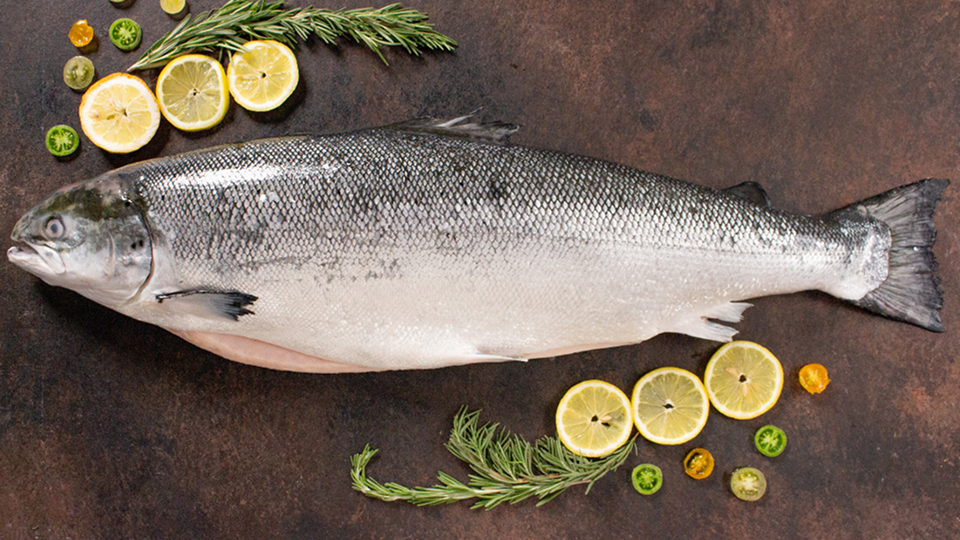
Salmon is widely regarded as one of the healthiest fish in the world due to its exceptional omega-3 fatty acid content, which supports heart health, brain function, and inflammation control.
It is also a rich source of high-quality protein, making it valuable for muscle maintenance and overall metabolic health.
Key Health Benefits:
Why Salmon Is So Nutritious:
Best Way to Consume:
Health Considerations:
Dietary Role:
Salmon fits well into heart-healthy diets, weight management plans, and high-protein meal routines, making it suitable for regular consumption when eaten in moderation.
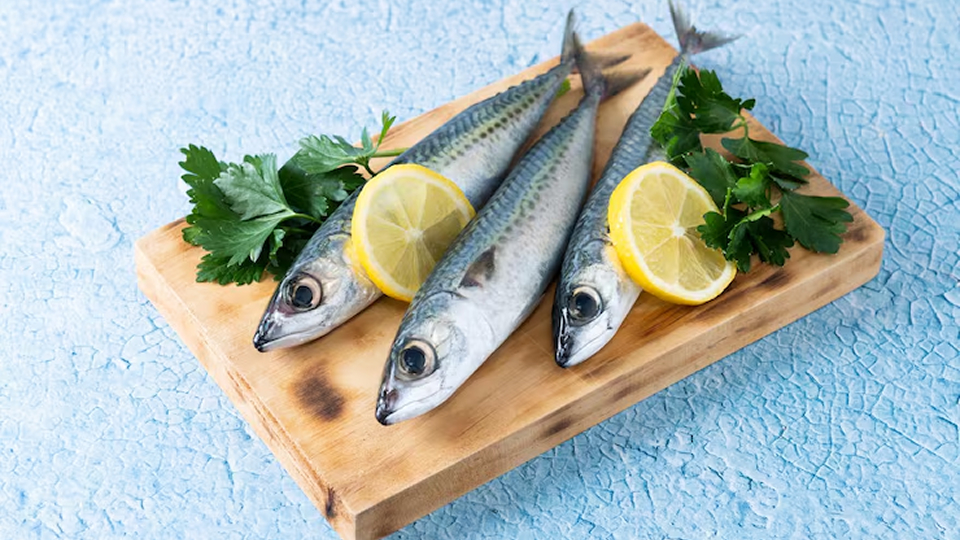
Sardines may be small, but they are one of the most nutritionally efficient fish available. They deliver a rare combination of omega-3 fatty acids, calcium, protein, and essential vitamins, all with very low mercury levels. This makes them particularly valuable for long-term heart, bone, and metabolic health.
Because sardines are low on the food chain, they accumulate fewer toxins while retaining a high concentration of beneficial fats and minerals. Their nutrient density relative to calorie content is one of the highest among commonly eaten fish.
Key Health Benefits:
Why Sardines Are So Nutritious:
Best Way to Consume:
Health Considerations:
Dietary Role:
Ideal for heart-healthy diets, bone health, and people looking for affordable, nutrient-rich seafood.

Mackerel is a fatty fish known for its exceptionally high omega-3 content, which supports heart health and helps reduce chronic inflammation. These healthy fats help regulate blood triglyceride levels and support normal brain and nervous system function.
Unlike many lean fish, mackerel provides a dense source of energy and nutrients in relatively small portions. This makes it especially useful for people who need nutrient-rich foods without large serving sizes, such as older adults or those with higher energy demands.
Key Health Benefits:
Why Mackerel Is So Nutritious:
Best Way to Consume:
Health Considerations:
Dietary Role:
Well-suited for people needing higher omega-3 intake or following anti-inflammatory diets.
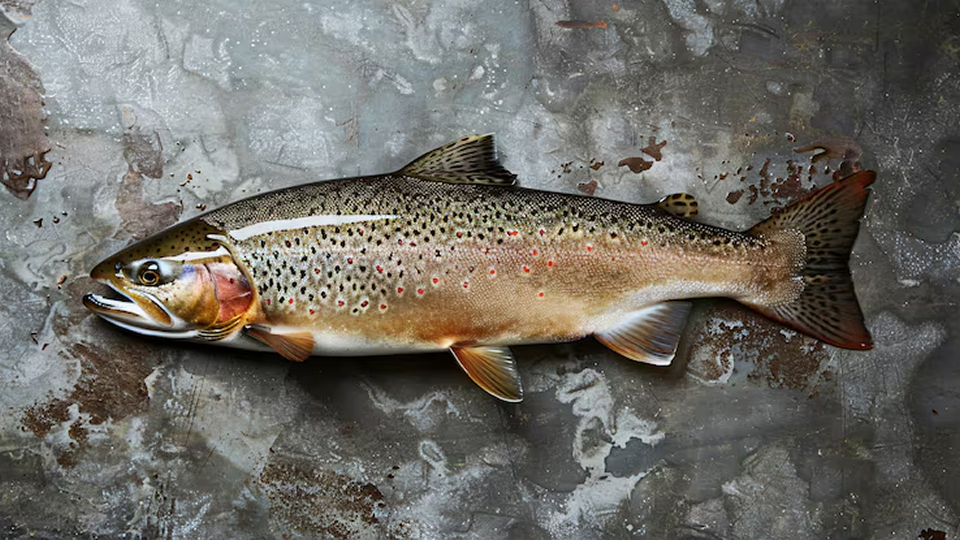
Trout is valued for its balanced nutritional profile, offering both lean protein and beneficial fats. It supports muscle health while still contributing omega-3 fatty acids that help protect the heart.
Because trout is generally easier to digest than heavier oily fish, it’s often recommended for people who want nutritious seafood without feeling overly full. Its mild flavour also makes it accessible to a wide range of diets.
Key Health Benefits:
Why Trout Is So Nutritious:
Best Way to Consume:
Health Considerations:
Dietary Role:
Great for weight management and balanced meal planning.

Anchovies are one of the most nutrient-dense fish per gram, delivering essential fats, minerals, and antioxidants despite their small size. Because they sit low on the food chain, they accumulate very few environmental toxins.
They are often eaten in small amounts, but even modest portions contribute meaningful nutrition, particularly for heart and bone health.
Key Health Benefits:
Why Anchovies Are So Nutritious:
Best Way to Consume:
Health Considerations:
Dietary Role:
Excellent for nutrient supplementation within meals.

Tuna is widely consumed due to its high protein content and versatility, making it a staple in many diets. It supports muscle health and helps maintain satiety, supporting weight management.
While tuna does contain omega-3s, its main strengths lie in its lean protein and B vitamins rather than its fat content.
Key Health Benefits:
Why Tuna Is So Nutritious:
Best Way to Consume:
Health Considerations:
Dietary Role:
Ideal for high-protein, low-fat meal plans.
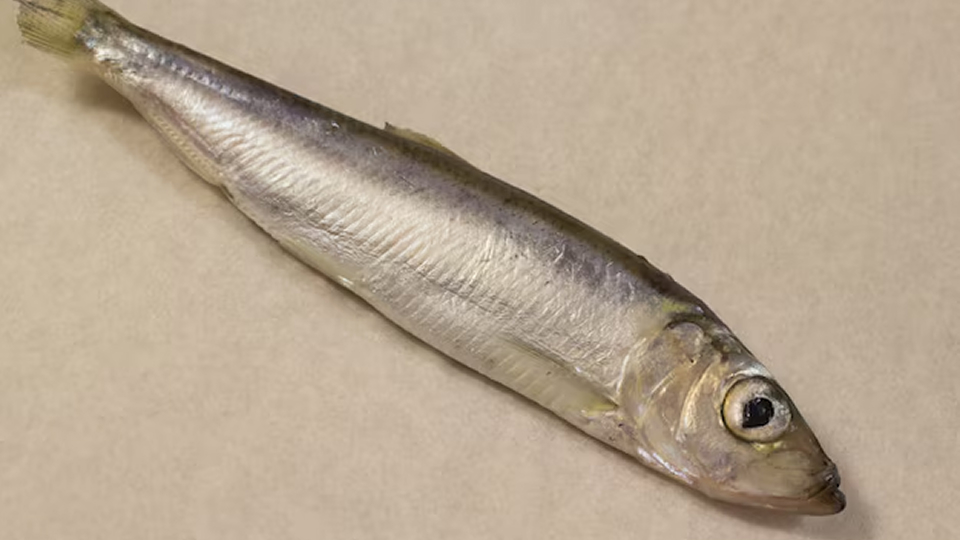
Herring is a fatty fish that has been consumed for centuries in regions with traditionally low rates of heart disease. Its nutritional value comes mainly from its high omega-3 fatty acid content, which helps reduce inflammation, support healthy blood vessels, and improve cholesterol balance.
These fats play an essential role in long-term cardiovascular protection.
In addition to healthy fats, herring provides fat-soluble vitamins that are harder to obtain from lean foods. This combination makes it particularly useful for people who don’t get enough vitamin D or rely heavily on low-fat diets.
Key Health Benefits:
Why Herring Is So Nutritious:
Best Way to Consume:
Health Considerations:
Dietary Role:
Well-suited for heart-focused and traditional diets.
Learn about the Indian gar fish, an ancient river predator with armour-like scales and a body built for stealth, strength, and ambush hunting.
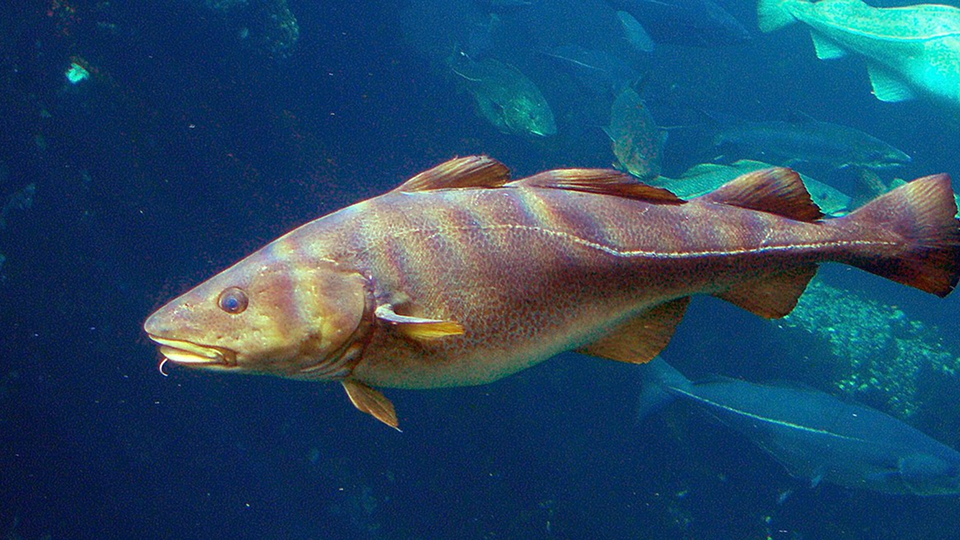
Cod is a lean white fish that stands out for its digestibility and micronutrient content, rather than its fat profile. While it doesn’t contain large amounts of omega-3s, cod plays an essential role in healthy diets by delivering high-quality protein with minimal calories and fat.
Its nutritional strength lies in essential minerals that support metabolic and hormonal function. For people managing weight, digestion, or fat intake, cod offers a reliable and gentle protein source.
Key Health Benefits:
Why Cod Is So Nutritious:
Best Way to Consume:
Health Considerations:
Dietary Role:
Suitable for calorie-controlled and digestive-sensitive diets.
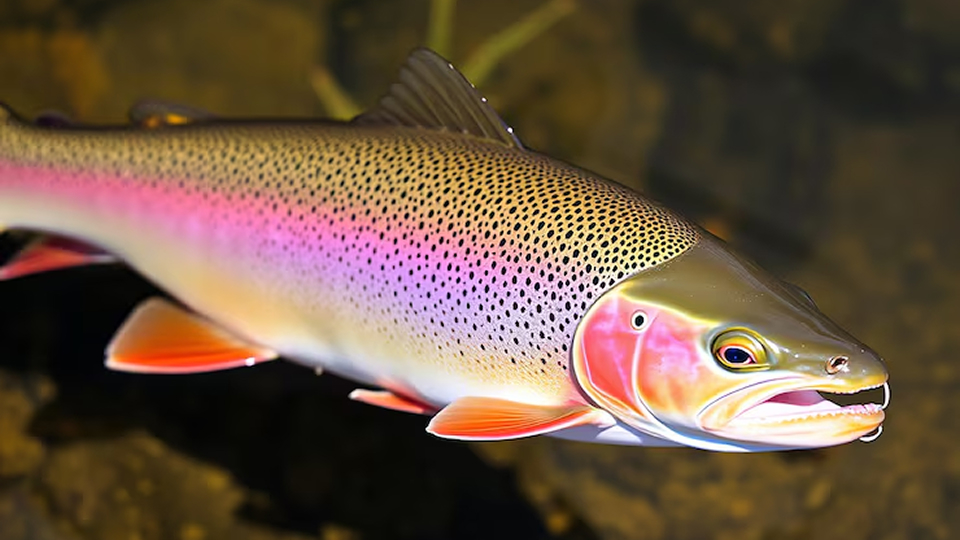
Rainbow trout offers a middle ground between lean fish and oily fish, making it a balanced and versatile option for regular consumption. It provides omega-3 fatty acids for heart health while remaining moderate in fat and calories.
Because rainbow trout is often farmed in controlled environments, it tends to have consistent quality and lower contaminant levels. This reliability makes it a practical choice for families and people looking to eat fish more frequently.
Key Health Benefits:
Why Rainbow Trout Is So Nutritious:
Best Way to Consume:
Health Considerations:
Dietary Role:
Ideal for family meals and everyday healthy eating.
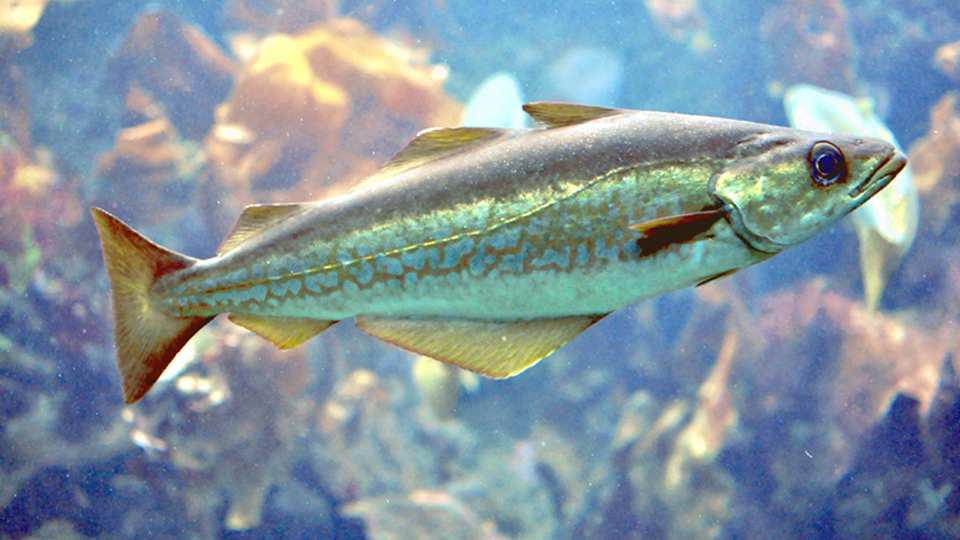
Pollock is widely eaten around the world because it offers accessible, affordable nutrition without sacrificing protein quality. While it’s lower in healthy fats than oily fish, pollock still contributes essential nutrients that support energy production and muscle health.
Its mild flavour and low-fat content make it easy to incorporate into meals, especially for people who prefer lighter seafood or are transitioning to healthier eating habits.
Key Health Benefits:
Why Pollock Is So Nutritious:
Best Way to Consume:
Health Considerations:
Dietary Role:
A practical choice for consistent, budget-friendly nutrition.
Also Read: Aquarium Paradise: Visiting Hours and Schedule Information
Many of the fish considered healthiest for human diets also play vital roles in marine and freshwater ecosystems. Their nutritional value comes from natural food chains that are increasingly under pressure from overfishing, habitat loss, and climate change.
Some species on this list, particularly oily fish rich in omega-3 fatty acids, are heavily targeted by commercial fishing. When demand rises faster than populations can recover, it threatens not only the species themselves but also the balance of the ecosystems they support.
Consumers play a role in conservation by:
Balancing health benefits with environmental responsibility helps ensure that these nutritious fish remain available not just as food, but as essential parts of aquatic ecosystems.
Eating fish regularly can provide long-term health benefits, but balance and variety matter just as much as frequency. Nutrition experts generally agree that moderate, consistent intake is more effective than infrequent, large amounts.
For most people, eating fish 2 to 3 times per week is considered optimal. This amount provides sufficient omega-3 fatty acids, high-quality protein, and essential micronutrients without increasing exposure to contaminants such as mercury.
A standard serving of fish is usually around 100–150 grams (3–5 ounces) when cooked. This portion size delivers nutritional benefits without excess calories or fat.
Rotating different types of fish is one of the healthiest approaches. Eating a mix of oily and lean fish:
Including fish as a regular, well-balanced part of your diet helps maximise its health benefits while keeping overall nutrition safe and sustainable.
If you’ve ever wanted to explore the ocean without leaving the city, The Aquarium Paradise, located on Jayamahal Main Road, Opp. TV Tower, J.C. Nagar, Bengaluru, brings the underwater world to life in a way few places can.
Learning about healthy fish doesn’t have to stop at nutrition charts and food lists. Seeing aquatic species in real life offers a deeper understanding of how fish live, move, and grow in well-balanced ecosystems. The same ecosystems make them such valuable sources of nutrition.
Here’s what makes this aquatic experience truly unforgettable:
*Ticket Prices: ₹499/₹599 for adults, ₹449/₹549 for kids (80–140 cm), and free for children below 80 cm.
Healthy fish are more than just nutritious food choices; they are part of complex ecosystems that support life both in water and on land. From omega-3-rich oily fish to lean, protein-packed varieties, each species plays a role in global diets and environmental balance.
Understanding where these fish come from, how they live, and why sustainability matters helps us make better choices as consumers. When knowledge extends beyond the kitchen to real-world observation, it deepens appreciation of the connection between health, nature, and responsible consumption.
Step into the deep for yourself at the Aquarium Paradise to see how marine life truly moves, adapts, and lives beyond the surface.
Book your tickets today and experience the ocean’s most fascinating creatures up close!
Healthier fish typically contain higher levels of omega-3 fatty acids, quality protein, and essential vitamins while remaining low in mercury and harmful contaminants.
Yes, for most people, eating fish 2–3 times a week is considered safe and beneficial, especially when choosing low-mercury species and rotating different types.
Both can be healthy. Marine fish are often higher in omega-3s, while freshwater fish provide lean protein and essential minerals.
Overfishing and habitat damage can reduce the quality of fish populations. Choosing responsibly sourced fish helps protect ecosystems and long-term food security.
Yes. Seeing fish behaviour, feeding patterns, and habitats helps build awareness of how aquatic ecosystems support healthy food sources.

6.17.2025
Compare the largest crab in the world like the Japanese Spider and Coconut Crab. Explore traits, habitats, and conservation efforts. Click to know more!
%201.webp&w=3840&q=75)
9.4.2025
Find the best kids’ fun places in Bangalore in 2026, from Aquarium Paradise and Snow City to Cubbon Park and Bannerghatta. Indoor & outdoor picks for every age.

5.22.2025
Discover Bengaluru's Aqua Tunnel, a top tourist spot with stunning aquatic displays and interactive experiences. Plan your visit today!

5.16.2025
Discover the magic of Aquarium Paradise in Bangalore with its unique underwater tunnel, mermaid show, and interactive marine experiences. Get more info here.