10 Most Dangerous Fish in the World
By Anurag Kamboj, Writer, Aquarium Paradise
Published
The ocean is vast and beautiful, an endless world of colour, calm, and incredible life. But beneath that shimmering surface lurk creatures armed with venomous spines, paralysing toxins, needle-like barbs, and, in some cases, razor-sharp teeth designed to tear flesh. Out of the 30,000+ fish species that glide through our waters, only a tiny handful can actually kill or seriously injure a human.
Yet those few are powerful enough to inspire both awe and fear. In this list of the 10 most dangerous fish in the world, you’ll meet species whose venom is 1,200 times deadlier than cyanide, fish that can leap into a kayak with enough force to break ribs, and even a deceptively “cute” culprit known for attacking in the most embarrassing way imaginable.
By the end, you’ll know which fish to avoid, how they harm, and why these underwater assassins are unlike anything else in the ocean.

Child Ticket - Aquarium Paradise

Adult Ticket - Aquarium Paradise

FUNWEDNESDAY – Buy 1, Get 1 Free
In a Nutshell
- The world’s most dangerous fish aren’t always the biggest; some are tiny, camouflaged, or deceptively beautiful.
- Venom, electricity, razor teeth, and territorial behaviour are the main reasons these species pose serious threats.
- Many of these fish live in popular swimming and diving destinations, making awareness essential for safe travel.
- Most injuries occur accidentally, such as stepping on, startling, or mishandling marine animals.
- Simple habits like keeping distance, researching local habitats, and staying calm during encounters dramatically reduce risks.
- Respecting marine wildlife keeps both you and the ocean ecosystem safer.
What Makes Certain Fish Dangerous?
Some fish become dangerous due to potent venom, razor-sharp teeth, explosive speed, electric shocks, or parasitic behaviour. These biological weapons allow them to kill, injure, or disable humans in seconds, making them some of the ocean’s most formidable threats.
- Potent Venom or Toxins: Some fish carry venom strong enough to paralyse muscles, shut down nerves, or kill within minutes. Species like stonefish and lionfish can inject toxins through hidden spines, while pufferfish contain deadly tetrodotoxin that’s far more lethal than cyanide.
- Razor-Sharp Teeth & Brutal Bite Force: Predators such as tigerfish, barracudas, and certain sharks can tear through flesh in a single strike, aided by incredible speed and accuracy.
- Electric Shocks: The electric eel can unleash jolts strong enough to knock a person unconscious underwater, making escape nearly impossible.
- Parasitic or Invasive Behaviour: Tiny horror stories like the candiru can enter body openings, attach internally, and cause severe injury—despite their small size.
- Ambush Speed & Stealth: Some species hide beneath sand or coral, striking faster than you can react.
Why You Should Care?
Whether you swim, snorkel, dive, or simply travel near oceans and rivers, knowing which fish pose real danger can prevent serious injuries. Awareness helps you stay safe, make smarter choices in unfamiliar waters, and respect marine wildlife without unnecessary fear.
- Travel & Swimming Safety: Many of these fish live in popular beaches, reefs, and river zones worldwide.
- Ocean Awareness: Understanding their dangers helps people respect wildlife, avoid accidents, and stay safe while exploring the water.
- Eco-Awareness: Understanding dangerous species helps you appreciate their ecological role instead of mistaking them as “monsters.”
- Emergency Preparedness: Knowing the symptoms of stings, bites, or shocks can help you react quickly and potentially save a life.
- Responsible Tourism: Awareness reduces harmful interactions, protects marine habitats, and encourages safer, more respectful travel.
Also Read: Octopus Facts and Behaviour: A Complete Guide
The Countdown: 10 Most Dangerous Fish
A dive into ten of the world’s most dangerous fish - from venomous spines and electric shocks to razor teeth and ferocious packs - shows how each species can harm humans, where they live, and how to stay safe.
Let's look at each one in detail:
1. Pufferfish
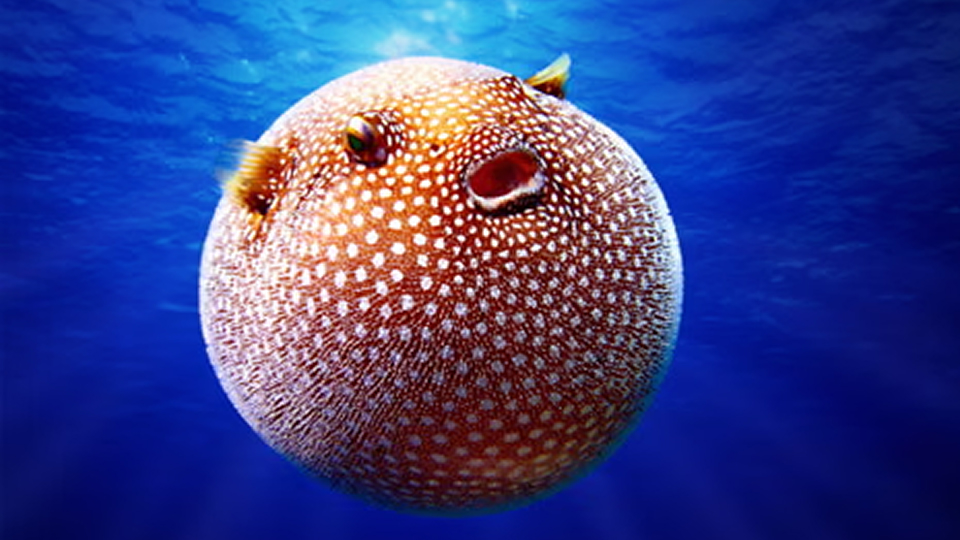
The pufferfish may look cute and harmless, but it carries one of the deadliest natural toxins on Earth, tetrodotoxin. This poison is concentrated in its organs and skin, and even a tiny amount can shut down the human nervous system. Interestingly, its defence mechanism isn’t aggression but inflation; when threatened, it puffs into a spiky ball to deter predators.
Despite its danger, it’s a delicacy in Japan, though only expert chefs are licensed to prepare it safely.
- Fascinating/Frightening: Tiny but deadly, its tetrodotoxin is estimated to be ~1,200× more lethal than cyanide.
- Primary Threat: Potent neurotoxin in organs.
- Location: Warm tropical seas worldwide.
- Fatal Stats: One fish may contain enough toxin to kill ~30 adults.
- Encounter Story: Improperly prepared fugu meals have caused fatal poisonings in Japan.
- Stay-Safe Tip: Never handle or eat fugu unless prepared by licensed chefs; avoid touching reefs.
2. Red Lionfish
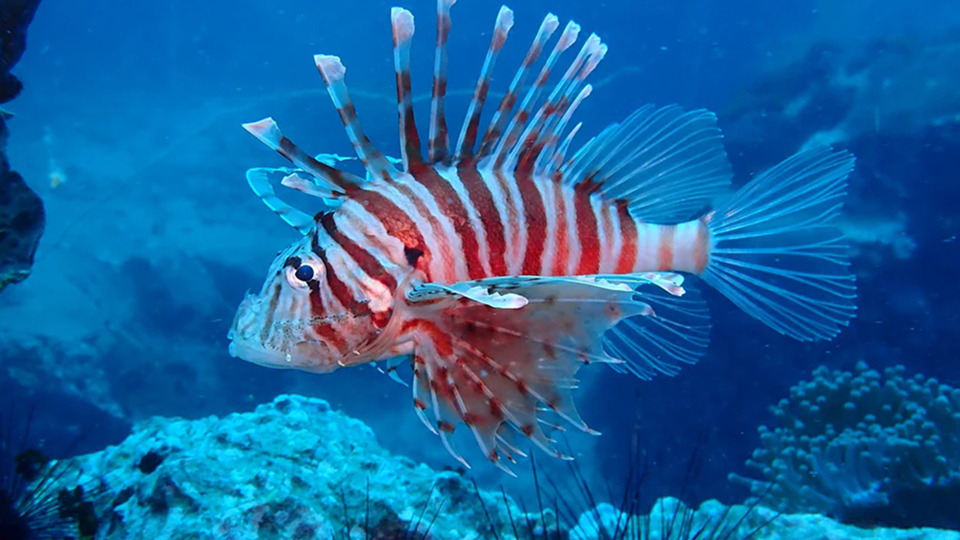
The red lionfish is a striking, fan-finned beauty armed with venom-tipped spines capable of delivering shockingly painful stings. Native to the Indo-Pacific, it has become a highly invasive species in the Atlantic and Caribbean, where it devastates reef ecosystems.
Its venom causes intense pain, swelling, and temporary paralysis, though it is rarely fatal to humans. Because it hovers calmly near reefs, swimmers often approach too closely, unaware of the danger hidden in its elegant, flowing fins.
- Fascinating/Frightening: Gorgeous but venomous - its spines deliver intense pain.
- Primary Threat: Venomous dorsal spines.
- Location: Indo-Pacific; invasive in the Caribbean/Atlantic.
- Fatal Stats: Rarely fatal, but stings can cause nausea and breathing distress.
- Encounter Story: Divers have reported painful envenomations while removing them from reefs.
- Stay-Safe Tip: Keep distance; wear protective gloves if handling during culls.
3. Candiru
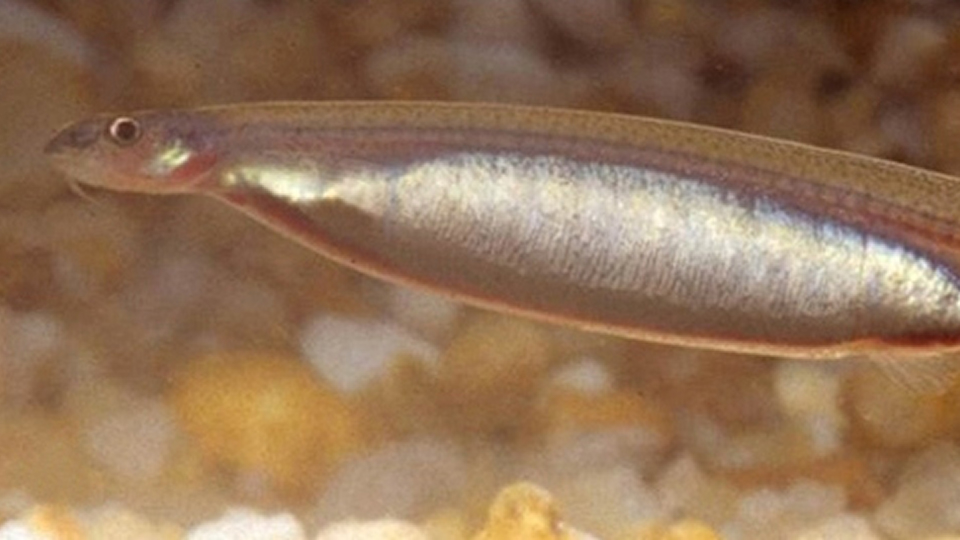
The candiru is a tiny Amazonian catfish wrapped in myth, fear, and rare but alarming real-life encounters. Only a few centimetres long, it is parasitic, feeding on the blood of larger fish. Its notoriety comes from claims that it can enter human body openings, especially the urethra, using sharp spines to latch on internally.
While such incidents are extremely rare, the possibility of severe injury has made the candiru one of the most feared small fish in the world.
- Fascinating/Frightening: Tiny Amazon catfish infamous for alleged urethral entry.
- Primary Threat: Sharp spines can injure if lodged.
- Location: Amazon Basin (Brazil, Peru, etc.).
- Fatal Stats: Only one documented urethral entry case (1997).
- Encounter Story: A 23-year-old in Brazil underwent surgery after a candiru lodged inside his urethra.
- Stay-Safe Tip: Avoid standing/wading in shallow, murky Amazon waters; wear protective swimwear.
4. Great White Shark
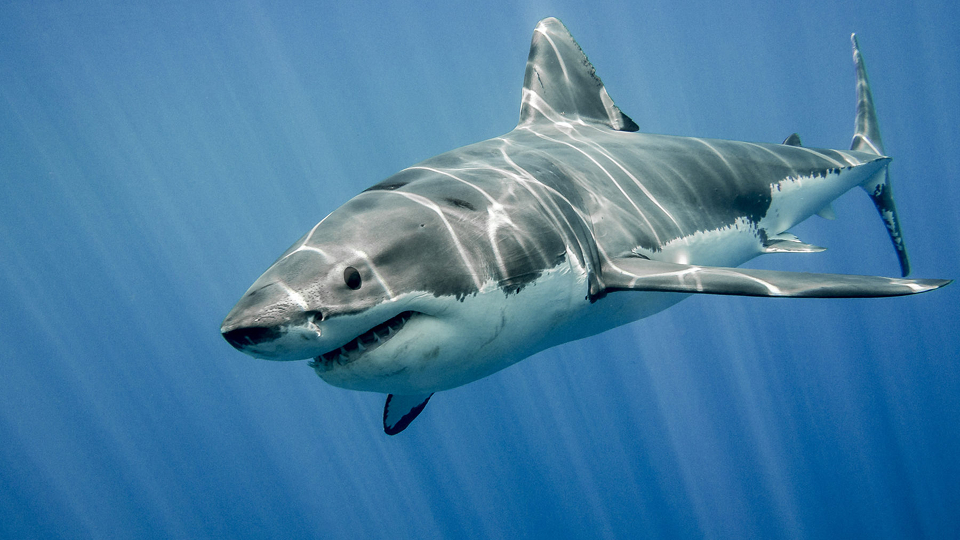
The great white shark is the ocean’s most iconic apex predator, known for its immense power, speed, and hunting precision. Capable of breaching out of the water to strike prey, it has the highest number of recorded unprovoked attacks on humans, though these are usually cases of mistaken identity.
Despite its fearsome reputation, the great white is vital to the balance of the marine ecosystem. Sadly, overfishing and habitat loss have pushed many populations into decline, making conservation more important than ever.
- Fascinating/Frightening: Apex predator with hundreds of documented bites.
- Primary Threat: Massive bite force & serrated teeth.
- Location: Coastal waters worldwide.
- Fatal Stats: ~351 unprovoked bites, 59 fatal on record.
- Encounter Story: Frequent unprovoked bites on surfers/ swimmers globally.
- Stay-Safe Tip: Avoid swimming at dawn/dusk; don’t enter water if bleeding or alone.
5. Moray Eel
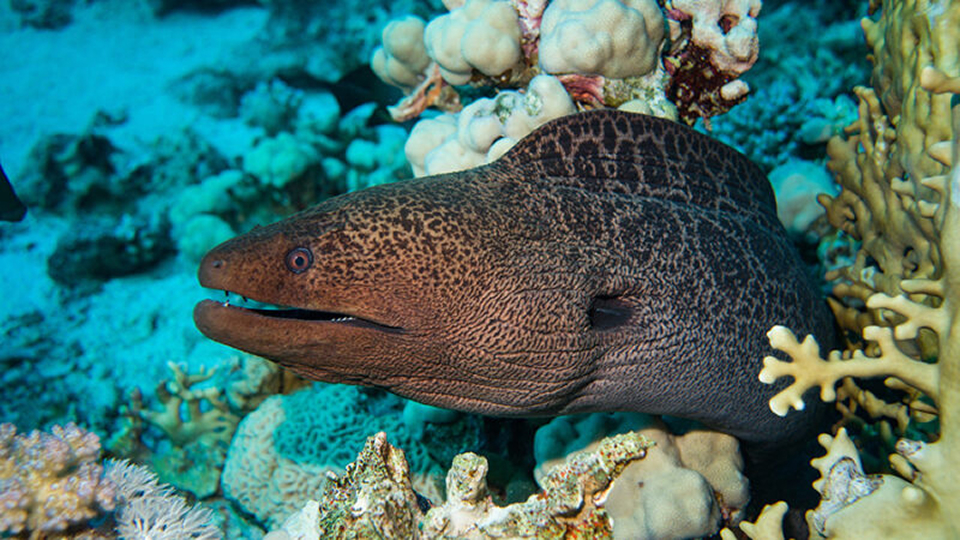
The moray eel is a secretive, snake-like predator that hides within coral crevices, striking with lightning speed when prey swims close. Its double-jaw system, featuring inner “pharyngeal jaws,” pulls food inward with surprising force. Though not venomous, morays can deliver deep, painful bites if provoked or cornered, often surprising divers who reach into rocky gaps.
Their intimidating appearance often overshadows their shy nature; morays only attack when threatened or accidentally touched, making understanding their habitat key to safe encounters.
- Fascinating/Frightening: Not venomous, but aggressive if provoked.
- Primary Threat: Sharp, backward-pointing teeth.
- Location: Tropical reef crevices.
- Fatal Stats: Bites can cause deep wounds/infections.
- Encounter Story: Divers touching crevices often get snapped by hidden eels.
- Stay-Safe Tip: Never put your hands into holes; wear protective dive gloves.
6. Stingray
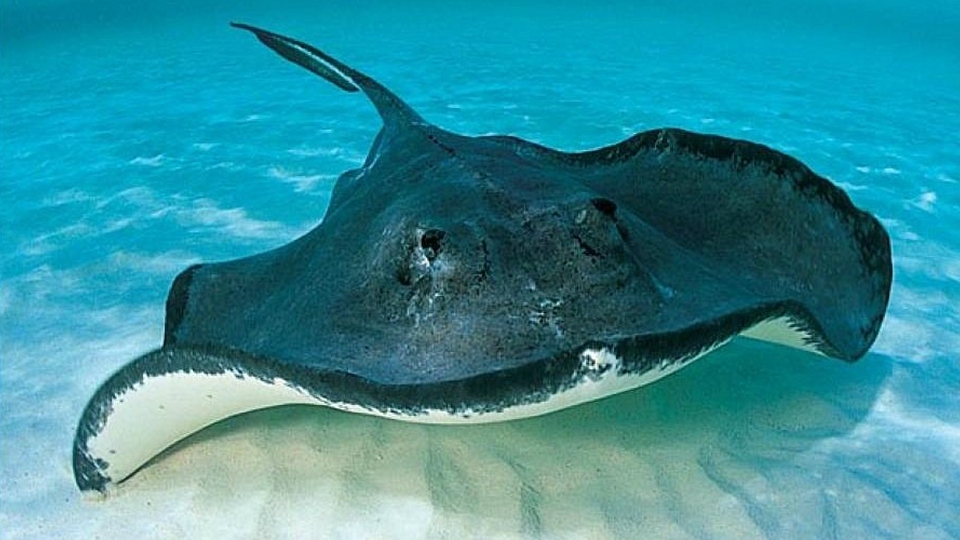
Stingrays are graceful, gentle swimmers that glide effortlessly across sandy seabeds. Though generally non-aggressive, they possess a powerful defensive weapon: a serrated, venomous tail spine that can inflict severe puncture wounds.
Most stings occur when swimmers accidentally step on them, prompting an instinctive whip of the tail. While fatalities are extremely rare, their injuries can be serious due to venom and tissue damage.
- Fascinating/Frightening Detail: Their tail barb can pierce bone and inject venom, making even accidental encounters extremely dangerous.
- Primary Threat: Venomous stinger with serrated, spear-like spine that can cause massive bleeding and tissue damage.
- Location: Warm coastal waters worldwide - Caribbean, Australia, Southeast Asia, Gulf of Mexico.
- Fatal Stats: Fatalities are very rare (estimated <5 per year globally), but barbs can cause heart or organ rupture.
- Encounter Story: Wildlife icon Steve Irwin died in 2006 after a stingray barb punctured his chest during filming.
- Stay-Safe Tip: Shuffle feet when walking in shallow water, never swim directly above rays, and seek urgent medical care if stung.
7. Piranha
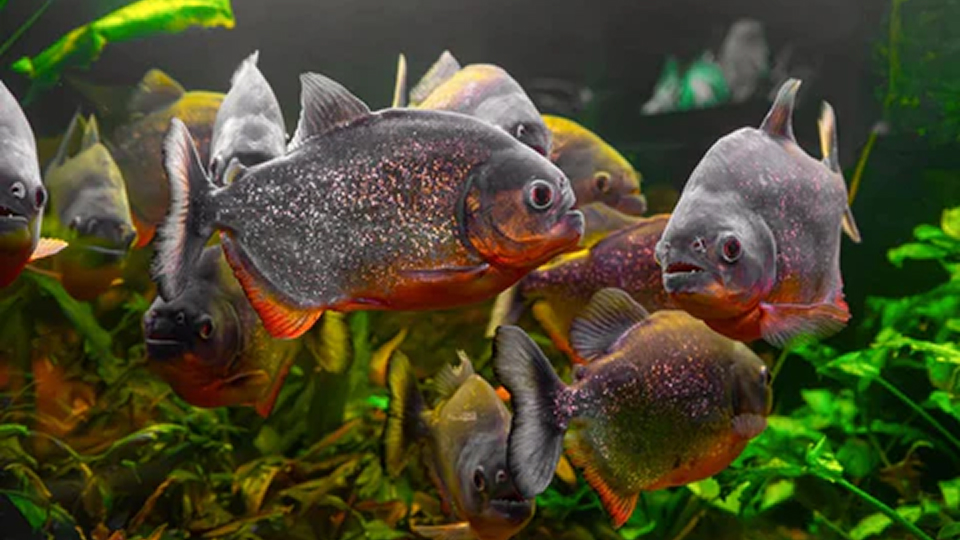
Piranhas are small but formidable river predators known for their sharp, interlocking teeth and powerful jaws. Although they often appear in frightening stories, most species are cautious and avoid humans unless stressed. Attacks typically occur during the dry season when water levels drop, and food becomes scarce, triggering frantic feeding behaviour.
While capable of inflicting painful bites, piranhas play an essential role in cleaning rivers by consuming dead or weak animals.
- Fascinating/Frightening: Pack hunters with powerful bites.
- Primary Threat: Razor-sharp, scissor-like teeth.
- Location: South American rivers.
- Fatal Stats: 200+ attacks/year; occasional fatalities reported.
- Encounter Story: Brazilian rivers have seen multiple injuries in drought seasons.
- Stay-Safe Tip: Avoid swimming near food waste or during breeding season.
8. Stonefish
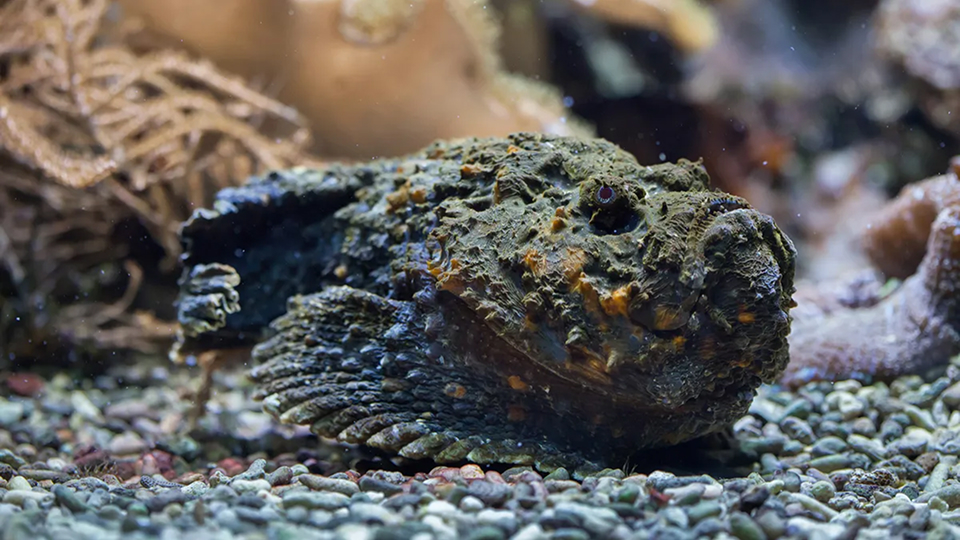
The stonefish is the world’s most venomous fish, perfectly camouflaged to resemble rocks and reef debris. This deceptive disguise makes it easy for swimmers to accidentally step on it, triggering a venomous sting of excruciating intensity. Its dorsal spines inject a toxin that can cause shock, paralysis, and tissue necrosis if untreated.
Found mainly in Indo-Pacific shallows, the stonefish prefers to sit motionless and ambush prey. Protective footwear and careful movement are the best defences against this hidden danger.
- Fascinating/Frightening: The most venomous fish on Earth.
- Primary Threat: Venomous dorsal spines.
- Location: Indo-Pacific shallow waters.
- Fatal Stats: ~700+ stings reported in Australia (2000 - 2013).
- Encounter Story: Swimmers often step on camouflaged stonefish, causing intense pain.
- Stay-Safe Tip: Wear water shoes; shuffle feet in shallow zones.
9. Atlantic Manta
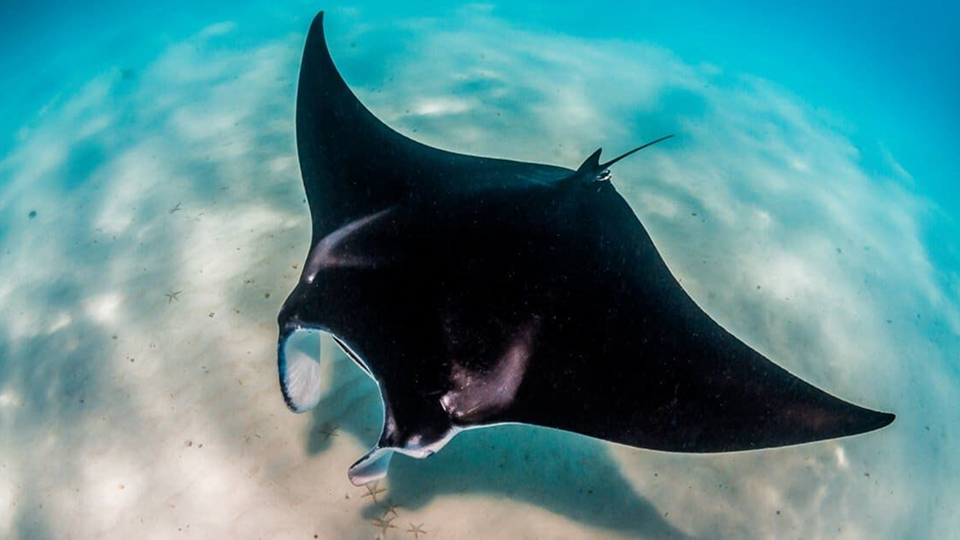
The Atlantic manta, often mistaken for a threat due to its massive wingspan, is actually one of the ocean’s gentlest giants. Unlike stingrays, it has no venomous barbs and rarely shows aggression. However, its sheer size means accidental collisions can occur if divers swim too close, especially when mantas are feeding or turning.
These peaceful filter-feeders glide through warm seas with effortless grace and are beloved by divers worldwide.
- Fascinating/Frightening: Enormous rays are often mistaken for danger.
- Primary Threat: Large size can accidentally injure in collisions.
- Location: Warm seas worldwide.
- Fatal Stats: Very rare injuries; not typically aggressive.
- Encounter Story: Divers report startled mantas bumping boats, not attacking.
- Stay-Safe Tip: Maintain distance; avoid close pursuit or touch.
10. Electric Eel
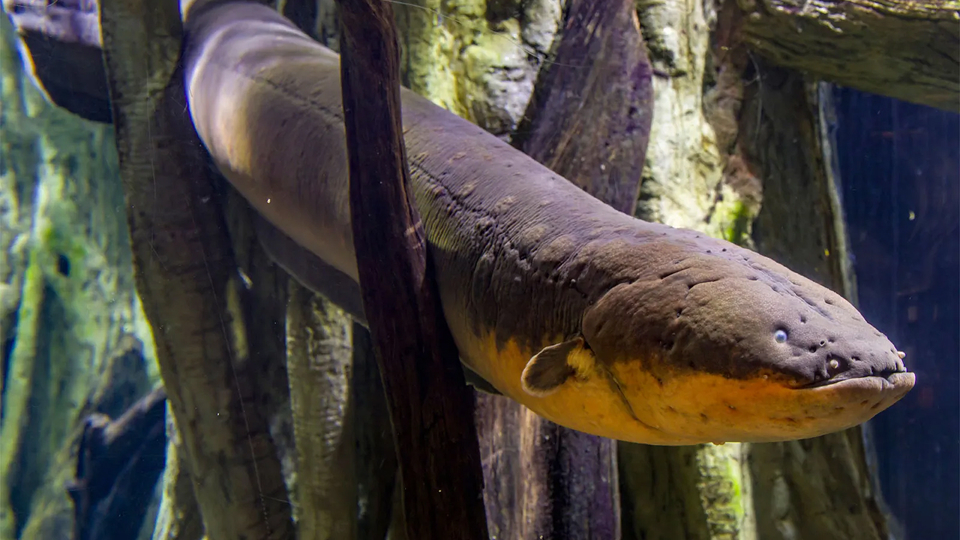
The electric eel is a powerful predator capable of generating electric shocks of up to 600 volts, strong enough to stun prey or incapacitate a human. Found in muddy waters of the Amazon and Orinoco, it uses both high- and low-voltage discharges for hunting and navigation. Multiple shocks can overwhelm a person, leading to drowning even in shallow water.
Despite its name, it’s technically a knifefish, not a true eel. Its unique biology makes it one of Earth’s most remarkable and dangerous freshwater creatures.
- Fascinating/Frightening: Can release up to ~600 V shocks capable of stopping a heart.
- Primary Threat: Powerful electric discharge.
- Location: Amazon/Orinoco rivers.
- Fatal Stats: Shocks can lead to drowning/heart failure.
- Encounter Story: Fishermen have reported being stunned in shallow water.
- Stay-Safe Tip: Avoid wading at night; stay clear of submerged logs and vegetation.
If you genuinely have a passion for marine life, there’s no better place to explore than Aquarium Paradise in Bangalore. Home to over 500 species, including angelfish, clownfish, lionfish, groupers, moray eels, jellyfish, seahorses, and colourful coral reef fish. Your adventure awaits.
5 Additional Fish to Watch Out For
Here are honourable mentions of those fish that missed the top 10 but still deserve respect.
1. Scorpionfish
The scorpionfish is a master of camouflage, blending seamlessly into rocky reefs and coral beds where it waits motionless for prey. Its venomous dorsal spines can inflict extremely painful stings, often surprising divers who don’t notice its presence. Although less deadly than the stonefish, its venom still causes intense burning, swelling, and sometimes tissue damage.
- Why Not in Top 10: Less venomous than stonefish and rarely fatal, but still extremely painful and medically serious.
- Fascinating/Frightening Detail: Masters of camouflage, often invisible until it’s too late.
- Primary Threat: Venomous dorsal spines causing intense burning pain, swelling, and tissue necrosis.
- Location: Indo-Pacific reefs, Red Sea, Caribbean.
- Fatal Stats: Few fatalities; most victims suffer severe pain and temporary disability.
- Encounter Story: Divers frequently get stung while stabilising themselves on rocks or reefs.
- Stay-Safe Tip: Avoid touching the seabed; maintain good buoyancy while diving.
2. Sawfish
Sawfish are impressive, shark-like rays known for their long, toothed rostrum resembling a giant saw. Despite their intimidating appearance, they are generally peaceful and avoid humans. Most injuries happen accidentally when a startled sawfish thrashes, swinging its saw with enough force to cause deep cuts or damage fishing gear.
These critically endangered giants inhabit tropical coastal waters and estuaries worldwide. Their “saw” helps detect and stun prey, but poses danger only when mishandled or encountered in tight spaces.
- Why Not in Top 10: Not aggressive toward humans; injuries are accidental—size and saw-like rostrum pose risk, not predatory behaviour.
- Fascinating/Frightening Detail: Their “saw” has sharp teeth capable of slicing through boats or limbs during a struggle.
- Primary Threat: Accidental slashes from rapid thrashing.
- Location: Tropical coastal waters of Australia, Southeast Asia, and the US.
- Fatal Stats: Extremely low; injuries occur mainly in fishing nets.
- Encounter Story: Fishermen have suffered deep lacerations while attempting to release entangled sawfish.
- Stay-Safe Tip: Keep distance; never try to handle one without professional gear.
3. Titan Triggerfish
The titan triggerfish is a bold and territorial reef species known for defending its nest with surprising aggression. Found across Indo-Pacific waters, it patrols sandy patches near coral and will charge intruders, including divers, when breeding. Its strong jaws can deliver painful bites and tear through gloves or equipment.
Though not deadly, encounters can be frightening due to their sudden speed and persistence.
- Why Not in Top 10: Not deadly but highly aggressive; injuries can be serious and bloody, especially during nesting season.
- Fascinating/Frightening Detail: They charge intruders with powerful bites capable of removing chunks of flesh and even damaging scuba gear.
- Primary Threat: Strong jaws, territorial attacks, and sudden speed bursts.
- Location: Indo-Pacific reefs, Thailand, Maldives, Indonesia.
- Fatal Stats: No known fatalities, but numerous injuries yearly.
Encounter Story: Divers in Thailand often report being chased and bitten during nesting months. - Stay-Safe Tip: Swim sideways (not upward), avoid nests, never turn your back.
Also Read: What Is the Deepest Ocean in the World?
How to Stay Safe From Them?
Simple habits can prevent most dangerous fish encounters. With awareness, respectful distance, and smart behaviour, you can explore oceans safely and confidently.
Here is how:
A. Don't Touch: Most venomous fish injuries happen when swimmers accidentally step on or handle them. These fish strike only in self-defense. Avoid touching rocks, coral, or seabed surfaces, and never pick up unfamiliar marine animals, even if they look harmless or slow.
B. Be Aware: In shallow or murky waters, visibility drops, and dangerous fish may rest or hide. Shuffling your feet alerts stingrays and bottom-dwellers before you step on them. Move steadily, avoid sudden jumps, and stay cautious around seagrass beds and sandy flats.
C. Respect Wildlife: Always maintain distance from marine creatures, especially large predators or territorial species. Approaching too closely stresses animals, increasing the chance of defensive reactions. Observe calmly from afar, avoid chasing or cornering fish, and let them control the space around you.
D. Know the Habitat: Research local marine life before swimming, diving, or snorkelling. Different regions host different threats: stonefish near reefs, piranhas in certain rivers, and electric eels in muddy streams. Understanding who lives there reduces surprises and helps you choose safer spots.
E. Stay Calm & Back Away: If you encounter a dangerous fish, avoid splashing or sudden movements. Back away slowly while facing the animal. A calm retreat reduces the risk of triggering defensive behaviour and helps prevent panic-driven accidents in unfamiliar waters.
Aquarium Paradise: Bengaluru's Ultimate Marine Experience
Nestled in the heart of Bengaluru, Aquarium Paradise offers an immersive aquatic adventure with India’s longest underwater tunnel, stunning marine exhibits, and engaging experiences for families, students, and adventure seekers alike.
- Ocean Restaurant View: Enjoy an extraordinary dining experience with panoramic views of the underwater world, the first of its kind in India.
- Underwater Tunnel: Stroll through India’s longest underwater tunnel, where you can witness sharks, rays, and sea turtles gliding past you.
- Marine Life Variety: Home to over 500 species, including angelfish, clownfish, lionfish, moray eels, jellyfish, seahorses, and vibrant reef fish.
- Mermaid Show: The live, underwater mermaid show features professionally trained "mermaids" swimming gracefully alongside exotic marine species in the main display tank.
- Interactive Zones: Get hands-on by feeding stingrays, touching starfish, and participating in educational sessions about marine life.
- Freshwater Galleries: Explore a range of colorful tropical freshwater species from rivers and lakes across the globe.
- Family-Friendly Amenities: With spacious viewing areas, rest zones, and family care facilities, the aquarium ensures a relaxing visit for all ages.
- Educational Displays: Delve into exhibits focused on marine conservation, including coral restoration projects and efforts to protect ocean ecosystems.
- Ticket Pricing: Adult tickets are priced at ₹499 on weekdays and ₹599 on weekends and public holidays.
Conclusion
Our oceans are full of extraordinary species, some gentle, some unpredictable, and a few truly dangerous. But with the right awareness, respectful distance, and basic safety habits, you can explore marine environments with confidence instead of fear. Understanding how these fish behave not only protects you but also helps conserve the ecosystems they belong to.
Whether you’re a swimmer, diver, traveller, or simply someone who loves the sea, remember: knowledge is your best life jacket.
Experience the thrill of the deep seas minus the risk. Dive into The Aquarium Paradise and meet the ocean’s most fascinating creatures up close, safely, and comfortably.
FAQs
1. Are these dangerous fish aggressive toward humans?
Most of these fish are not naturally aggressive toward humans. Injuries typically occur when they are accidentally stepped on, startled, or mishandled. Many dangerous species prefer to avoid humans rather than attack, and it’s the interaction or disturbance that leads to harm.
2. Can a stonefish sting be fatal?
Yes, severe stings from a stonefish can be fatal if not treated promptly. The venom is potent and can cause intense pain, paralysis, and even death in some cases.
3. How can swimmers avoid stingray injuries?
To avoid stingray injuries, swimmers should shuffle their feet in shallow water, which helps alert resting rays to their presence. By doing this, rays will likely swim away, reducing the risk of accidentally stepping on them.
4. Do piranhas really attack humans often?
Piranhas rarely attack humans unless provoked, but attacks can occur during specific conditions such as droughts, low water levels, or when food is scarce. In these situations, piranhas may become more aggressive in their search for food.
5. Are electric eels truly dangerous?
Yes, electric eels can be dangerous due to their powerful electric shocks. These shocks can stun, paralyze, or even drown a person, particularly in shallow water where the current is more concentrated.
Writer, Aquarium Paradise
Anurag Kamboj writes the Aquarium Paradise blog, covering marine life, exhibits, ticket offers and practical tips for planning a family visit to Bengaluru's aquarium.
- Aquariums
- Marine life
- Family days out in Bengaluru
More To Read

6.17.2025
Top 10 Largest Crab Species Worldwide
Compare the largest crab in the world like the Japanese Spider and Coconut Crab. Explore traits, habitats, and conservation efforts. Click to know more!
%201.webp&w=1920&q=75)
9.4.2025
Top 20 Kids' Fun Places in Bangalore in 2026
Find the best kids’ fun places in Bangalore in 2026, from Aquarium Paradise and Snow City to Cubbon Park and Bannerghatta. Indoor & outdoor picks for every age.
5.22.2025
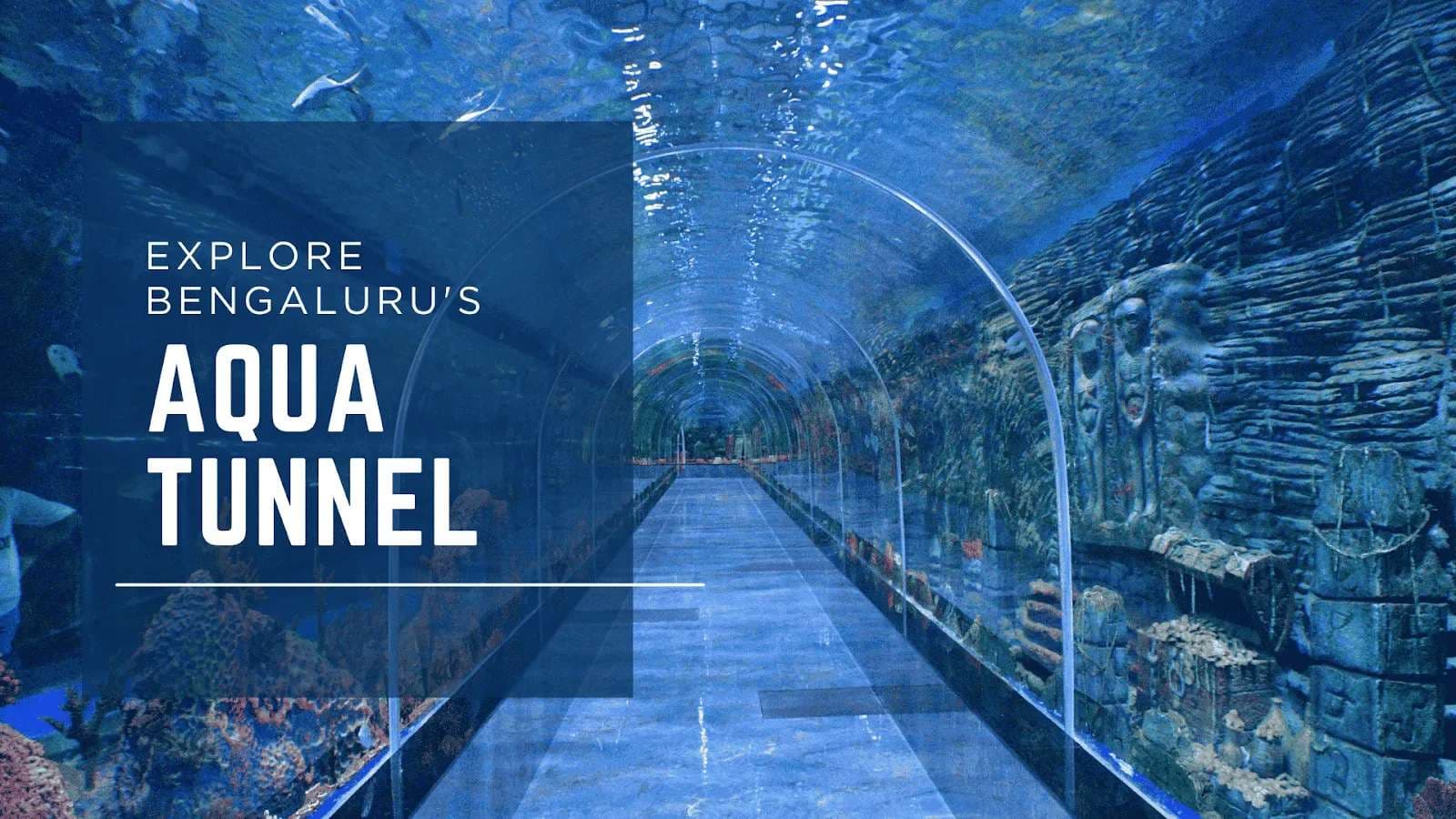
Explore the Mesmerizing Aqua Tunnel in Bengaluru
Discover Bengaluru's Aqua Tunnel, a top tourist spot with stunning aquatic displays and interactive experiences. Plan your visit today!

5.16.2025
Mesmerising Little Mermaid Shows Near You
Discover the magic of Aquarium Paradise in Bangalore with its unique underwater tunnel, mermaid show, and interactive marine experiences. Get more info here.
Recommended for you
Explore more from Aquarium Paradise and related picks tailored to this page.
