World Marine Species: See Them Up Close in Bangalore Without Travel in 2026
By Anurag Kamboj, Writer, Aquarium Paradise
Published
%202.webp&w=1920&q=75)
Marine life has always held a certain pull. The idea of colourful fish moving in synchrony, sharks gliding through deep waters, and jellyfish drifting under soft light feels distant, almost cinematic. For most people, this world exists through documentaries or short videos, not something they experience in real life.
When you start thinking about actually seeing world marine species up close, the effort involved quickly becomes clear. Oceans are far, travel takes planning, and experiences like diving are not always practical for families or casual outings. Even when you do get the chance, visibility and conditions are never fully in your control.
That’s what makes the shift in how people experience marine life interesting today. You no longer have to plan a full trip around it. There are now simpler, more accessible ways to step into this world, and that’s where the real opportunity begins to take shape.

Child Ticket - Aquarium Paradise

Adult Ticket - Aquarium Paradise

FUNWEDNESDAY – Buy 1, Get 1 Free
At a glance
- World marine species include puffer fish, sharks, and jellyfish, but real-life access usually requires coastal travel, diving setups, and advance planning.
- Most people never experience them directly due to cost, safety constraints, and unpredictable underwater visibility.
- Indoor marine environments allow clear, close observation of species without travel or specialised equipment.
- A typical visit takes 1–2 hours, making it easy to include in a Bangalore outing near Palace Grounds.
- Places like Aquarium Paradise make it possible to see multiple marine species in one structured, walk-through experience.
What Makes World Marine Species So Fascinating
World marine species feel different from anything you encounter on land. The way they move, slow, fluid, almost weightless, creates a sense of calm and curiosity at the same time. It’s not just movement, but how light, water, and colour interact to create scenes that feel unfamiliar yet captivating.
From brightly patterned reef fish to larger species like sharks and eels, every category brings a different visual experience. Some draw attention through colour and detail, while others stand out through size and presence. Even smaller species feel like part of something much bigger, giving you a glimpse into an ecosystem that operates very differently from everyday environments.
That contrast is what keeps people curious. It’s not just about seeing fish, it’s about stepping into a world that feels completely separate from daily life. And that curiosity naturally leads to a question: if this experience is so compelling, what makes it so difficult to access in real life?
What Makes Experiencing Marine Life So Difficult in Reality
 2.webp)
Experiencing marine life in its natural setting usually involves more than just interest; it requires planning, location access, and the right conditions. Unlike city-based activities, this is not something you can include in a casual outing or a last-minute plan. Even when arranged, the experience depends heavily on factors outside your control.
Here’s what specifically makes it difficult in practice:
- Geographic limitation: Most rich marine ecosystems are located in coastal or island regions, often requiring flights and additional travel from inland cities like Bangalore.
- High access cost: Guided dives, snorkelling trips, equipment rental, and travel expenses together make it a costly experience for a single outing.
- Skill and readiness required: Activities like scuba diving need basic training, health clearance, and comfort in water, not suitable for beginners or young children.
- Unpredictable visibility: Water clarity depends on weather, currents, and season, meaning you may not always see marine species clearly.
- Time commitment: A marine experience is rarely quick, it usually involves full-day or multi-day planning rather than a short visit.
Because of these constraints, most people look for ways to experience marine life that fit more easily into their routine without these limitations.
Also Read: Marine Wonders: 10+ True Ocean Facts That Will Leave You Amazed
From Ocean Travel to Easy Access: What Has Changed
Experiencing marine life no longer depends only on ocean travel. Structured, indoor environments now make it possible to see marine species up close in a way that fits into a regular city outing. What once required planning a trip can now be done in a few hours.
Here’s what has changed:
- From distant to accessible: Marine experiences are now available within city limits, removing the need for coastal travel.
- From unpredictable to controlled: Clear visibility and stable conditions replace dependence on weather and water clarity.
- From specialised to beginner-friendly: No diving skills, equipment, or prior training required.
- From time-heavy to flexible: Can be explored in a short 1–2 hour visit instead of a full-day or multi-day plan.
- From limited access to inclusive: Suitable for families, children, and first-time visitors.
This shift has made marine exploration easier to plan, easier to experience, and more consistent for everyday visitors.
That brings us to where you can actually experience this in Bangalore without leaving the city.
Experiencing Marine Life in Bangalore: A Practical Alternative
 2.webp)
You no longer need to plan a coastal trip to experience marine life. In Bangalore, places like Aquarium Paradise bring this experience into a setting that is easy to reach and simple to include in your day.
Here’s what makes it a practical option:
- Central location near Palace Grounds: Easy to access from most parts of the city, with clear landmark connectivity.
- Indoor, weather-independent setup: Air-conditioned environment that works in any season, including hot afternoons.
- Walk-through experience design: No fixed route pressure, you can move at your own pace and spend time where you want.
- Short visit duration: Typically completed in 1–2 hours, making it suitable for half-day plans.
- Structured and safe environment: Designed for all age groups, including children and first-time visitors.
Instead of building a trip around marine exploration, you can now fit it into a regular outing without changing your entire plan.
What makes the visit more meaningful, though, is not just the convenience but the actual marine species you get to see up close.
Marine Species You Can Actually See Up Close
One of the biggest differences between watching marine life on a screen and seeing it in person is clarity. Instead of brief glimpses or edited visuals, you get time to observe how different species move, interact, and occupy space.
The variety itself is what stands out; you’re not looking at one type of marine life, but multiple categories in a single visit.
Here’s a closer look at what you can actually see:
- Signature marine species: Moray Eel, Jellyfish, Bannerfish, Butterflyfish, and Emperor Angelfish bring strong visual contrast through movement, colour, and presence.
- Reef and schooling fish: Clownfish, Domino Damsel, Sergeant Major, and Assessor Basslet are smaller but more dynamic, often seen moving in groups or across different tank levels.
- Unique invertebrates and aquatic life: Sea Urchin, Lobster, Shrimp, and Mantis Shrimp add a different layer to the experience, focusing more on form and behaviour than movement.
- Larger and freshwater highlights: Species like Alligator Gar, Silver Arowana, Redtail Catfish, and River Stingray introduce scale and presence, giving you a sense of how large certain aquatic species can get.
- Colour-rich species for visual variety: Discus, Angelfish, Flowerhorn, and Neon Tetra bring strong colour patterns that stand out under aquarium lighting.
What makes this experience different is not just the number of species, but how close and clearly you can observe them. You begin to notice details like fin movement, interaction patterns, and scale, things that are often missed in videos or images.
But seeing these species is only one part of the visit. The way the space is designed around them is what turns observation into a more immersive experience.
From Viewing to Immersion: How the Experience Comes Together
 2.webp)
Seeing marine species up close is one part of the experience. What makes it feel complete is how the space is designed around them. Instead of moving from one tank to another, the layout brings everything together into a continuous, walk-through journey.
Here’s how the experience builds immersion:
- Underwater tunnel walkthrough: A semi-circular tunnel surrounds you with marine life from multiple angles, creating a 180° viewing experience instead of a front-facing one.
- Jellyfish room setup: Controlled lighting and reflective surfaces highlight slow, rhythmic movement, making this section feel visually different from the rest.
- Open viewing zones: Larger tanks and viewing panels allow you to pause, observe, and spend time without feeling rushed.
- Layered movement across levels: Species are placed at different depths, so you’re not just looking straight ahead, you’re observing above, beside, and across.
- Designed pause points: Lounge-style areas and seating spaces give you time to absorb what you’ve seen instead of moving through quickly.
This combination turns the visit into more than just observation. It creates a flow where you move through different environments, each offering a slightly different way to experience marine life.
Once you understand how the experience is structured, the next thing to plan is how much time you should set aside for it.
How Much Time You Need and How to Plan Your Visit
One of the biggest advantages of this experience is how easily it fits into your day. You don’t need to block an entire schedule or plan around travel. Most visitors are able to explore everything comfortably within a short, well-paced visit.
Here’s how to plan it effectively:
- Typical visit duration: Around 1 to 2 hours is enough to walk through all sections, spend time at key exhibits, and not feel rushed.
- Operating hours: Open daily from 10:00 AM to 8:00 PM, giving you flexibility to plan your visit across the day.
- Entry cut-off to note: The ticket counter closes at 7:15 PM, so it’s best to arrive well before this to complete your visit comfortably.
- Mermaid show timings: Usually held on Wednesday, Saturday, and Sunday at 1:00 PM, 3:00 PM, 5:00 PM, and 7:40 PM, which can be planned around your visit.
- Best time to visit: Weekday mornings or early afternoons are generally less crowded, offering clearer views and more time at each section.
- Pair it with nearby attractions: Its location near Palace Grounds makes it easy to combine with Fun World and Snow City Bangalore for a half-day or full-day outing.
This flexibility is what makes it suitable for different types of plans, whether you’re stepping out for a quick visit or building a longer outing around it.
With the timing and planning in place, it becomes easier to see who this experience is best suited for.
Also Read: Top Family Outing Places Near Bangalore to Explore in 2026
Who Will Enjoy This Experience the Most
 2.webp)
Not every outing works the same way for every group, and that’s where this experience stands out. It’s designed to be flexible, visual, and easy to engage with, which makes it suitable for different types of visitors without needing much preparation.
Here’s who tends to enjoy it the most:
- Families with children (ages 4–14): The combination of moving marine species, tunnel views, and interactive visuals keeps children engaged while still feeling safe and structured for parents
- Couples looking for a relaxed outing: The indoor setting, soft lighting, and visually immersive sections create a calm environment that works well for a casual date or evening plan
- First-time marine explorers: If you’ve never experienced marine life up close, this offers a clear and comfortable introduction without the need for travel or prior knowledge
- Small groups and weekend planners: The short visit duration and central location make it easy to include in a flexible plan without overcommitting time
- Content creators and casual photographers: Visually distinct spaces like the tunnel and jellyfish room provide strong backgrounds for photos and short-form videos
Because it adapts well to different visitor types, it becomes less about fitting into a specific plan and more about adding value to any outing.
Wrapping Up
Experiencing world marine species no longer needs to stay limited to documentaries or long travel plans. What once felt distant can now be explored in a way that fits into a regular day, without requiring specialised preparation or extended time.
This kind of experience works because it combines visibility, accessibility, and variety in one place. You’re able to observe different species closely, understand how they move and behave, and do it at your own pace in a setting that’s easy to include in your plans.
If you’re looking to experience marine life without leaving the city, Aquarium Paradise offers a straightforward way to do it. Plan your visit around the timings, catch the shows, and book your tickets in advance to make the most of your time there.
FAQs
1. What is the ticket price of Aquarium Paradise in Bangalore?
Ticket prices vary based on weekday or weekend visits:
- Weekdays (Mon–Fri): Adults ₹499, Children (80–140 cm) ₹449
- Weekends & Holidays: Adults ₹599, Children ₹549
Special experiences like “Become a Mermaid” are priced separately at ₹1199 for children and ₹1999 for adults. Booking in advance can help avoid queues and secure your preferred time slot.
2. Is Aquarium Paradise worth visiting?
It is worth visiting if you’re looking for a short, visually engaging experience. The underwater tunnel, jellyfish room, and variety of species offer a clear, structured way to explore marine life without travel, especially for families and first-time visitors.
3. How much time can you spend at Aquarium Paradise Bangalore?
Most visitors spend around 1 to 2 hours exploring all sections. This includes walking through the tunnel, viewing different species, and spending time in immersive areas without rushing.
4. What are the timings of Aquarium Paradise Bangalore?
The aquarium is open daily from 10:00 AM to 8:00 PM, and the ticket counter closes at 7:15 PM. It’s recommended to enter earlier in the day to complete your visit comfortably.
5. When can you watch the mermaid show at Aquarium Paradise?
The mermaid show is typically held on Wednesday, Saturday, and Sunday at 1:00 PM, 3:00 PM, 5:00 PM, and 7:40 PM. It is included in the entry ticket, but timings may vary slightly, so planning your visit around these slots helps you catch the show.
Writer, Aquarium Paradise
Anurag Kamboj writes the Aquarium Paradise blog, covering marine life, exhibits, ticket offers and practical tips for planning a family visit to Bengaluru's aquarium.
- Aquariums
- Marine life
- Family days out in Bengaluru
More To Read

6.17.2025
Top 10 Largest Crab Species Worldwide
Compare the largest crab in the world like the Japanese Spider and Coconut Crab. Explore traits, habitats, and conservation efforts. Click to know more!
%201.webp&w=1920&q=75)
9.4.2025
Top 20 Kids' Fun Places in Bangalore in 2026
Find the best kids’ fun places in Bangalore in 2026, from Aquarium Paradise and Snow City to Cubbon Park and Bannerghatta. Indoor & outdoor picks for every age.
5.22.2025
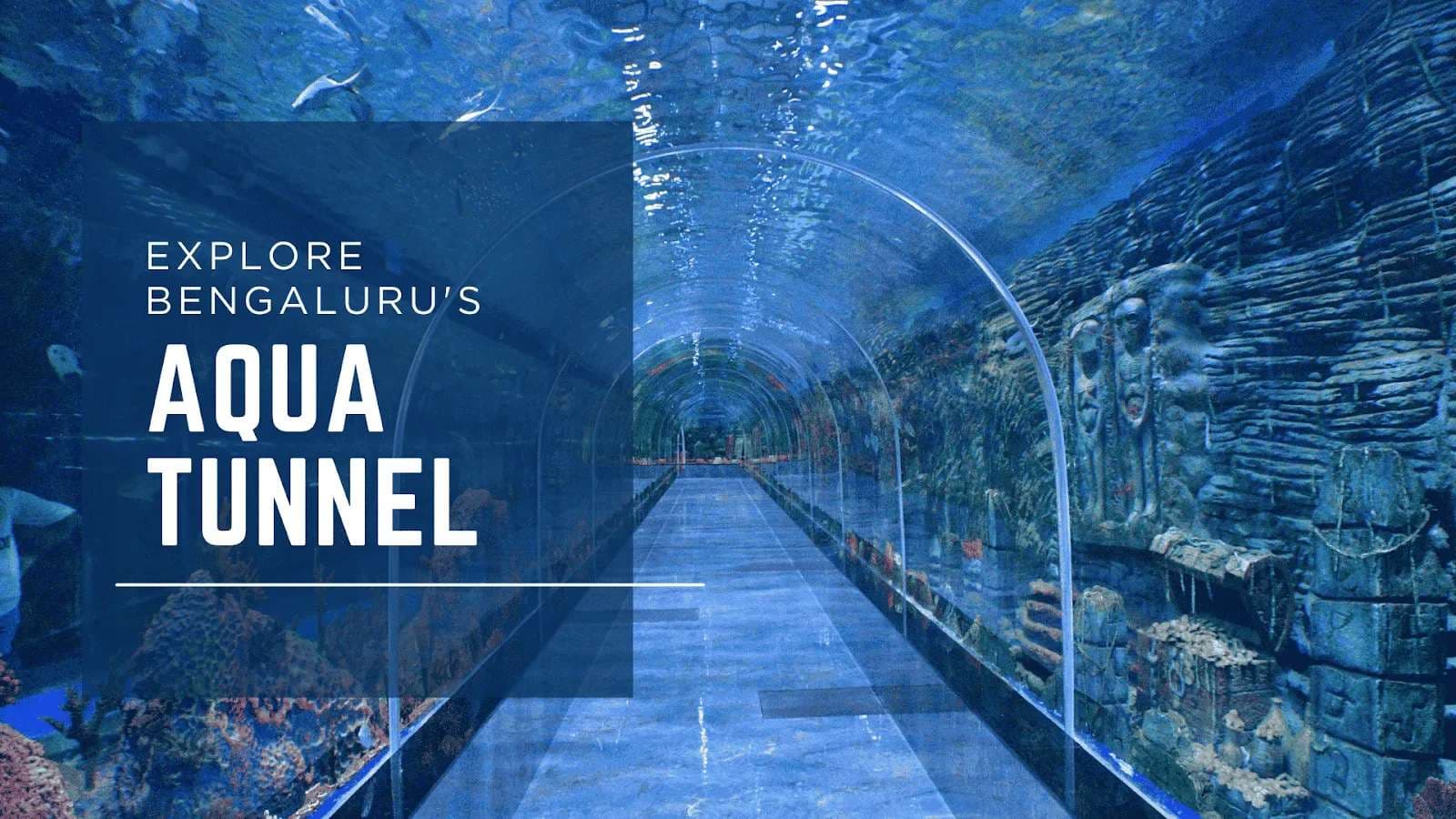
Explore the Mesmerizing Aqua Tunnel in Bengaluru
Discover Bengaluru's Aqua Tunnel, a top tourist spot with stunning aquatic displays and interactive experiences. Plan your visit today!

5.16.2025
Mesmerising Little Mermaid Shows Near You
Discover the magic of Aquarium Paradise in Bangalore with its unique underwater tunnel, mermaid show, and interactive marine experiences. Get more info here.
Recommended for you
Explore more from Aquarium Paradise and related picks tailored to this page.
