Aquarium Live Feeding Schedules: Fish Behaviour, Food Types, and Feeding Patterns Explained
By Anurag Kamboj, Writer, Aquarium Paradise
Published
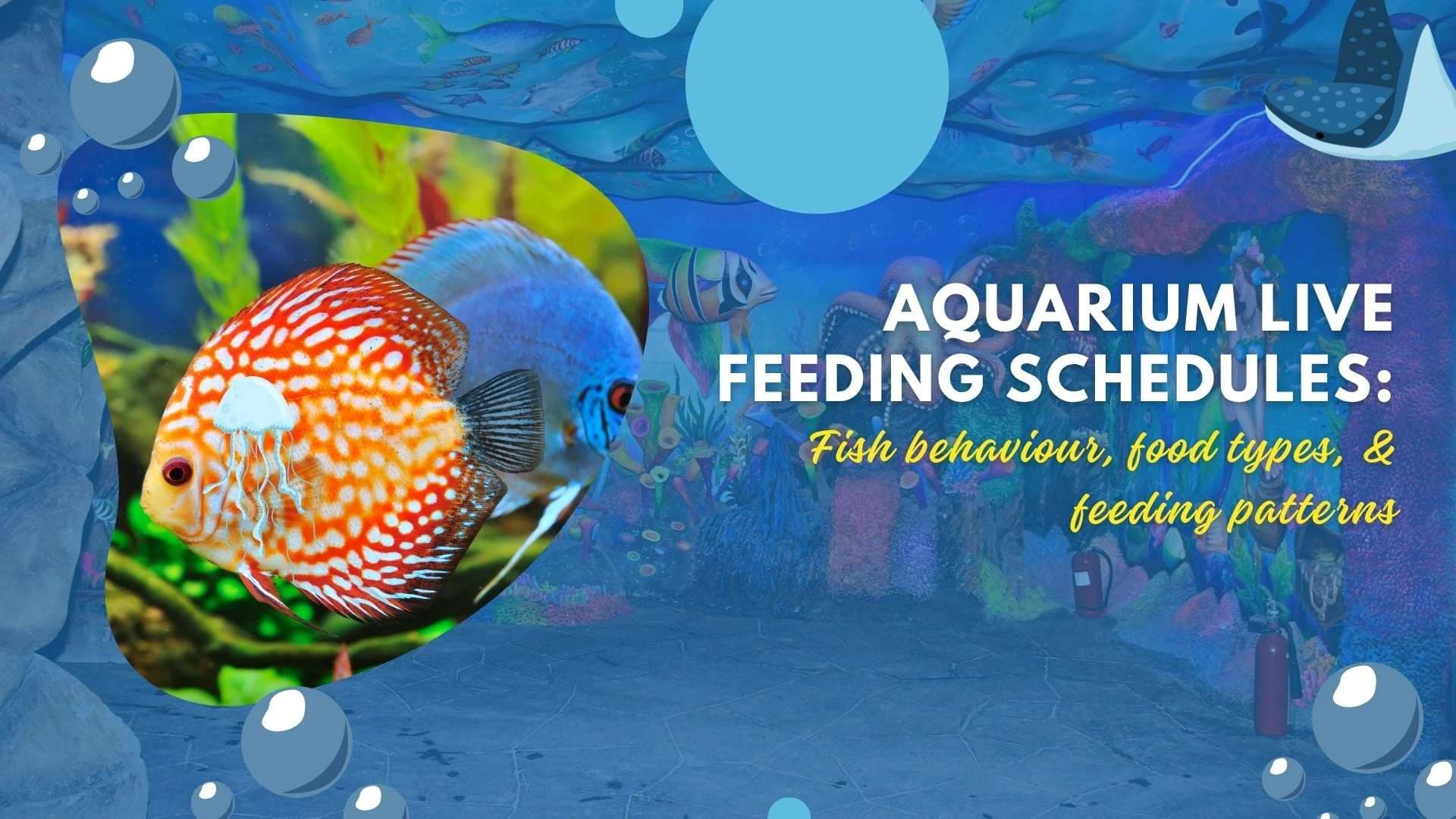
One of the most interesting things about aquarium live feeding schedules is how quickly fish behaviour changes the moment food enters the water. Some fish rush toward the surface immediately, others wait near the bottom for sinking food, while certain species begin competing aggressively around feeding zones. What looks random at first is usually a carefully managed feeding response shaped by food type, feeding schedules, species behaviour, and natural survival instincts.
Different aquarium fish react differently during feeding time because their diets, feeding zones, and movement patterns vary across species. Floating flakes often attract surface feeders, sinking pellets are better suited for bottom dwellers, and live food demonstrations usually create much stronger feeding reactions inside aquarium systems.
But why do some fish compete aggressively for food while others feed calmly in groups? This guide will explain the answer in detail, which usually comes down to feeding behaviour, food type, feeding zones and survival instincts.

Child Ticket - Aquarium Paradise

Adult Ticket - Aquarium Paradise

FUNWEDNESDAY – Buy 1, Get 1 Free
Key Takeaways
- Aquarium live feeding schedules influence fish movement, feeding response, aggression levels, and interaction patterns inside aquarium systems.
- Different food types, such as flakes, pellets, freeze-dried food, and live food, create different behavioural reactions across marine species.
- Surface feeders usually respond faster to floating food, while bottom feeders wait for sinking food lower inside the tank.
- Guided feeding demonstrations help visitors observe aquatic diets, feeding zones, and species-specific feeding behaviour more actively.
- Live feeding sessions make it easier to notice group movement, territorial behaviour, and feeding competition inside large aquarium displays.
- Aquarium Paradise combines guided feeding demonstrations with immersive marine attractions such as the underwater tunnel, jellyfish room, and large aquatic viewing zones.
What are Aquarium Live Feeding Schedules?
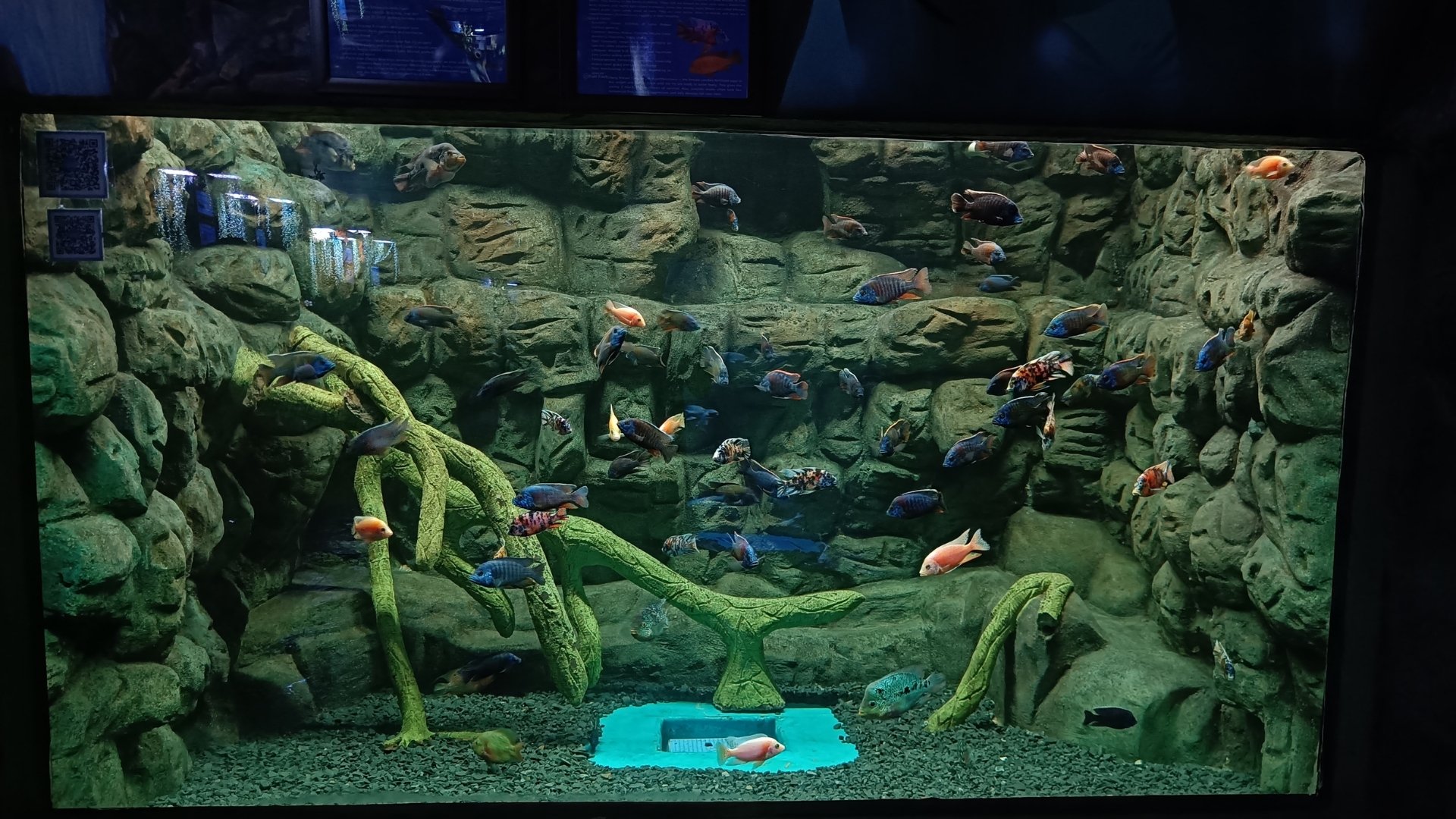
Aquarium live feeding schedules are structured feeding routines used to manage how and when fish receive food inside aquarium systems. These schedules are carefully planned based on species type, feeding behaviour, digestion speed, water temperature, aggression levels, and nutritional requirements.
In both home aquariums and large public aquariums, feeding schedules help maintain feeding consistency across different marine species. Certain fish require smaller meals multiple times a day because of faster metabolism, while larger predatory species may need fewer feedings due to slower digestion patterns. Herbivorous fish often graze more frequently, whereas carnivorous fish usually consume protein-rich food less often.
Timed feeding routines are also important for behavioural conditioning inside aquarium environments. Fish gradually learn when feeding periods happen and begin reacting to movement, lighting changes, or staff activity associated with feeding time. This is why many aquarium species gather near feeding zones even before food enters the water.
Feeding schedules also support aquarium management by helping teams:
- Control food quantity
- Reduce overfeeding
- Maintain cleaner water quality
- Prevent stress caused by food competition
- Monitor fish health more consistently
Without structured feeding schedules, excess food can remain inside the tank for too long, increasing the risk of cloudy water, digestion problems, algae growth, and unstable aquatic conditions.
Why Fish React Differently During Feeding Time?
Some fish are naturally programmed to react quickly near the surface, while others feed cautiously near the bottom or wait for food movement to slow before approaching feeding zones.
Surface feeders usually react first during aquarium live feeding schedules because floating food remains visible near the upper water layer for a short period. These fish are adapted to detecting movement quickly and competing for food before it drifts away. Mid-water fish often follow shortly afterwards, while bottom feeders wait for sinking food particles to settle lower inside the tank.
Feeding behaviour can also change depending on aggression levels inside the aquarium. Predatory or territorial species may display rapid movement, defensive reactions, or food competition during feeding demonstrations. Community fish and schooling species usually feed in groups, creating coordinated movement patterns around feeding zones.
Water temperature can also influence feeding response. Fish metabolism usually increases in warmer water and slows in colder conditions, which affects appetite, digestion speed, and movement during feeding time. This is why aquarium feeding schedules are often adjusted seasonally to reduce stress and avoid digestion problems caused by overfeeding in cooler water.
What Makes an Aquarium Live Feeding Session So Exciting for Children?
Different aquarium fish require different food types because feeding behaviour, digestion speed, mouth size, and nutritional requirements vary significantly across species. Aquarium live feeding schedules are usually planned around how food moves inside the water and how different fish naturally feed within the tank environment.
Also Read: Shall We Feed Peas for Aquarium Fish? A Guide for Aquarists in 2026
How Much Food Should You Feed Aquarium Fish?
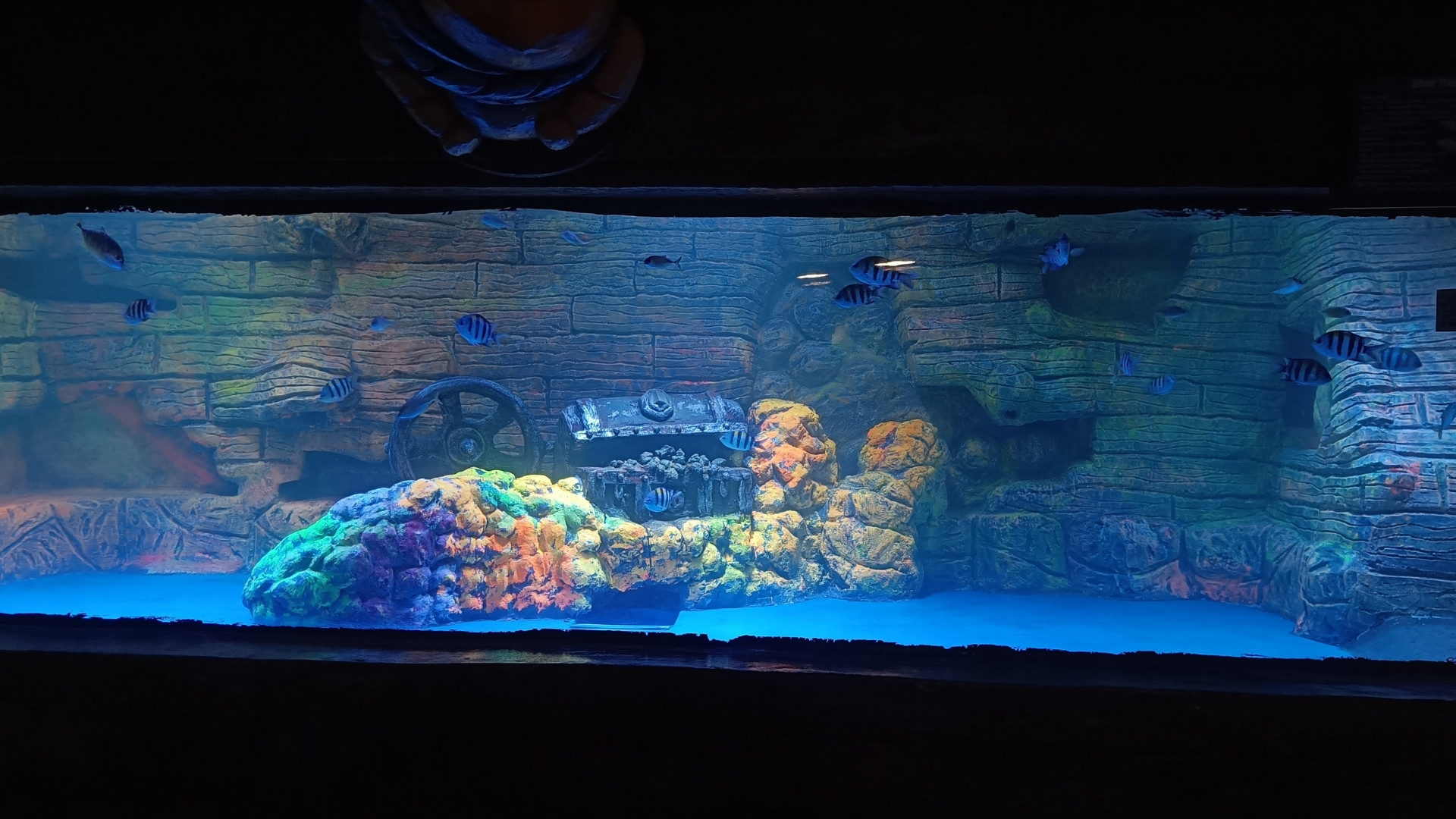
One of the most common aquarium feeding mistakes is giving fish more food than they can properly consume and digest. Overfeeding does not simply waste food. It can affect fish health, digestion, water quality, oxygen balance, and overall aquarium stability.
Most aquarium feeding schedules follow the “2-minute rule.” Fish should ideally finish their food within roughly two minutes during feeding time. If food continues floating or sinking uneaten after that period, the aquarium is likely being overfed.
Overfeeding usually creates several visible warning signs:
- Cloudy water
- Excess algae growth
- Uneaten food accumulation
- Bloated fish
- Digestion stress
- Unstable tank conditions
Controlled feeding schedules are important not only for fish nutrition but also for maintaining stable aquatic conditions inside aquarium systems.
How Often Should Aquarium Fish Be Fed?
Most tropical aquarium fish are typically fed once or twice daily under stable warm-water conditions between 24°C and 28°C. Younger fish and fast-growing species may require smaller meals multiple times throughout the day because their metabolism is significantly higher than that of adult fish.
Cold water changes feeding behaviour considerably. Lower temperatures slow digestion and reduce fish activity, which means feeding schedules often need adjustment during colder periods. Fish that appear lethargic or inactive may require smaller meals or fewer feeding sessions until water conditions stabilise.
Different species also process food differently:
- Herbivores usually graze more frequently
- Carnivorous fish digest slowly but consume protein-heavy food
- Omnivores adapt more easily to mixed feeding schedules
Consistent feeding schedules help fish adapt to predictable routines, which often reduces stress and improves feeding response in both home aquariums and public aquarium systems.
How Aquarium Teams Prevent Overfeeding in Large Marine Tanks
Large aquarium systems require far more controlled feeding management than smaller home aquariums because multiple species often share the same aquatic environment. Aquarium teams carefully monitor feeding schedules, food quantity, water quality, and species interaction to prevent overfeeding inside large marine displays.
Sudden aggression, excessive competition, or food avoidance may indicate stress, poor feeding balance, or unsuitable feeding schedules inside the tank system.
These feeding systems help maintain healthier aquatic environments while making live feeding demonstrations safer and more educational for visitors observing marine behaviour inside large aquarium displays.
Why Live Feeding Demonstrations Help Visitors Understand Marine Behaviour Better
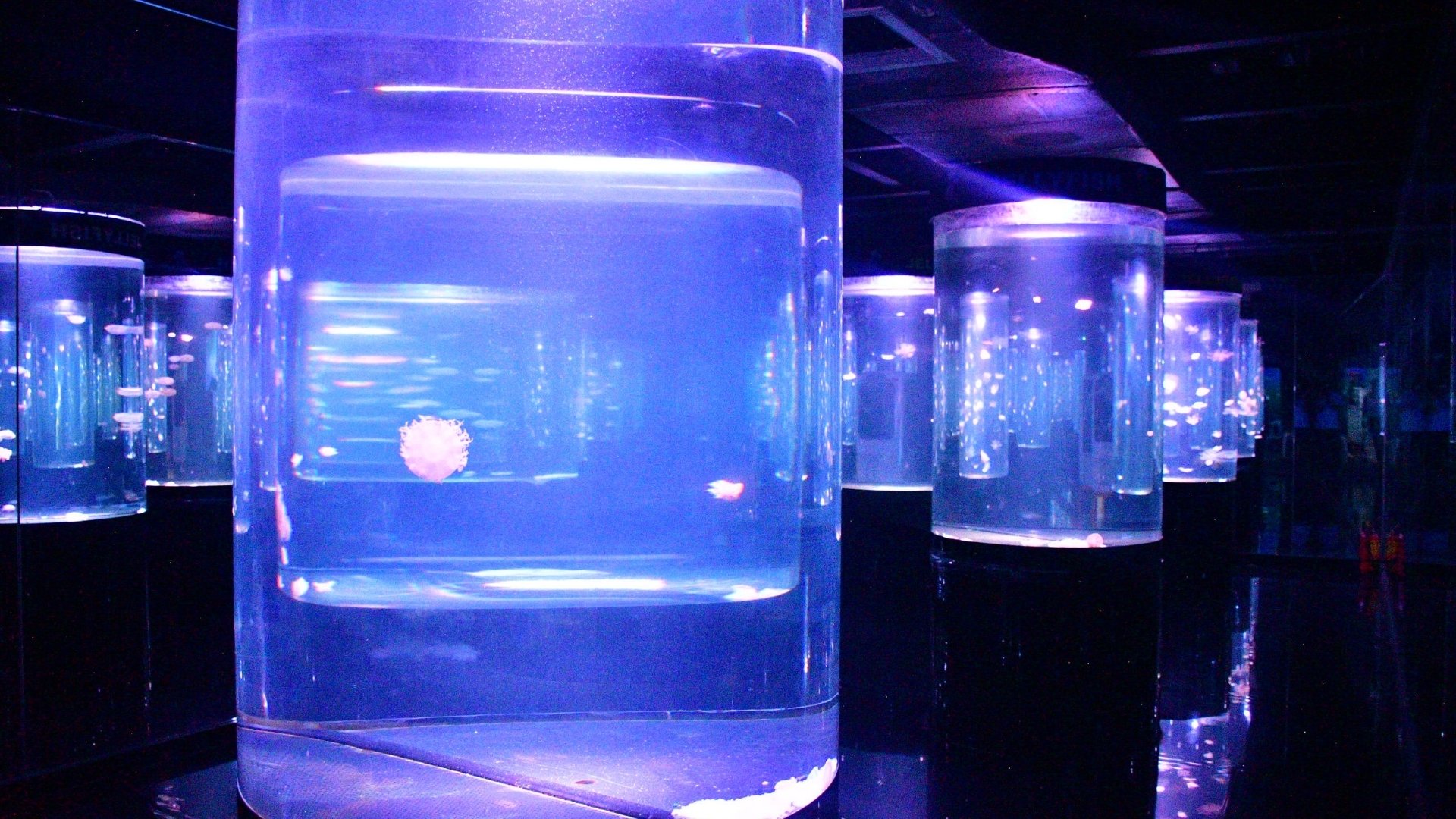
During normal aquarium viewing, many species appear calm or slow-moving. Feeding schedules reveal behavioural differences much more clearly. Visitors can observe:
- Surface-feeding reactions
- Group movement patterns
- Territorial behaviour
- Feeding competition
- Species-specific feeding zones
At Aquarium Paradise in Bangalore, guided live feeding demonstrations allow visitors to observe these feeding patterns closely while learning how aquarium teams manage aquatic diets, feeding schedules, and marine conservation practises inside large marine systems. Families planning weekend visits often prefer booking tickets online beforehand, especially during holidays and busy evenings.
Read Also: Marine Wonders: 10+ True Ocean Facts That Will Leave You Amazed
Conclusion
Aquarium live feeding schedules reveal much more than feeding time inside a tank. From fast-moving surface feeders to slower bottom dwellers, feeding demonstrations make marine behaviour easier to observe in real time. Food type, water temperature, species instincts, and competition patterns all influence how fish respond during feeding schedules.
At Aquarium Paradise in Bangalore, guided live feeding demonstrations allow visitors to observe these behavioural patterns closely while exploring larger marine experiences such as the underwater tunnel, jellyfish room, and immersive viewing zones. Instead of simply watching fish swim through displays, visitors gain a clearer understanding of how aquarium feeding schedules shape movement, interaction, and marine life inside controlled aquatic systems.
FAQs
1. Why do aquarium fish gather in one area before feeding starts?
Many fish gradually associate movement, lighting changes, or staff activity with feeding schedules. Over time, they begin gathering near familiar feeding zones even before food enters the water.
2. Why do some fish ignore food at first during feeding demonstrations?
Certain species feed more cautiously because of stress sensitivity, territorial competition, or slower feeding behaviour. Bottom dwellers and nocturnal fish often wait until the movement inside the tank reduces.
3. Why is floating food used for some fish but sinking food for others?
Food type usually depends on where the fish naturally feed inside the tank. Surface feeders respond better to floating flakes, while bottom feeders rely on sinking pellets or wafers.
4. Why do live feeding demonstrations create more movement inside aquarium tanks?
Live food often triggers natural hunting instincts in many species. This increases competition, territorial behaviour, and group movement during feeding periods.
5. Can aquarium feeding schedules change across species in the same tank?
Yes. Large aquarium systems often separate feeding routines based on species type, aggression levels, and feeding zones to maintain balanced aquatic environments.
Writer, Aquarium Paradise
Anurag Kamboj writes the Aquarium Paradise blog, covering marine life, exhibits, ticket offers and practical tips for planning a family visit to Bengaluru's aquarium.
- Aquariums
- Marine life
- Family days out in Bengaluru
More To Read

6.17.2025
Top 10 Largest Crab Species Worldwide
Compare the largest crab in the world like the Japanese Spider and Coconut Crab. Explore traits, habitats, and conservation efforts. Click to know more!
%201.webp&w=1920&q=75)
9.4.2025
Top 20 Kids' Fun Places in Bangalore in 2026
Find the best kids’ fun places in Bangalore in 2026, from Aquarium Paradise and Snow City to Cubbon Park and Bannerghatta. Indoor & outdoor picks for every age.
5.22.2025
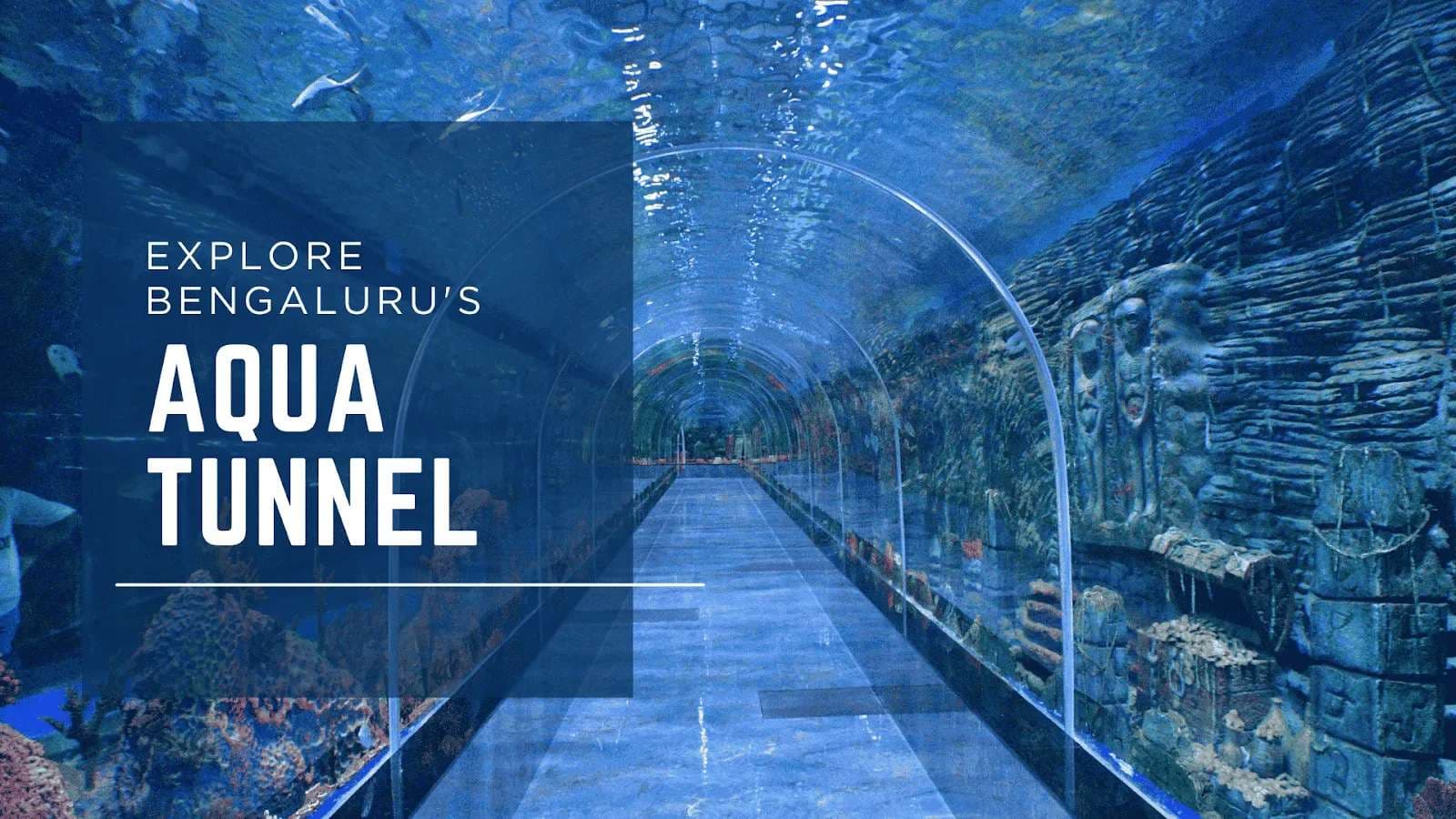
Explore the Mesmerizing Aqua Tunnel in Bengaluru
Discover Bengaluru's Aqua Tunnel, a top tourist spot with stunning aquatic displays and interactive experiences. Plan your visit today!

5.16.2025
Mesmerising Little Mermaid Shows Near You
Discover the magic of Aquarium Paradise in Bangalore with its unique underwater tunnel, mermaid show, and interactive marine experiences. Get more info here.
Recommended for you
Explore more from Aquarium Paradise and related picks tailored to this page.
