15 Benefits of Educational Trips for Students in 2026
By Anurag Kamboj, Writer, Aquarium Paradise
Published
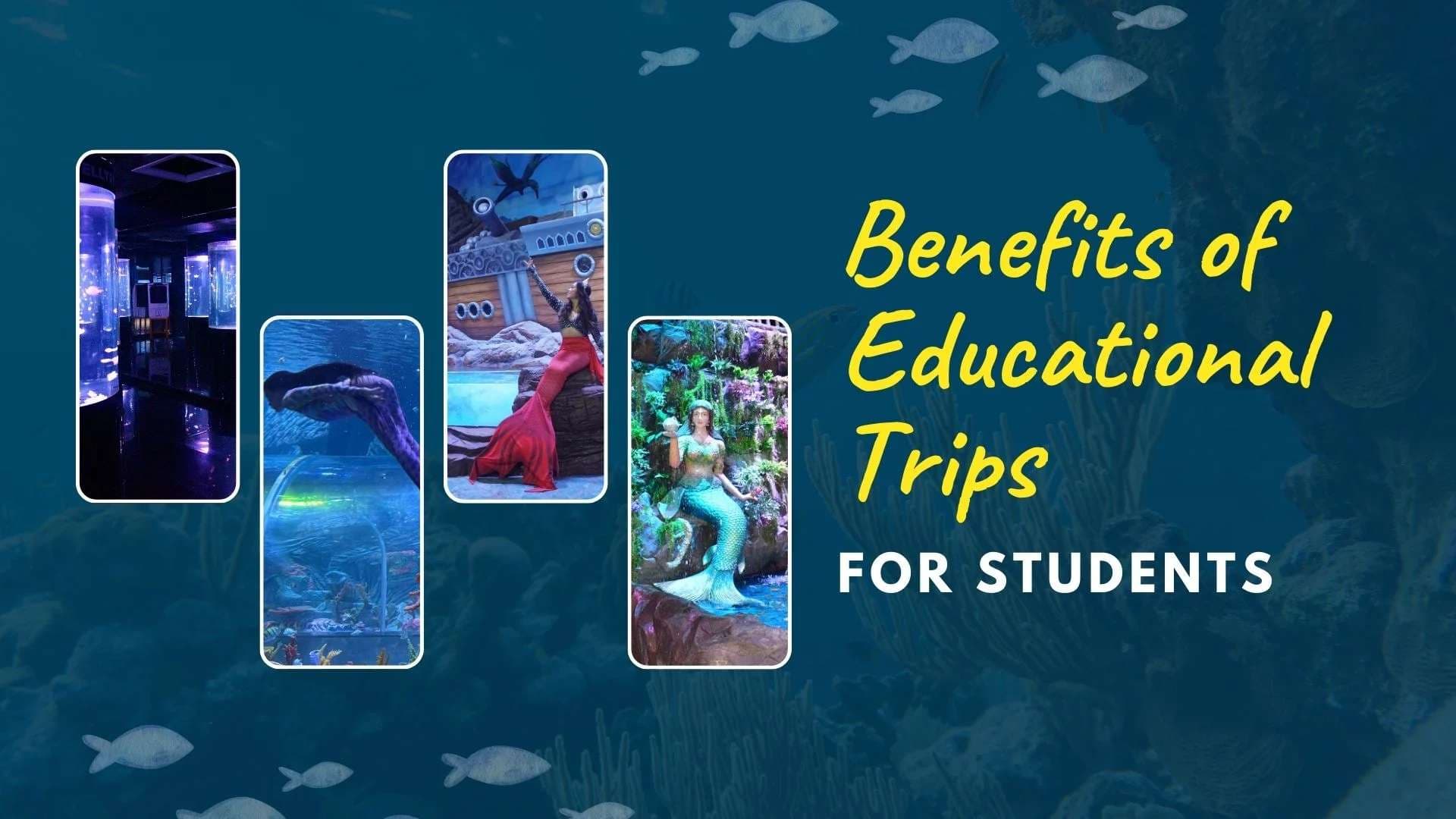
A group of students stands before a large marine habitat, observing fish species they’ve only seen in textbooks. Instead of memorising ecosystem diagrams, they watch predator, prey relationships unfold in real time. Concepts move from theory to reality within minutes.
This is the core purpose of educational trips. They bridge classroom instruction with lived experience, turning passive learning into active discovery.
In a city like Bangalore, known for its strong educational ecosystem and growing emphasis on experiential learning, structured field trips are becoming an essential part of student development. The benefits of educational trips go beyond recreation. They improve academic understanding, build social skills, strengthen confidence, and expose students to real-world applications.
In this guide, we explore what educational trips are, their types, 15 proven benefits, and practical insights for parents and teachers.
Quick Snapshot
- Educational trips are structured learning experiences designed to extend classroom lessons into real-world settings.
- Their true value lies in helping students see, analyse, and apply what they study, rather than simply memorising it.
- When aligned with curriculum goals, field trips improve understanding, retention, critical thinking, and communication skills.
- They also build confidence, responsibility, teamwork, and environmental awareness through guided participation.
- The impact is strongest when educators prepare students beforehand and integrate reflection afterward.
What Are Educational Trips?
Educational trips are structured learning experiences that take students beyond the classroom to explore real-world environments connected to their curriculum. Also known as school trips or field trips for students, they are designed with clear academic and developmental goals.
Unlike recreational outings, educational trips are:
- Curriculum-aligned.
- Guided by educators or subject experts.
- Focused on observation and interaction.
- Designed to reinforce classroom concepts.
Their purpose is to take theory into experience. Instead of only reading about ecosystems, biodiversity, or environmental balance, students witness concepts in action. Instead of memorising definitions, they observe, question, and analyse what they see.
Next, let’s explore the different types of educational trips students can experience.
Types of Educational Trips for Students
Educational trips vary based on learning objectives and age groups. Below is an overview of the most common formats available to schools in Bangalore.
Each of these formats supports experiential learning and contributes to the broader benefits of educational trips, which we’ll explore next.
15 Proven Benefits of Educational Trips
Educational trips offer far more than a break from routine. When designed with clear learning objectives, they contribute directly to academic performance, personal growth, and long-term skill development. Below are 15 proven benefits of educational trips, each explained with practical examples and real impact on student learning.
1. Bridges Classroom Learning with Real-World Application
Educational trips bridge the gap between theory and practise. Instead of studying ecosystems solely through diagrams, students observe environmental systems functioning in real time. This sensory exposure provides context that textbooks alone cannot replicate.
How it manifests:
- Students observe live species interactions that demonstrate ecological relationships discussed in textbooks.
- Guided facilitators explain environmental mechanisms while students witness them unfolding in real time.
- Learners compare classroom diagrams with actual habitat structures and behavioural patterns.
- Students ask clarifying questions when they notice visible inconsistencies or surprises.
Impact on students and learning:
- Enhances conceptual transfer by helping students apply classroom knowledge to unfamiliar situations.
- Reduces fragmented learning by linking isolated textbook chapters into cohesive systems.
- Strengthens academic reasoning by requiring students to interpret what they see rather than recall definitions.
- Improves assessment performance when exam questions require applied understanding rather than rote recall.
Inside Aquarium Paradise, the learning shifts from diagrams to presence. Students step into a 180-degree underwater tunnel where fish move silently above them, circling in patterns that suddenly make food chains and habitat behaviour easier to grasp. The visit stays structured and calm, so attention stays on observation rather than distraction. Schools often plan it as a full-day outing since combo tickets and advance-booking discounts make the trip practical for larger groups.
Schools planning ahead can use the online booking discount (use code FUN10) or pair the visit with nearby attractions through combo passes, which makes the educational trip easier to organise for bigger batches.
2. Improves Critical Thinking and Problem-Solving Skills

Educational trips expose students to dynamic systems that cannot be reduced to simple right-or-wrong answers. Real environments require interpretation, comparison, and reasoning.
How it manifests:
- Learners evaluate environmental conditions and infer their impact on ecosystem balance.
- Facilitators prompt students to predict outcomes before explaining observed phenomena.
- Students identify patterns and exceptions within structured exhibits.
Impact on students and learning:
- Develops evidence-based reasoning by encouraging conclusions drawn from observation.
- Strengthens analytical processing needed for higher-level science and mathematics.
- Improves ability to evaluate cause-and-effect relationships across subjects.
- Prepares students for application-based examinations and project-based assessments.
3. Strengthens Concept Retention

Students remember what they experience more effectively than what they read. When learning involves visual observation, guided explanation, and real-world context, information is stored with stronger mental associations.
How it manifests:
- Students associate species names with actual visual features rather than textbook images.
- Environmental terms are easier to recall when linked to visible examples.
- Lessons discussed during the visit are revisited later in class discussions.
- Students refer back to specific moments from the trip when answering questions.
Impact on students and learning:
- Improves recall accuracy because students remember experiences, not just definitions.
- Makes revision easier since concepts are tied to real images and observations.
- Reduces confusion between similar terms by attaching them to clear visual references.
- Supports stronger written answers that include practical examples.
4. Encourages Curiosity and Inquiry-Based Learning
Educational environments outside the classroom naturally trigger curiosity. When students encounter unfamiliar species, behaviours, or environmental systems, they are more likely to ask spontaneous and meaningful questions.
How it manifests:
- Students ask unscripted questions about behaviour or environmental balance.
- Learners seek explanations beyond what is displayed or explained initially.
- Group discussions expand into related scientific topics.
- Students continue conversations about observations after returning to school.
Impact on students and learning:
- Increases voluntary participation in classroom discussions.
- Encourages students to research topics independently.
- Develops a habit of questioning rather than passively accepting information.
- Builds stronger engagement with science and environmental subjects.
5. Strengthens Observation Skills
Educational trips sharpen students’ ability to notice details, patterns, and variations within real environments. Observation is a foundational academic skill, particularly in science and environmental studies, where understanding begins with careful attention to visible evidence.
How it manifests:
- Noticing differences between species within the same habitat.
- Identifying behavioural patterns in aquatic life.
- Observing environmental factors such as lighting, water clarity, or movement.
- Recording visible characteristics during guided activities.
Impact on students and learning:
- Improves accuracy in science practicals and lab work.
- Strengthens descriptive writing in academic assignments.
- Enhances the ability to collect and record data correctly.
- Builds precision in answering observation-based exam questions.
6. Builds Communication Skills
Learning outside the classroom requires students to articulate observations, share interpretations, and participate in group discussions. This naturally strengthens verbal and interpersonal communication.

Child Ticket - Aquarium Paradise

Adult Ticket - Aquarium Paradise

FUNWEDNESDAY – Buy 1, Get 1 Free
How it manifests:
- Students explain their observations to group members.
- Learners summarise key takeaways after guided sessions.
- Groups debate interpretations of observed behaviour.
- Students frame questions clearly when interacting with facilitators.
Impact on students and learning:
- Improves clarity when writing descriptive or analytical answers.
- Strengthens the ability to organise thoughts before speaking.
- Builds confidence in presenting ideas publicly.
- Supports better performance in oral assessments and project presentations.
7. Strengthens Teamwork and Collaboration
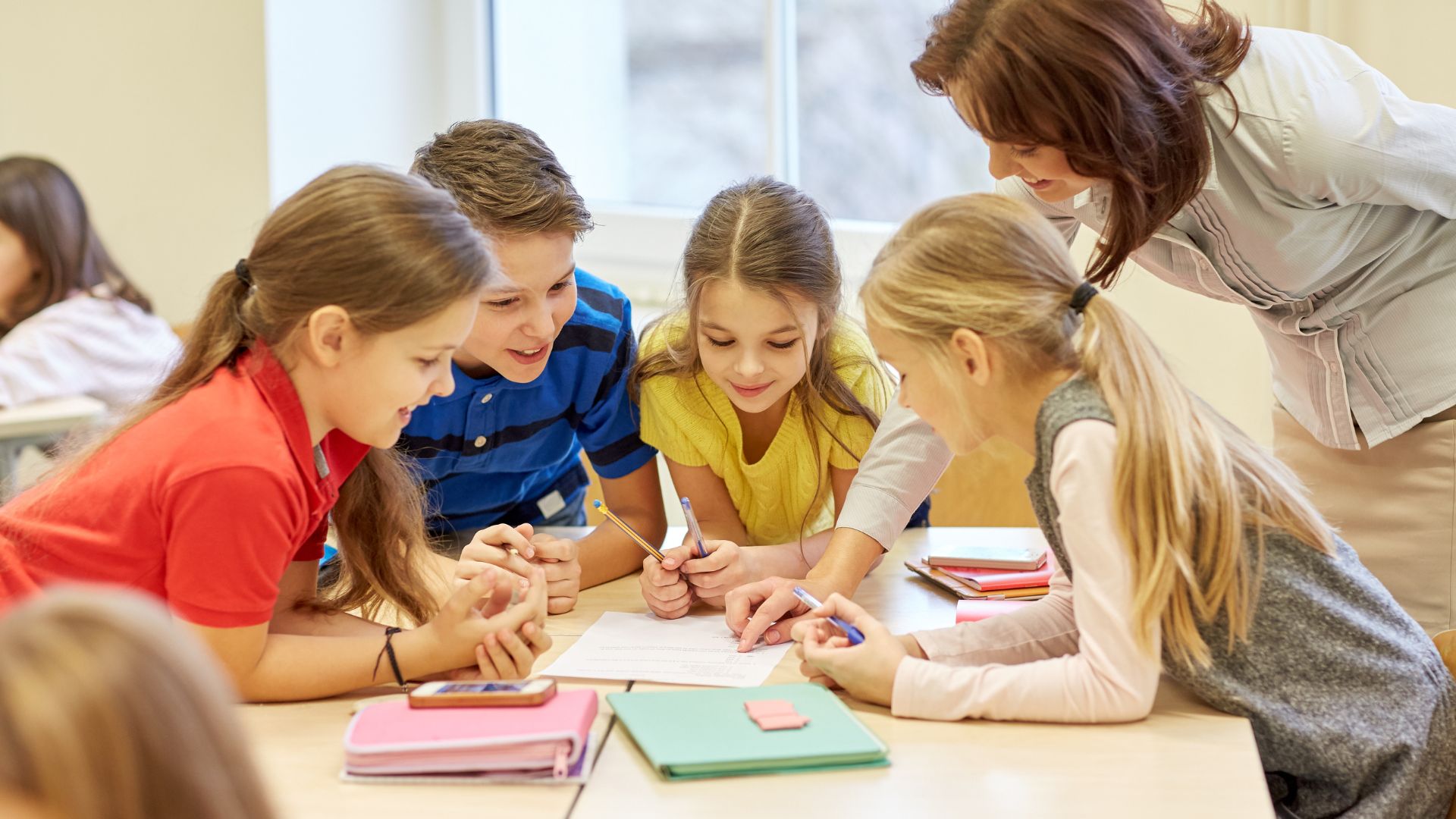
Educational trips often require students to work in small groups to complete observation tasks or guided activities. Shared objectives encourage cooperation.
How it manifests:
- Students divide tasks such as note-taking and observation roles.
- Groups compare findings before finalising responses.
- Peers support each other in understanding complex explanations.
- Teams coordinate movement and time management during visits.
Impact on students and learning:
- Improves group project efficiency back in the classroom.
- Strengthens peer learning through shared discussion.
- Encourages respect for different perspectives in academic debates.
- Prepares students for collaborative research assignments.
8. Builds Confidence and Independence
Educational trips place students in environments outside their daily classroom routine. Exploring new spaces, engaging with facilitators, and participating in structured activities help students operate with greater self-assurance.
How it manifests:
- Students volunteer answers during guided explanations without teacher prompting.
- Learners interact directly with facilitators instead of relying on peers.
- Individuals interpret observations before seeking confirmation.
- Students navigate learning spaces independently within supervision guidelines.
Impact on students and learning:
- Increases classroom participation because students feel more capable of contributing.
- Reduces hesitation when answering application-based questions.
- Builds academic self-efficacy, which improves overall engagement.
- Encourages students to take on challenging tasks rather than avoid them.
9. Develops Leadership Skills
Group-based educational activities often require students to step into informal leadership roles. Whether coordinating peers or guiding discussions, these moments develop responsibility and initiative.
How it manifests:
- Individuals summarise findings on behalf of their teams.
- Learners guide peers during structured activities.
- Students take the initiative to clarify instructions for the group.
Impact on students and learning:
- Builds decision-making skills under real-time conditions.
- Strengthens accountability when managing shared academic tasks.
- Develops organisational ability useful for projects and presentations.
- Prepares students for leadership roles in classroom assignments.
10. Encourages Responsible Behaviour
Educational trips require students to follow guidelines, respect shared spaces, and behave appropriately in structured public environments. This reinforces accountability.
How it manifests:
- Students adhere to safety instructions without constant reminders.
- Learners demonstrate care around controlled habitats and exhibits.
- Groups manage time responsibly during guided sessions.
- Students follow behavioural expectations in public educational settings.
Impact on students and learning:
- Reinforces discipline that carries into classroom behaviour.
- Builds respect for environmental systems and shared resources.
- Strengthens self-regulation in supervised academic activities.
- Encourages maturity in handling responsibility beyond school premises.
11. Improves Adaptability in New Environments

Exposure to unfamiliar educational settings helps students adjust to change more effectively. Adaptability becomes a learned response rather than a source of anxiety.
How it manifests:
- Students adjust to new instructional styles from facilitators.
- Learners engage confidently with unfamiliar topics or species.
- Groups manage unexpected variations during activities.
- Students adapt to different spatial and sensory environments.
Impact on students and learning:
- Reduces stress when introduced to new syllabus topics.
- Builds resilience in dynamic academic situations.
- Encourages openness to interdisciplinary subjects.
- Prepares students for transitions between grade levels and institutions.
Also Read: Top 10 Cutest Fish in the World
12. Provides Early Career Exposure
For many students, academic subjects feel disconnected from future careers. Seeing how knowledge is applied in real environments closes that gap and introduces tangible professional pathways.
How it manifests:
- Students observe professionals explaining scientific or environmental processes.
- Facilitators discuss career pathways.
- Students recognise the practical applications of academic subjects.
Impact on students and learning:
- Clarifies how academic subjects connect to real professions.
- Helps students make informed subject choices in higher grades.
- Encourages goal-oriented learning rather than exam-focused study alone.
- Reduces career uncertainty by introducing structured professional contexts early.
13. Strengthens Environmental Awareness and Responsibility
Witnessing living ecosystems firsthand makes environmental responsibility tangible. Instead of treating sustainability as an abstract concept, students understand its real-world consequences.
How it manifests:
- Students observe the complexity of aquatic ecosystems.
- Learners understand the consequences of habitat imbalance.
- Facilitators lead structured sessions on conservation efforts.
- Students discuss sustainability practises during and after visits.
Impact on students and learning:
- Builds practical understanding of environmental interdependence.
- Encourages responsible behaviour toward natural resources.
- Strengthens comprehension of environmental science curriculum topics.
- Promotes informed participation in sustainability initiatives.
14. Connects Academic Subjects to Interdisciplinary Learning
Real-world systems do not operate in subject silos. A single ecosystem involves biology, geography, chemistry, and data interpretation simultaneously.
How it manifests:
- Students apply biological knowledge alongside environmental principles.
- Learners interpret habitat data using measurement and comparison.
- Guided explanations integrate scientific, ecological, and geographical concepts.
- Students recognise links between multiple syllabus subjects.
Impact on students and learning:
- Reduces subject compartmentalisation in academic thinking.
- Improves ability to apply knowledge across disciplines.
- Strengthens performance in project-based and integrated assessments.
- Encourages a broader academic perspective beyond a single-subject focus.
15. Encourages Long-Term Engagement With Learning

A powerful educational experience can reshape how students view learning itself. When knowledge feels dynamic and observable, engagement becomes internally motivated.
How it manifests:
- Students refer back to field experiences during future lessons.
- Learners express interest in related topics beyond syllabus requirements.
- Class discussions become more interactive after experiential exposure.
- Students pursue extracurricular reading or research inspired by the visit.
Impact on students and learning:
- Sustains engagement beyond short-term exam preparation.
- Encourages intrinsic motivation toward academic subjects.
- Strengthens long-term academic interest in science and environment-related fields.
- Supports a mindset that values exploration alongside structured study.
Also Read: 17 Impactful Field Trip Destinations in Bangalore for Students
How Educators Can Choose the Right Field Trip

A strong field trip is not selected for popularity alone; it is chosen for its educational relevance, logistical suitability, and ability to support defined learning outcomes. When selection is intentional, the experience becomes a structured extension of classroom instruction rather than a temporary diversion from it.
- Match trips with curriculum goals: Begin with the syllabus. Identify what students are currently studying or will study shortly, and select destinations that directly reinforce those themes.
Whether the focus is science concepts, environmental studies, history units, or life skills, the chosen experience should deepen understanding of specific learning objectives. - Prioritise safety and accessibility: Look for structured spaces, clear supervision points, student-friendly facilities, and easy movement for large groups. Accessibility matters too; comfortable walking routes, rest areas, and support for different student needs help everyone stay engaged.
- Choose experiences that students can’t replicate in classrooms: The best trips offer something schools can’t recreate: real artefacts, live ecosystems, behind-the-scenes processes, large-scale interactive exhibits, or immersive environments that make learning feel like discovery.
How Aquarium Paradise Turns Educational Field Trips Into Memorable Experiences
Location: Jayamahal Main Road, opposite TV Tower, J.C. Nagar, Bengaluru, Karnataka 560006, India.
Open daily from 10:30 AM to 8:00 PM (ticket counter usually closes around 7:15 PM).
Schools increasingly seek destinations that combine educational depth with engaging experiences. The ideal field trip sustains student interest while providing clear opportunities to connect observations back to classroom objectives. Places like Aquarium Paradise in Bengaluru naturally fit this need because it combines immersive visuals with a controlled, student-friendly setup.
- Immersive underwater tunnels: Walking through one turns marine science into a wow moment. Students observe movement, adaptation, and habitat behaviour in real time.
- Close-up marine life observation: Seeing species up close helps students understand ecosystems, food chains, and biodiversity without it feeling like a lecture.
- Structured environments for school visits: Clearly defined zones make it simpler for groups to move together and stay focused, while still having fun.
- Plan a fuller “fun + learning” day nearby: Aquarium Paradise is inside the Fun World Complex, making it easy to pair the visit with Snow City and Fun World for a more complete day-out experience.
When field trips are built like this, immersive, observable, and structured, students don’t feel like they’re being taught. They feel like they’re exploring.
5 Tips and Considerations for Planning Your School Trip
A successful field trip requires more than booking tickets. Schools must align logistics, safety compliance, and curriculum objectives before departure.
Execution checklist for coordinators:
- Define Learning Objectives: Map the visit to syllabus chapters and grade-level learning goals.
- Schedule Structured Time Blocks: Allocate guided tour time, reflection sessions, and supervised breaks.
- Ensure Safety Protocols: Confirm group movement plans, emergency exits, and supervision ratios.
- Pre-Visit Orientation: Brief students on expected learning outcomes and behaviour benchmarks.
- Post-Visit Debrief: Conduct worksheets or presentations to reinforce applied learning.
Suggested Read: Top Educational Trip Destinations in India
Final Thoughts
When a field trip is planned well, teachers spend less time managing movement and more time guiding discussion. Students stay curious longer, questions come naturally, and the day doesn’t feel rushed from one checkpoint to another.
For larger school batches, coordinating entry, timing, and supervision in advance keeps the visit structured and easier to handle. Aquarium Paradise supports organised school visits with scheduled slots and assistance for group movement.
You can review the group booking details and plan your visit accordingly.
FAQs
1. What are the main benefits of educational trips for students?
The primary benefits of educational trips include improved concept retention, stronger critical thinking skills, better observation abilities, enhanced communication, and increased real-world application of classroom knowledge. When structured properly, field trips also support confidence, teamwork, and long-term academic engagement.
2. How do educational trips improve academic performance?
Educational trips strengthen academic performance by helping students apply theory in real-world contexts. This improves knowledge transfer, recall accuracy, and analytical reasoning.
When linked to curriculum goals and followed by reflection activities, they reinforce learning outcomes that appear in assessments.
3. Are educational trips suitable for all age groups?
Yes, educational trips can be adapted for primary, middle, and high school students. The key is selecting age-appropriate destinations, providing structured guidance, and aligning learning objectives with developmental stages.
Younger students benefit from observation-based exposure, while older students gain from deeper analysis and career-related insights.
4. How can schools ensure educational value during a field trip?
Schools can maximise educational value by:
- Defining clear learning objectives
- Preparing students before the visit
- Choosing structured environments with guided facilitation
- Conducting post-visit reflection activities
Planning ensures the experience supports academic goals rather than functioning as a standalone outing.
Writer, Aquarium Paradise
Anurag Kamboj writes the Aquarium Paradise blog, covering marine life, exhibits, ticket offers and practical tips for planning a family visit to Bengaluru's aquarium.
- Aquariums
- Marine life
- Family days out in Bengaluru
More To Read
6.17.2025
Top 10 Largest Crab Species Worldwide
Compare the largest crab in the world like the Japanese Spider and Coconut Crab. Explore traits, habitats, and conservation efforts. Click to know more!
%201.webp&w=1920&q=75)
9.4.2025
Top 20 Kids' Fun Places in Bangalore in 2026
Find the best kids’ fun places in Bangalore in 2026, from Aquarium Paradise and Snow City to Cubbon Park and Bannerghatta. Indoor & outdoor picks for every age.
5.22.2025
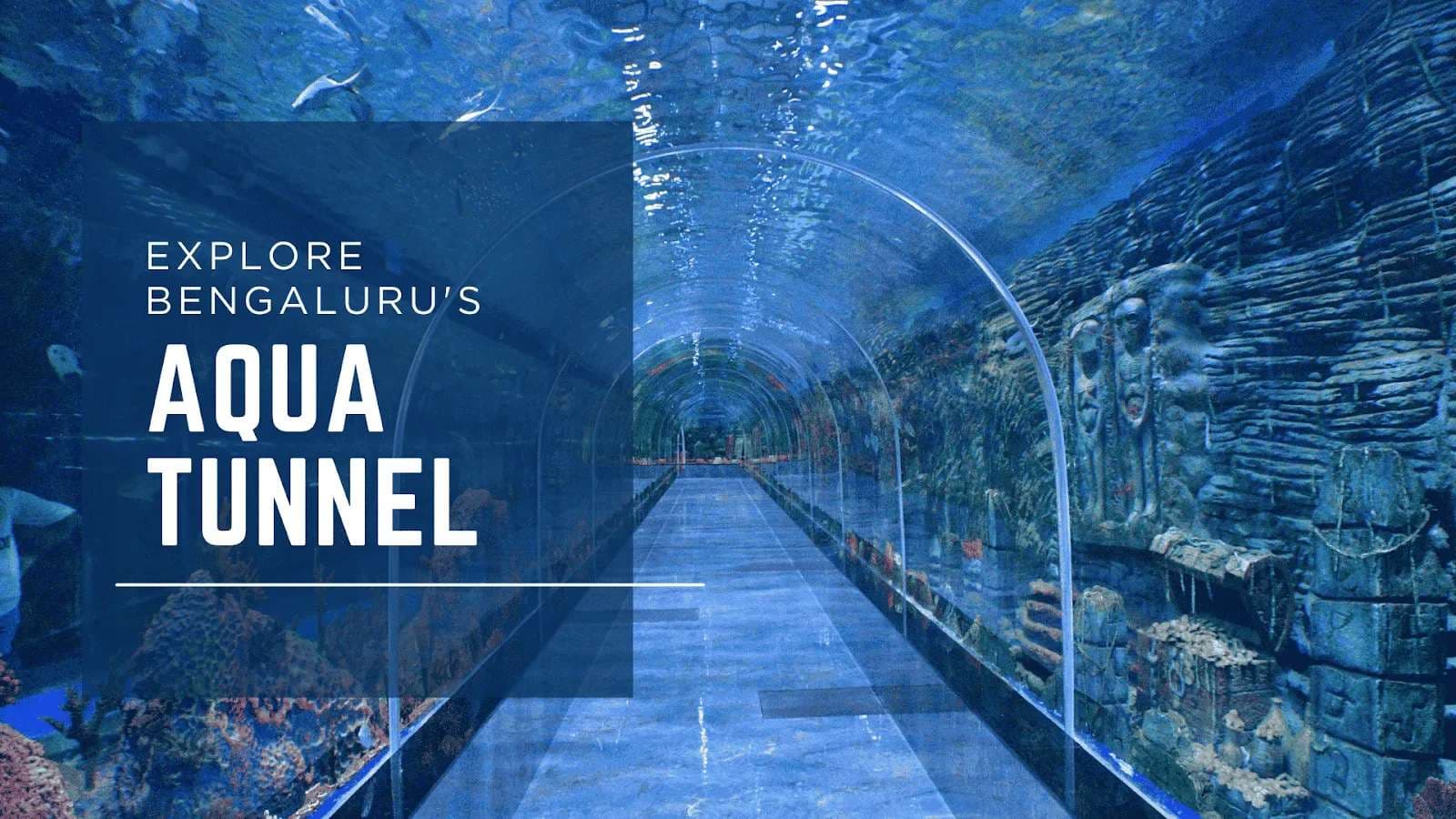
Explore the Mesmerizing Aqua Tunnel in Bengaluru
Discover Bengaluru's Aqua Tunnel, a top tourist spot with stunning aquatic displays and interactive experiences. Plan your visit today!

5.16.2025
Mesmerising Little Mermaid Shows Near You
Discover the magic of Aquarium Paradise in Bangalore with its unique underwater tunnel, mermaid show, and interactive marine experiences. Get more info here.
Recommended for you
Explore more from Aquarium Paradise and related picks tailored to this page.
