Which is the Biggest Fish in the World? Experience Marine Giants in Bangalore
By Anurag Kamboj, Writer, Aquarium Paradise
Published
You’ve probably seen videos of enormous fish gliding silently through the ocean and wondered whether creatures that large actually exist. The question “which is the biggest fish in the world” sounds simple at first, but it quickly leads to confusion. People often mix up whales with fish, assume every giant sea creature is dangerous, or imagine these marine giants as something too distant to ever understand properly.
If you’re in Bangalore, that curiosity often turns into something more practical. What does a fish this large actually look like? How big can marine species really get? And while you may never see a whale shark swimming past you in the wild, is there any way to experience large marine life more closely without traveling across the world?
This guide breaks down the science and scale behind the Whale Shark, explains how it compares with other giant fish species, and then connects that curiosity to immersive marine experiences you can explore locally in Bangalore.

Child Ticket - Aquarium Paradise

Adult Ticket - Aquarium Paradise

FUNWEDNESDAY – Buy 1, Get 1 Free
Key Takeaways
- The Whale Shark is the biggest fish in the world and can grow up to 18 meters long
- Whale sharks are gentle filter feeders and are not dangerous to humans
- They live in warm tropical oceans and are rarely seen outside seasonal marine-tour regions
- The world’s largest fish are usually found in saltwater, not freshwater environments
- Bangalore aquariums focus on close-range marine experiences rather than massive ocean species
- At Aquarium Paradise, visitors can experience underwater tunnel views, shark species, and immersive marine displays
- Aquarium visits help visualise marine scale and behaviour in a more accessible and family-friendly setting
What is the Biggest Fish in the World?
The biggest fish in the world is the Whale Shark. It can grow up to 12–18 metres long and weigh around 15–20 tonnes, making it the largest living fish on Earth. It qualifies as the biggest fish because, unlike whales, it is a true fish.
It breathes through gills, lives entirely in water, and belongs to the shark family. To put that size into perspective, a whale shark can be as long as a city bus and much heavier than multiple cars combined.
Standing next to one would feel like being beside a moving wall, which is why even seeing smaller sharks in aquariums can feel surprisingly immersive.
Despite their massive size, whale sharks are known to be gentle and calm. They do not hunt large animals and pose no threat to humans. Their feeding style and slow movement make them one of the most peaceful species in the ocean.
In some parts of the world, people even swim alongside whale sharks under guided conditions. These experiences are carefully managed to protect both humans and the animal, and they highlight just how non-aggressive this species is in natural settings.
Why the Whale Shark is Considered the Largest Fish
Despite its name, the whale shark is not a whale. Whales are mammals that breathe air and give birth to live young. The name comes from its massive size, not its biological category, which is why many people confuse it with whales.
What Do Whale Sharks Eat?
Despite being the largest fish on Earth, the Whale Shark does not hunt large animals. Instead, it feeds using a process called filter feeding. As the whale shark swims slowly through the ocean, it opens its mouth and pulls in huge amounts of water. Tiny organisms such as plankton, fish eggs, krill, and small fish get trapped inside filtering structures while the water flows back out.
This feeding style is very different from what most people expect when they hear the word “shark.” Whale sharks are not fast hunters chasing prey. They move calmly through warm ocean waters, feeding on microscopic life that gathers in large numbers.
In many parts of the world, divers even swim alongside whale sharks under guided conditions. These interactions are carefully controlled to protect the animal and its habitat.
Also Read: Shall We Feed Peas for Aquarium Fish? A Guide for Aquarists in 2026
Can You See a Whale Shark in Real Life?
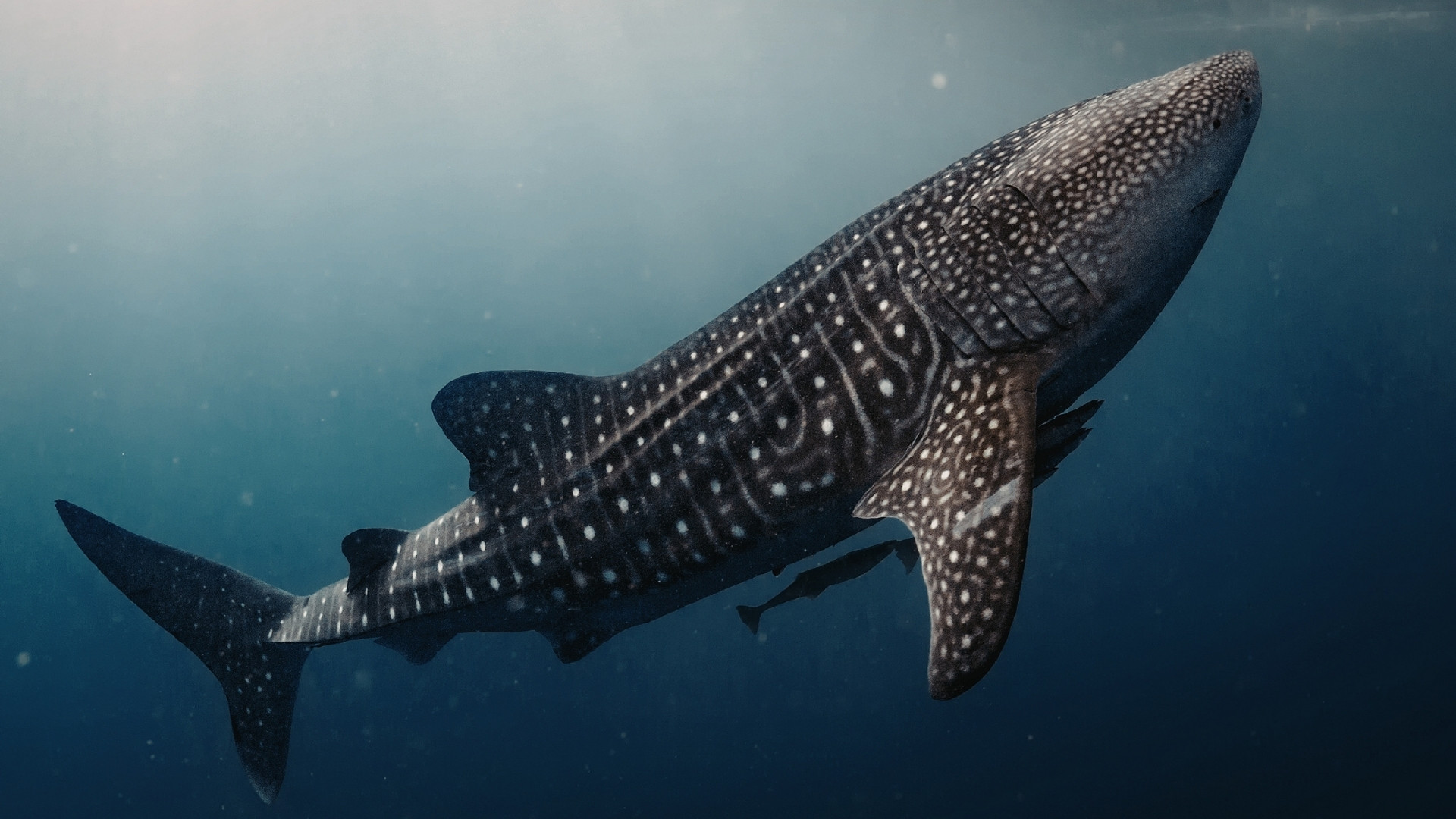
Whale sharks are usually found in warm tropical and subtropical oceans around the world. They are commonly associated with regions where plankton is abundant, including coral reef systems and nutrient-rich coastal waters.
Countries such as Australia, Mexico, the Maldives, and the Philippines are known for seasonal whale shark sightings. However, these animals do not stay in one place permanently. They migrate across large ocean distances in search of feeding opportunities and suitable environmental conditions.
Why are Sightings Rare?
Even though whale sharks are enormous, spotting one in the wild is surprisingly uncommon. Much of their life is spent in open ocean environments far away from crowded coastlines.
Most people who see whale sharks do so during seasonal marine tours in specific locations around the world. This is also why whale sharks are rarely displayed in aquariums. Their size and migration patterns make enclosed environments extremely difficult for them.
Top 5 Largest Fish Species in the World
Even though these species differ in size, appearance, and behaviour, they all create the same reaction when people first see them: A sudden sense of scale. That’s why marine experiences feel so immersive. Seeing sharks or large fish move nearby changes your understanding of ocean life completely, even if the species in front of you is much smaller than a whale shark.
Can You See Big Fish Like This in Bangalore?
The reality is a bit different; whale sharks are not displayed in local aquariums due to their size and ocean-based movement. That said, the goal of an aquarium visit is not to replicate the ocean’s scale, but to bring you much closer to marine life in a way that’s easier to observe and understand.
Here’s what you can realistically expect:
- You won’t see whale sharks, but you will see large, active marine species up close.
- Viewing distances are much shorter, which makes even mid-sized sharks feel significantly larger.
- The focus is on clarity, movement, and immersion, not just size comparison.
- You can observe behaviour, patterns, and interactions in detail, something that’s harder to notice in open ocean sightings.
For many visitors, this kind of close-up experience feels more engaging than simply knowing how big a species can get.
Experiencing Marine Life Up Close at Aquarium Paradise
This is where Aquarium Paradise builds a more complete experience around marine life. Instead of focusing on one giant species, it creates an environment where you feel surrounded by different forms of aquatic life.
Inside, you’ll come across species like the Bala Shark and Albino Iridescent Shark. While they are smaller than a whale shark, seeing them glide past at eye level or overhead creates a strong sense of presence. It shifts the experience from “how big is it?” to “what does it feel like to be this close?”
Here’s a clear comparison to help you understand how these species differ from the Whale Shark and what you can actually expect to see locally:
What makes the Aquarium Paradise visit more engaging:
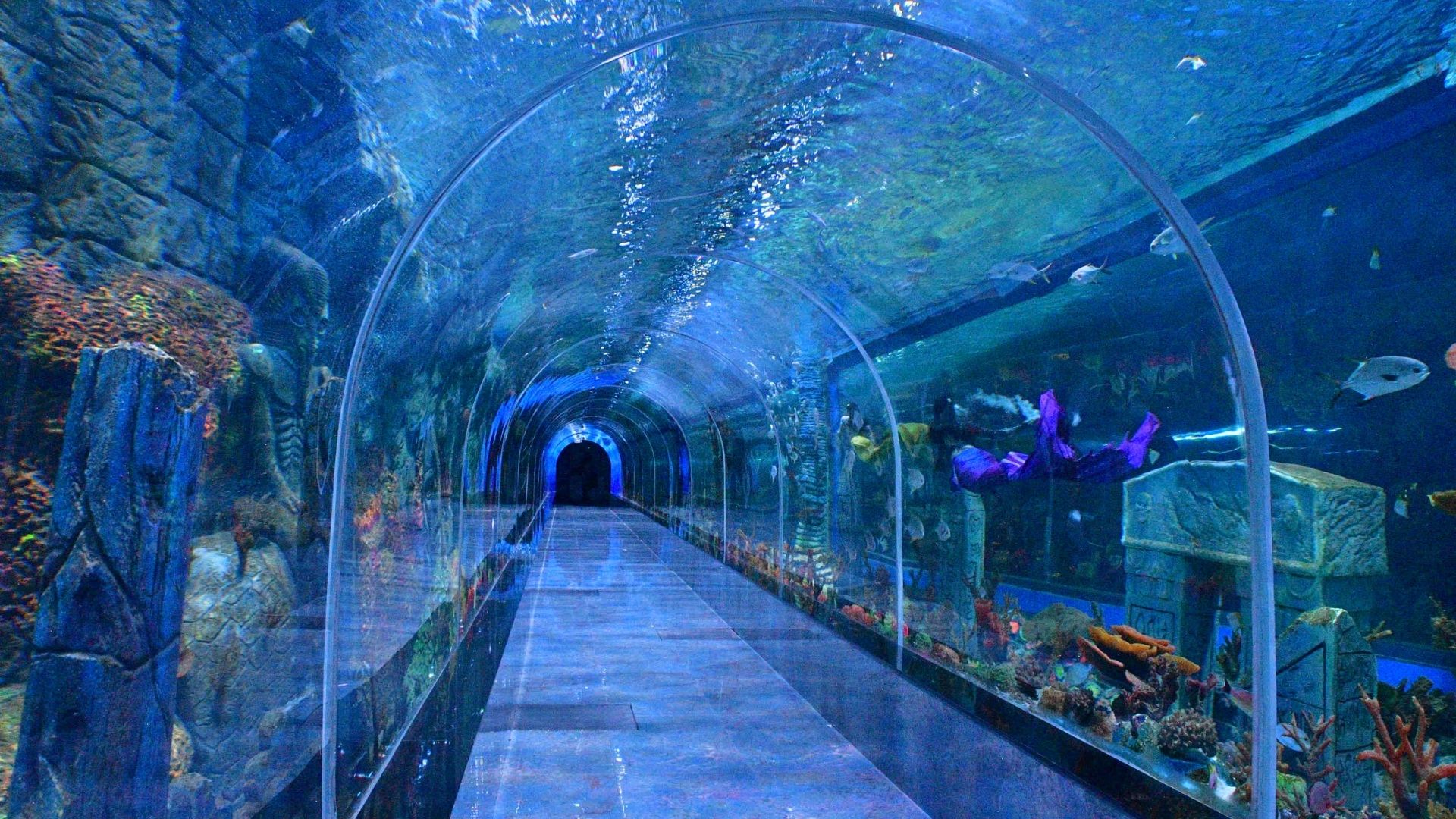
- Underwater tunnel walkthrough with panoramic marine views
- Shark sightings at close range, including black-tip and lemon sharks
- Jellyfish room with soft lighting and reflective visuals
- Mermaid show included with entry, adding a live performance element
- Ocean-themed seating areas for breaks, photos, and relaxed viewing
The layout is designed so that you move through different environments, each offering a slightly different perspective. Families, especially children, often find this more memorable because it combines movement, visuals, and interaction in one visit.
Important Details About Aquarium Paradise, Bangalore
If you’re planning to actually see species like Bala Shark or Albino Iridescent Shark, here’s what you need to know about visiting Aquarium Paradise:
- Location: Palace Grounds, Jayamahal Main Road, Opp. TV Tower, J.C. Nagar, Bengaluru
- Nearest metro station: Cubbon Park Metro Station (Purple Line), approx. 10–15 minutes by cab/auto
- Timings: Open daily from 10:30 AM to 8:00 PM (last entry around 7:15 PM)
- The location is central, making it easy to include in a half-day or full-day outing
- Metro + short cab ride makes it accessible without needing a car
- Indoor setup means it works well any time of the day or year
- Ticket price (approx):
- Adults: ~₹499
- Children: ~₹449
Since the attraction is indoors, it works well as a comfortable outing in Bangalore’s weather, and most visits fit into a couple of hours without feeling rushed. Its location near Fun World also makes it easy to combine with nearby attractions if you’re planning a longer day out.
Read Also: Top Places to See Sharks in Bangalore
Final thoughts
The answer to "which is the biggest fish in the world" leads you to the Whale Shark, a species so massive that it’s hard to truly imagine until you try to picture it next to something familiar. But while that scale belongs to the open ocean, the curiosity it creates doesn’t have to stay distant.
In Bangalore, the experience shifts from chasing size to actually seeing marine life up close. Watching species like Bala sharks or Albino Iridescent sharks move just a few feet away, or seeing sharks glide overhead in an underwater tunnel, gives you a far more real sense of how these creatures look and behave.
If you’ve been reading out of curiosity, a visit to Aquarium Paradise brings you closer to the world beneath the surface without leaving the city.
FAQs
1. What is the biggest fish that is not a shark?
The largest non-shark fish is generally considered to be the Ocean Sunfish (Mola mola), which can grow very heavy and has a unique, flattened body shape.
2. Has a whale shark ever been caught or recorded by humans?
Whale sharks have been observed and studied by researchers, but they are protected in many regions. Most modern records come from sightings and tracking, not fishing.
3. What is the smallest fish in the world?
One of the smallest fish is Paedocypris progenetica, which is only a few millimetres long and found in Southeast Asian freshwater habitats.
4. Are the largest fish found in freshwater or saltwater?
Most of the largest fish, including the whale shark, are found in saltwater oceans. Freshwater fish can grow large, but not to the same scale.
5. Can you see large fish species in aquariums in Bangalore?
You won’t see whale sharks in Bangalore, but you can experience large and active species like Bala sharks and Albino Iridescent sharks up close in aquarium environments such as Aquarium Paradise.
6. How close can you get to large fish in an aquarium?
In well-designed aquariums, you can often stand just a few feet away from large fish, sometimes even seeing them glide overhead in tunnel sections, which makes the experience more immersive than distant ocean sightings.
Writer, Aquarium Paradise
Anurag Kamboj writes the Aquarium Paradise blog, covering marine life, exhibits, ticket offers and practical tips for planning a family visit to Bengaluru's aquarium.
- Aquariums
- Marine life
- Family days out in Bengaluru
More To Read
6.17.2025
Top 10 Largest Crab Species Worldwide
Compare the largest crab in the world like the Japanese Spider and Coconut Crab. Explore traits, habitats, and conservation efforts. Click to know more!
%201.webp&w=1920&q=75)
9.4.2025
Top 20 Kids' Fun Places in Bangalore in 2026
Find the best kids’ fun places in Bangalore in 2026, from Aquarium Paradise and Snow City to Cubbon Park and Bannerghatta. Indoor & outdoor picks for every age.
5.22.2025
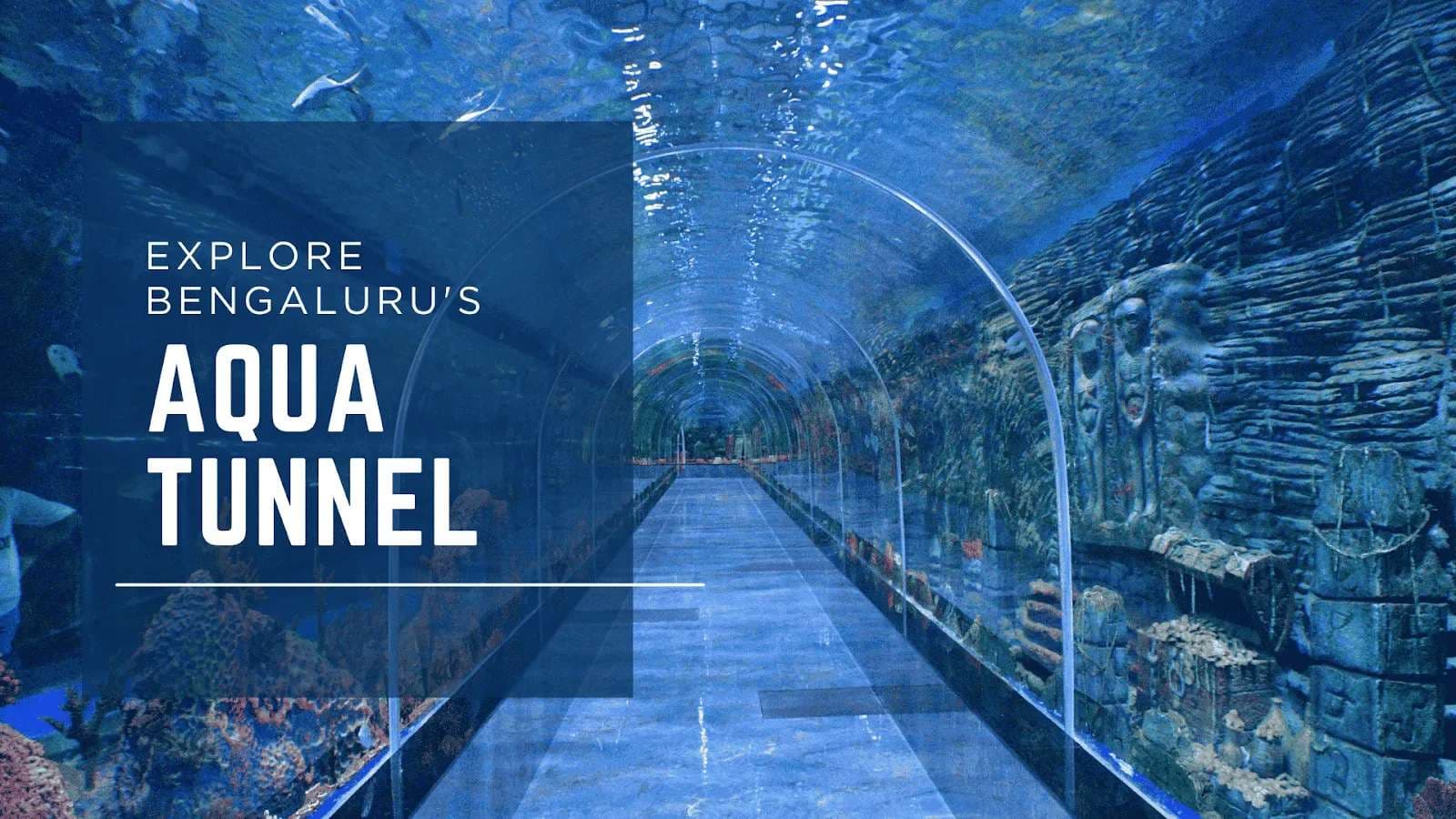
Explore the Mesmerizing Aqua Tunnel in Bengaluru
Discover Bengaluru's Aqua Tunnel, a top tourist spot with stunning aquatic displays and interactive experiences. Plan your visit today!

5.16.2025
Mesmerising Little Mermaid Shows Near You
Discover the magic of Aquarium Paradise in Bangalore with its unique underwater tunnel, mermaid show, and interactive marine experiences. Get more info here.
Recommended for you
Explore more from Aquarium Paradise and related picks tailored to this page.
