The Problem with the Invasive Lionfish Species
By Anurag Kamboj, Writer, Aquarium Paradise
Published
Lionfish are undeniably striking, with their bold stripes, flowing fins, and dramatic presence, making them a popular choice among marine aquarium enthusiasts. However, beneath this beauty lies a growing ecological concern that has captured the attention of marine scientists, conservationist,s and responsible aquarists worldwide.
The invasive lionfish species has become one of the most damaging threats to coral reef ecosystems, particularly in regions where it does not naturally belong. Originally native to the Indo-Pacific, lionfish have spread rapidly across Atlantic and Caribbean waters, largely due to human activities such as accidental releases from aquariums.
Their ability to reproduce quickly, adapt to varied environments, and prey aggressively on native fish has led to severe imbalances in marine ecosystems. Reef fish populations decline, algae grow unchecked, and the overall health of coral reefs deteriorates.
In this blog, we will explore what lionfish are, how they became invasive, the damage they cause to coral reefs, and the role responsible fishkeeping plays in preventing similar ecological crises in the future.

Child Ticket - Aquarium Paradise

Adult Ticket - Aquarium Paradise

FUNWEDNESDAY – Buy 1, Get 1 Free
Key Takeaways
- Lionfish are native to the Indo-Pacific but have become highly invasive in other regions due to human activity.
- Their rapid reproduction, aggressive predation, and lack of natural predators severely damage reef ecosystems.
- Lionfish reduce herbivorous fish, causing algal overgrowth and long-term coral reef degradation.
- Controlling lionfish populations is difficult, requiring continuous management efforts.
- Responsible aquarium trade practices and informed fishkeeping are critical in preventing future invasions.
What is a Lionfish?
Lionfish are visually striking marine fish best known for their dramatic fins and bold patterns. Native to warm tropical waters, they are admired for their beauty yet respected for their predatory nature.
Understanding what a lionfish is, where it comes from, and how it behaves is essential to appreciating both its appeal in aquariums and the serious ecological concerns it presents when introduced outside its natural range.
Let’s look at some of the details:
- Natural habitat (Indo-Pacific region) - Lionfish are naturally found in the warm waters of the Indo-Pacific, including the Red Sea, Indian Ocean, and western Pacific. They inhabit coral reefs, rocky crevices, and lagoons, where they blend effortlessly into their surroundings.
- Distinctive physical features - Lionfish are easily recognised by their long, flowing fins, zebra-like red, brown and white stripes, and fan-shaped pectoral fins. These features not only make them visually captivating but also help intimidate predators.
- Venomous spines and behaviour - Along their dorsal, anal, and pelvic fins, lionfish possess venomous spines used purely for defence. While generally non-aggressive, they are skilled ambush predators, feeding on small fish and crustaceans.
- Additional Traits - Lionfish are primarily nocturnal hunters and exhibit slow, deliberate movements, allowing them to approach prey unnoticed. Their adaptability plays a key role in their survival and, unfortunately, their invasive success.
Step into the world you just read about, visit Aquarium Paradise to walk through India’s longest underwater tunnel, discover 100+ marine species, and learn how responsible choices can protect fragile reef ecosystems.
How Lionfish Became an Invasive Species?
The spread of lionfish beyond their native range is a clear example of how human activity can unintentionally disrupt marine ecosystems. While lionfish evolved naturally in the Indo-Pacific, their introduction into foreign waters transformed them from admired reef fish into a destructive invasive species.
Lacking natural predators and possessing remarkable adaptability, lionfish populations expanded rapidly once introduced elsewhere.
Here is how to understand how this invasion began:
- Aquarium Trade Releases: One of the primary causes of the lionfish invasion is the release of aquarium-kept specimens into the wild. When owners could no longer care for their lionfish, some were irresponsibly released into local waters.
- Accidental and Intentional Introductions: Accidental releases during storms, shipping activities, or damaged aquarium facilities also contributed to their spread. In some cases, intentional introductions occurred due to misguided beliefs about releasing captive fish.
- Rapid Spread Across Atlantic and Caribbean Waters: Once introduced, lionfish spread quickly across Atlantic and Caribbean reefs. Their fast reproduction, broad diet, and lack of predators allowed populations to explode.
- Additional Contributing Factors: Lionfish larvae can drift long distances with ocean currents, enabling rapid colonisation of new areas. Their resilience to varying depths and temperatures further accelerated their invasion.
Also Read: Top 10 Fastest Fish in the World
Why Are Lionfish a Serious Ecological Threat?
Lionfish pose a severe threat to marine ecosystems because their presence upsets the natural balance that coral reefs rely upon. In regions where they are invasive, lionfish populations grow unchecked and place immense pressure on native species. Their hunting efficiency, combined with the absence of natural population controls, leads to rapid ecological degradation.
Over time, this imbalance affects not only individual fish species but entire reef systems, making recovery difficult. Understanding these threats underscores why lionfish invasions are considered a major conservation concern worldwide.
Here is why the lion fish are an ecological threat:
- Aggressive Predation on Native Fish: Lionfish are highly efficient predators, consuming large numbers of small reef fish, including juveniles of ecologically important species. This reduces native fish populations before they can mature and reproduce.
- No Natural Predators in Invaded Regions: In non-native waters, lionfish face little to no natural predation. Local predators do not recognise them as prey, allowing their numbers to increase rapidly without control.
- Disruption of Reef Ecosystems: By removing key fish species, lionfish alter food chains and reef dynamics. Herbivorous fish decline, leading to excessive algal growth that damages coral health.
- Extremely High Reproductive Capacity: Female lionfish can release thousands of eggs multiple times each month. This extraordinary breeding rate enables populations to rebound quickly, even after removal efforts.
- Competition with Native Predators: Lionfish outcompete native predatory fish for food and habitat. This further weakens reef biodiversity and reduces the resilience of already stressed marine ecosystems.
Impact on Coral Reefs and Marine Biodiversity
The invasion of lionfish has far-reaching consequences for coral reefs and the rich marine biodiversity they support. Coral reef ecosystems depend on a delicate balance between predators, herbivores, and plant life. When lionfish disrupt this balance, the effects ripple through the entire system.
Over time, reefs lose their ability to regenerate, biodiversity declines, and marine habitats become increasingly fragile. These changes not only threaten marine life but also affect fisheries, coastal protection, and reef-based tourism, making the lionfish invasion a global environmental concern.
Here are the impacts on coral reefs and marine biodiversity:
- Reduction in Herbivorous Fish: Lionfish heavily prey on herbivorous fish species that control algae growth on reefs. As these fish decline, the natural cleaning process of coral surfaces is compromised.
- Algal Overgrowth on Reefs: With fewer herbivores present, algae spread rapidly across reef structures. Excessive algae block sunlight, smother corals, and inhibit coral larvae from settling and growing.
- Long-Term Reef Degradation: Prolonged algal dominance weakens coral structures and reduces reef complexity. This leads to habitat loss for countless marine species and lowers overall reef resilience.
- Decline in Native Fish Diversity: As lionfish consume a wide range of native species, overall fish diversity drops. This loss destabilises food webs and reduces ecosystem functionality.
- Reduced Reef Recovery Capacity: Damaged reefs struggle to recover from bleaching events, storms, and human stressors. Lionfish invasion further slows natural recovery processes, pushing reefs towards permanent decline.
Why Is Controlling Lionfish Populations Difficult?
Managing lionfish populations has proven to be exceptionally challenging, even with increased awareness and targeted removal efforts. Unlike many invasive species, lionfish possess a combination of biological advantages that allow them to thrive despite human intervention.
Their rapid population growth, flexible feeding habits, and resistance to natural population checks make long-term control complex. These traits enable lionfish to quickly reclaim areas where numbers have been reduced, highlighting why eradication is unrealistic and continuous management is the only viable approach.
Let’s look at why controlling the Lionfish population is difficult:
- High Reproduction Rate: Lionfish reproduce at an extraordinary pace, with females releasing tens of thousands of eggs several times a month. This allows populations to grow and recover rapidly after culling.
- Broad Diet Adaptability: Lionfish feed on a wide variety of fish and crustaceans, enabling them to survive even when preferred prey becomes scarce. This adaptability supports their dominance across diverse reef environments.
- Ineffectiveness of Natural Control Methods: In invaded regions, native predators do not recognise lionfish as prey. Without natural population control, lionfish numbers increase unchecked.
- Ability to Occupy Diverse Habitats: Lionfish can survive across a wide range of depths and temperatures, from shallow reefs to deep waters, making complete removal extremely difficult.
- Limited Effectiveness of Large-Scale Removal: While organised culling helps locally, it is labour-intensive and cannot be sustained everywhere. Populations often rebound once removal efforts decrease.
Read More: Fascinating Facts About the Arapaima Fish
Role of the Aquarium Trade and Responsible Fishkeeping
The aquarium trade plays a significant role in both the spread and prevention of invasive species like lionfish. While the trade brings marine life closer to enthusiasts, it also carries ethical responsibilities that cannot be ignored. Poorly informed decisions, improper care, or irresponsible releases can have lasting environmental consequences.
Responsible fishkeeping, supported by education and professional guidance, is essential to ensure that aquarium enjoyment does not contribute to ecological harm. Awareness within the aquarium community is one of the most effective tools for preventing future invasions.
Here are the responsibilities and ethics of fishkeeping:
- Ethical Responsibilities of Aquarists: Aquarists have a duty to understand the long-term care needs of the species they keep. This includes tank size, diet, compatibility, and potential risks associated with exotic fish.
- Importance of Never Releasing Aquarium Fish: Releasing aquarium fish into natural water bodies can cause severe ecological imbalance. Even a single release can introduce invasive species that multiply rapidly and disrupt local ecosystems.
- Choosing Suitable Species for Home Aquariums: Selecting species that are appropriate for home aquariums reduces the risk of abandonment. Researching behaviour, adult size, and care requirements is essential before purchase.
- Role of Reputable Aquarium Retailers: Trusted aquarium stores provide accurate information, ethical sourcing, and responsible guidance. Their role is crucial in educating hobbyists and discouraging harmful practices.
- Promoting Sustainable Aquarium Practices: Supporting captive-bred species, proper disposal methods, and community education helps minimise environmental risks while promoting ethical aquarium keeping.
Global and Local Efforts to Manage Lionfish Invasion
Efforts to manage the lionfish invasion focus on control rather than complete eradication. Governments, conservation organisations, and marine researchers worldwide have recognised the urgency of reducing lionfish populations to protect reef ecosystems.
These initiatives combine scientific research, targeted removal, and public engagement to limit ecological damage. While challenges remain, coordinated action has shown that localised management can significantly reduce lionfish numbers and allow native marine life to recover.
- Organised Culling Programmes: Many regions have implemented organised lionfish removal programmes, often involving trained divers. These targeted culling efforts help reduce local populations and relieve pressure on reef ecosystems.
- Research and Monitoring: Ongoing scientific research tracks lionfish spread, population density, and ecological impact. Monitoring data helps refine management strategies and assess the effectiveness of control measures.
- Education and Awareness Initiatives: Public education campaigns inform divers, fishers, and aquarium hobbyists about the risks of lionfish invasions. Awareness reduces irresponsible releases and encourages community participation.
- Promotion of Lionfish Fisheries: In some areas, lionfish are promoted as a sustainable seafood option. Encouraging consumption helps create economic incentives for population control.
- Community and Local Stakeholder Involvement: Local communities, dive centres, and conservation groups play a vital role in reporting sightings and supporting removal efforts, strengthening long-term management outcomes.
Also Read: Octopus Facts and Behaviour: A Complete Guide
What Aquatic Enthusiasts Can Do?
Aquatic enthusiasts play a powerful role in preventing the spread of invasive species such as lionfish. Individual choices made at the hobbyist level collectively shape the environmental impact of the aquarium trade. By staying informed, acting responsibly, and supporting ethical practices, aquarists can enjoy marine life without contributing to ecological harm.
Responsible fishkeeping is not only about maintaining a healthy aquarium but also about protecting natural ecosystems beyond the glass walls of a tank.
Here’s what aquatic enthusiasts do:
- Learn Before Purchasing Exotic Species: Thorough research is essential before acquiring any exotic fish. Understanding adult size, behaviour, diet, and long-term care requirements helps prevent poor decisions that may lead to abandonment.
- Support Sustainable Aquarium Practices: Choosing captive-bred species, ethical suppliers, and environmentally responsible equipment reduces pressure on wild populations and promotes sustainable aquarium keeping.
- Seek Expert Guidance from Reputable Aquarium Professionals: Professional advice ensures correct species selection and proper care. Experienced aquarium specialists help hobbyists avoid common mistakes and ethical risks.
- Commit to Long-Term Fish Care: Aquarists should view fishkeeping as a long-term responsibility. Planning for maintenance, costs, and tank upgrades prevents situations where fish are improperly discarded.
- Educate Others Within the Hobby: Sharing accurate information within the aquarium community encourages responsible behaviour and helps build awareness about invasive species and environmental protection.
Where to Learn More About Lionfish in India?
While lionfish are native to the Indo-Pacific and not on display at Indian aquariums due to their invasive risks, they represent a critical lesson in marine conservation that fascinates aquarists worldwide.
If you're intrigued by their striking stripes, predatory prowess, and ecological impact, Aquarium Paradise in Bangalore offers an immersive look at similar vibrant marine species thriving in curated reef-like habitats.
This facility highlights responsible aquarium practices while letting visitors encounter exotic fish up close, fostering awareness of ocean threats.
Aquatic Species on Display at Aquarium Paradise
- Amphiprion ocellaris (Clownfish)
- Zebrasoma flavescens (Yellow Tang)
- Hippocampus kuda (Yellow Seahorse)
- Pterophyllum scalare (Angelfish)
- Paracheirodon innesi (Neon Tetra)
Additional Attractions
- 180-Foot Underwater Tunnel with sharks, rays, and sea turtles
- Mermaid Show for enchanting family performances
- Jellyfish Room with glowing bioluminescent displays
- Ocean Window Lounge, dining amid marine views
- Interactive Feeding Sessions for educational engagement
Ticket price
Adult tickets start at ₹499 weekdays (₹599 weekends & holidays).
Kids (80–140 cm) start at ₹449 weekdays (₹549 weekends & holidays), with free entry for children below 80 cm.
Wrapping Up
The invasive lionfish crisis highlights how human choices can have lasting consequences for marine ecosystems. While lionfish are undeniably beautiful, their uncontrolled spread has caused serious damage to coral reefs and marine biodiversity worldwide. This issue underscores the importance of responsible aquarium ownership, informed purchasing decisions, and ethical fishkeeping practices.
By understanding the risks associated with invasive species and supporting sustainable aquarium solutions, hobbyists can help protect fragile aquatic environments.
Want to see marine predators, reef fish, and conservation stories come alive in front of you? Plan a visit to Aquarium Paradise in Bengaluru for an immersive, family-friendly experience that blends underwater adventure with awareness about protecting ocean habitats from threats like invasive species.
FAQs
1. Why are lionfish considered invasive?
Lionfish are invasive because they spread rapidly outside their native range, outcompete local species, and disrupt marine ecosystems without natural predators.
2. Are lionfish dangerous to humans?
Lionfish are not aggressive, but their venomous spines can cause painful stings if handled improperly.
3. Can lionfish be kept in home aquariums?
Yes, but only by experienced aquarists with suitable tank size, care knowledge, and a commitment to responsible ownership.
4. How do lionfish affect coral reefs?
They reduce native fish populations that maintain reef balance, leading to algal overgrowth and reef decline.
5. How can aquarists help prevent invasive species problems?
By never releasing aquarium fish into the wild, choosing species responsibly, and consulting trusted aquarium experts.
Writer, Aquarium Paradise
Anurag Kamboj writes the Aquarium Paradise blog, covering marine life, exhibits, ticket offers and practical tips for planning a family visit to Bengaluru's aquarium.
- Aquariums
- Marine life
- Family days out in Bengaluru
More To Read
6.17.2025
Top 10 Largest Crab Species Worldwide
Compare the largest crab in the world like the Japanese Spider and Coconut Crab. Explore traits, habitats, and conservation efforts. Click to know more!
%201.webp&w=1920&q=75)
9.4.2025
Top 20 Kids' Fun Places in Bangalore in 2026
Find the best kids’ fun places in Bangalore in 2026, from Aquarium Paradise and Snow City to Cubbon Park and Bannerghatta. Indoor & outdoor picks for every age.
5.22.2025
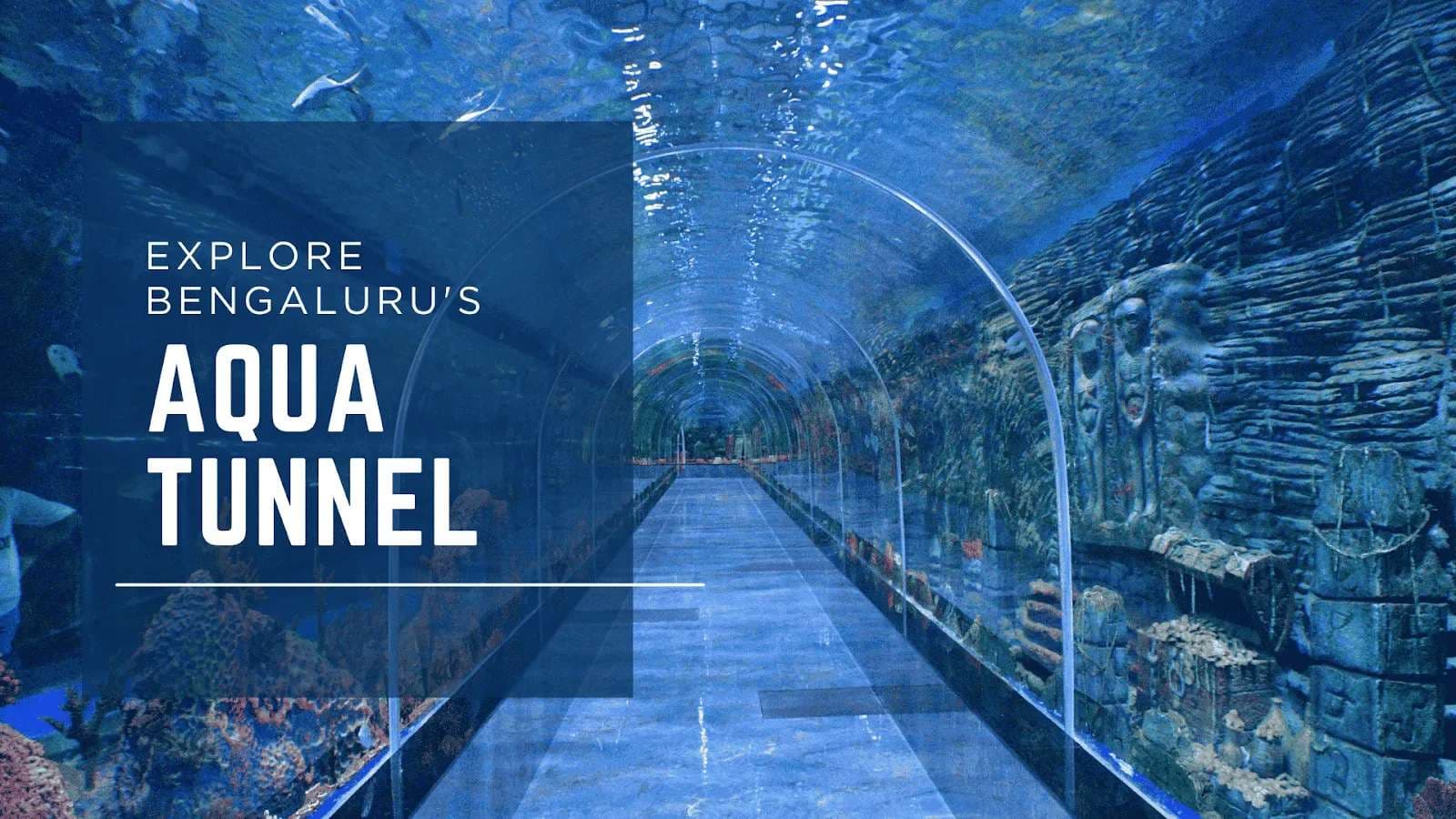
Explore the Mesmerizing Aqua Tunnel in Bengaluru
Discover Bengaluru's Aqua Tunnel, a top tourist spot with stunning aquatic displays and interactive experiences. Plan your visit today!
5.16.2025
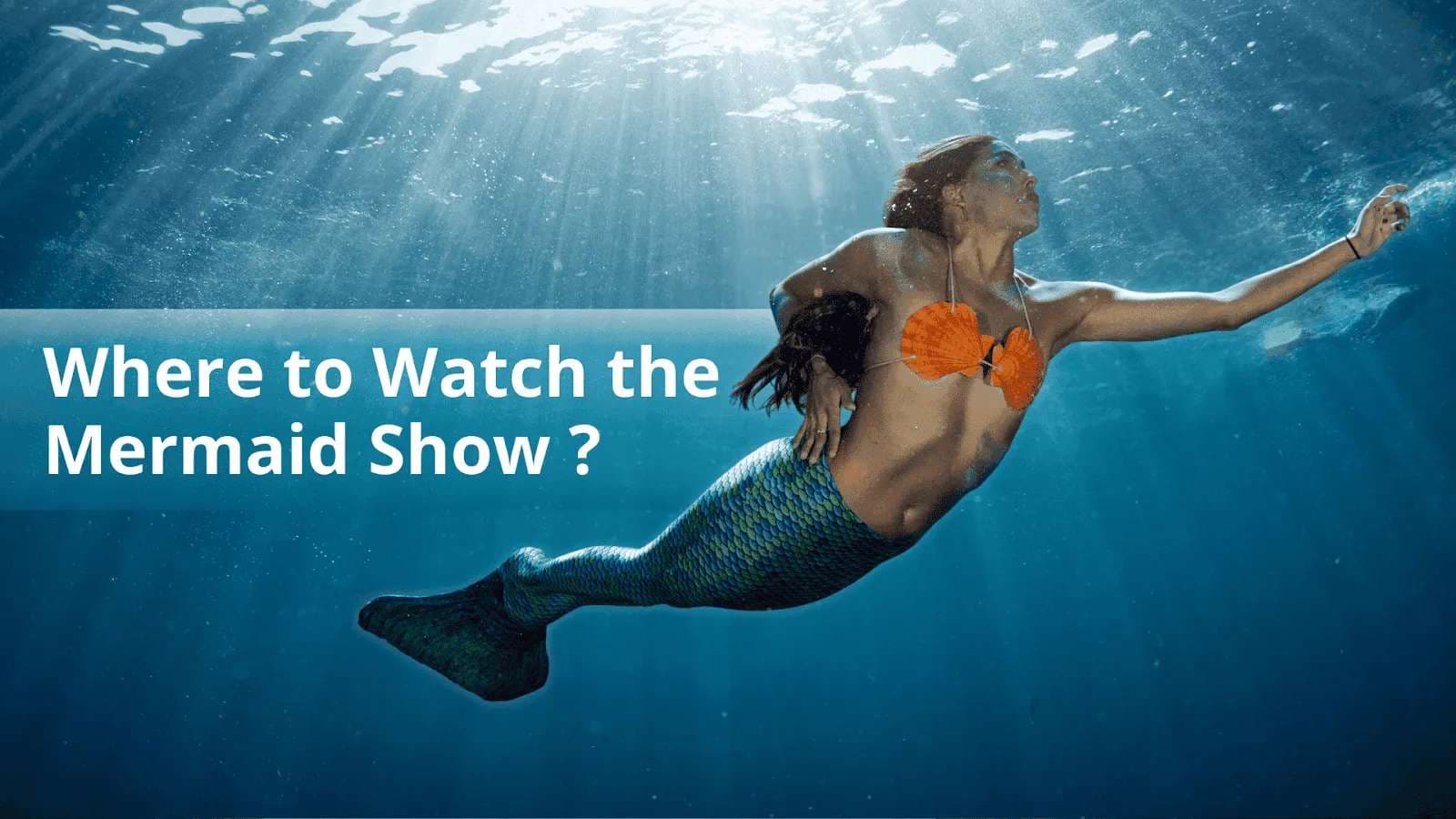
Mesmerising Little Mermaid Shows Near You
Discover the magic of Aquarium Paradise in Bangalore with its unique underwater tunnel, mermaid show, and interactive marine experiences. Get more info here.
Recommended for you
Explore more from Aquarium Paradise and related picks tailored to this page.
