World Fisheries Day: Why Fish Conservation Matters
By Anurag Kamboj, Writer, Aquarium Paradise
Published
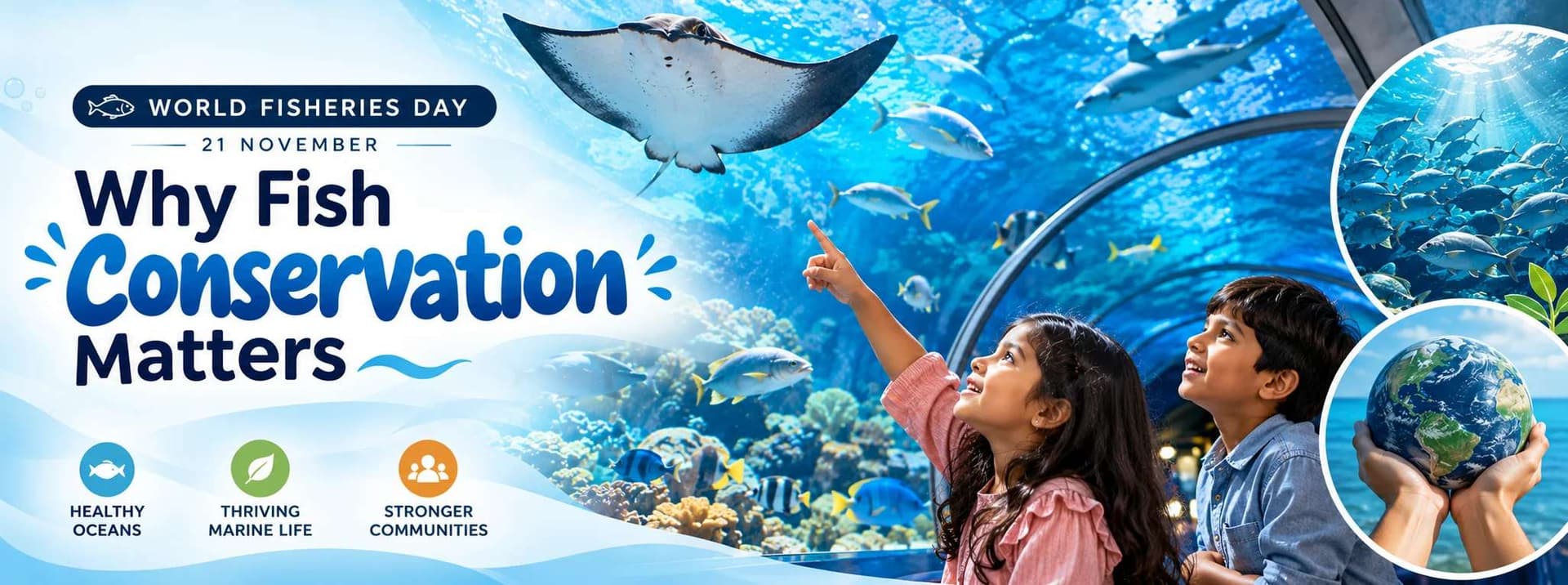
Every year on 21 November, communities, governments, and conservation groups around the world observe World Fisheries Day. The date is not random. It marks the anniversary of a 1997 gathering in New Delhi, where delegates from 18 countries formed the World Forum of Fish Harvesters and Fish Workers. India, in fact, is the birthplace of this global observance. The day calls attention to the pressures facing the world's fisheries and the people who depend on them.
For families and children, World Fisheries Day offers a useful entry point into understanding marine life, ocean health, and why the fish we see in aquariums and oceans need active protection. This article explains the meaning, theme, and importance of World Fisheries Day, along with practical ideas for how families can engage with fish conservation.

Child Ticket - Aquarium Paradise

Adult Ticket - Aquarium Paradise

FUNWEDNESDAY – Buy 1, Get 1 Free
What Is World Fisheries Day?
The meaning and origin of the day
The World Fisheries Day meaning is rooted in two connected concerns: the livelihoods of fishing communities and the health of the aquatic ecosystems they depend on. When the World Forum of Fish Harvesters and Fish Workers met in New Delhi in 1997, the core concern was that industrial overfishing was outpacing natural fish reproduction. Small-scale and artisanal fishers, who make up the majority of fishing communities worldwide, were losing access to resources that had sustained them for generations.
The day has since grown into a platform that addresses overfishing, illegal and unregulated fishing, habitat destruction, climate change effects on marine ecosystems, and the welfare of fishing communities. In India, which is currently the world's second-largest fish-producing country, World Fisheries Day carries particular weight. India's fish production more than doubled from 96 lakh tonnes in 2013-14 to 195 lakh tonnes in 2024-25. Managing that growth sustainably is now a national priority.
World Fisheries Day theme for 2025
The World Fisheries Day theme for 2025 is "India's Blue Transformation: Strengthening Value Addition in Seafood Exports." The theme reflects India's ambition to move beyond raw fish production toward processed, higher-value seafood that meets global food safety and traceability standards. Marine product exports rose by 11.08% from October 2024 to October 2025, reaching US$ 0.90 billion.
The 2025 event was held at Sushma Swaraj Bhawan in New Delhi, with delegations from nearly 27 countries attending. The government also launched the National Framework on Traceability in Fisheries and Aquaculture at the event. This framework ensures that India's seafood supply chain meets international food safety compliance standards, a requirement for major export markets.
Past themes have focused on concepts like "Sustainable Fishing Practices for a Thriving and Eco-Friendly Fisheries" and "Sustainability of Marine and Freshwater Resources." The themes vary each year, but the underlying message stays the same: fish stocks are finite, and how we manage them today determines what survives tomorrow.
Why Fish Conservation Matters
The scale of the problem
The importance of fish conservation becomes clear when you look at the numbers. Over the past 40 years, marine species populations have declined by 39%. Nearly 3,000 marine species globally are currently listed as endangered or threatened, primarily due to overfishing and habitat loss. The FAO estimates that 90% of the world's fisheries are now either fully exploited or overfished.
Overfishing happens when fish are caught faster than their populations can naturally replenish. When a species is removed from an ecosystem faster than it can reproduce, the entire food chain is affected. Predators that rely on that species lose their food source. Smaller organisms that the species would have kept in balance multiply unchecked. Coral reefs, seagrass beds, and other marine habitats collapse when the fish populations that maintain them disappear.
Bycatch is another significant problem. Large commercial fishing nets capture not just target species but dolphins, sea turtles, juvenile fish, and seabirds that are then discarded. The FAO estimates that bycatch accounts for roughly 40% of total marine catch globally. That means nearly half of what is pulled from the ocean is unintended and mostly wasted.
Why fish matter beyond food
Why fish conservation matters goes beyond ensuring a supply of seafood. Fish are foundational to marine ecosystems. Coral reefs, which cover less than 1% of the ocean floor but support approximately 25% of all marine species, depend on fish populations for health and balance. When herbivorous fish disappear, algae overgrows coral and suffocates it. When predator fish decline, prey species multiply rapidly and consume food resources that other species need.
Fish also play a direct role in the livelihoods of over 600 million people worldwide who work in fisheries and aquaculture. In India alone, the sector supports 28 million fishers and fish farmers. The economic value is significant, but the cultural and nutritional value in coastal and inland communities is even more so. For many communities, fish is not a choice - it is the primary source of protein.
You can learn more about the extraordinary diversity of fish species currently living at Aquarium Paradise by visiting the Fish Explorer section. Each species profile explains habitat, behaviour, and what makes that fish biologically significant. It is one of the more useful resources for children who want to understand individual species rather than just the category of "fish."
Fish Conservation for Children: Why Starting Early Matters
What children can understand about conservation
Fish conservation for children is most effective when it connects abstract environmental facts to things children can observe directly. The concept of fairness is something most children understand, namely, that one should not take more than their fair share. Overfishing is in effect exactly that: taking more than the oceans can provide. Children as young as six or seven are able to understand the importance of putting limits on fishing when it is put in this way.
The concept of food chains is taught in most Indian schools from Class 4 or 5. Fish sit at multiple points in marine food chains - as prey for larger predators and as predators of smaller organisms. When a link in that chain disappears, the entire chain is disrupted. Children who understand food chains can understand, practically, why losing one species creates problems that extend far beyond that species.
Aquariums are among the most effective tools for fish conservation for children precisely because they create direct, visual encounters with species that most children would never otherwise see. Research on environmental education consistently shows that children who have seen and observed an animal in person are more likely to care about its conservation than those who have only read about it. Visiting the Mermaid Show at Aquarium Paradise is one way for children to engage with marine life in a way that is both memorable and educational.
How aquariums contribute to conservation awareness
Aquariums have a role that goes beyond that of simply displaying fish; they act as educational establishments. The Aquarium Paradise, located at the Palace Grounds in Bangalore, contains species from both marine and freshwater ecosystems. The 70-metre underwater tunnel, which is 180 degrees long, enables visitors to see the fish from below and from both sides, including sharks, rays, and schools of tropical fish which are becoming more and more threatened in the wild. For a child standing in the tunnel and watching a ray pass above, the abstract concept of "endangered marine species" becomes a tangible and real thing.
The importance of fish conservation is embedded into how a well-run aquarium operates. The Fish Explorer section at Aquarium Paradise provides detailed profiles of the species on display - where they are from, what they eat, and what pressures they face. This turns a visit into a learning experience that extends well beyond the time spent at the venue. Schools bringing groups for educational visits can arrange these through Aquarium Paradise's group booking page.
World Fisheries Day Activities for Families and Children
Observing World Fisheries Day does not require a formal event. For families, the day is an opportunity to start a conversation and take a small action that connects children to the marine world. Here are practical World Fisheries Day activities that work for different ages:
For younger children (ages 4 to 8)
- Visit an aquarium: Direct observation is the most effective tool at this age. Aquarium Paradise is open daily from 10:00 a.m. to 08:00 p.m. at Palace Grounds, Bangalore. Tickets are available through the Aquarium Paradise tickets page.
- Draw a favourite fish: Ask children to draw a fish they saw or learned about. Then discuss where it lives and what it eats. The act of drawing builds visual memory and connection.
- Sort fish by habitat: Use printable cards or simple drawings to sort fish into freshwater, saltwater, and deep-sea categories. This introduces habitat concepts in a hands-on way.
- Watch a documentary: Short, age-appropriate segments from documentaries like Blue Planet or Indian Ocean documentaries introduce children to marine environments without overwhelming them.
For older children (ages 9 to 14)
- Research a threatened species: Ask children to pick one fish species from the threatened list and write a short fact sheet. The Fish Explorer section at Aquarium Paradise is a good starting point for species research.
- Map fishing communities in India: India has fishing communities along its 7,500-kilometre coastline. A simple mapping exercise connecting communities to fish species introduces geography, culture, and economics together.
- Calculate a food chain: Use numbers to show what happens when one fish species is removed. If 10 small fish sustain one large predator, and small fish numbers halve, trace the consequences upward and downward in the chain.
- Attend a school group visit to an aquarium: School groups can book structured educational visits at Aquarium Paradise. The visit is guided and includes educational information about species, conservation, and ecosystem function.
For families
- Choose sustainably sourced seafood: When buying fish, ask where it came from. Locally sourced, in-season fish from regulated markets is a practical conservation choice that families can make regularly.
- Reduce plastic use this week: A large proportion of plastic waste enters water bodies and eventually oceans. Committing to one week of reduced single-use plastic as a family connects daily choices to ocean health.
- Support a marine conservation organisation: Several Indian organisations work on freshwater and marine conservation. Even a small donation or sharing their social media posts on 21 November contributes to awareness.
What Families Can Take Away from World Fisheries Day
The importance of World Fisheries Day for families is that it offers a particular occasion with a set date on which to discuss an issue that is significant but usually seems remote. Although the ocean is a long way from Bangalore, the fish in the tanks at Aquarium Paradise, the seafood eaten at mealtimes, and the plastic which is thrown into the bin are all linked to the same system.
Children who come to realize that food systems have limits, that ecosystems require a state of balance, and that the choices individuals make have collective consequences are in a better position to make well-informed decisions when they become adults. World Fisheries Day provides one way of arriving at such an understanding, while a visit to an aquarium offers another. Together, these two experiences - a day devoted to raising awareness followed by a direct meeting with marine life - result in an experience which remains with a child.
Aquarium Paradise's gallery gives a preview of what families can expect to see during a visit. The jellyfish gallery, the underwater tunnel, and the coral reef exhibits each represent ecosystems that are under real pressure - and each one offers children a face-to-face encounter with the marine life that conservation efforts are trying to protect.
FAQs
Q1. When is World Fisheries Day observed?
World Fisheries Day is observed every year on 21 November. The observance originated in 1997 at a gathering of the World Forum of Fish Harvesters and Fish Workers in New Delhi.
Q2. What is the World Fisheries Day theme for 2025?
The 2025 theme is "India's Blue Transformation: Strengthening Value Addition in Seafood Exports." It reflects India's focus on processed, high-value seafood exports and sustainable fisheries governance.
Q3. Why is fish conservation important?
Fish support entire marine food chains, provide protein for hundreds of millions of people, and maintain the health of coral reefs and aquatic habitats. With 90% of global fisheries now fully exploited or overfished, conservation is critical to preventing ecosystem collapse.
Q4. How can children learn about fish conservation?
Aquarium trips are among the most effective methods since seeing the fish live establishes a connection that reading about them cannot. The Fish Explorer section on Aquarium Paradise includes detailed profiles of various species and school groups can make arranged educational visits by using the group bookings page.
Q5. What World Fisheries Day activities can families do at home?
Families can watch a short marine documentary, carry out some research into a threatened fish species together, cut down on single-use plastic for the week, or go to a local aquarium. For children who are 9 years old and above, mapping fishing communities in India or tracing a food chain using numbers are practical activities which combine education with engagement.
Also Read
Writer, Aquarium Paradise
Anurag Kamboj writes the Aquarium Paradise blog, covering marine life, exhibits, ticket offers and practical tips for planning a family visit to Bengaluru's aquarium.
- Aquariums
- Marine life
- Family days out in Bengaluru
More To Read
6.17.2025
Top 10 Largest Crab Species Worldwide
Compare the largest crab in the world like the Japanese Spider and Coconut Crab. Explore traits, habitats, and conservation efforts. Click to know more!
%201.webp&w=1920&q=75)
9.4.2025
Top 20 Kids' Fun Places in Bangalore in 2026
Find the best kids’ fun places in Bangalore in 2026, from Aquarium Paradise and Snow City to Cubbon Park and Bannerghatta. Indoor & outdoor picks for every age.
5.22.2025
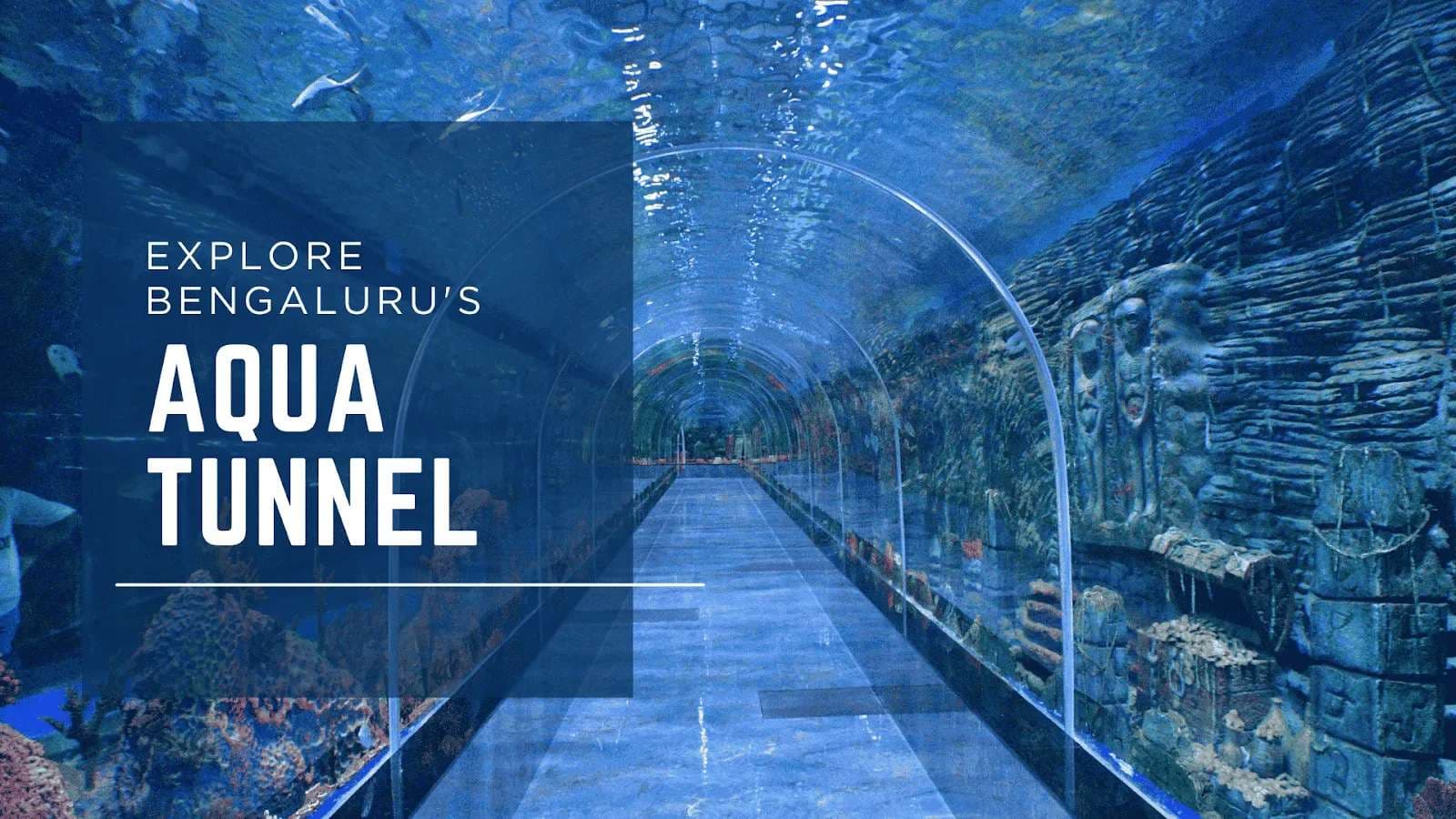
Explore the Mesmerizing Aqua Tunnel in Bengaluru
Discover Bengaluru's Aqua Tunnel, a top tourist spot with stunning aquatic displays and interactive experiences. Plan your visit today!
5.16.2025
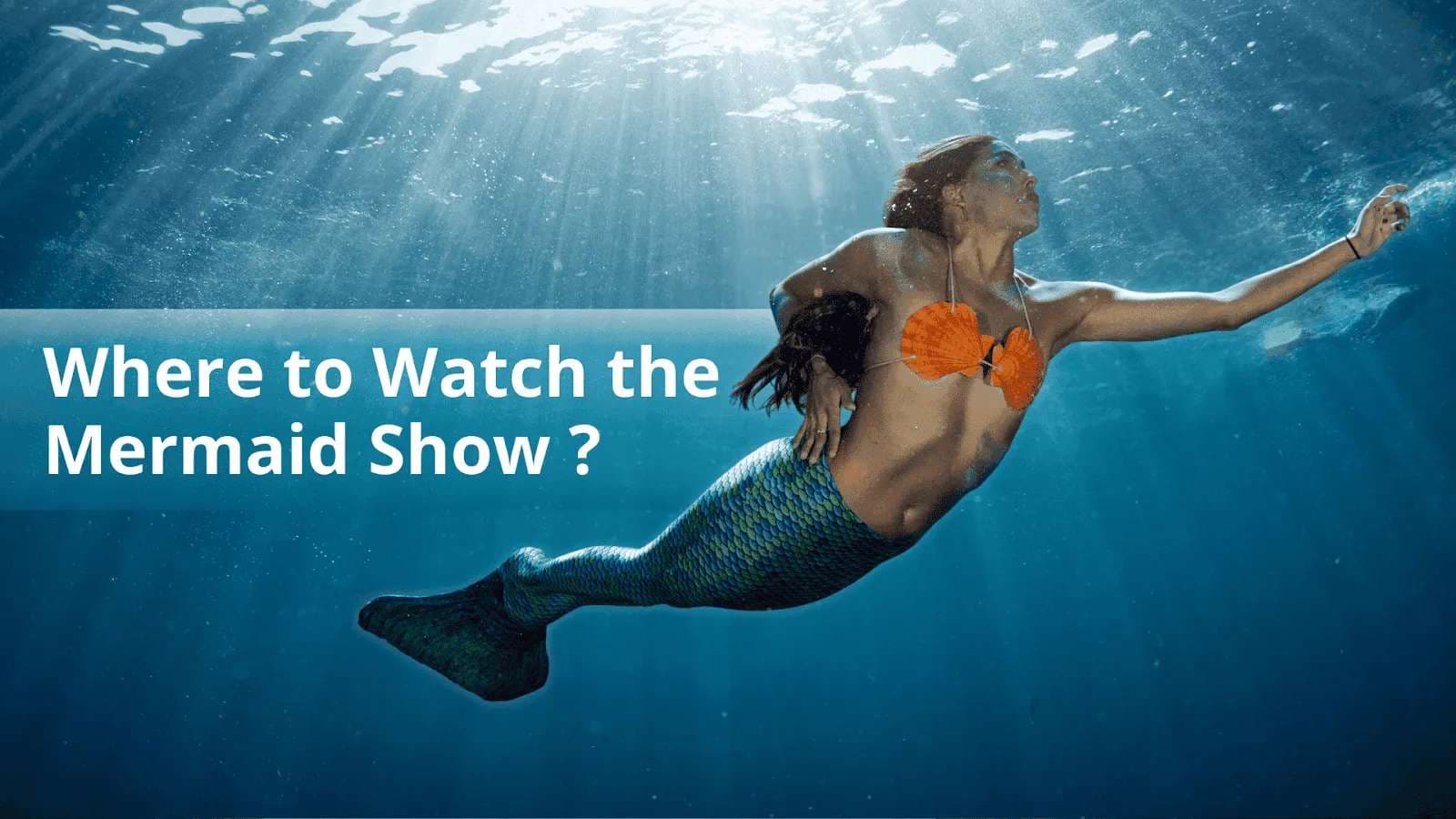
Mesmerising Little Mermaid Shows Near You
Discover the magic of Aquarium Paradise in Bangalore with its unique underwater tunnel, mermaid show, and interactive marine experiences. Get more info here.
Recommended for you
Explore more from Aquarium Paradise and related picks tailored to this page.
