School Aquarium Trips in Bangalore: Learning, Timing & Plan (2026)
By Anurag Kamboj, Writer, Aquarium Paradise
Published
%201%20(1).webp&w=1920&q=75)
By Friday afternoon, classrooms start to feel different. Students are restless, teachers are wrapping up lessons, and somewhere in between, the thought of a field trip comes up. Not just for a break, but for something that actually adds value.
Planning that kind of outing isn’t always simple. You want something structured, safe, and easy to manage. At the same time, it should feel exciting enough for students to stay engaged, not just walk through another place and forget it the next day.
That’s where aquarium visits stand out. They combine visual learning with real-world exposure in a way that textbooks can’t. And in Bangalore, Aquarium Paradise brings that experience into a controlled, indoor environment that works well for school groups.
In this article, you’ll understand what students actually learn during an aquarium visit, how much time to plan, and whether it fits your school outing needs.

Child Ticket - Aquarium Paradise

Adult Ticket - Aquarium Paradise

FUNWEDNESDAY – Buy 1, Get 1 Free
In a nutshell
- Students don’t just see marine life, they observe patterns like grouping, movement, and habitat behaviour, which builds real understanding beyond textbooks.
- The visit naturally supports science learning without structured teaching, as students connect what they see to topics like ecosystems and adaptation.
- A 1.5–2 hour walkthrough format keeps the experience focused without fatigue, making it suitable for school schedules.
- The indoor, linear layout reduces group management issues like crowding, regrouping, and distraction, which is critical for teachers.
- In Bangalore, Aquarium Paradise combines immersive displays with easy accessibility, making it practical for structured school outings.
Why Schools Choose Aquarium Trips?
 1.webp)
When schools evaluate outing options, the goal is usually simple: it should be worth the time spent outside the classroom. That means the experience should support learning, but also keep students engaged enough to actually absorb it.
Aquarium visits naturally create that balance.
Unlike traditional classroom settings, students are not passively receiving information. They are:
- moving through different environments
- observing behaviour in real time
- reacting to what they see
This reduces the need for constant instruction. Teachers don’t have to “force attention” because the environment itself holds it.
Another practical advantage is predictability. The space is controlled, the movement is structured, and the visit doesn’t depend on external factors like weather or large open areas. For schools managing 20–50 students at a time, this matters more than it seems.
From both a learning and logistics perspective, aquarium trips offer a setup that is easy to execute without losing educational value.
Once that foundation is clear, the next question becomes more specific: what do students actually take away from the visit?
What Students Learn During an Aquarium Visit
The learning doesn’t come from a single explanation or display. It builds gradually as students move through the space, observe patterns, and start connecting what they see with what they’ve already learned in class.
What makes this effective is that students are not being told what to notice. They begin to figure it out on their own, which makes the learning more lasting.
1. Understanding Marine Life and Ecosystems
Students get a clearer sense of how marine environments actually function.
Instead of relying on diagrams, they see:
- how different species occupy different levels of the tank
- how some fish move in schools while others stay independent
- how size, colour, and movement vary across species
This makes it easier to explain concepts like food chains, habitat roles, and ecosystem balance without needing to simplify them too much.
For teachers, this creates a reference point they can come back to in later lessons.
2. Observation and Thinking Skills
One of the biggest shifts happens in how students observe.
In a classroom, attention is often directed. Here, it becomes self-driven. Students slow down and start noticing details they would usually miss.
They begin to compare:
- movement patterns across species
- differences in behaviour between active and passive fish
- how environmental design influences where species stay
This naturally builds early analytical thinking, where students are not just seeing, but interpreting what they see.
3. Awareness of Nature and Conservation
Conservation becomes easier to discuss when students have already seen what they are being asked to care about.
Instead of abstract ideas, they now have:
- a visual memory of the species
- a sense of how these environments look and function
- a clearer understanding of how fragile ecosystems can be
This shift from theory to experience makes conversations around environmental responsibility more grounded and relevant.
4. Sensory and Visual Learning
For younger students, engagement depends heavily on what they can see and feel in the moment.
The controlled lighting, movement of water, and immersive setups help them:
- stay attentive without constant prompting
- connect visuals with concepts like habitat and behaviour
- recall details more easily after the visit
This is particularly effective for students who struggle with text-heavy learning environments, as it gives them an alternative way to process information.
5. Curiosity and Exploration
The most noticeable outcome is the kind of questions students begin to ask.
Instead of repeating what they’ve been taught, they start exploring ideas on their own:
- Why do some species stay near the bottom while others swim constantly?
- Why are certain fish brightly coloured while others are not?
- Why do some move alone while others stay in groups?
This curiosity often continues after the visit, which is where the real value lies. It gives teachers an opportunity to extend the learning back in the classroom.
While these learning outcomes are important, they only matter if the environment supports them effectively. That’s why the choice of aquarium plays a key role in how meaningful the visit actually becomes.
Also Read: 15 Benefits of Educational Trips for Students in 2026
Why Aquarium Paradise Fits School Visits in Bangalore
For schools, the value of a field trip depends on how easy it is to plan and manage, not just what it offers. A place can be educational, but if movement is chaotic or logistics are unclear, it quickly becomes difficult to execute. Aquarium Paradise works well because it combines structured learning with a setup that is simple to manage for groups.
- Fully indoor environment: The entire experience is indoors, so schools don’t have to plan around weather, heat, or unexpected disruptions. This makes scheduling more reliable.
- Smooth walk-through layout: The design follows a natural flow, allowing students to move in groups without frequent stops or regrouping. This reduces supervision pressure for teachers.
- Easy group management: The space supports batch movement, making it easier to handle larger school groups without crowding or confusion.
- Central Bangalore location (Palace Grounds): Being near Palace Grounds makes it accessible from different parts of the city, reducing travel time and making half-day trips practical.
- Time-efficient visit structure: The experience can be comfortably completed in around 1.5–2 hours, which fits well within school schedules.
- Designed for visual and experiential learning: The setup focuses on immersive displays, which helps students stay engaged without needing constant instruction.
With the logistics and setup working in your favour, the next step is to see how the actual experiences inside support student learning and engagement.
Experiences That Make Learning More Engaging
What makes an aquarium visit effective is not just what students see, but how the space is designed to guide their attention. Each section creates a slightly different learning environment, helping students observe, pause, and engage in different ways throughout the visit.
1. Underwater Tunnel
 1 (2).webp)
The 180° tunnel is often the most impactful part of the visit.
Instead of looking at tanks from the outside, students are placed inside a space where marine life surrounds them from multiple angles. This shift changes how they observe.
It helps students:
- track movement patterns more closely, as fish swim above and around them
- understand scale and proportion, especially when larger species pass overhead
- stay engaged for longer periods, as the immersive setup reduces distractions
For many students, this becomes the reference point they remember and recall later in class discussions.
2. Jellyfish Room
 1 (1).webp)
This section creates a slower, more focused environment compared to the rest of the visit.
The lighting, reflections, and steady movement of jellyfish naturally draw attention without overwhelming students. As a result, they tend to spend more time observing rather than moving quickly through.
This helps with:
- sustained attention, especially for younger students
- noticing subtle differences in movement and form
- developing patience in observation, which is often missing in fast-paced environments
It also provides a moment where the group can pause and reset before continuing.
3. Mermaid Show
 1 (1).webp)
While this is not a traditional learning component, it plays an important role in maintaining engagement.
For school groups, attention levels can drop if the experience becomes repetitive. The mermaid show introduces a shift in pace, helping students stay interested throughout the visit.
It contributes by:
- breaking monotony during longer walkthroughs
- keeping younger students attentive and involved
- balancing structured learning with entertainment
This balance is important, especially for mixed-age groups where attention spans vary.
4. Marine Species Displays
 1 (1).webp)
The species displays are where most of the direct learning happens.
Students get to observe a range of marine life up close, including species they may have only seen in books or videos. This allows them to connect visual experience with classroom concepts.
They begin to:
- compare different species based on size, colour, and behaviour
- identify patterns, such as grouping or individual movement
- link observations to topics like habitats, adaptation, and food chains
Because the learning is visual and immediate, it becomes easier for students to remember and discuss later.
These experiences become far more effective when the visit is structured well, which is why planning the flow and timing of the trip plays an important role in overall outcomes.
Also Read: 10 Powerful Field Trips: How Real-World Experiences Transform Education
How a School Aquarium Visit Typically Works
Once you understand what students learn and how they engage inside, the next step is planning how the visit actually runs on the ground.
A well-structured visit ensures that both learning and group management stay under control. The advantage with an aquarium setup like this is that the experience is already designed to follow a clear path, which reduces the need for constant coordination.
- Visit duration: 1.5 to 2 hours: Most school groups can comfortably complete the walkthrough within this time. It is long enough to cover all sections without rushing, but short enough to fit into a half-day plan.
- Best suited age group: 4–14 years: Primary and middle school students benefit the most because the experience is visual, immersive, and easy to follow.
- Linear movement flow: Students move in a natural sequence from one section to another. This avoids backtracking, crowding, or confusion.
- Batch-based group handling: Larger groups can be split and moved in batches, making supervision easier for teachers and coordinators.
- Indoor, controlled environment: No dependency on weather, outdoor fatigue, or long walking distances, which makes the experience more predictable.
This structure allows teachers to focus more on guiding students rather than managing logistics.
With the flow of the visit clear, the next step is making sure the trip is planned in a way that maximises its learning value.
Planning Tips for Schools
 1 (1).webp)
A small amount of preparation can make a noticeable difference in how effective the visit turns out to be. The goal is not to over-structure the trip, but to give students just enough direction so they engage more meaningfully.
- Book in advance for group entry: This helps avoid waiting time and ensures smoother entry for larger groups.
- Introduce basic concepts before the visit: Even a short classroom discussion on marine life or habitats helps students connect faster once they are inside.
- Divide students into smaller groups: Smaller groups are easier to manage and allow students to move at a comfortable pace.
- Assign simple observation tasks: Instead of worksheets, give prompts like “notice how different fish move” or “spot species that stay in groups.”
- Plan a short post-visit activity: A discussion, drawing exercise, or small presentation helps reinforce what students observed.
These steps don’t add complexity, but they significantly improve both engagement and retention.
Once planning is in place, it’s also useful to consider how the location can support a broader outing if your schedule allows.
Location Advantage and Full-Day Options
One of the practical advantages of Aquarium Paradise is its location near Palace Grounds, which makes it easy to reach from most parts of Bangalore.
For schools that prefer a short, focused visit, the aquarium works well as a standalone half-day activity. However, if you’re planning a longer outing, the nearby attractions make it possible to extend the day without additional travel complexity.
- Fun World Bangalore: Adds an outdoor recreation layer with rides and activity zones, which helps balance structured learning with physical movement.
- Snow City Bangalore: Offers an indoor snow-based experience that contrasts well with the aquarium environment, especially for students.
This combination allows schools to plan a balanced full-day outing, where students move from learning-focused exploration to recreational activities without long travel gaps.
With both learning value and planning flexibility in place, the final decision comes down to whether the visit delivers enough value for the time invested.
Is an Aquarium Trip Worth It for Schools?
 1.webp)
For most schools, the decision is not just about whether a place is interesting, but whether it fits into a structured day and supports learning in a meaningful way.
An aquarium visit works because it combines three key factors:
- Clear learning connection: Students can directly relate what they see to topics like ecosystems, behaviour, and conservation.
- Ease of execution: The indoor, walk-through format reduces logistical challenges and makes group management simpler.
- Consistent student engagement: The immersive setup keeps attention levels steady without requiring constant intervention.
When these come together, the visit becomes more than just an outing. It turns into an experience that can be carried back into the classroom.
If your goal is to plan a school trip that balances structure, engagement, and ease of execution, this is one option that checks all three.
Ticket Prices for School Visits
Before planning a school trip, it helps to have a rough idea of entry costs so you can estimate the overall outing budget.
Weekdays (Monday–Friday):
- Adults: ₹499
- Children (80–140 cm): ₹449
Weekends & Holidays:
- Adults: ₹599
- Children (80–140 cm): ₹549
Special Experience (Optional):
- “Become a Mermaid” experience:
- Children (below 16 years): ₹1199
- Adults (17+): ₹1999
Schools usually prefer weekday visits, as they are slightly lower in cost and less crowded, making group movement easier.
Note: Ticket prices may change, so it’s best to confirm on the official website while planning group bookings.
Once the budget is clear, it becomes easier to finalise the schedule and structure the visit accordingly.
Wrapping Up
Planning a school trip is rarely about finding more options. It’s about choosing something that works without adding complexity. The outing should be easy to manage, fit within a limited time window, and still give students something meaningful to take back.
Aquarium visits work well because they meet all three. Students learn by observing, asking questions, and connecting what they see with what they’ve studied. At the same time, the structured, indoor setup makes it easier for schools to plan and execute without unnecessary complications.
If you’re looking for a school outing in Bangalore that balances learning, engagement, and ease of planning, Aquarium Paradise is a practical option to consider.
FAQs
1. Do schools get group booking options at Aquarium Paradise?
Yes, schools can arrange group visits in advance. It’s recommended to contact the team or check the official website to plan entry slots and manage large groups more smoothly.
2. What should students bring for an aquarium field trip?
Students should carry comfortable clothing, water bottles, and a small notebook if observation tasks are planned. Schools usually avoid heavy bags to keep movement easy inside.
3. Is prior preparation needed before a school aquarium visit?
A short classroom introduction to marine life or ecosystems helps students connect better during the visit. Even basic context improves how much they observe and retain.
4. Are there any rules schools should be aware of during the visit?
Students are generally expected to follow group movement, avoid touching displays, and maintain discipline inside the aquarium. Specific rules may vary, so it’s best to check official guidelines before visiting.
5. Can teachers include this visit as part of a science curriculum?
Yes, aquarium visits can support topics like ecosystems, animal behaviour, and environmental awareness, making them a useful addition to science-based learning activities.
Writer, Aquarium Paradise
Anurag Kamboj writes the Aquarium Paradise blog, covering marine life, exhibits, ticket offers and practical tips for planning a family visit to Bengaluru's aquarium.
- Aquariums
- Marine life
- Family days out in Bengaluru
More To Read

6.17.2025
Top 10 Largest Crab Species Worldwide
Compare the largest crab in the world like the Japanese Spider and Coconut Crab. Explore traits, habitats, and conservation efforts. Click to know more!
%201.webp&w=1920&q=75)
9.4.2025
Top 20 Kids' Fun Places in Bangalore in 2026
Find the best kids’ fun places in Bangalore in 2026, from Aquarium Paradise and Snow City to Cubbon Park and Bannerghatta. Indoor & outdoor picks for every age.
5.22.2025
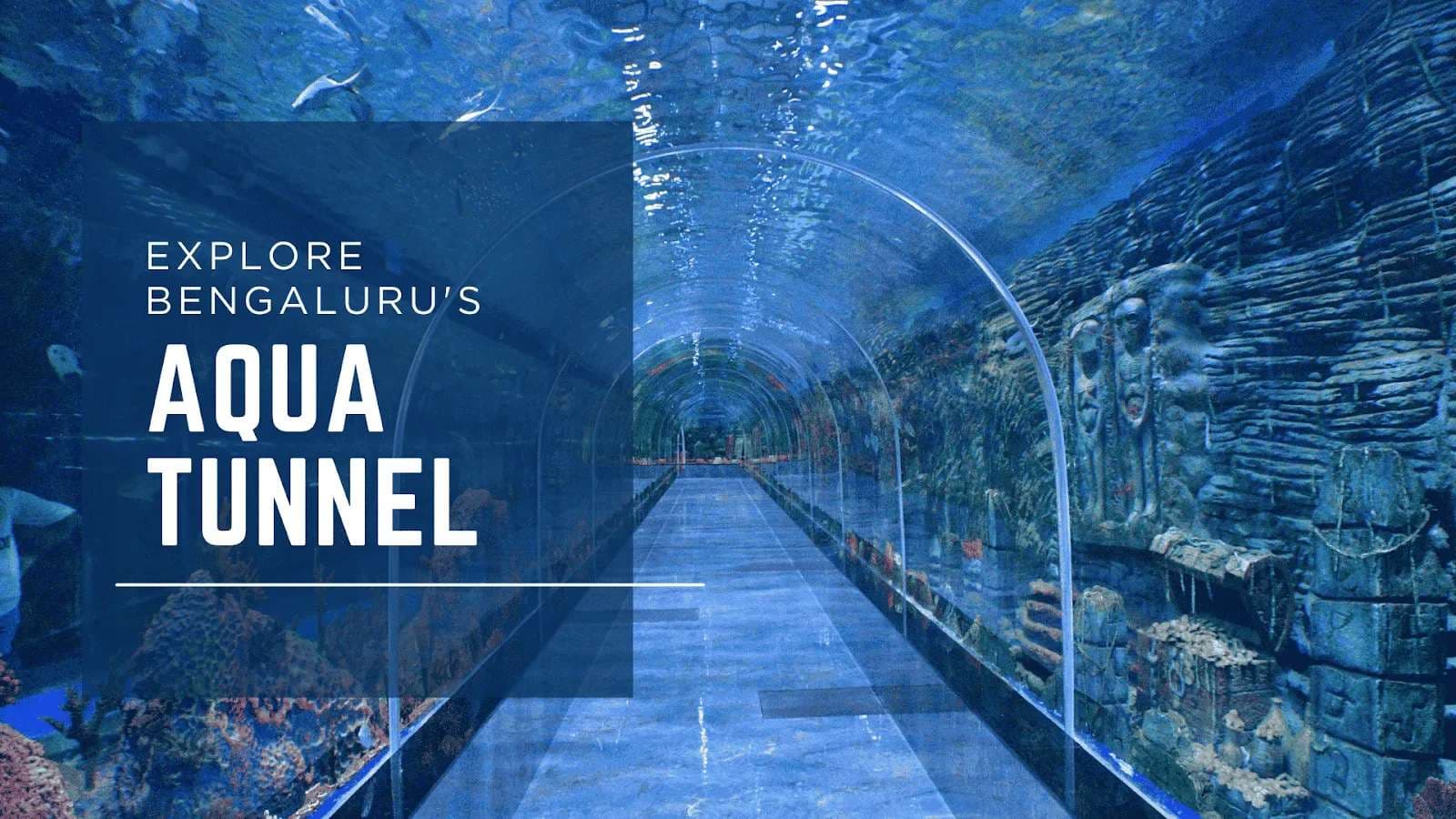
Explore the Mesmerizing Aqua Tunnel in Bengaluru
Discover Bengaluru's Aqua Tunnel, a top tourist spot with stunning aquatic displays and interactive experiences. Plan your visit today!

5.16.2025
Mesmerising Little Mermaid Shows Near You
Discover the magic of Aquarium Paradise in Bangalore with its unique underwater tunnel, mermaid show, and interactive marine experiences. Get more info here.
Recommended for you
Explore more from Aquarium Paradise and related picks tailored to this page.
