Recommended for you
Explore more from Aquarium Paradise and related picks tailored to this page.

Explore more from Aquarium Paradise and related picks tailored to this page.


Explore the ocean’s most fascinating creatures and uncover why marine life feels calming, artistic, and unforgettable.
The ocean doesn’t reveal its best stories at the surface. Its beauty lives in the layers, light fading into blue, currents carrying life like hidden rivers, and creatures built for a world that rarely meets the human eye.
This is the planet’s largest living system, covering more than 70% of Earth’s surface and holding about 97% of Earth’s water, a scale that’s easy to quote and hard to truly grasp. And even now, much of it remains a mystery: as 27.3% of the global seafloor has been mapped with modern high-resolution technology, and explorers have directly seen less than 0.001% of the deep ocean seafloor.
That gap between what exists and what’s known is part of the ocean’s pull. Marine life blends colour, motion, and survival into forms that feel almost impossible, yet they’re real, thriving in the dark, the pressure, and the vast unknown.
This journey explores why the ocean continues to inspire wonder at every age, and why its most breathtaking beauty is often the kind we can’t immediately see.
Marine life doesn’t just exist in the ocean; it performs in it. The underwater world turns survival into something that looks like design: colours that feel unreal, movement that slows your breathing, and details so precise they seem planned. That’s why marine beauty often lands emotionally first, and logically later.
Underwater, colour is communication, camouflage, warning, and attraction, all at once. Many marine animals carry pigments and reflective structures that create electric blues, neon yellows, and shifting iridescence.
Some of these effects come from microscopic structures that bend and reflect light like natural “prisms,” producing glow-like shades without needing anything artificial.
On land, movement is loud, footsteps, wings, speed. In water, motion becomes fluid and continuous. Fish “hover” with tiny fin adjustments. Rays glide as if they’re flying. Jellyfish pulse with a rhythm that looks meditative, even though it’s also a precise method of propulsion.
What makes it feel like art: marine motion is both soothing and efficient, like watching choreography where every move has a purpose.
Look closely, and the ocean is full of design language:
What makes it feel like art: these details don’t only look thoughtful, they work like systems. The ocean rewards precision, and nature responds with forms that feel crafted.
Also Read: Top 10 Healthiest Fish to Eat
Some marine animals don’t just look beautiful; they command attention through movement, colour, and behaviour. A few seconds of watching them is enough to feel why the ocean is often described as nature’s most visual world.
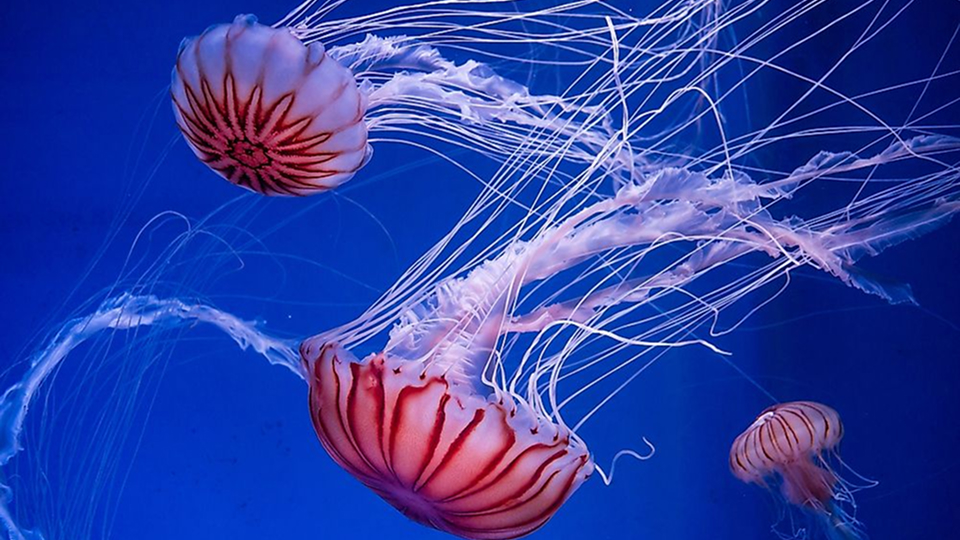
Jellyfish are among the oldest living organisms on Earth, surviving for millions of years with simple yet effective designs. Their slow, pulsing movement conserves energy while allowing them to drift with ocean currents. Their glow and transparency highlight how nature can be both minimal and efficient.
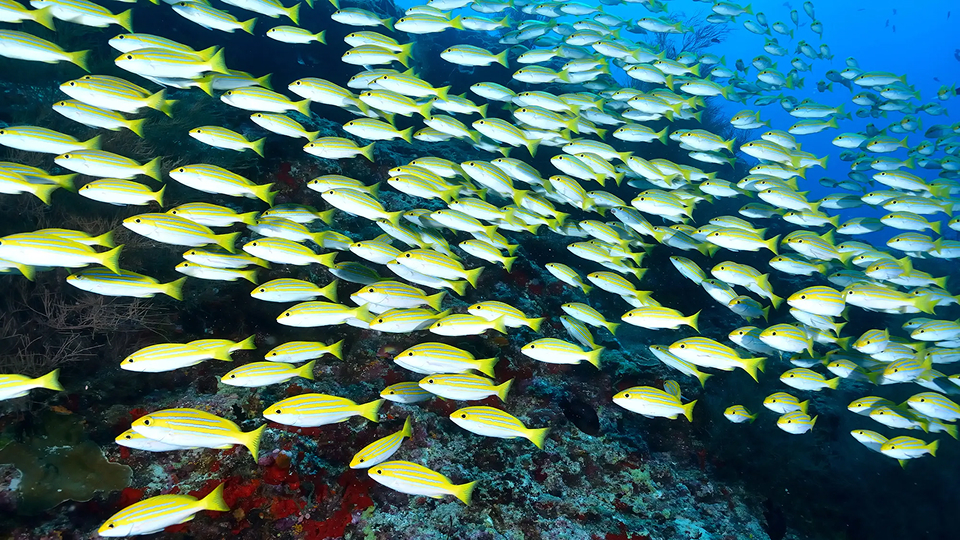
Schooling is a survival strategy based on communication and collective awareness. By moving as one unit, fish reduce the risk of predators and conserve energy. The shifting formations demonstrate how cooperation plays a critical role in maintaining balance in the ocean.
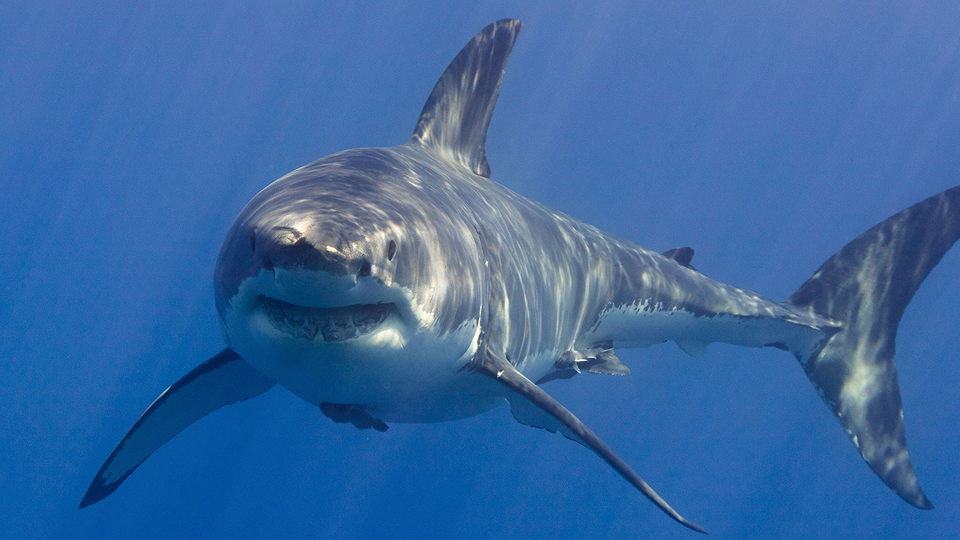
Sharks are essential apex predators that help regulate marine populations. Their smooth, controlled swimming allows them to travel long distances efficiently. Far from being chaotic hunters, they are vital to keeping ecosystems healthy and stable.
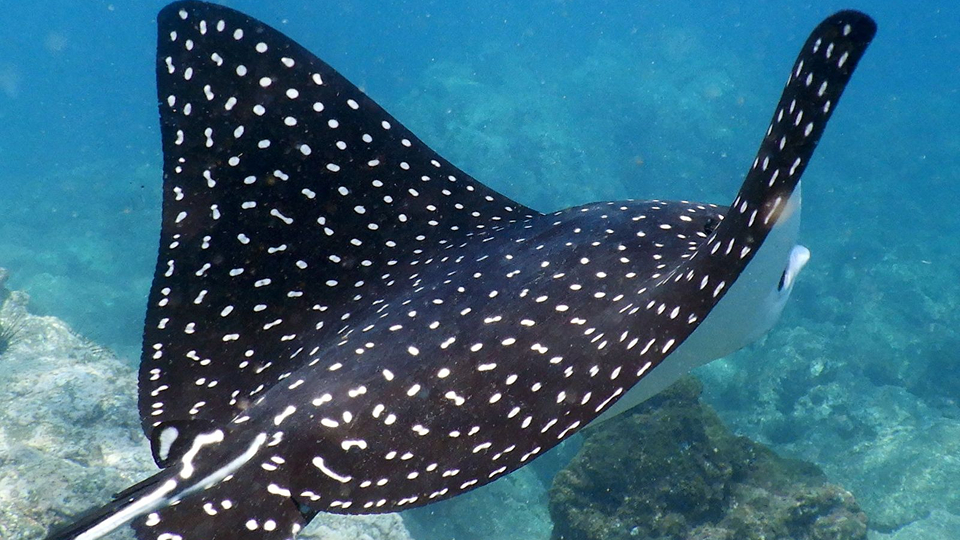
Manta rays combine size with elegance, using their wide fins to move effortlessly through the water. They are highly intelligent and known to recognise themselves in mirrors, a rare trait in the animal kingdom. Their presence reflects the complexity of marine life.
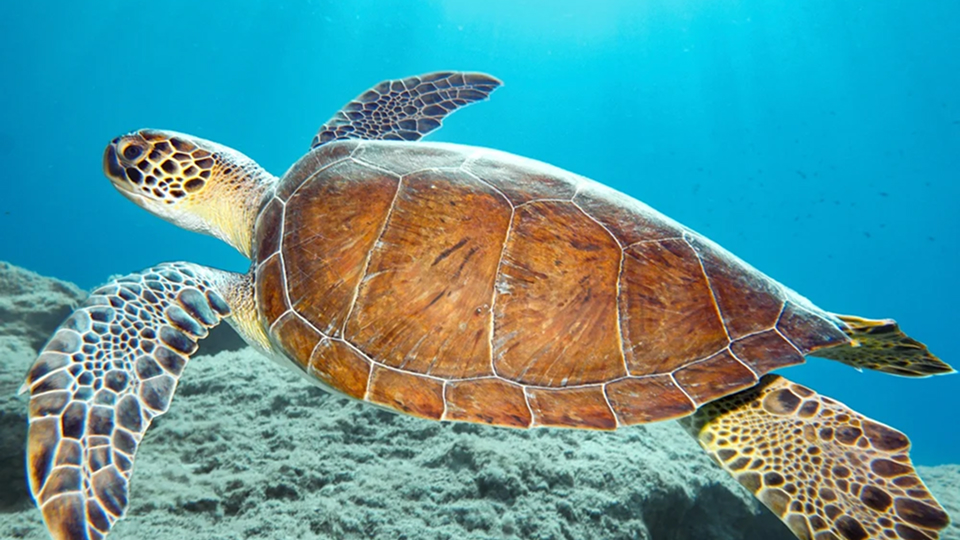
Sea turtles play a key role in maintaining healthy seagrass beds and coral reefs. Their slow, deliberate movements reflect their long life cycles and deep connection to the ocean. Watching them offers insight into how marine species adapt over centuries.
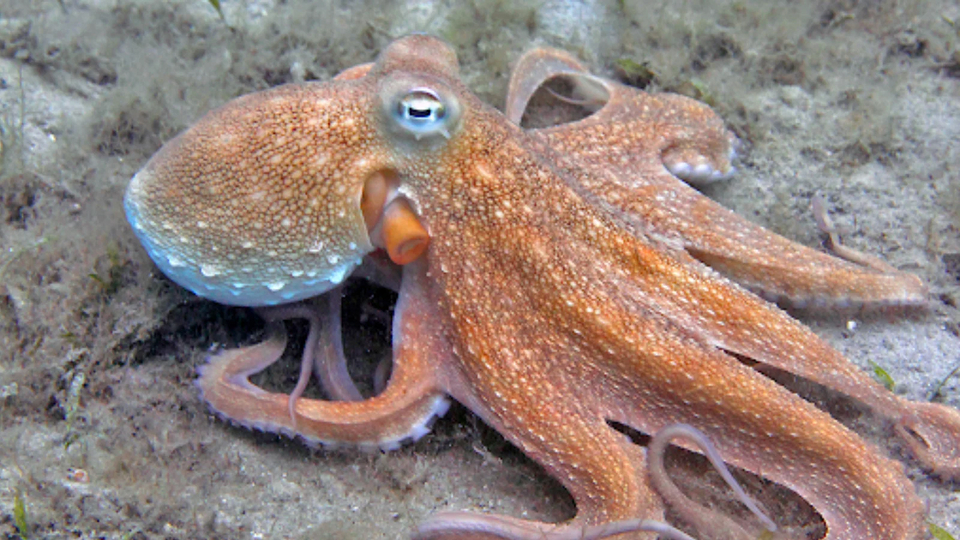
Octopuses are among the most intelligent invertebrates in the ocean. Their ability to change color and texture helps them communicate, hunt, and avoid predators. Each arm operates with remarkable independence, making them powerful problem solvers.
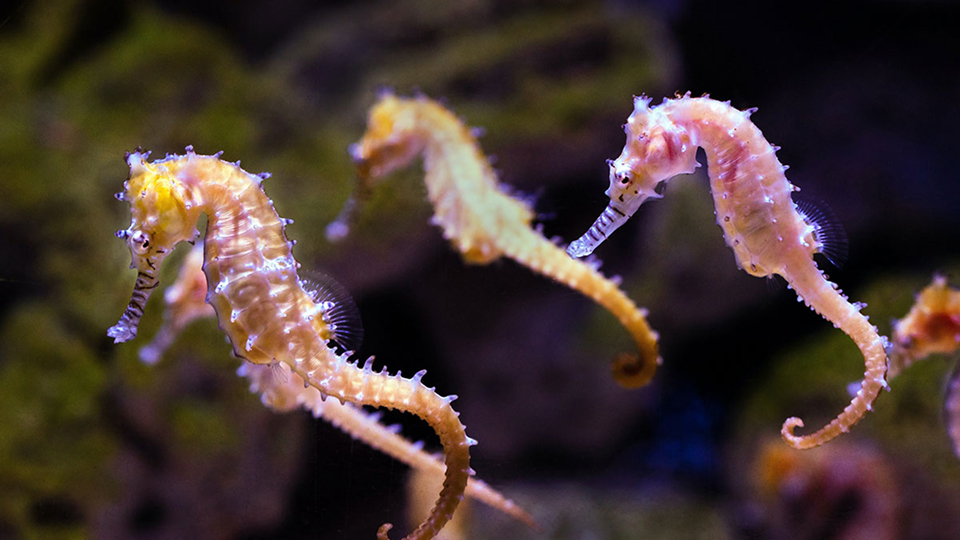
Seahorses are unique for their upright posture and curled tails, which allow them to anchor themselves in strong currents. They rely heavily on camouflage for protection and are indicators of healthy coastal ecosystems.
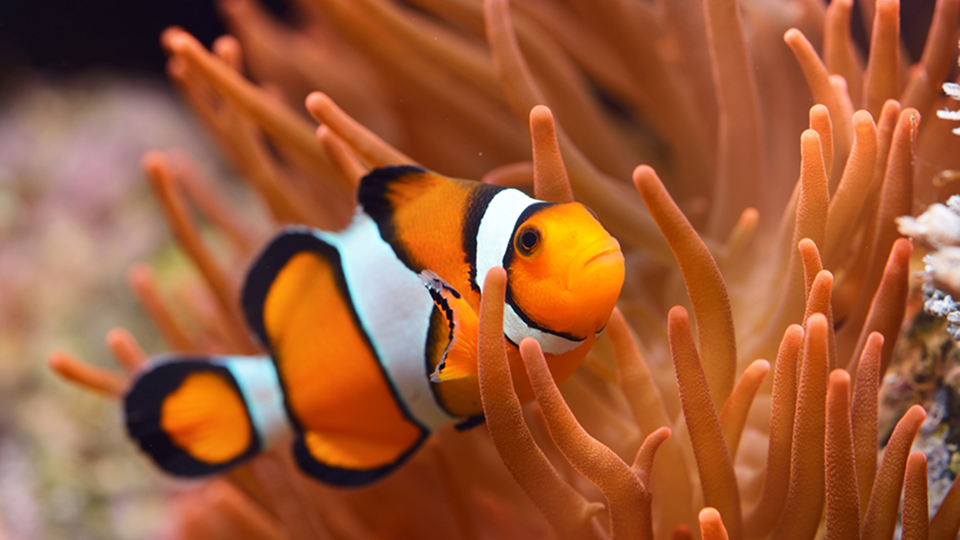
This relationship is a clear example of mutual survival. Clownfish gain protection from predators, while anemones benefit from cleaning and increased water circulation. Together, they demonstrate how interdependence supports reef life.
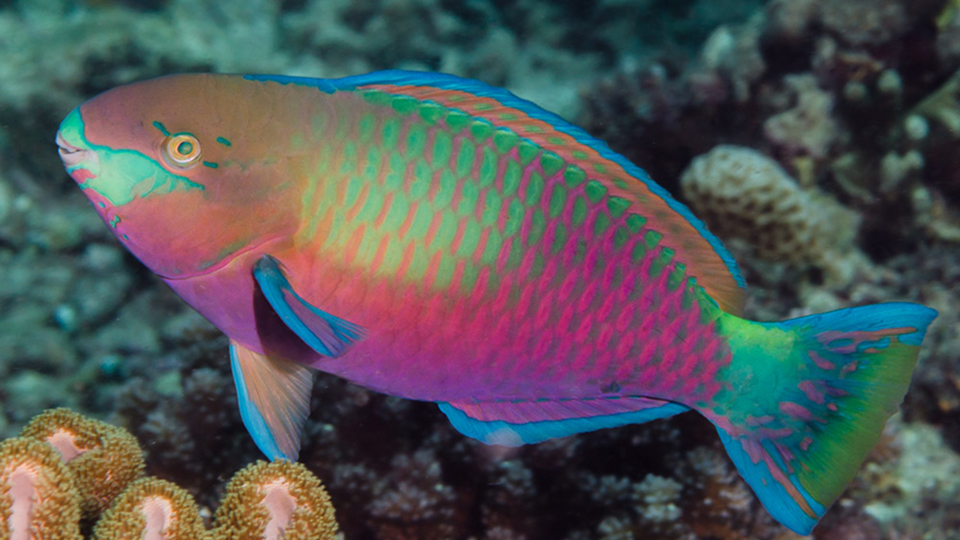
Parrotfish are vital reef caretakers. By grazing on algae, they prevent coral from being smothered and help maintain reef structure. Their feeding process also produces much of the sand found on tropical beaches.
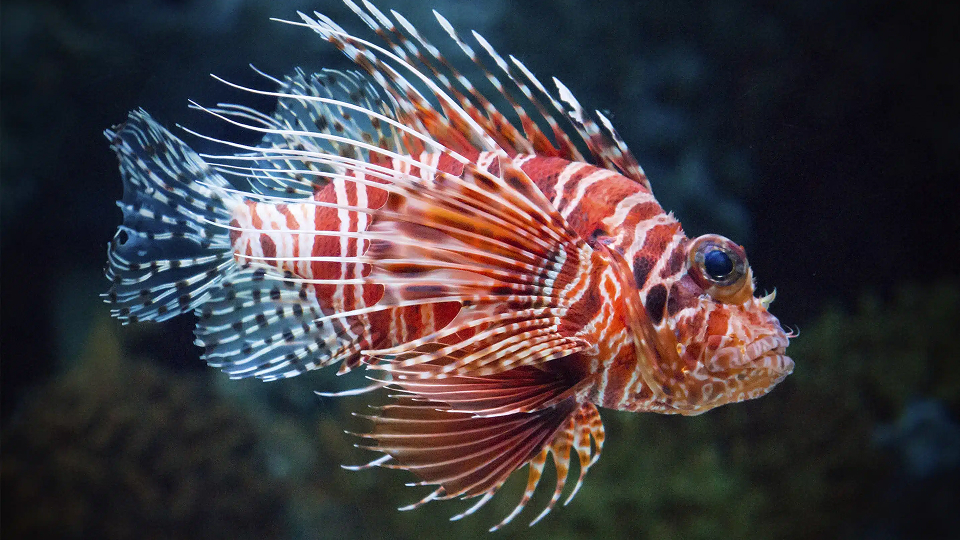
Lionfish are visually striking with bold patterns and flowing fins. Their slow, confident movement reflects a lack of natural predators in certain regions. Understanding their role helps highlight the importance of managing invasive species.
Also Read:What Is the Deepest Ocean in the World?
A reel can show colour, but it can’t recreate presence. Marine life is one of those experiences where the real impact comes from scale, depth, and movement happening all around you.
If your love for marine life comes from its colour, motion, and mystery, Aquarium Paradise turns that curiosity into something you can actually step into. It’s built around close-up viewing, immersive design, and interactive moments, so the ocean doesn’t feel distant or “behind glass,” it feels surrounding.
Book your tickets for Aquarium Paradise and turn ocean curiosity into a calm, immersive experience, complete with underwater tunnel views and up-close marine encounters.
Some experiences don’t fade into the background, they stick, because they make the brain pause and the heart soften. Marine encounters do that naturally, blending calm with awe in a way that’s hard to replicate anywhere else.
Marine life reminds us that beauty isn’t always still; it moves, pulses, glides, and shifts with the water. The more we observe it, through reading, real-life visits, or quiet exploration, the deeper our appreciation becomes.
And sometimes, the most powerful inspiration isn’t loud or obvious. It lives beneath the surface, waiting to be noticed.
Ready to experience it up close? Book your tickets for Aquarium Paradise and step into an immersive marine world, without entering the ocean.
Underwater movement is slow, fluid, and rhythmic; your brain naturally relaxes when there’s less “visual noise.” The gentle motion and soft lighting create a quiet, reset-like feeling.
Many colours and patterns have a purpose: camouflage, warning signals, or communication. When function creates beauty, it feels intentional, like living design.
Videos flatten depth and miss the subtle glow, drifting speed, and tiny changes in movement. In real life, their motion feels almost hypnotic because it’s continuous and three-dimensional.
Slow down and watch one tank for a full minute. You’ll start seeing behaviours, how fish interact, how they change direction, and how different species use different “levels” of space.
Not at all. Adults often enjoy them even more because they offer calm, curiosity, and a break from fast-paced routines—especially when you’re travelling.
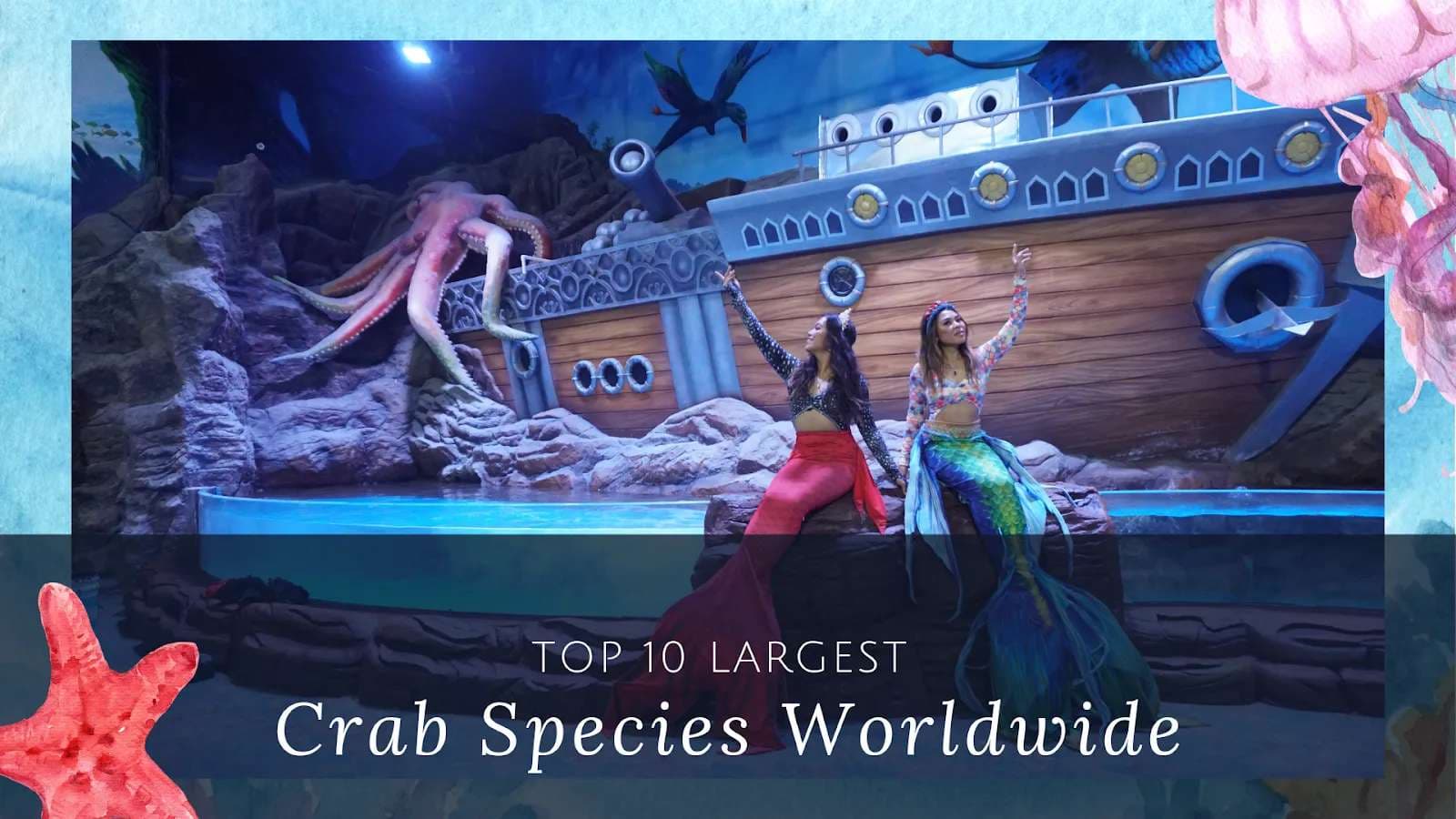
6.17.2025
Compare the largest crab in the world like the Japanese Spider and Coconut Crab. Explore traits, habitats, and conservation efforts. Click to know more!
%201.webp&w=3840&q=75)
9.4.2025
Find the best kids’ fun places in Bangalore in 2026, from Aquarium Paradise and Snow City to Cubbon Park and Bannerghatta. Indoor & outdoor picks for every age.

5.22.2025
Discover Bengaluru's Aqua Tunnel, a top tourist spot with stunning aquatic displays and interactive experiences. Plan your visit today!
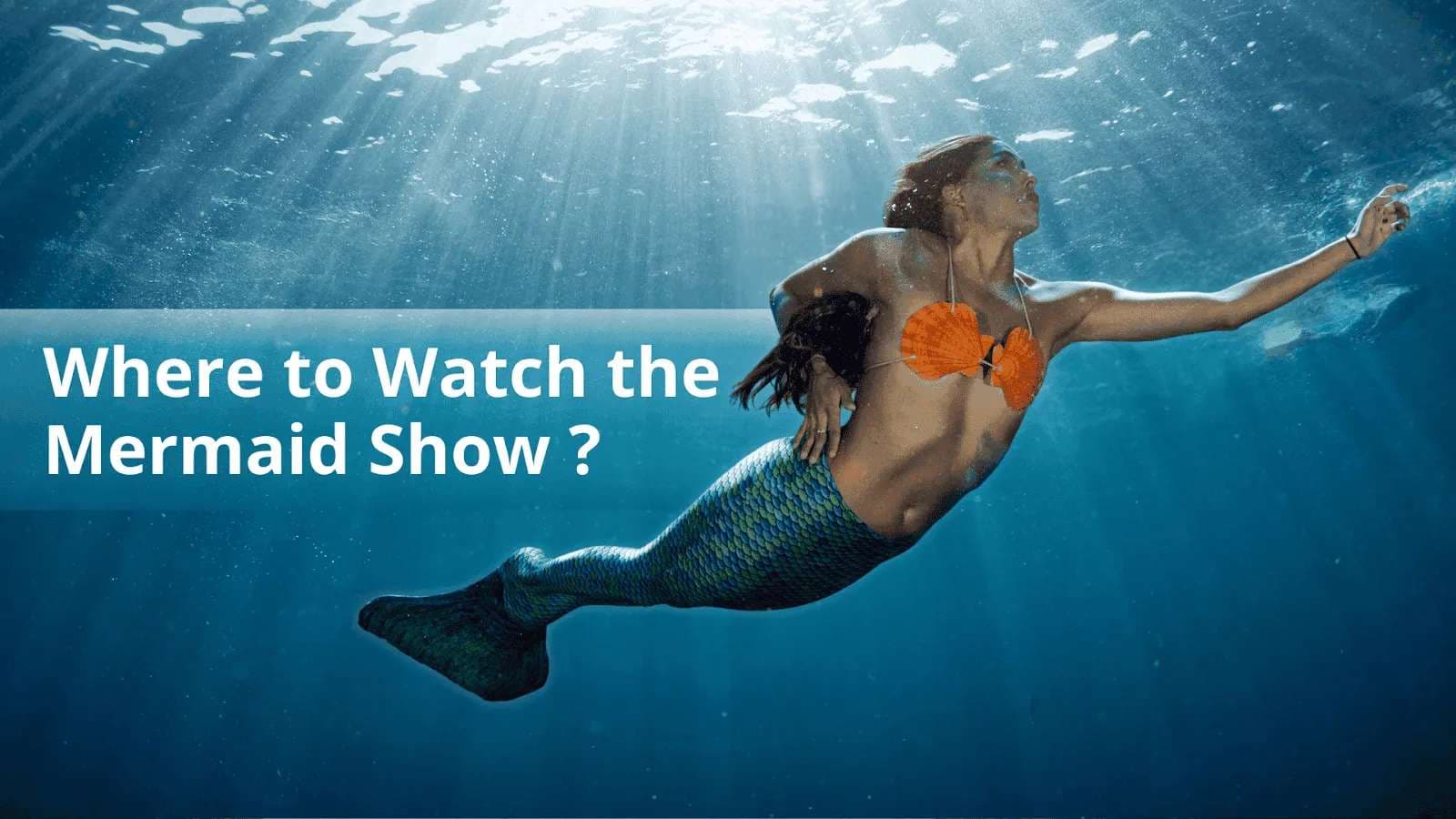
5.16.2025
Discover the magic of Aquarium Paradise in Bangalore with its unique underwater tunnel, mermaid show, and interactive marine experiences. Get more info here.