Educational Benefits of Aquarium Visits for Students
By Anurag Kamboj, Writer, Aquarium Paradise
Updated

An aquarium visit gives students an opportunity to observe aquatic life beyond textbooks and classroom diagrams. They can see how fish move, compare different species, and learn about habitats, adaptations, and aquatic ecosystems through direct observation.
For schools and colleges, an aquarium can be a useful educational destination when the visit is planned around clear learning objectives. Students can connect classroom concepts with real examples, record their observations, and explore why aquatic biodiversity and conservation matter.
This guide explains the educational benefits of aquarium visits, how they support different age groups, and how teachers can plan meaningful learning activities at Aquarium Paradise in Bengaluru.

Child Ticket - Aquarium Paradise

Adult Ticket - Aquarium Paradise

FUNWEDNESDAY – Buy 1, Get 1 Free
Why Are Aquarium Visits Useful for Students?
Aquarium visits combine observation, exploration, and classroom learning. Instead of only reading about aquatic species, students can examine their visible characteristics and ask questions about their behaviour and habitats.
The main educational benefits include:
- Better understanding of aquatic life: Students can observe different fish species and compare their shapes, colours, and movements.
- Practical learning: Exhibits provide examples that teachers can connect with science and environmental studies lessons.
- Improved observation skills: Students can record differences between species and describe what they notice.
- Conservation awareness: Seeing aquatic animals can encourage questions about pollution, habitat loss, and threats to biodiversity.
- Curiosity and discussion: Students can develop questions, investigate answers, and share observations with their classmates.
These benefits depend on how the visit is organised. Activities linked to classroom topics can make the experience more meaningful than an unstructured tour.
How Aquarium Visits Support Different Education Levels
Students can learn different things from the same aquarium visit. Teachers can adapt activities to suit the age group, subject, and learning objectives.
Primary and Middle School Students
For students in Classes 1 to 8, an aquarium visit can introduce basic concepts such as habitats, animal characteristics, food chains, and biodiversity.
Teachers can ask students to identify fish with different body shapes, observe how they move, and describe the differences between species. These simple tasks help children develop observation skills while connecting what they see with topics covered in class.
The Fish Explorer at Aquarium Paradise can help students learn more about aquatic species before or after the visit.
Suitable activities include:
- Identifying three to five fish species.
- Drawing a fish and labelling its visible features.
- Comparing the shapes and movements of two species.
- Discussing why aquatic animals need suitable habitats.
Secondary School Students
Students in Classes 9 to 12 can explore more detailed topics, including classification, adaptation, biodiversity, ecosystem relationships, and conservation.
Teachers can prepare observation questions before the visit. For example, students can compare the body shapes of two fish and discuss how their physical features relate to movement or habitat.
Students can also record observations and distinguish between what they directly see and what they learn from reference material.
The educational objectives of an aquarium field trip provides further ideas for connecting an aquarium visit with science and environmental studies.
College and University Students
For students studying zoology, biology, environmental science, fisheries science, or related subjects, an aquarium visit can support introductory practical learning.
Depending on the course requirements and information available at the venue, students may undertake activities such as:
- Recording visible characteristics of selected species.
- Comparing movement patterns and observable behaviour.
- Researching species classification and natural habitats.
- Preparing short reports on aquatic biodiversity.
- Investigating conservation challenges affecting selected species.
An aquarium visit does not replace fieldwork in natural habitats or access to scientific research data. However, it can provide useful observation opportunities and help students develop questions for further study.
What Can Students Learn During an Aquarium Visit?
A structured visit can support several learning areas. The most useful activities encourage students to observe carefully, ask questions, and connect their findings with reliable information.
Species Identification and Adaptation
Fish vary in body shape, colour, fins, and other physical characteristics. Students can compare these features and discuss how they may help different species survive in their natural environments.
For example, they can compare streamlined fish with species with flatter bodies. Teachers can then explain how body shape relates to movement and habitat, using reliable species information to support the discussion.
Animal Behaviour
Observing aquatic animals can help students describe movement, feeding behaviour when visible, and interactions within an exhibit.
Students should record what they actually observe rather than assume that every behaviour represents a complete picture of the species' natural habits. Aquarium conditions differ from wild environments, so additional research is needed to understand behaviour in its natural context.
If feeding demonstrations or other activities are scheduled during the visit, teachers can use them as additional observation opportunities. Confirm the day's schedule with the venue before planning the lesson around a particular activity.
Aquatic Ecosystems and Biodiversity
Aquatic ecosystems contain organisms that depend on their surroundings and interact in different ways. An aquarium visit can introduce students to the variety of aquatic species and encourage questions about food webs, habitats, and environmental conditions.
Students can explore how pollution, habitat destruction, overfishing, and climate change affect aquatic environments. The article on marine life and aquatic ecosystems can provide additional context for these discussions.
Conservation Awareness
Seeing aquatic animals can make conservation topics easier for students to relate to. Teachers can use the visit to discuss the importance of protecting habitats, reducing water pollution, and managing fisheries responsibly.
For a broader understanding of these issues, students can read about World Fisheries Day and fish conservation.
An aquarium visit is an introduction to conservation, not proof that every species displayed is threatened. Students should use reliable conservation sources when researching the status of a particular species.
How to Plan an Educational Aquarium Visit
A successful school or college visit needs more than transport and entry arrangements. Teachers should decide what students are expected to learn and prepare activities that support those objectives.
Before the Visit
Preparation helps students know what to observe and gives teachers a clear structure for the day.
- Set learning objectives: Choose two or three topics that connect with the current syllabus.
- Prepare observation questions: Ask students to compare species, describe physical features, or record visible behaviour.
- Introduce key concepts: Explain relevant terms such as habitat, adaptation, biodiversity, and food chain.
- Explore species information: Use the Fish Explorer to introduce selected species.
- Confirm practical arrangements: Check group size requirements, entry timings, available activities, and any rules students need to follow.
Teachers can also use this educational field trip planning guide to organise preparation and follow-up activities.
During the Visit
Students learn more effectively when they have specific tasks to complete. Divide the class into small groups where practical and assign each group a simple observation activity.
For example, one group can compare fish body shapes, another can record differences in colour, and another can focus on movement.
Ask students to write down their observations and any questions they want to investigate later. Remind them to follow venue rules, avoid disturbing animals, and respect other visitors.
After the Visit
Follow-up activities help students connect their observations with classroom learning.
Teachers can ask students to:
- Write a short report about their favourite species.
- Compare two species using their recorded observations.
- Draw and label a fish based on what they remember.
- Research an aquatic habitat and the species that depend on it.
- Prepare a presentation on a conservation issue.
- Discuss which observations supported or challenged their initial expectations.
For younger students, the field trip ideas for elementary students can provide inspiration for simple classroom activities.
Planning a School or College Visit to Aquarium Paradise
Aquarium Paradise is located at Palace Grounds, Jayamahal Main Road, J.C. Nagar, Bengaluru.
Its published operating hours are 10:30 AM to 8:00 PM, with the ticket counter closing at 7:15 PM. Teachers should confirm current timings and arrangements before travelling, especially when organising a large group.
Schools and colleges can review the group booking options and contact the venue to confirm group size requirements, entry arrangements, pricing, and available activities.
Before finalising the trip, consider the following checklist:
- Define the educational objectives.
- Confirm the number and age groups of students.
- Check entry requirements and current booking terms.
- Ask about available shows or activities.
- Prepare worksheets or observation tasks.
- Arrange transport, supervision, and emergency contacts.
- Explain visitor rules to students before arrival.
- Plan a classroom activity for after the visit.
For broader destination ideas, teachers can also explore school trip destinations across Karnataka.
Wrapping Up
Aquarium visits can complement classroom learning by giving students an opportunity to observe aquatic life, compare species, and explore environmental topics through direct experience.
For primary and secondary school students, the visit can support basic science concepts and observation skills. For college students, it can provide a starting point for species research, behavioural observations, and conservation discussions.
With clear learning objectives and suitable follow-up activities, a visit to Aquarium Paradise can become a useful educational experience for students of different ages.
Frequently Asked Questions
What are the educational benefits of an aquarium visit?
Aquarium visits can help students observe aquatic species, understand animal adaptations, explore biodiversity, and develop an interest in conservation. Structured activities also encourage observation, questioning, and discussion.
Are aquarium visits suitable for college students?
Yes. Students studying biology, zoology, environmental science, and related subjects can use an aquarium visit for species observation and introductory practical learning. Activities should match the course objectives and the information available at the venue.
How can teachers make an aquarium visit more educational?
Teachers can set clear learning objectives, prepare observation questions, assign activities during the visit, and organise follow-up reports or presentations. Linking the activities to current classroom topics makes the visit more purposeful.
Can an aquarium visit support environmental education?
Yes. An aquarium can introduce students to aquatic biodiversity and encourage discussions about habitat loss, pollution, and conservation. Students should use reliable scientific sources when researching specific species and environmental threats.
How can schools arrange a visit to Aquarium Paradise?
Schools can review the Aquarium Paradise group booking information and contact the venue to confirm group arrangements, entry requirements, and available activities.
Writer, Aquarium Paradise
Marine life, exhibits and ticket offers at Bengaluru's aquarium are the focus of Anurag Kamboj's writing on the Aquarium Paradise blog. Anurag studied Mathematics and Computing at IIT BHU, is CTO of AI SEO platform SEORCE, and draws on years of search work to answer the questions families ask before a visit.
- Aquariums
- Marine life
- Family days out in Bengaluru
More To Read

6.17.2025
Top 10 Largest Crab Species Worldwide
Compare the largest crab in the world like the Japanese Spider and Coconut Crab. Explore traits, habitats, and conservation efforts. Click to know more!

9.4.2025
20 Best Places to Visit in Bangalore with Kids (2026)
Planning a day out with kids in Bangalore? 20 kid-friendly places with ticket prices, timings and metro tips, plus what’s on this Diwali and Christmas.
5.22.2025
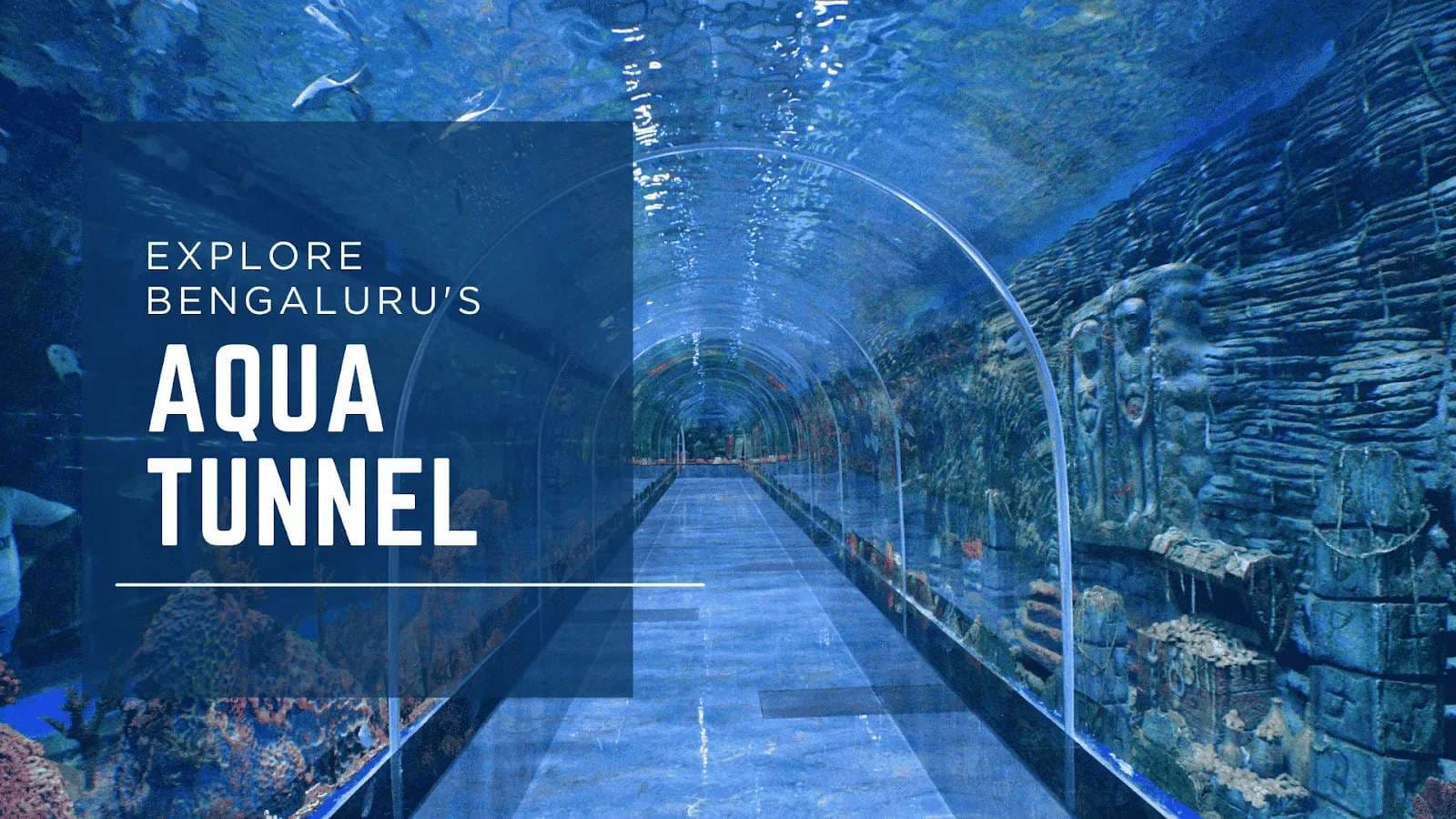
Explore the Mesmerizing Aqua Tunnel in Bengaluru
Walk through India's longest 180° aquarium tunnel at Aquarium Paradise, Bengaluru. A walk-through aquarium with sharks, rays and jellyfish. See ticket offers.

5.12.2025
21 Peaceful Places in Bangalore to Escape the City Rush
Explore 21 peaceful places in Bangalore including lakes, parks, temples, and quiet nature spots perfect for relaxing and escaping the city rush.
Recommended for you
Explore more from Aquarium Paradise and related picks tailored to this page.
